Are you planning an HVAC installation in Austin and wondering where to start? A new heating and cooling system is a major purchase, and the choices you make before install day can shape how comfortable your home feels for years. Austin homes face long stretches of heat, sudden temperature shifts, and high demand on cooling systems, so a system that is sized well, installed carefully, and easy to maintain matters. This guide explains what installation involves in Austin generally, how to vet installers, and what to ask before you sign a contract.
Think about your home first. How old is your current system? Which rooms feel too warm in summer or too cool in winter? Do you have an older home with ducts that may need attention, or a newer home with a more open layout? Do you work from home and need steady temperatures during the day? Write down your answers. A good installer will use them to shape a plan that fits how you live, not just a generic plan for any home.
What HVAC Installation Involves in Austin
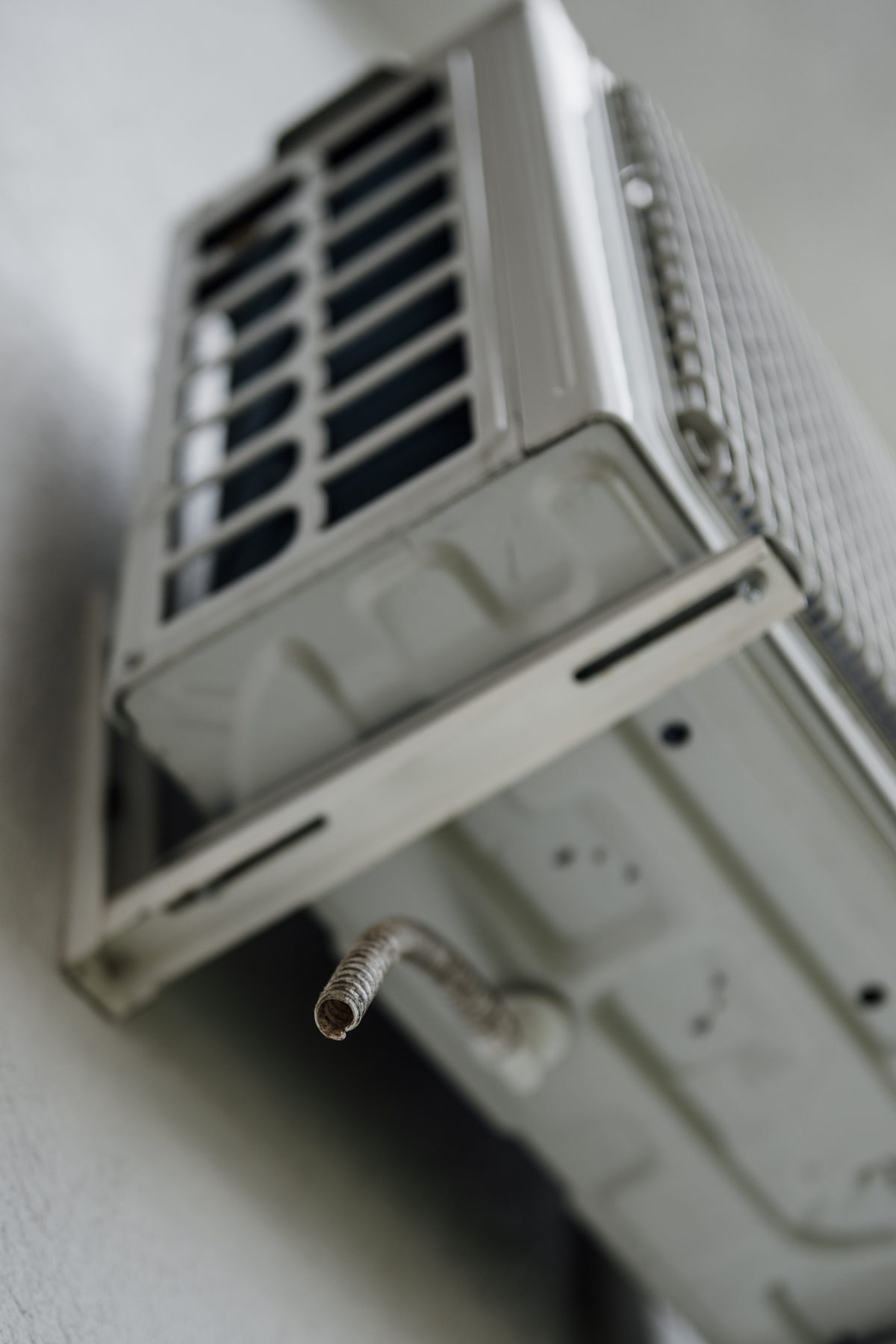
A typical HVAC installation in Austin may include a new outdoor unit, a new indoor unit, ductwork checks or changes, a thermostat, wiring, and controls. The crew will remove the old system, set the new units in place, connect refrigerant lines, wiring, drain lines, and ducts, and test the system before they leave. The exact work depends on your home and on the type of system you choose.
In hot-summer climates, cooling capacity and air flow matter a great deal. A system that is too small can run all day and still leave rooms warm. A system that is too large can cycle on and off too often, which can leave humidity high and rooms uneven. That is why a careful installer should measure your home, look at insulation and windows, check ductwork, and run a load calculation before recommending a size. Ask how the size was chosen, and ask to see the basic reasoning in plain words.
Ask about ductwork as well. Leaky or poorly sized ducts can waste a lot of cooled air, especially in homes where ducts run through hot attics or crawl spaces. Ask the installer to check your ducts for leaks, damage, and poor connections, and to explain what duct work, if any, is needed as part of the install. Sealing and insulating ducts where needed can make a real difference in comfort.
How to Vet Installers in Austin
Start with the basics. Ask each company if it holds the licenses your area requires for heating and cooling work, and if it carries liability insurance and workers coverage. A serious company will answer directly and show proof when asked. If a company avoids the question, treat that as a warning sign.
Ask how long the company has worked in the Austin area, and whether its installers are employees or outside workers hired for the day. Ask what kinds of homes it works on most often, and whether it has handled homes like yours. A company that knows local building styles, common duct layouts, and local permit steps can often plan a smoother job.
Before you hire anyone, read what past customers say and look for repeat themes instead of one glowing or angry comment. Do customers mention crews who arrived when promised, explained the work in plain words, and left the house tidy? Ask each company for two or three recent customers you can call. When you reach them, ask whether the finished work matched the written quote, whether the crew cleaned up at the end of each day, and whether rooms stayed comfortable through the first hot spell after install.
Permits and Inspections in General Terms
Most HVAC jobs in Austin need a permit from the local building department, plus an inspection once the work is done. Ask each installer who will apply for the permit, who will book the inspection, and whether the fees are part of the quote or added later. A company that treats permits as a normal part of the job, and can explain the steps without dodging, is usually easier to trust.
Be careful if a company asks you to take out the permit in your own name, or hints that skipping one will save time. The permit and the inspection give you a separate check that the venting, wiring, and drain work meet local rules. That record can also help when you sell your Austin home, since buyers and their inspectors often ask for it. File the permit and the signed inspection approval with your other home papers.
Ask how long the permit step usually takes and whether it could move your install date. During the busiest cooling season, the building department can be slower, and inspection slots can fill up. A company that warns you early about timing, and keeps you posted when dates shift, is far easier to work with than one that goes quiet.
What a Written Quote Should Include
Get written quotes from at least three Austin companies when you can. A useful quote names the equipment model and its main features, the removal of the old system, duct changes, wiring and drain work, thermostat work, the permit, and cleanup. It should put parts and labor warranty terms in writing, and it should spell out any work that is not included so nothing surprises you later.
Put the scope of work side by side before you compare the bottom line. A cheap quote that skips duct sealing, a new thermostat, or the permit can grow once that work is added back. A higher quote may cover work that helps the system run better in an Austin summer. Ask each company to walk you through any large gap between its quote and the others.
Look closely at the payment schedule too. A common setup is a deposit to order the equipment, with the balance due as the work is finished. Think twice about a company that wants full payment before any work begins. Read the contract all the way through before you sign, and ask about any clause that is not clear to you.
Questions to Ask Before You Hire
A short list of questions will help you judge installers fairly. Ask how the size was worked out for your home, and what duct work was inspected or changed. Ask how the crew tests the system before leaving, what the warranty covers, and who you call for service. Ask how often the filter needs changing and where to buy the right size.
Ask about install day too. How many workers will come? How long should the job take? What time will they arrive? Will your cooling be off during the work, and for how long? What should you clear away before they arrive? A company that has done this many times should be able to answer in plain language.
Ask what happens after install day as well. Will the company come back for a check-in visit to make sure the system is running well? Does it offer routine service visits, and what do those visits cover? A company that plans to stay in touch after the sale usually cares more about getting the install right the first time.
Getting Your Home Ready for Install Day
Before the crew arrives, clear a path to the indoor and outdoor units, the thermostat, and any access panels. Move furniture, boxes, and cars out of the way so the crew can carry equipment in and out safely. If you have pets, settle them in a closed room or with a friend for the day so doors can stay open while the crew works.
In hot weather, plan for a gap in cooling while the old system is out and the new one is being connected. Ask in advance how long that gap should last. Keep drinking water handy, open windows if the weather allows, and plan to spend time in a cooler part of the home if you can. If you have health concerns that make heat a risk, tell the installer in advance and ask how to plan for the gap.
Ask the crew to lay drop cloths over floors and to cover nearby furniture if the work will stir up dust. Ask how they will haul away the old system and the packaging. These small courtesies show respect for your home, and they often match the care the crew brings to the technical side of the job.
What to Check on the Final Walkthrough
Plan to be home for a final walkthrough. The lead installer should show you the new equipment, point out the filter location, walk through the thermostat settings, and show you any shut-off switches. Ask how to change the filter, how often to check it, and what simple care the system needs between service visits.
Have the crew run the system while you are there so you can hear it and feel air from the vents. Check that rooms feel even, that the thermostat responds when you change it, and that you hear no new rattles or whistling. Walk the house together and confirm the work areas are clean and the old equipment is gone.
If anything looks unfinished, say so before the crew leaves, and get a written plan for when it will be fixed. Keep every paper from the job in one folder: the contract, the quote, equipment manuals, warranty papers, permit records, and receipts.
After the Install: The First Weeks
In the first weeks after install, pay attention to how your home feels. Do rooms cool evenly? Does the system run in steady cycles, or does it turn on and off very often? Do you notice new noises or smells? Small issues are easier to fix right after the job than weeks later, so call the installer promptly if something seems off.
Jot down room temperatures and any odd sounds or smells you notice in the first weeks. That record helps the installer figure out what is going on if you call for a follow-up. Keep the filter schedule the installer gave you, and set a reminder to check the filter on time.
Choosing an HVAC installer in Austin is about more than finding the lowest quote. It is about finding a licensed, insured company that measures your home, explains its plan clearly, puts everything in writing, handles permits, and stands behind its work after install day. Take time to compare, ask direct questions, and keep good records, and you will be in a stronger position to enjoy steady comfort in your home.