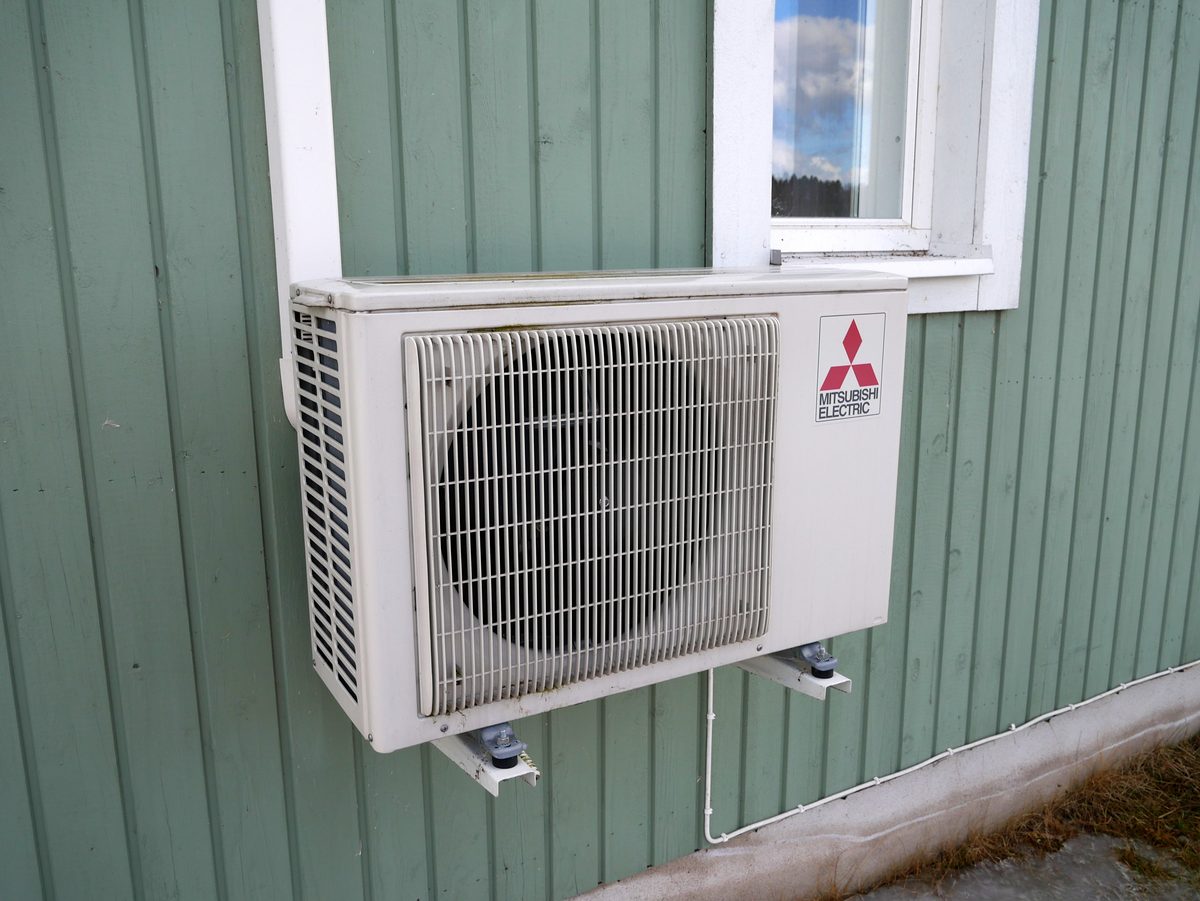
You may have seen the word inverter on a mini-split air conditioner and wondered what it means. Does it change how the system cools? Does it matter for comfort or for your electricity use? The short answer is yes, it matters. Inverter technology changes how the compressor works, and that change affects how steadily your room stays cool, how quiet the system is, and how it handles humidity.
This article explains inverter technology in plain terms. You will learn what an inverter does, how it differs from an older fixed speed compressor, what it feels like in a real room, and what to ask when you are shopping for a mini-split.
What a Compressor Does
Every air conditioner has a compressor. The compressor is the heart of the system. It moves refrigerant through the coils so the system can pull heat out of your home and release it outside. In cooling mode, refrigerant absorbs heat from indoor air at the indoor coil, then carries that heat to the outdoor coil where it is released. The compressor keeps that cycle moving.
In an older fixed speed system, the compressor has only two states: fully on or fully off. When the room warms up, the compressor turns on at full power. It cools the room quickly, then turns off when the thermostat setting is reached. As the room warms up again, it turns on again at full power. This on and off pattern is called cycling.
Cycling works, but it has drawbacks. The room temperature swings up and down as the system turns on and off. Humidity control can suffer because the system does not run long enough in each cycle to remove much moisture. Starting up at full power each time also creates a small surge in electricity use and can be noisier than steady running.
What an Inverter Changes
An inverter changes the speed of the compressor instead of simply turning it on and off. Think of it like a dimmer switch for a light rather than a simple on and off switch. When the room is far from the thermostat setting, the compressor runs faster to close the gap. As the room approaches the setting, the compressor slows down and keeps running at a low, steady speed to hold the temperature.
That steady low speed running is the key difference. Instead of cooling in bursts, the system provides a continuous, gentle flow of cool air. The temperature stays closer to your setting, with fewer swings. Because the system runs longer at a low speed, it has more time to remove moisture from the air, which can make the room feel more comfortable even at the same temperature.
An inverter also lets the system respond to small changes. If the sun comes out and warms the room, the compressor speeds up a little. If a cloud passes and the room cools, it slows down again. You may not notice these adjustments, but you will notice the result: a room that feels even, without the warm spells between cycles that a fixed speed system can produce.
How It Feels in a Real Room
In a room with an inverter mini-split, the most common thing people notice is steadiness. The temperature does not swing as much. You do not get a blast of cold air followed by a warm wait. The air feels consistent, and the system is often quieter because the compressor and fan are not constantly starting and stopping at full power.
Humidity often feels better too. On a humid day, a fixed speed system may cool the air quickly but shut off before it has removed much moisture. The room can feel cool but clammy. An inverter system that runs longer at a low speed has more time to pull moisture out of the air. That can make a real difference in how comfortable the room feels, especially in the evening when humidity stays high.
Noise is another difference. Starting a compressor at full power creates a noticeable sound. An inverter system starts more gently and then settles into a low hum. The indoor unit fan also tends to run more steadily. If you plan to put a mini-split in a bedroom or a home office, that quieter, steadier operation is worth paying attention to.
Energy Use and Inverter Systems
Energy use is a common reason people ask about inverter technology. A system that can slow down when the cooling need is small often uses less electricity over a full day than a system that cycles on and off at full power. That is because it avoids repeated full power starts and because it does not overcool the room and then wait for it to warm up again.
How much you save in practice depends on how you use the system, how well your home is insulated, and how hot the weather is. A system that runs steadily in a well insulated room will use energy differently from one that runs in a leaky sunroom on the hottest day of the year. The inverter helps in both cases, but it cannot overcome poor insulation, leaky ducts in a central system, or a unit that is sized wrong for the room.
Your habits matter too. Setting a reasonable temperature, keeping the filter clean, closing blinds on sunny windows, and turning off the unit in empty rooms all affect energy use. An inverter system rewards steady use. If you constantly turn it on and off or set it very low to try to cool faster, you lose much of the benefit. Set it to your comfortable temperature and let it work steadily.
Heating With an Inverter Mini-Split
Many inverter mini-splits can also heat. In heating mode, the system runs in reverse, pulling heat from outdoor air and bringing it inside. This sounds odd on a cold day, but there is still heat in outdoor air even when it feels cold to you. The inverter helps here too, because it can adjust the compressor speed to match the heating need.
In mild winter weather, an inverter mini-split can heat a room well and keep the temperature steady. In very cold weather, its heating output drops and it may struggle to keep up, depending on the model and your climate. Some models are built for colder climates and perform better in low temperatures than others. If you plan to use the system for heat in winter, ask the contractor how it performs in your area on the coldest days.
Auxiliary heat is not part of most mini-splits. Unlike a central system that may have a furnace or electric heat strips as a backup, a mini-split relies on the heat pump cycle alone. That is fine in many climates, but in a cold climate you may need another heat source for the coldest weeks. A contractor in your area can tell you what is realistic for your home.
What to Look For When Shopping
When you shop for an inverter mini-split, ask the contractor to explain the efficiency rating in plain terms. Ratings let you compare models, but they are measured under test conditions that may not match your home. A higher rating generally means the system can cool with less electricity under those test conditions, but sizing, installation quality, and your habits matter just as much.
Ask about the size. An inverter system still needs to be sized correctly. A unit that is too small will run at high speed all the time and never reach your setting on hot days. A unit that is too large will cool quickly and then run at very low speed or cycle off, which can hurt humidity control. A contractor should measure your room, ask about insulation and windows, and check sun exposure before recommending a size.
Ask about noise levels. The maker will list a sound rating for the indoor and outdoor units. Lower is quieter. If the unit will go in a bedroom, ask to hear a similar model running if possible, or ask the contractor about the quietest setting. Ask about the remote and controls too. Some models offer a wall thermostat, a phone app, or a timer that lets you schedule the system to turn on before you come home.
Ask about the warranty and the installer. Inverter systems have electronic controls that a fixed speed system does not have. Proper installation matters, especially for the refrigerant lines and electrical connections. Choose a contractor who has installed inverter mini-splits before and who can explain the warranty for parts and labor.
Maintenance for Inverter Systems
Maintenance for an inverter mini-split is similar to maintenance for any mini-split. Clean the filter in the indoor unit regularly. Most filters are washable. Rinse them, let them dry fully, and put them back. A dirty filter blocks airflow and forces the compressor to work harder, which reduces the benefit of the inverter.
Keep the outdoor unit clear of plants, leaves, and debris. Gently rinse the fins with a garden hose if they get dirty. Schedule a yearly maintenance visit. A contractor can clean the coils, check refrigerant, clear the drain, and test the controls. Tell the contractor if you notice new noises, if the system seems to run at high speed all the time, or if it turns on and off frequently. Those signs can point to a sensor or control problem.
Do not try to repair the inverter electronics yourself. The outdoor unit contains high voltage parts and control boards that need a trained person. If the system shows an error code on the remote or the indoor unit, write down the code and call the contractor. That code helps the contractor find the problem faster.
Is Inverter Technology Worth It
For most people buying a new mini-split, inverter technology is worth it. It is now standard on many models, and it offers steadier comfort, better humidity control, and quieter operation than a fixed speed system. The benefit is most noticeable in a bedroom, a home office, or a living room where you spend a lot of time and where temperature swings are easy to feel.
It is not a fix for every problem. An inverter system will not fix a room with poor insulation, a unit placed in the wrong spot, or a system that is sized wrong. It will not cool a whole floor of closed rooms from a single indoor unit. But when the system is sized well, placed well, and used steadily, inverter technology makes the room feel more comfortable day to day.
If you are comparing two mini-splits and one has an inverter compressor and the other does not, ask the contractor to explain the difference in comfort and running cost for your specific room. In most cases, the inverter model will be the better choice for a room you use every day. Set a reasonable temperature, keep the filter clean, and let the system do what it was built to do: run steadily, quietly, and evenly.