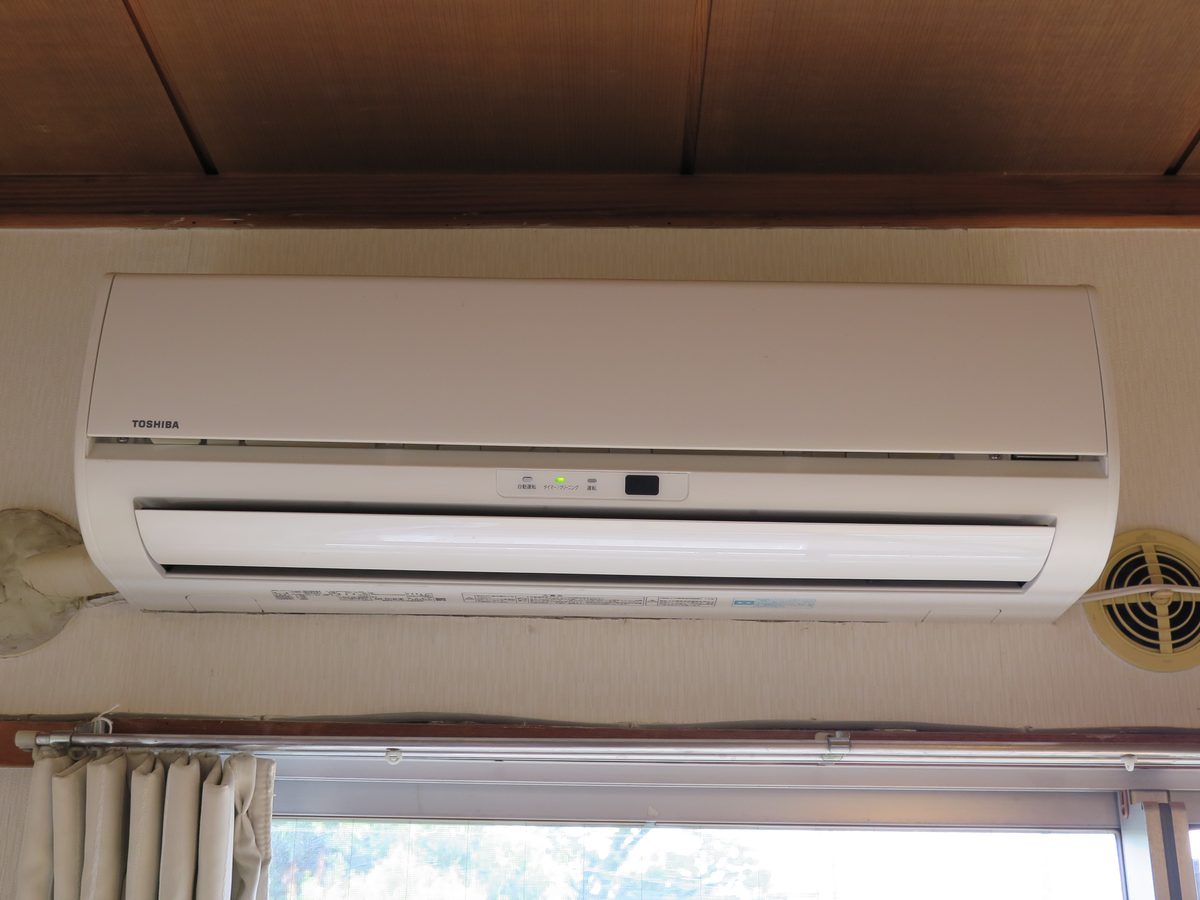
What if you could cool one room without ducts, without a large outdoor unit in the way, and without cooling the whole house? That is the idea behind a mini-split air conditioner. A mini-split is a ductless system that heats and cools a single room or a small group of rooms. It has an indoor unit mounted on a wall or ceiling and a smaller outdoor unit connected by a narrow line set.
Mini-splits have become common in homes that have no ductwork, in additions and converted garages, in home offices, and in older homes where adding ducts would be difficult. This guide explains how they work, what the parts do, when they are a good fit, what to ask a contractor, and how to keep one running well.
How a Mini-Split Works
A mini-split works on the same basic idea as a central air conditioner. Refrigerant carries heat from inside your home to the outside in cooling mode, and from outside to inside in heating mode if your model can heat. The difference is how the air is delivered. Instead of pushing air through ducts, the indoor unit blows conditioned air directly into the room where it is mounted.
The indoor unit contains a coil and a fan. The outdoor unit contains the compressor and a fan. A line set with refrigerant lines, a drain line, and a control wire runs between them through a small hole in the wall. Because there are no long ducts, there is no duct leakage to waste cooled air. That direct delivery is one reason mini-splits can feel effective in the room they serve.
Most mini-splits use inverter technology. The compressor can change its speed to match the cooling need rather than simply turning fully on or fully off. When the room is close to the thermostat setting, the compressor slows down and runs steadily at a low level. That steady running can keep the temperature even and help control humidity. It also avoids the frequent on and off cycling that can make a room feel uneven.
The Main Parts You Will See
The indoor unit is the part you notice most. Wall mounted units are the most common. They sit high on a wall and blow air across the room. They are quiet, slim, and come with a remote control. You can set the temperature, fan speed, and direction of airflow from the remote. Some models also connect to a wall thermostat or a phone app.
Floor mounted and ceiling mounted indoor units are also available. A floor unit sits low on a wall near the floor and is a good choice for rooms where wall space is limited or where a wall unit would be hard to reach. A ceiling cassette sits in the ceiling and blows air in several directions. It works well in larger open rooms and in spaces where you want the unit out of sight.
The outdoor unit sits outside the home, on a pad or mounted on a wall bracket. It should have clear space around it for airflow, just like a central system outdoor unit. Keep plants, leaves, and stored items away from it. In snowy areas, the outdoor unit should be raised above the level where snow piles up, and the area around it should be kept clear in winter.
The line set is the connection between the two units. It is usually covered by a slim plastic cover on the outside wall, which keeps it neat and protects it from weather. The length of the line set matters. A contractor will plan the shortest practical route between the indoor and outdoor units.
Single Zone and Multi Zone Systems
A single zone system has one outdoor unit and one indoor unit. It serves one room or one open area. This is the simplest setup and a good choice for a home office, a bedroom, an addition, or a garage conversion. You control that room on its own, without affecting the rest of the house.
A multi zone system has one outdoor unit connected to several indoor units, each in a different room. Each indoor unit has its own control, so you can cool a bedroom at night while leaving a living room at a warmer setting. Multi zone systems are useful for homes where several rooms need cooling but ducts are not practical. They do cost more than a single zone system, and the outdoor unit must be sized to handle the combined load of all the indoor units.
Zoning is one of the main advantages of mini-splits. In a home with central air, the whole house is often cooled to one temperature even if only one room is in use. With mini-splits, you cool only the rooms you are using. That control can help you manage electricity use, as long as you remember to turn off or set back units in empty rooms.
When a Mini-Split Is a Good Fit
Mini-splits are a good fit when your home has no ducts and adding them would be costly or disruptive. Older homes, homes with hot water heat, and homes with additions often fall into this group. They are also a good fit for a single room that is always too warm or too cold, such as a sunroom, a finished attic, or a room above a garage.
They are also useful as a supplement to a central system. If your central system cools most of the house well but one room always lags behind, a mini-split in that room can fix the problem without replacing the whole central system or rebuilding ducts. A contractor can help you decide whether a supplement or a larger fix makes more sense.
Mini-splits are less ideal when you want to cool a large home with many small rooms and closed doors. Each indoor unit serves the room it is in. Air does not flow well through closed doors, so a single indoor unit cannot cool a whole floor of separate bedrooms. In that case, you may need several indoor units, which adds cost and complexity. A contractor can walk through your home and show you how many indoor units you would need.
What to Ask a Contractor
Ask the contractor to measure your rooms and look at insulation, windows, and sun exposure before recommending a size. A unit that is too small will run constantly and never reach your setting on hot days. A unit that is too large will cool quickly, shut off, and leave humidity behind. Proper sizing matters just as much for a mini-split as it does for a central system.
Ask where the indoor unit will go. Placement affects comfort. A wall unit should blow air across the room, not directly at a bed or a desk where you sit all day. It should not be blocked by tall furniture or curtains. Ask where the outdoor unit will go and how the line set will be routed. A neat, short route with a cover looks better and is easier to maintain.
Ask about the electrical work. A mini-split needs its own electrical circuit. The contractor should explain whether your electrical panel has room for it and what the work involves. Ask about the drain. The indoor unit removes moisture from the air, and that water must drain away. The contractor should show you where the drain goes and how it will be kept clear.
Ask about the warranty. There may be a parts warranty from the maker and a labor warranty from the installer. Ask how long each lasts, what they cover, and who to call if something goes wrong. Keep the paperwork, the model and serial numbers, and the installation date in one place.
Installation: What to Expect
Installation of a single zone mini-split is often faster than installing a central system because there are no ducts to build. The contractor will mount the indoor unit, drill a small hole for the line set, place the outdoor unit, connect the lines, test for leaks, and check the electrical connections. The work usually takes a day or less for a single zone system. A multi zone system takes longer because there are more indoor units to mount and connect.
Expect some dust and noise during installation, especially when the hole is drilled. The contractor should protect your floors and clean up afterward. Before the contractor leaves, ask them to show you how to use the remote, how to change the filter, and how to set the modes. Try changing the temperature and fan speed yourself while they are still there so you are comfortable with the controls.
After installation, watch how the room feels over the first few days. The system may take time to bring a hot room down to a comfortable temperature the first time it runs. Once the room is at your setting, it should hold that temperature steadily. If one part of the room feels much warmer than another, try adjusting the direction of airflow or the fan speed before you assume something is wrong.
Daily Use and Maintenance
Daily use is simple. Set the temperature you want and let the system run. Avoid setting it very low to try to cool faster. The system cools at its own pace, and a very low setting only makes it run longer. Use the fan mode to move air on mild days when you do not need cooling. Use the dry mode on humid days when the air feels sticky but not hot.
Clean the filter in the indoor unit regularly. Most mini-split filters are washable. Slide them out, rinse them with water, let them dry fully, and slide them back in. Check the maker instructions for your model. A clean filter keeps airflow strong and helps the system cool well. In a home with pets or dust, you may need to clean the filter more often.
Keep the outdoor unit clear of plants, leaves, and debris. Gently rinse the outside fins with a garden hose if they get dirty. Do not use a pressure washer. Schedule a maintenance visit once a year. A contractor can clean the coils, check refrigerant, clear the drain, and test the system before the hot season.
If you notice water dripping from the indoor unit, ice on the lines, new noises, or a smell when the system runs, turn it off and call a contractor. Water inside usually means a clogged drain. Ice usually means low airflow or low refrigerant. A smell can mean mold on the coil or filter. These problems are easier to fix when they are caught early.
Costs to Think About
The cost of a mini-split depends on the number of zones, the size of the units, the length of the line set, and the electrical work needed. A single zone system costs less than a multi zone system. A straightforward install with a short line set costs less than one that requires a long run or difficult access. Get written quotes from more than one contractor and compare what is included, not just the bottom line.
Running costs depend on how you use the system. Cooling only the rooms you use, keeping filters clean, and setting a reasonable temperature all help manage use. A system that runs steadily at a low speed often uses less electricity than one that is constantly turned on and off or set very low.
A mini-split is not the cheapest way to cool a home, but it is often the most practical way to cool a home without ducts or to fix a single room that never stays comfortable. If that matches your home, talk to a contractor, get a careful sizing, and ask to see a similar install if possible. A well placed mini-split can make a hard to cool room comfortable for years.