Find A Contractor
Filter nearby cities:
Or search by ZIP code:
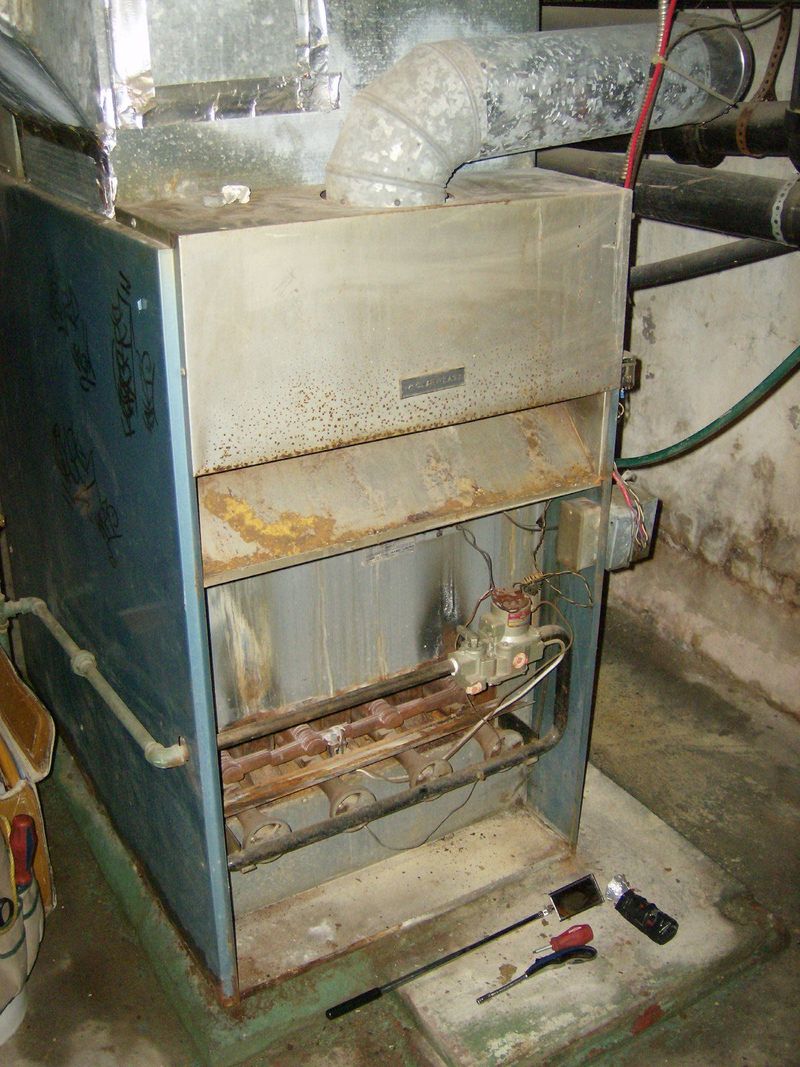
Before you hire anyone to work on the heating and cooling system in your Bairdford home, there is a short paper trail worth understanding: licenses, permits, and warranties. These are not just formalities. They are the protections that separate a job done to code by an insured professional from a job that leaves you with no recourse if something goes wrong. Pennsylvania winters are cold and summers are humid, so the furnace, heat pump, or central air conditioner in your home is not a minor appliance. It involves gas, electricity, and refrigerant, and the work should be done by someone who is licensed, insured, and willing to put the details in writing.
Many homes in Bairdford use a furnace paired with central air conditioning, sharing ducts and a blower. Others use a heat pump that heats in winter and cools in summer. Some older homes use a boiler with radiators. Whatever system you have, the same paperwork questions apply: is the contractor licensed and insured, does the job need a permit, what does the warranty cover, and will you get the estimate and the final invoice in writing? This guide explains each piece in plain terms, so you can ask for it with confidence.
Licensing and insurance: the first check
A license is a basic sign that a contractor has met the requirements to do this work in Pennsylvania. Insurance is a basic sign that you are protected if something goes wrong on the job. Ask to see proof of both before work begins. A contractor that is licensed and insured will not hesitate to show you. A contractor that cannot show proof, or that asks you to overlook the question, is a contractor to avoid.
Ask also about the technicians who will actually do the work. Are they trained on furnaces, heat pumps, and central air conditioning? Do they work for the company, or are they brought in for the job? You do not need a detailed resume, but a clear answer tells you whether the company stands behind the people it sends to your home. If a company will not answer these questions, that silence is itself an answer.
What to ask about licensing and insurance
- Are you licensed to do HVAC work in Pennsylvania, and can I see proof?
- Are you insured, and does the coverage include the work in my home?
- Who will do the work, and what training do they have on my type of system?
- Will you put the scope of work and the estimate in writing before you start?
- What happens if you find something unexpected once the work begins?
Keep a copy of the license and insurance information with the rest of your paperwork for the job. If you ever need to make a warranty claim or sell the home, that record will save you time.
Permits and inspections: why they exist
A permit is permission from the local authority to do work that affects the safety of the home, and an inspection is a check that the work met local code. Heating and cooling work can involve gas lines, electrical wiring, venting, and refrigerant, so some jobs require a permit and some do not. A replacement, a new gas line, or a change to venting is more likely to need a permit than a simple repair. Ask the contractor whether your job needs one and who will obtain it.
A contractor that handles the permit step is easier to work with than one that leaves it to you without explanation. The permit adds a step and a fee, but it also creates a record that the work was inspected. That record protects you if you sell the home, and it protects the next owner as well. If a contractor suggests skipping a permit to save time or money, treat that as a warning sign. The short-term saving is not worth the risk of uninspected gas or electrical work.
Ask when the inspection will happen and whether the system will be tested after the work is done. A proper installation ends with testing: the system should run through a full heating or cooling cycle, the airflow should be checked at the vents, and the thermostat should control the system as expected. Ask the technician to walk you through the test and to explain any settings you will need to use.
Warranties in plain language
Most heating and cooling warranties have two parts. The manufacturer warranty covers parts, such as the compressor, the heat exchanger, or the blower motor. The contractor warranty covers labor, which is the work of installing or repairing the equipment. These two warranties often last for different lengths of time, and they often have different conditions. Ask how long each one lasts, what each one covers, and what could void the coverage.
Skipping scheduled maintenance can affect some manufacturer warranties, so ask what maintenance the manufacturer expects and keep a record of each visit. Ask who to call if something fails during the warranty period: the manufacturer, the contractor, or both? Ask whether the warranty covers the full cost of the part and the labor, or only part of it. Get the warranty terms in writing, and keep them with the invoice and the permit.
Paperwork to keep for every job
- The written estimate, naming the work, the parts, and the labor.
- The final invoice, with the date and the total for the work done.
- The permit, if one was required, and the inspection record.
- The warranty papers for parts and for labor.
- The model and serial numbers of any new equipment.
- Notes on any settings the technician changed and any maintenance due next.
Keep these papers in one folder. A single folder for heating and cooling is easier to find than a drawer of loose receipts, and it will matter when you need warranty service or when a future buyer asks about the system.
How to compare contractors on paperwork, not promises
When you are choosing between two or three contractors for a larger job, compare their paperwork as well as their prices. A written quote that names the equipment model, the size, the scope of work, the permit step, and the warranty terms is more useful than a verbal figure. A contractor that explains how the system size was chosen, based on the home, its insulation, its windows, and its layout, is more careful than one that copies the size of the old unit without a check.
Be cautious if a contractor asks for full payment before work begins, refuses to give a written quote, or cannot show proof of licensing and insurance. Be cautious, too, if a technician finds a long list of urgent problems on a first visit without showing you what was found. A second opinion is reasonable when the recommended work is expensive, and a trustworthy contractor will welcome questions rather than rushing you to decide.
Maintenance and the warranty link
Regular maintenance protects the system and the warranty at the same time. Schedule a professional visit in the fall before the heating season and in the spring before the cooling season. Between visits, change the filter on the schedule in your system manual, keep vents and returns clear of furniture, and keep the outdoor condenser unit free of leaves and debris. Keep the area around the indoor unit dry and clear.
If you smell gas, leave the home and call your gas utility or emergency services from outside. If you see water pooling near indoor equipment, turn the system off and call a contractor. For smaller changes, note the date and the details and book a visit in the near term. In Bairdford, a heating and cooling job done with a licensed and insured contractor, a proper permit where one is needed, a written estimate, and a clear warranty is a job you can live with for years. Ask for the paperwork, read it, and keep it. That habit is the simplest protection a homeowner has.
Map of Bairdford, Pennsylvania
Related Guides