Find A Contractor
Filter nearby cities:
Or search by ZIP code:
Does your Bainbridge home feel sticky in summer even when the air conditioner is running, or dry and stuffy in winter when the heat is on? If so, the problem may not be the temperature on the thermostat. It may be the air itself. Pennsylvania summers bring humidity that can make a home feel uncomfortable at a temperature that should feel fine, and Pennsylvania winters bring dry indoor air that can irritate throats and dry out skin. Heating and cooling equipment does more than change the temperature. It also moves air, filters it, and removes or adds moisture. When that part of the job is not working well, comfort suffers even when the system seems to be running.
Many homes in Bainbridge use a furnace with central air conditioning, or a heat pump that handles both heating and cooling. In both cases, the same ducts, blower, filter, and thermostat serve the whole house. That shared setup means a problem in one area can affect the rest. A clogged filter reduces airflow. A dirty coil reduces cooling and moisture removal. Leaky ducts pull in air from unconditioned space. Understanding these links helps you describe a problem clearly and helps a technician find the cause faster.
Humidity in a Pennsylvania summer
Central air conditioning cools air and removes moisture at the same time. When the system is working well, the home feels cool and dry. When airflow is weak, the coil is dirty, or the system is the wrong size for the home, the air can stay damp even as the temperature drops. A home that feels clammy, a musty smell near vents, or condensation on windows can all point to a humidity problem rather than a temperature problem.
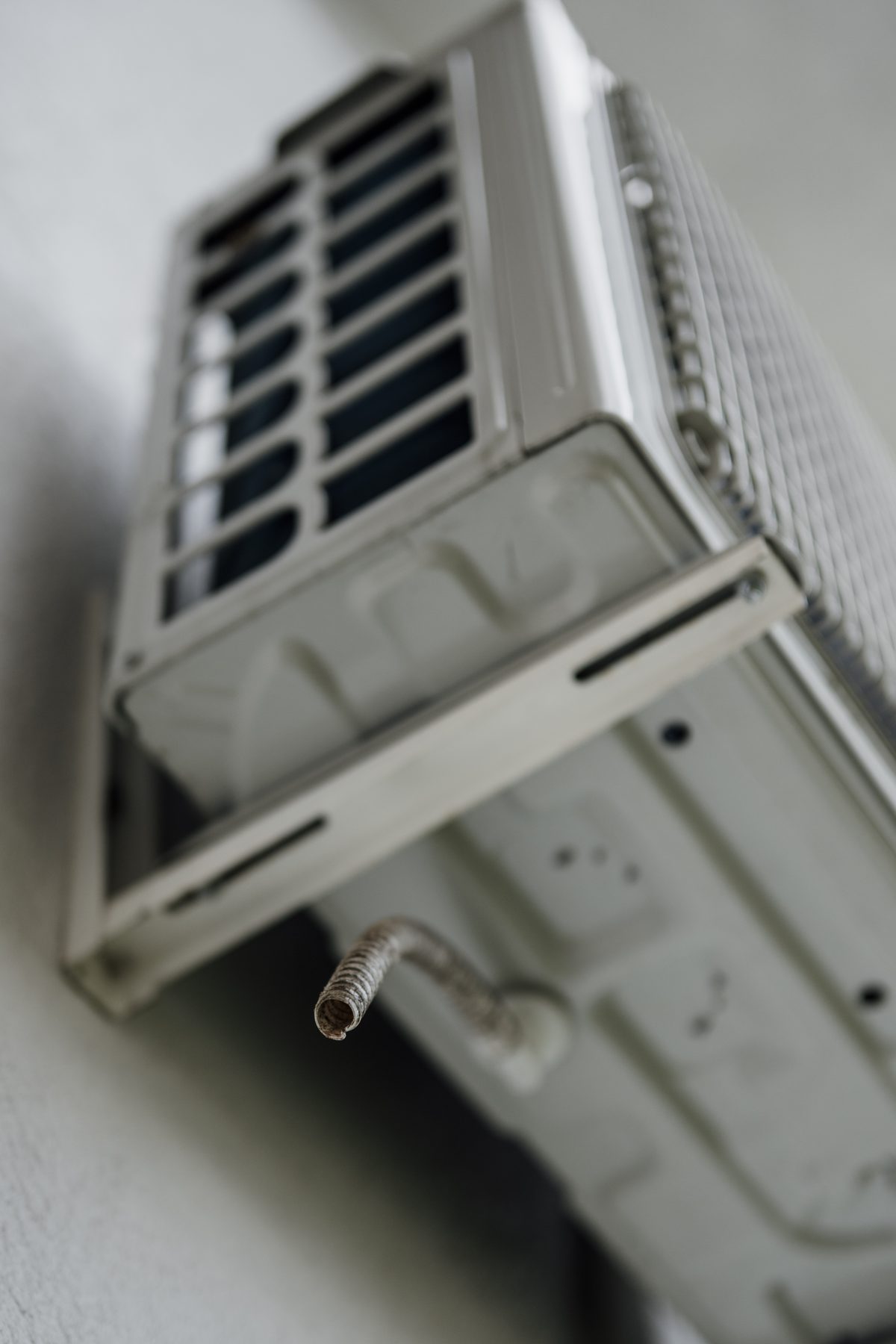
Start with the basics. Change the filter on the schedule in your system manual, because a dirty filter restricts airflow and reduces moisture removal. Keep supply vents open and clear of furniture and rugs. Keep the outdoor condenser unit clear of leaves and debris. If the indoor coil freezes, which you may notice as weak airflow or water around the indoor unit, turn the system off and call a contractor. Running a frozen system can cause water damage and make the problem worse.
Everyday steps for better indoor air
- Change the filter on schedule, and more often if you have pets or allergies.
- Keep vents and returns open and free of furniture, curtains, and clutter.
- Run bathroom exhaust fans during and after showers to vent moist air outside.
- Keep the outdoor unit clear of leaves, grass, and shrubs.
- Watch for water near the indoor unit, which can mean a clogged drain line.
- Note any musty smells and when they appear, so you can describe them to a technician.
Ventilation matters too. A home that is sealed tightly can trap indoor pollutants, cooking odors, and moisture. A home that leaks too much can pull in humid outdoor air in summer and cold drafts in winter. A contractor can look at how air moves through your home and suggest practical steps, such as sealing duct leaks or improving ventilation, without turning the house into a construction project.
Dry air in winter and what to do about it
Winter brings the opposite problem. Cold outdoor air holds little moisture, and heating it dries it further. That dry indoor air can leave throats scratchy, skin dry, and woodwork prone to shrinking. Some homes use a humidifier attached to the heating system to add moisture in winter. Others rely on portable units in bedrooms. Either approach needs regular cleaning, because a humidifier that is not maintained can become a source of problems itself. Ask a contractor whether a whole-home humidifier fits your system, how it would be maintained, and what it would cost to install and run.
Do not try to fix dry air by turning the heat up and down in large swings. Steady thermostat settings help the system run in longer, more even cycles, which keeps temperature and humidity more stable. If the air feels very dry, a simple hygrometer can tell you the indoor humidity level, and that reading gives a technician useful information when you call.
Filters, dust, and airflow
The filter is the simplest and most overlooked part of indoor air quality. Its job is to catch dust and debris before they reach the blower and the coil. A clean filter lets air move freely. A clogged filter chokes airflow, makes the blower work harder, and can leave rooms uncomfortable. Check the filter monthly during heavy use, and change it when it looks dirty. If someone in the household has allergies, ask a contractor which filter type fits your system, because a filter that is too dense for the blower can restrict airflow just as a dirty filter does.
Ductwork affects air quality as well. Dust can collect in ducts, and leaks can pull in air from attics, basements, or crawl spaces. Sealing duct connections and keeping the area around the indoor unit clean can help. Duct cleaning is sometimes recommended, but it is not needed in every home. Ask a contractor to explain why it is being suggested for your home and what it would include, rather than accepting it as a routine add-on.
When to call a contractor in Bainbridge
Call for help if the system stops heating or cooling, if you see water pooling near indoor equipment, if you hear a loud banging or grinding sound, or if a musty smell persists after you have changed the filter and cleared the vents. If you smell gas, leave the home and call your gas utility or emergency services from outside. For smaller changes, such as a room that feels stuffier than the rest or a new hum from the blower, note the date and the details and book a visit in the near term.
When you call, describe the comfort problem in your own words. Is the air damp, dry, dusty, or stale? Which rooms are affected? When did the change start? A contractor that asks these questions is trying to find the cause, not just the symptom. Ask whether the company is licensed and insured in Pennsylvania, whether it works on your type of system, and whether it will put the estimate in writing before work begins.
Questions about air quality and humidity
- Is my system removing enough moisture in summer, and how can you tell?
- Would a different filter type help, or would it restrict airflow?
- Are my ducts leaking, and would sealing them improve comfort?
- Would a humidifier help in winter, and how would it be maintained?
- What maintenance does my system need each fall and spring?
- What warranty covers the parts and labor for this work?
Maintenance that supports cleaner, more comfortable air
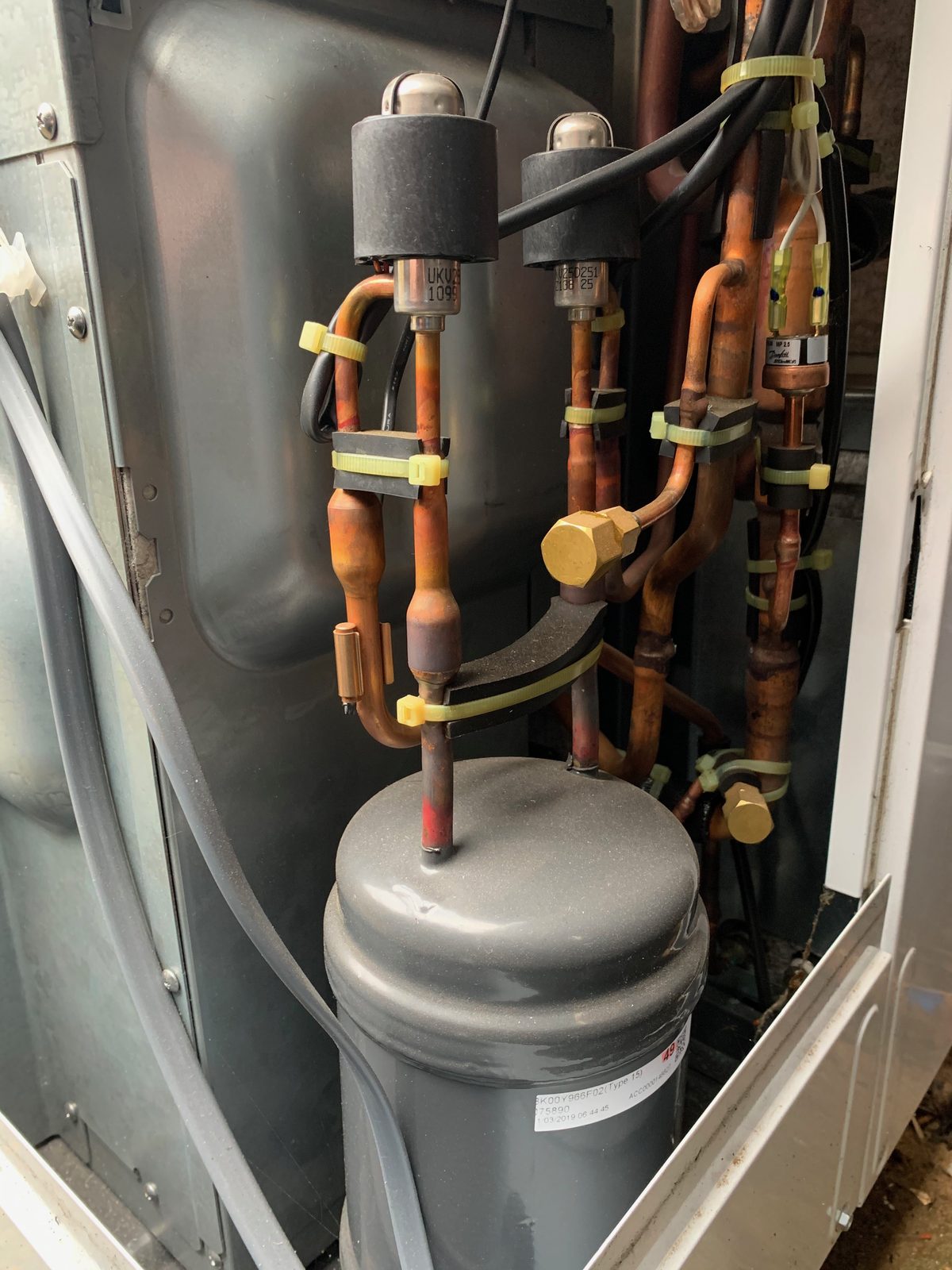
Professional maintenance twice a year is the backbone of good indoor air. A fall visit prepares the heating side: cleaning, checking safety controls, and testing the system before cold weather arrives. A spring visit prepares the cooling side: cleaning the outdoor condenser, checking the refrigerant circuit, and confirming airflow at the vents. Between visits, change filters on schedule, keep vents clear, and keep the outdoor unit free of debris.
In Bainbridge, where summers are humid and winters are dry, comfort depends on more than the number on the thermostat. It depends on airflow, filtration, and moisture control working together. Pay attention to how the air feels, not just how warm or cool it is. Note changes early, ask direct questions, and get estimates in writing. A system that is maintained, with clean filters and sound ductwork, is more likely to keep your home feeling comfortable through every season of the Pennsylvania year.
Map of Bainbridge, Pennsylvania
Related Guides