Find A Contractor
Filter nearby cities:
Or search by ZIP code:
Is your Altoona home ready for another Pennsylvania winter, or are you hoping the furnace makes it through one more season? That is a question many homeowners here ask each fall, and it is worth answering honestly before the cold arrives. Altoona sits in a part of Pennsylvania where winters are cold and summers turn warm and humid, so heating and cooling equipment does not get much rest. A furnace or heat pump that worked fine last year can still develop a problem over the summer, and an air conditioner that struggled in July may not be ready for the next heat wave. A little attention in the shoulder seasons goes a long way.
This guide is for Altoona homeowners who want a plain explanation of what HVAC contractors do, how home systems in this part of Pennsylvania usually work, and how to keep a system running well. You do not need to learn the trade to make good decisions. You need to know what the system should do, what a change in sound, airflow, or comfort might mean, and what to ask when you call for help.
What an HVAC contractor actually does
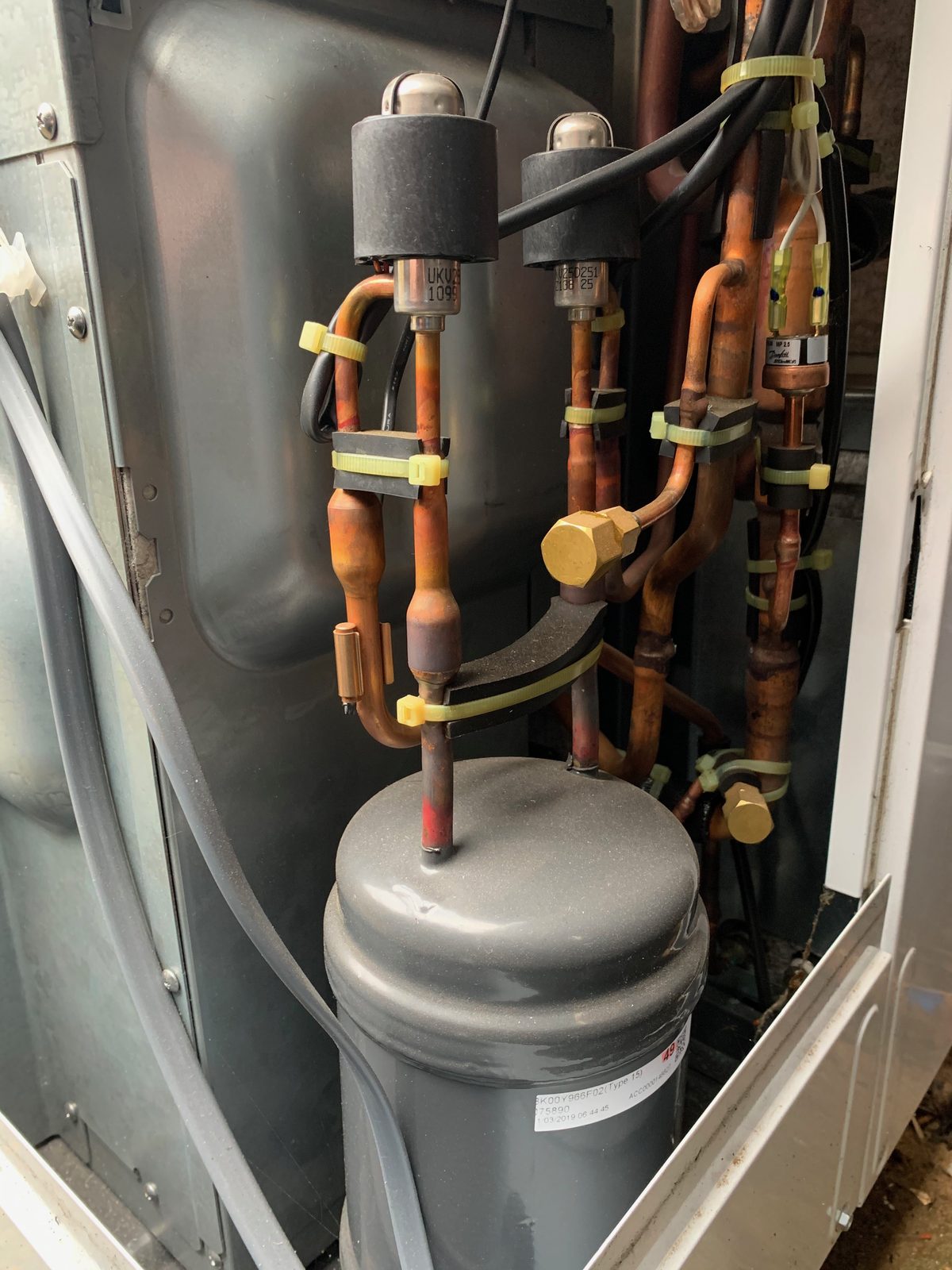
Heating, ventilation, and air conditioning are one system in most homes. The heating side may be a furnace, a heat pump, or a boiler. The cooling side is usually a central air conditioner or a heat pump running in reverse. Ducts, vents, filters, and the thermostat tie the parts together. When a contractor visits for maintenance, the work is preventive: cleaning, checking safety controls, testing the blower and the burner or compressor, and replacing a filter. When a contractor visits for a repair, the work is diagnostic: finding the failed part or the blocked airflow, explaining the cause, and fixing it.
Replacement is the third kind of visit, and it is the one that deserves the most thought. A new system is a long-term choice, and it should be sized for the home, not copied from the old unit without a check. A good contractor will measure the home, look at the ductwork, and talk through the options before asking you to decide. If a contractor pushes a replacement after a brief look and without explaining the diagnosis, ask for a second opinion.
The seasonal rhythm in Altoona
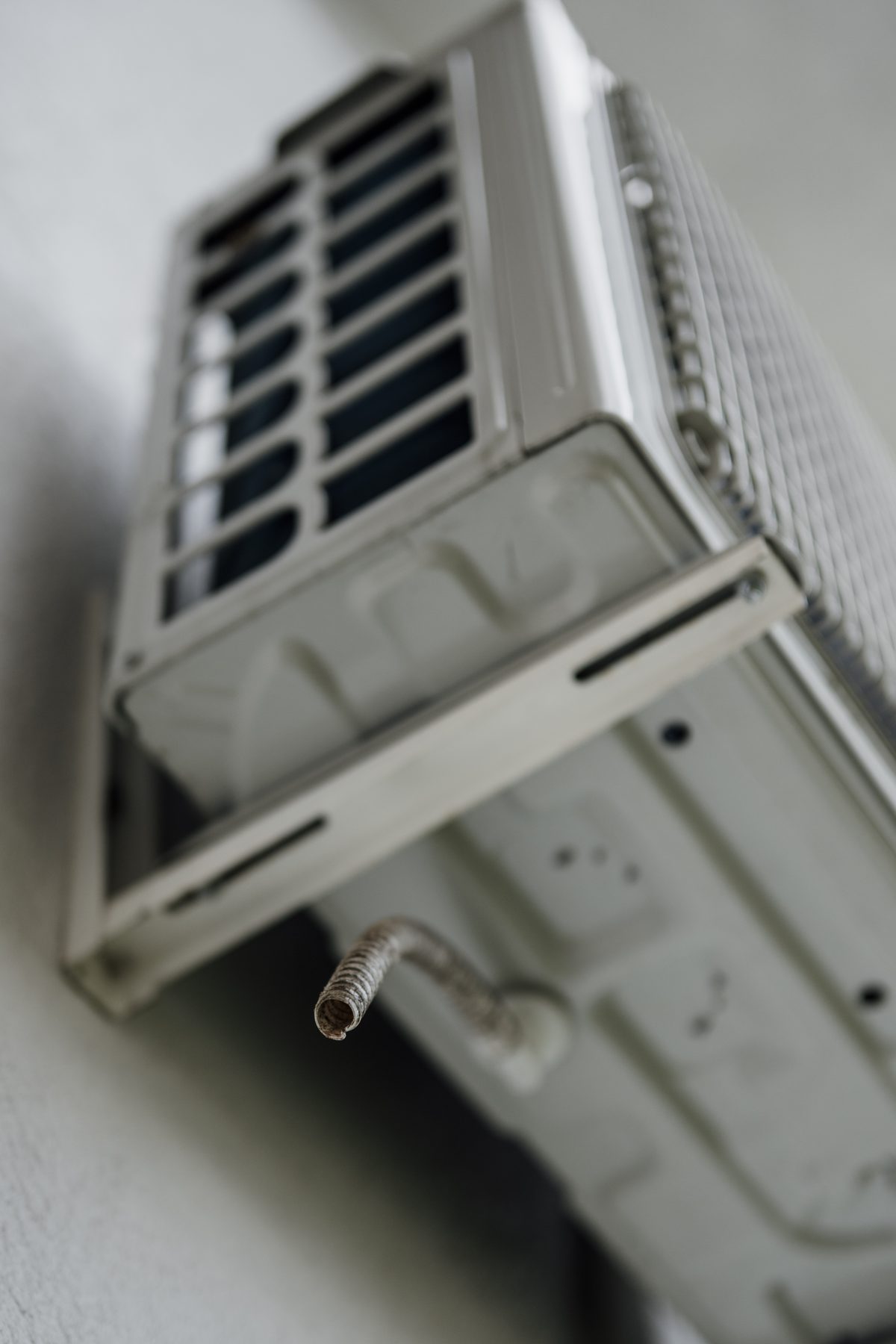
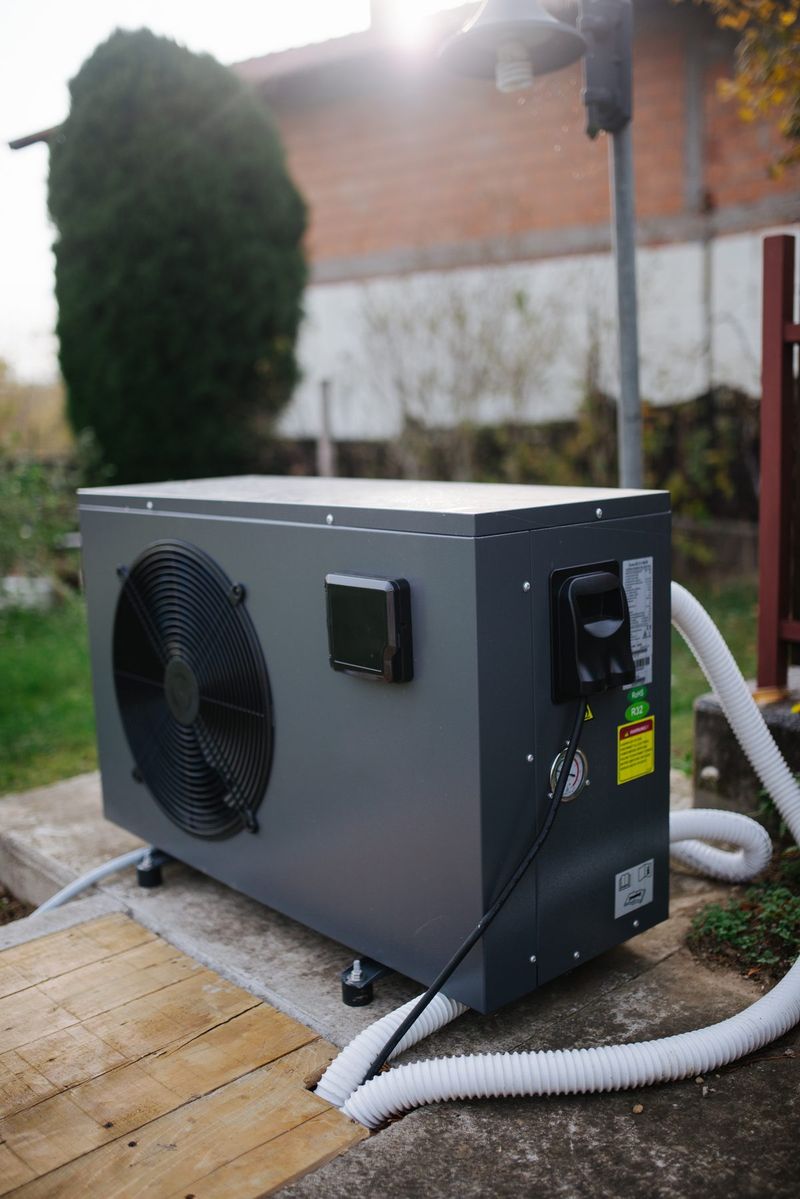
Fall is the best time to think about heat. A maintenance visit before the heating season lets a technician clean the furnace, check the burners, test the safety controls, and confirm that the system starts and runs as it should. Spring is the best time to think about cooling. A visit before summer lets a technician clean the outdoor condenser, check the refrigerant circuit, and confirm that airflow is strong at the vents. Doing this work in the shoulder seasons also means you are not competing with emergency calls on the hottest or coldest days.
Between professional visits, the filter is your main job. A dirty filter restricts airflow, makes the blower work harder, and can leave rooms uncomfortable. Change it on the schedule in your system manual, and check it more often if you have pets, if the home is dusty, or if someone in the household has allergies. Keep supply vents and return grilles clear of furniture and rugs. Keep the outdoor unit clear of leaves and tall grass, and keep the area around the indoor unit dry and uncluttered.
Everyday maintenance checklist
- Check the filter monthly during heavy use, and change it when it looks dirty.
- Keep vents and returns open and free of furniture, curtains, and clutter.
- Clear leaves and debris from around the outdoor condenser unit.
- Listen for new sounds when the system starts, and note when they began.
- Watch for water near the indoor unit, which can mean a clogged drain line.
- Keep the thermostat setting steady rather than swinging it up and down each day.
None of these steps replaces a professional visit, but together they reduce strain on the equipment and make it easier for a technician to spot a real problem. If you notice a change and you are not sure what it means, write it down with the date. A short note about when a noise started or when a room began feeling cold is more useful to a technician than a general sense that something seems off.
How to choose a contractor in Altoona
Look for a contractor that works in Altoona and the surrounding area and that handles the type of system you have, whether that is a furnace, a heat pump, a boiler, or central air conditioning. Ask whether the company is licensed and insured, and ask how its technicians are trained. Read the company website and notice whether it explains its services in plain language. Ask neighbors or coworkers who they have used, and ask whether the work was finished on time and the home was left tidy.
When you call, describe the problem in your own words and ask what the visit will include. Will the technician inspect the whole system or only the part you named? Will you get a written report? Will the estimate be in writing before work starts? A contractor that answers these questions clearly is easier to trust than one that gives vague answers or pressures you to book immediately. If the recommended repair is expensive, a second opinion is reasonable, and a good contractor will not object to it.
Questions to ask on the first call
- Do you service my type of system, and do you work in Altoona?
- What does a maintenance visit include, and what will it cost to diagnose a repair?
- Can you put the estimate in writing before the work begins?
- Are you licensed and insured in Pennsylvania?
- What warranty covers parts, and what covers labor?
- If the system needs a permit, who handles that step?
Reading a quote for a repair or a replacement
For a repair, the written quote should name the part to be replaced, the labor involved, and the warranty on both. Ask the technician to show you the failed part if possible, and to explain why it failed. A part can fail from age, from wear, or from another problem in the system, such as restricted airflow or an electrical issue. Fixing the part without fixing the cause can lead to the same failure again.
For a replacement, the quote should name the equipment model, the size, and everything included in the job: removing the old equipment, installing the new unit, updating the thermostat if needed, sealing duct connections, and testing the system after installation. Ask how the size was chosen. Proper sizing looks at the home, its insulation, its windows, and its layout. It does not simply copy the size of the old unit. A system that is too large will turn on and off too often. A system that is too small will run without ever catching up on a hot or cold day.
Licenses, permits, and paperwork
Heating and cooling work can involve gas lines, electrical wiring, and refrigerant, so it should be done by a licensed and insured contractor. Ask to see proof, and ask whether the job needs a permit from the local authority. A permit creates a record that the work was inspected and met local code. Keep the permit, the invoice, and the warranty paperwork in one place, and write down the model and serial numbers of any new equipment. That folder will save you time if you ever need warranty service or decide to sell the home.
Warranties have two parts in most cases: the manufacturer warranty on parts, and the contractor warranty on labor. Ask how long each lasts, what each covers, and what might void the coverage. Skipping maintenance can affect some warranties, so ask what maintenance the manufacturer expects and keep a record of each visit.
When to call right away
Some problems can wait for a scheduled visit. Others cannot. Call promptly if the system stops heating or cooling, if you smell gas, if you see water pooling around indoor equipment, or if you hear a loud banging or grinding sound. If you smell gas, leave the home and call your gas utility or emergency services from outside. If water is leaking, turn the system off and call a contractor before the water spreads.
For smaller changes, such as one room feeling cooler than the rest or a new hum from the blower, note the details and book a visit in the near term. The pattern that works best in Altoona is steady and unglamorous: maintain the system in fall and spring, change the filter, keep the vents clear, and call early when something changes. A system that gets regular attention is more likely to keep your home comfortable through a cold winter and a humid summer, and a contractor you trust is easier to reach when you need help most.
Map of Altoona, Pennsylvania
Related Guides