Find A Contractor
Filter nearby cities:
Or search by ZIP code:
When January cold settles over Allentown, a furnace that will not start is more than an inconvenience. It is the kind of problem that makes you wish you had asked a few questions back in October. Allentown winters are long and cold, and the heating system in a Pennsylvania home carries most of the load for months at a time. Summers add their own test, with heat and humidity that keep central air conditioning and heat pumps running through long afternoons. If you live here, it helps to know how your system works, what can go wrong, and how to pick a contractor before you need one in a hurry.
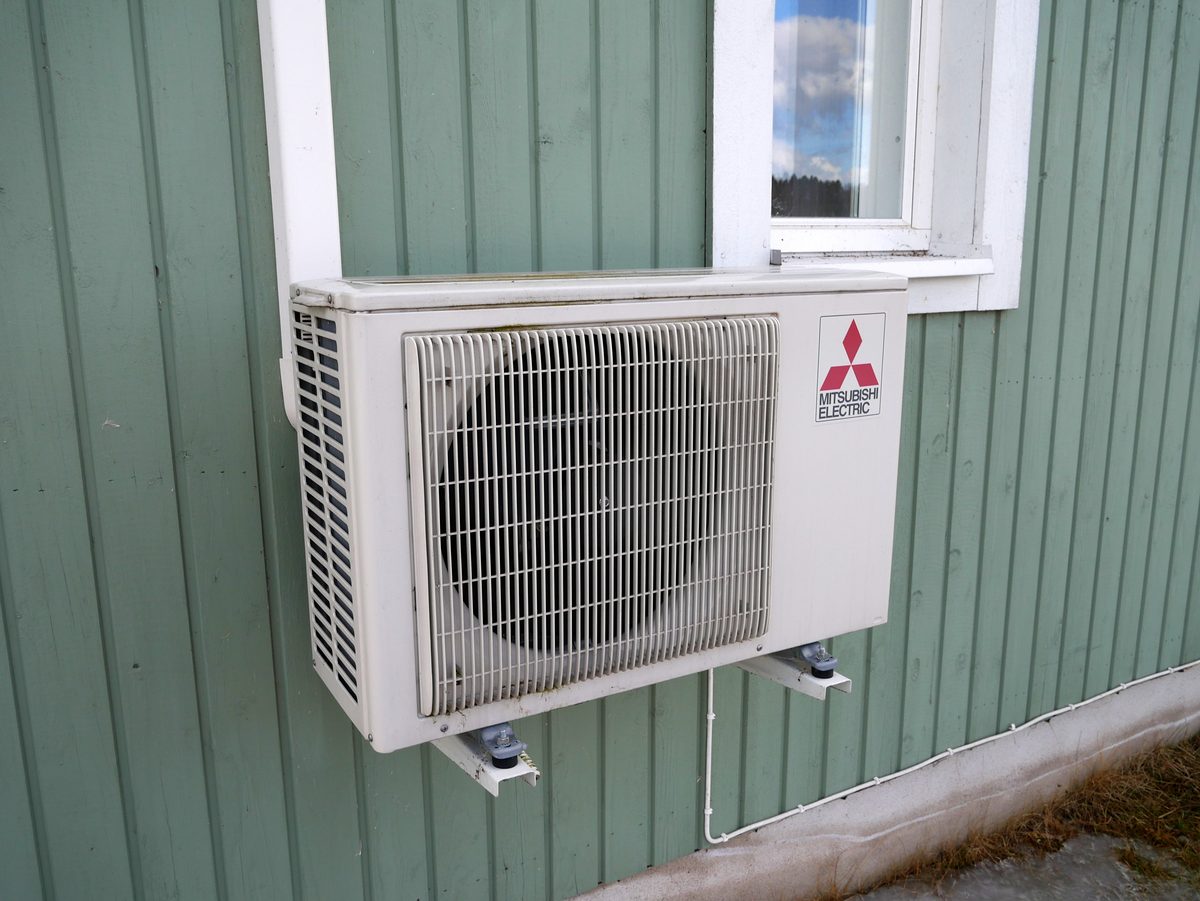
Many Allentown homes rely on a furnace for heat and a central air conditioner for cooling, sharing the same ducts and blower. Other homes use a heat pump that handles both jobs, moving heat into the house in winter and out of the house in summer. Some older homes still use a boiler with radiators, and some have a mix of systems that grew as the house changed over the years. None of these setups is right for every home. The right one depends on the layout of the house, the condition of the ductwork or piping, and how the home holds heat in winter and sheds it in summer.
Heating in an Allentown winter
A furnace creates heat and sends it through ducts to each room. A heat pump works differently: it moves heat from the outdoor air into the home, even when that air feels cold to you. In the milder stretches of a Pennsylvania winter, a heat pump can keep a home comfortable while using less fuel than a furnace. On the coldest nights, some heat pump systems need help from a backup heat source, and that is normal. The key question is not which system is best in theory, but which one fits your home, your ductwork, and the way you use each room.
Pay attention to how your home behaves on a cold night. Do the rooms farthest from the furnace stay cold while the rooms near the thermostat feel warm? Does the system run in long steady stretches, or does it turn on and off every few minutes? Does it make a new noise when it starts? These details help a technician narrow down the cause, and they help you describe the problem clearly when you call. Write down when the problem started, what you noticed, and whether anything changed recently, such as a new thermostat or a filter change.
Common heating problems to know
- A furnace that runs but blows lukewarm air, or air that never warms the rooms.
- A heat pump that runs constantly in cold weather without reaching the set temperature.
- A thermostat that shows one temperature while the rooms feel very different.
- A blower that sounds strained, or airflow that feels weak at several vents.
- A system that starts, stops, and starts again in short cycles.
- A smell of dust when the heat first comes on in fall, versus a smell that lingers or grows stronger.
A short dusty smell at the start of the heating season is common after months of disuse. A smell that persists, or any smell of gas, is different. If you smell gas, leave the home and call your gas utility or emergency services from outside. Do not try to find the leak yourself, and do not turn electrical switches on or off while you leave.
Cooling through a humid Allentown summer
Central air conditioning does two jobs at once: it cools the air and it removes humidity. In Allentown, the humidity part matters as much as the temperature. A home can feel sticky and uncomfortable even when the thermostat reads a reasonable number, if the system is not removing enough moisture. That is one reason airflow matters so much. A clogged filter, a dirty coil, or blocked vents can reduce airflow enough that the system cools poorly and leaves the air feeling damp.
Keep the outdoor condenser unit clear of leaves, grass, and shrubs, and keep indoor vents open and unblocked. Change the filter on the schedule your system manual suggests. If the indoor coil freezes, which you may notice as weak airflow or water around the indoor unit, turn the system off and call a contractor. Running a frozen system can make the problem worse and can lead to water damage.
Getting help without rushing the decision
When a system breaks down, the pressure to hire the first available contractor is real. You can still slow the process down enough to make a sound choice. Ask whether the contractor serves Allentown regularly, whether it works on your type of system, and whether it can give you a written estimate before work starts. Ask for proof of licensing and insurance. A contractor that is easy to reach, explains the work in plain language, and puts the scope in writing is usually a safer choice than one that asks you to decide on the spot.
For a repair, ask the technician to show you what failed and to explain the options. Sometimes a single part has failed and a repair makes sense. Sometimes the failed part is a sign that the system is near the end of its life, and a repair would only buy a short stretch of time. Age matters here. A system that has needed several repairs in recent years is a different case from a system that has run well for years and suddenly needs one part.
What to ask before any work begins
- What did you find, and what caused it?
- What are my options, and what does each one include?
- How long will the work take, and will the system be tested afterward?
- What warranty covers the parts, and what covers the labor?
- Do I need a permit, and who will handle it?
- What should I do to maintain the system after this visit?
How to read a written quote
A useful quote names the work, the parts, and the labor, so you can compare it with another quote for the same job. For a replacement, it should name the equipment model, explain how the size was chosen, and list what is included: removal of the old unit, a new thermostat if needed, ductwork changes, and testing after installation. If two quotes look very different, look for what one includes and the other leaves out, rather than assuming the lower one is the better deal.
Sizing deserves a direct question. A contractor should size a new system based on the home itself: its size, its insulation, its windows, and its layout. Sizing by the old unit alone can repeat an old error. A unit that is too large will cycle on and off too often, wear out faster, and cool or heat unevenly. A unit that is too small will run all day without reaching the set temperature. Ask how the contractor measured the home and what the result was.
Permits, warranties, and records
Heating and cooling work can involve gas, electricity, and refrigerant, so permits and inspections exist for a reason. Ask whether your job needs a permit and who will obtain it. Keep the permit, the invoice, and the warranty papers together, along with the model and serial numbers of new equipment. Warranties usually split into a manufacturer warranty on parts and a contractor warranty on labor. Find out how long each one lasts, what it covers, and what could void it, such as skipping scheduled maintenance.
Routine maintenance is the part of the system most homeowners can influence. Schedule a professional check in the fall before the heating season and in the spring before the cooling season. Between visits, change filters on schedule, keep vents clear, and keep the area around indoor and outdoor equipment clean and dry. These small habits do not prevent every breakdown, but they reduce strain on the system and give a technician a chance to spot a worn part before it fails on the coldest night of the year.
When to call a professional right away
Call promptly if the system stops heating or cooling entirely, if you smell gas, if you see water pooling near indoor equipment, or if the system makes a loud banging or grinding noise. Turn the system off if water is leaking or if a burning smell grows stronger, and call for help. For smaller changes, such as a room that is a little cooler than the rest or a filter that needs changing, you can note the details and schedule a visit in the near term. The habit that serves Allentown homeowners best is simple: do not wait for a small change to become a breakdown in the middle of a cold snap or a heat wave. Ask questions early, get the quote in writing, and keep the system maintained through the seasons.
Map of Allentown, Pennsylvania
Related Guides