Find A Contractor
Filter nearby cities:
Or search by ZIP code:
Did you just move into a house in Bellevue and realize you know nothing about the heating and cooling system that came with it? That is a common situation for new homeowners in Pennsylvania, where a furnace, heat pump, or central air conditioner may be years old, may have been serviced by someone else, or may have no paperwork at all. This guide for Bellevue, Pennsylvania is written for that moment: how to work out what system you have, what to check first, when to call an HVAC contractor, and how to avoid paying for work you do not need.
A new home brings a long list of jobs, and heating and cooling often sits near the bottom until the first cold night or the first humid week. By then, the system is under pressure and the homeowner is learning about it under stress. A short check soon after moving in, while the system is still running, is a calmer way to learn what you own. The sections below walk through that check, the systems common in Pennsylvania homes, and the questions that help a new owner choose a contractor with confidence.
First Steps in a New Bellevue Home
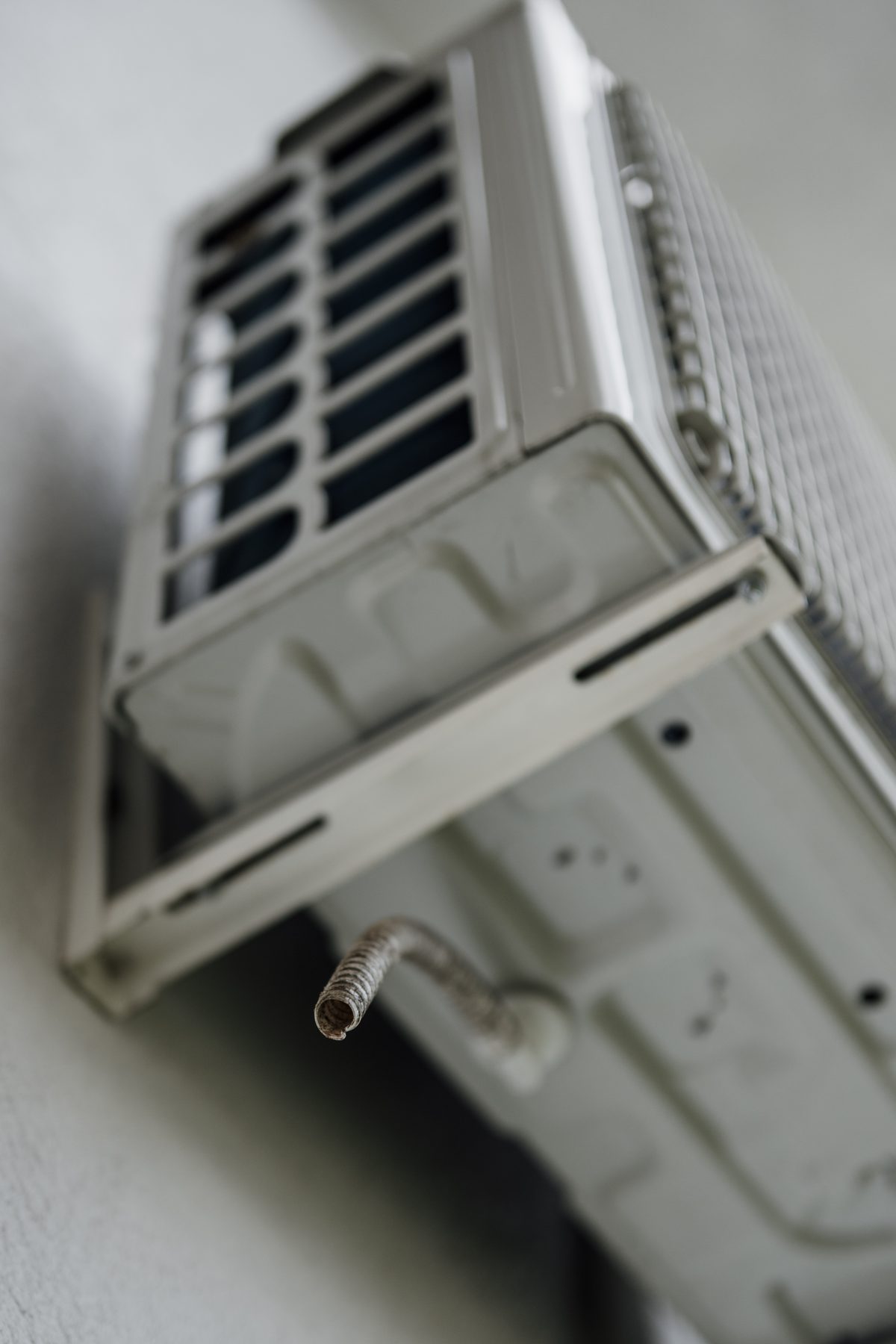
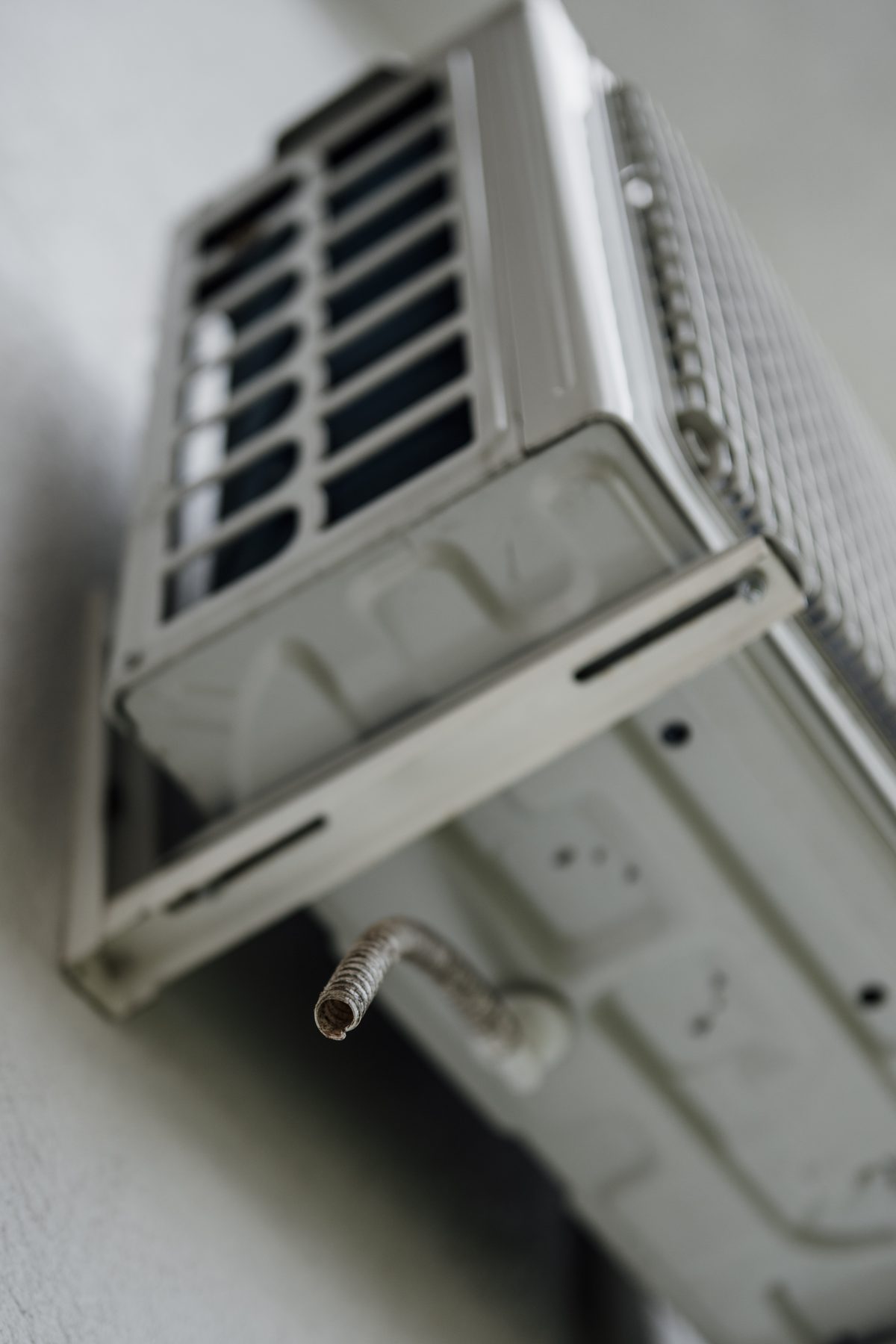
Start by finding the equipment. Look for the indoor unit, usually in a basement, utility room, or closet, and the outdoor unit if the home has a heat pump or central air conditioning. Find the thermostat and note its type. Look for a label on the indoor unit that shows the model and the install date, and take a photo of it for your records. Look for past service stickers or paperwork left near the unit, in a drawer, or in a folder from the previous owner. Any of those clues helps a contractor understand the system quickly.
Next, test the system in both modes if the season allows. Turn the heat on and listen for the blower, check that warm air reaches the vents, and note any new smells or sounds. In warm weather, test the cooling the same way. Do not run a system that makes a loud grinding noise, trips a breaker, or smells of gas. Turn it off and call a contractor instead. A short test while the weather is mild tells you far more than a guess made in the middle of winter.
What to Write Down
- The system type: furnace, heat pump, boiler, central air, or a mix.
- The model numbers and install date from the label, if readable.
- The age of the filter and when it was last changed, if you can tell.
- Which rooms feel warm or cool, and which feel different.
- Any sounds, smells, or leaks you notice, with the date.
- Any past service paperwork or stickers left by the previous owner.
Keep those notes in one folder with the house paperwork. They will save time on every contractor visit that follows.
Systems You Are Likely to Find
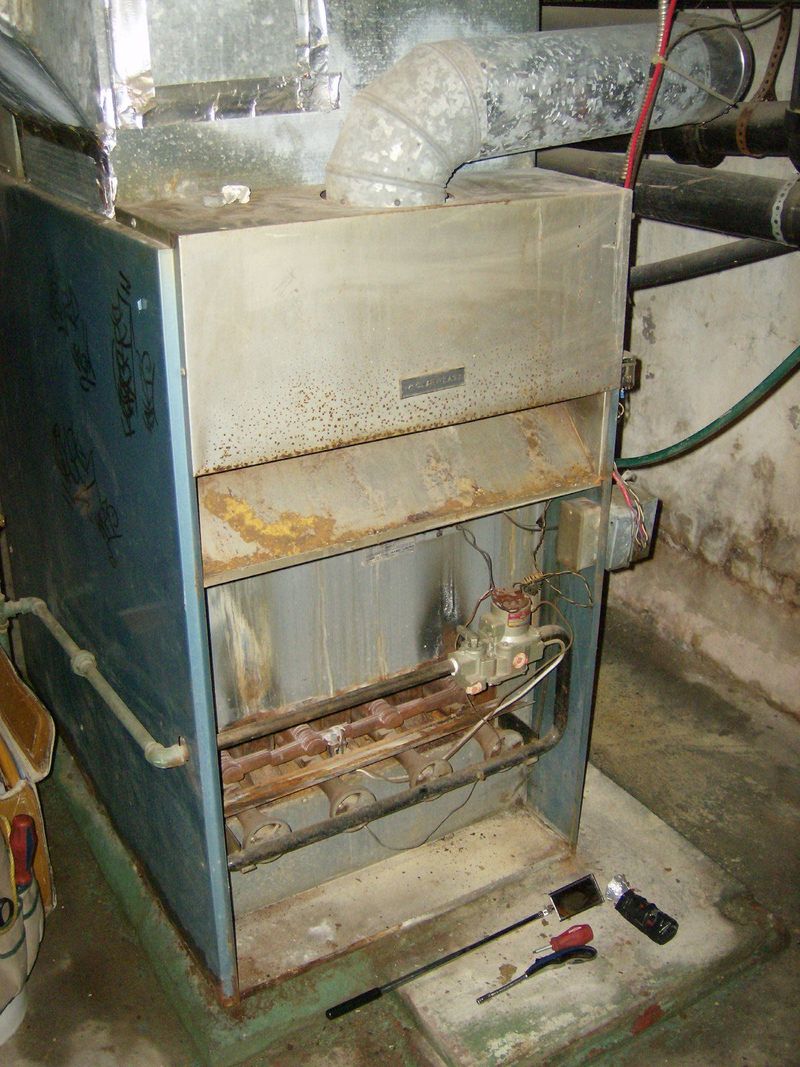
Many Pennsylvania homes heat with a furnace. A gas or oil furnace warms air in a heat exchanger and a blower pushes it through ducts. An electric furnace uses heating elements. All three rely on a clean filter and clear ducts. A furnace that short cycles, blows lukewarm air, or shuts off before the house is warm may have a thermostat fault, a dirty filter, a failing blower, or a safety control doing its job. Each of those has a different fix.
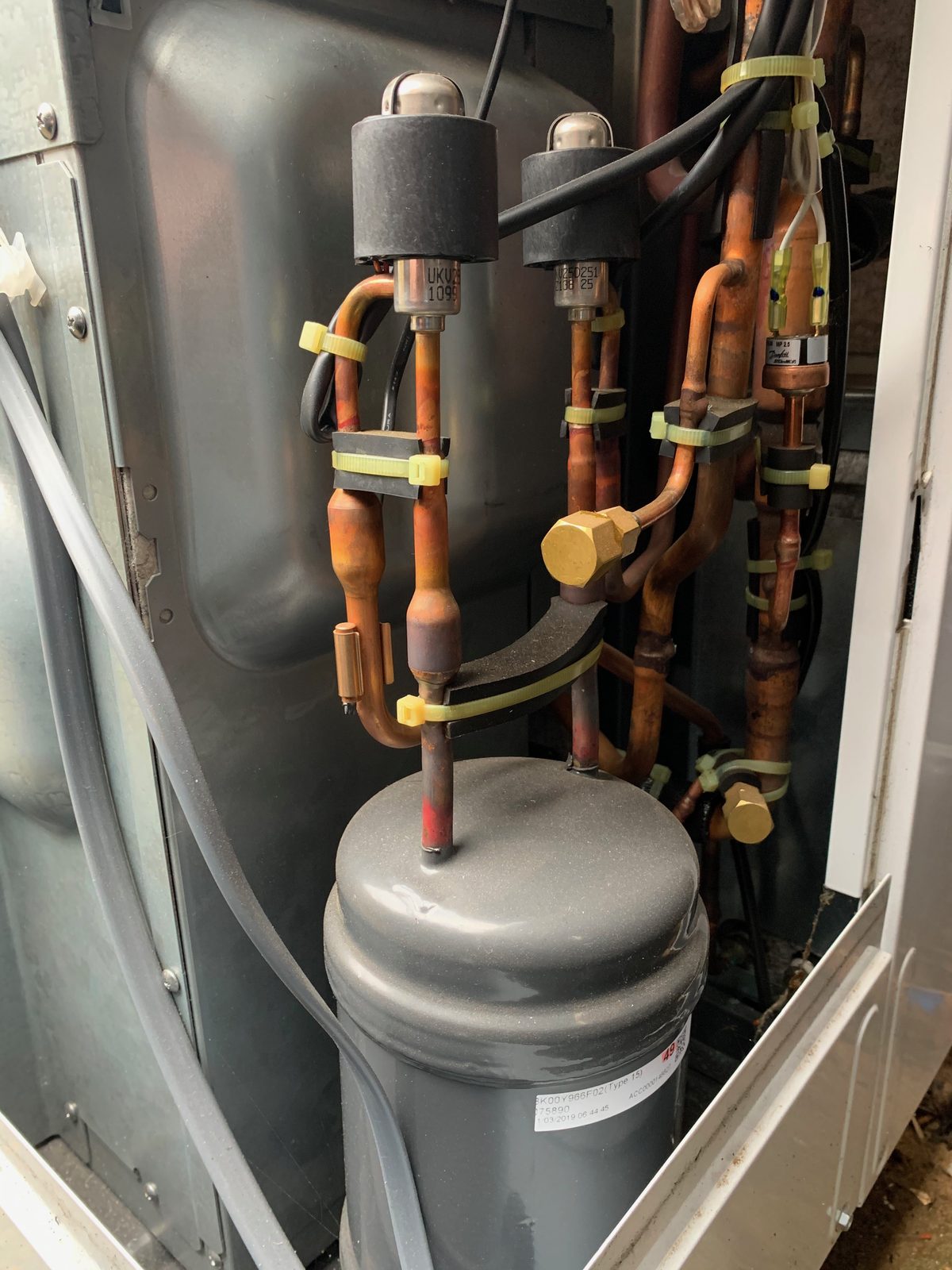
Heat pumps are common too. A heat pump moves heat from outside air into the house in winter and reverses in summer to move heat out, so one unit heats and cools. That suits homes that want both without separate systems. In very cold weather a heat pump may need backup heat, and its outdoor unit needs clear airflow. Central air conditioning cools and removes humidity in summer only. Boilers heat water for radiators or baseboards and have their own pumps, valves, and pressure controls. Tell a contractor which type you have when you call, so the right person arrives with the right tools.
When a New Owner Should Call a Contractor
Call soon after moving in if the system has no service history, if you cannot find the filter, if the thermostat seems wrong, or if any room feels very different from the rest. A first visit can be a general check rather than a repair: the contractor inspects the system, cleans what needs cleaning, tests safety controls, checks airflow, and tells you the condition of the equipment in plain language. That visit gives you a baseline, and it gives you a contractor you can call later without starting from scratch.
Call right away if there is no heat in freezing weather, a strong smell of gas, a burning smell that does not fade, water pooling around indoor equipment, or a system that trips a breaker again and again. If you smell gas, leave the house and call for help from outside. Do not keep restarting a system that keeps shutting down. It is often protecting itself, and repeated restarts can turn a small fault into a larger one.
What a First Service Visit Covers
A first visit usually starts with your notes and a walk through the house. The contractor will check the thermostat, the filter, and airflow at several vents, then inspect the indoor unit, the outdoor unit, and accessible ductwork. They will listen for unusual sounds, look for leaks or worn wiring, and test the controls. A careful visit takes time, and a contractor who rushes it may miss the real condition of the system.
After the check, you should hear a plain summary: what type of system you have, how old it appears to be, what condition it is in, what maintenance it needs now, and what to watch for. Ask for that summary in writing, with the model numbers and the next service date. A written summary is useful when you compare contractors, plan a budget, or sell the house later.
Choosing a Contractor as a Newcomer
Without a local history, word of mouth is the fastest way to find a reliable contractor in Bellevue. Ask neighbors, coworkers, or the previous owner who they used and whether the work held up. Look for a contractor who answers questions clearly, explains the visit charge if there is one, and gives a realistic time window. On the first call, notice whether the person asks about the system type and the symptoms, or just books a slot. Good questions on the phone usually mean good questions on site.
For a larger job, get more than one written quote. Each quote should name the equipment type and size, the model if one has been chosen, duct or electrical work, thermostat changes, removal of the old unit, permits, and cleanup. Compare the line items, not just the final price. A quote that leaves out ductwork or permits may look cheaper until those costs appear later.
Questions for a First-Time Buyer
- What type of system is this, and how old does it look?
- What maintenance does it need now, and what can wait?
- Are you licensed and insured for HVAC work in Pennsylvania?
- What would a repair cost, and what would a replacement include?
- How was the size of any new equipment worked out?
- What do the parts and labor warranties cover?
Those questions help you learn the system and judge the contractor at the same time. A contractor who explains patiently is a contractor who respects a new owner.
Repair, Replace, or Wait
New owners often face the same hard choice as long-time owners: repair the system you inherited, replace it, or wait and see. A repair makes sense when the system is in good shape overall, the fault is clear, and the fix is reasonable. Replacement makes more sense when the system is very old, has failed repeatedly, or needs a part that is hard to find. Waiting makes sense when the system runs well, the check finds no urgent fault, and you want time to learn the house before spending on a large job.
Ask the contractor to explain the choice without jargon. What failed, and why? What will the repair cost, and what else is likely to wear out soon? How long might the repaired system run well? A contractor who can answer those questions plainly is helping you decide, not pushing you. Take a day to think over a large job if you can. A decision made calmly is usually a better one.
Licenses, Permits, and Paperwork
Heating and cooling work can involve gas, electricity, and refrigerant, so licensing and insurance matter. Ask to see proof, and check that the name on the paperwork matches the business doing the work. Insurance protects you if something is damaged or someone is hurt on the job. Permits, where the local authority requires them, create a record that the work met code and was inspected. Ask who will arrange the permit and whether the cost is included in the quote.
Keep the paperwork in one place: the install date, the model numbers, the warranty terms, the service notes, and the permit if there is one. That folder is worth keeping for as long as you own the house. It helps any future contractor understand the system, and it helps a buyer understand what they are buying if you sell.
Simple Maintenance for a New Owner
The most useful habit for a new owner is the simplest: learn where the filter is and how to change it. Check it monthly during heavy use and change it when it looks dirty. A clogged filter strains the blower, cuts airflow, and can cause overheating in winter or freezing in summer. Keep vents open and clear of furniture and rugs. Keep the outdoor unit free of leaves, grass, and snow, with space around it for airflow. Do not stack items against indoor equipment.
Book a heating check in autumn and a cooling check in spring if you have central air. Those visits give a contractor a chance to clean parts, test safety controls, and spot wear before it becomes a breakdown. Over time, the service notes build a history of the system, and that history is the best guide to when a repair is worth it and when replacement is the better call.
Settling In With Confidence
Moving into a Bellevue home does not require becoming an HVAC expert overnight. It requires knowing what system you have, keeping a short record of how it behaves, finding a contractor who explains the work plainly, and keeping up with filter changes and yearly service. The first visit is the most useful one, because it turns an unknown system into a known one.
With that baseline, later decisions get easier. You will know the age and condition of the equipment, you will have a contractor you trust, and you will have written quotes to compare when larger work comes up. That is how a new homeowner in Bellevue can stay warm through a Pennsylvania winter and cool through a humid summer, without the heating and cooling system becoming a source of worry in a new house.
Map of Bellevue, Pennsylvania
Related Guides