Find A Contractor
Filter nearby cities:
Or search by ZIP code:
When should you book heating service in Belleville, and how do you avoid joining the queue on the first cold morning of the year? Timing is a quiet part of HVAC care that most homeowners only think about after a breakdown. In Pennsylvania, heating systems work hardest in winter and cooling systems work hardest in humid summer, so the weeks just before each season are the busiest for contractors. This guide for Belleville, Pennsylvania looks at HVAC help through planning: what contractors do, how to book at the right time, how thermostats and controls affect comfort, and how to make a calm decision instead of an emergency one.
Belleville is a small community, and that shapes how HVAC work usually happens here. Homeowners often rely on a contractor they know, or one recommended by a neighbor, and a good working relationship can last for years. That relationship is worth building before you need it. A contractor who already knows your system, its age, and its history can give better advice than a stranger seeing it for the first time on a cold night. The sections below explain how to build that relationship and what to expect from it.
Planning Service Around the Seasons
Heating service belongs in autumn, before the furnace or heat pump is asked to run every day. A pre-season visit gives a contractor time to clean the system, test safety controls, check the filter and blower, and replace worn parts while the weather is still mild. Cooling service belongs in spring, before the first humid week. The contractor can clean the indoor coil, check the drain, test airflow, and look for refrigerant or electrical problems while a repair is still a routine job rather than an emergency.
If you wait until the system fails, you will be calling at the same time as many other homeowners, and the wait for a visit can be longer. That is not a criticism of contractors; it is simply how seasonal work goes. Booking early is the easiest way to get a convenient appointment, a thorough check, and time to think about any larger work the contractor finds. If the check finds a worn part, you can plan the repair instead of facing it as a surprise.
A Simple Yearly Rhythm
- Autumn: heating check, filter change, safety test, thermostat check.
- Winter: watch for new sounds, uneven rooms, and short cycling.
- Spring: cooling check, coil cleaning, drain check, outdoor unit clearing.
- Summer: check the filter monthly, keep vents clear, note humidity problems.
- Any time: keep service notes, model numbers, and install dates in one folder.
That rhythm takes little effort and catches most problems while they are still small. It also gives you a record to show any contractor who visits later.
What HVAC Contractors Cover in Belleville
An HVAC contractor handles heating, cooling, ventilation, and controls. Repair work covers breakdowns: a furnace that will not start, a heat pump that runs without warming the house, an air conditioner that blows warm air, or a system that trips a breaker. Maintenance covers cleaning, filter changes, and seasonal checks. Replacement covers a new furnace, heat pump, or air conditioner, and often includes ductwork, a new thermostat, and removal of the old unit. Ventilation work can include adding a return vent, improving airflow to a stuffy room, or sealing ducts that leak air.
When you call, describe the system type if you know it. A gas furnace, an oil furnace, an electric furnace, a heat pump, a boiler, and a central air conditioner all have different parts and different faults. The contractor can send the right person and bring the right tools if they know what they are coming to see. If you do not know the system type, say so, and describe what you can see: the indoor unit, the outdoor unit, radiators, or baseboards.
Thermostats and Controls: Small Device, Large Effect
The thermostat is the control center of the system, and a surprising number of comfort problems start there. A thermostat in a hallway that gets sun, near a draft, or above a heat source will read a temperature that does not match the rest of the house. A thermostat with dead batteries, a wrong setting, or a schedule that does not match your day will call for heat or cooling at the wrong times. Before you assume the furnace or air conditioner is failing, check the thermostat mode, the set temperature, and the batteries if it uses them.
Newer thermostats offer schedules, remote control, and finer temperature settings, and they can help a household use less energy without feeling less comfortable. They are not a fix for a failing system or bad ductwork, though. A contractor can advise whether a new thermostat suits your system and whether it needs a particular type of wiring. Ask them to show you how to use it after installation, and keep the manual where you can find it.
Furnaces and Heat Pumps in Pennsylvania Homes
Many Pennsylvania homes heat with a furnace. A gas or oil furnace burns fuel to warm air in a heat exchanger, and a blower pushes that warm air through ducts to each room. An electric furnace uses heating elements. All three need clean filters and clear airflow. A clogged filter can make a furnace overheat and shut down, or make distant rooms cold. A failing blower, a thermostat fault, or a safety control can cause similar symptoms, which is why a check matters more than a guess.
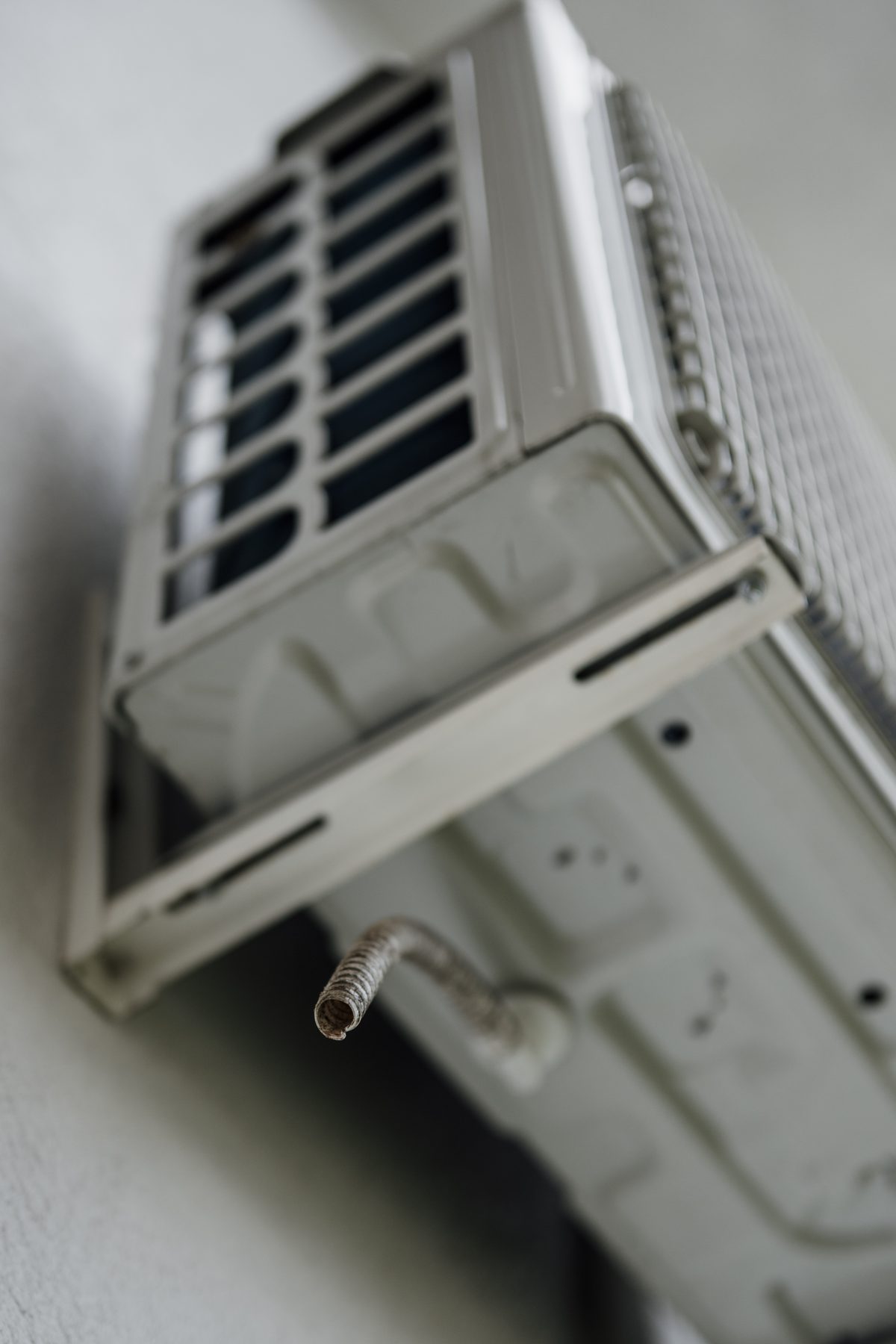
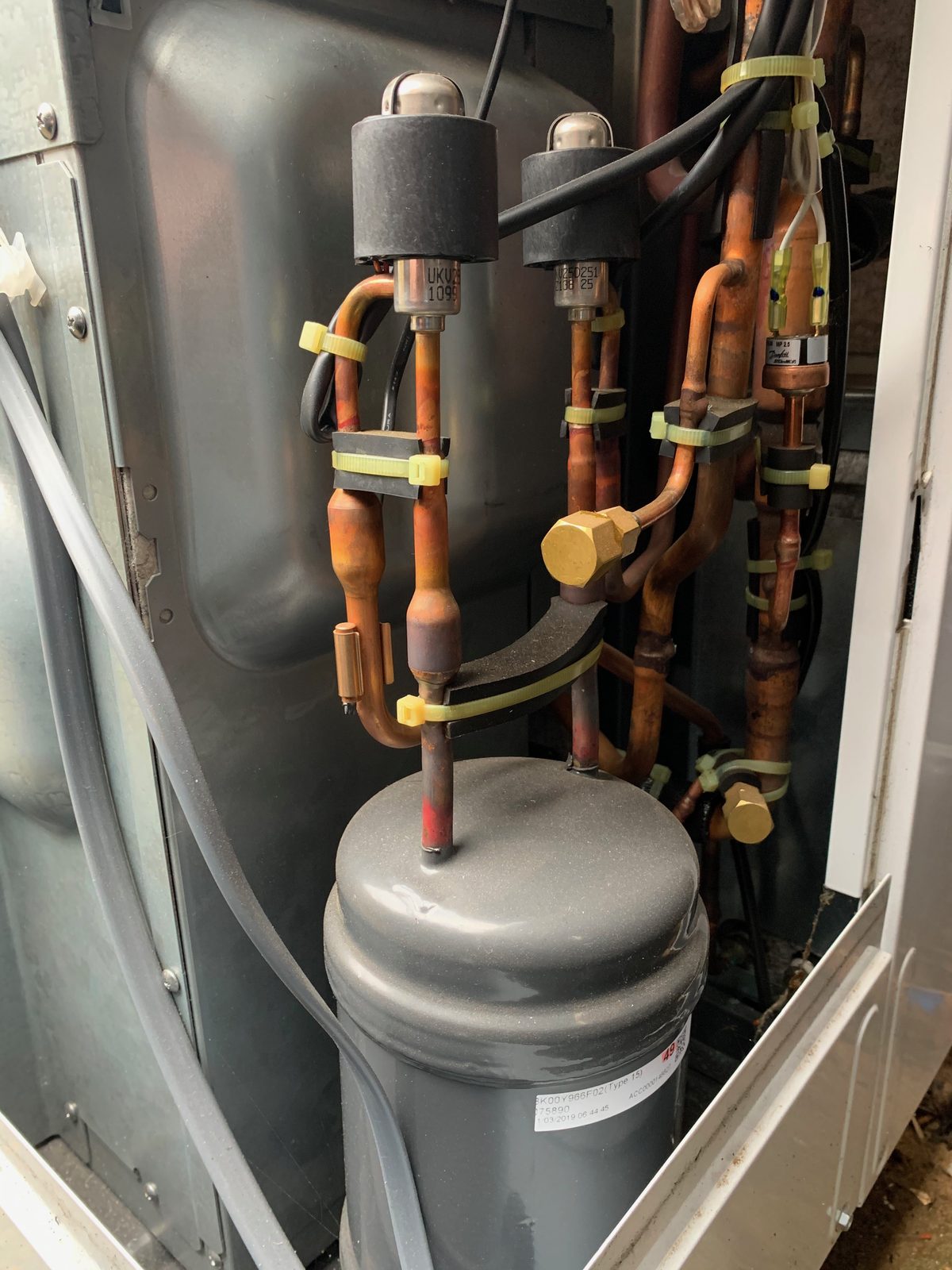
Heat pumps are common too, and they heat in winter by moving heat from outside air indoors, then reverse in summer to cool the house. One unit does two jobs, which suits homes that want heating and cooling without separate systems. In very cold weather a heat pump may use backup heat, and its outdoor unit needs clear airflow and regular cleaning. Central air conditioning cools and dehumidifies in summer only. A system that runs but does not cool, drips water, or freezes at the coil needs a professional check.
How to Choose a Contractor in a Small Community
In a small town, reputation travels fast, and that is an advantage. Ask neighbors, friends, or family who they have used and whether the work held up. A recommendation from someone with a similar house and system is worth more than a polished advertisement. Look for a contractor who answers the phone or returns calls promptly, explains the call-out charge if there is one, and gives a realistic time window for the visit.
When the contractor arrives, notice how they work. Do they ask about the symptoms and the history of the system? Do they explain what they find before starting work? Do they leave the area tidy? Those habits predict how larger work will go. A contractor who is careful on a small repair is more likely to be careful on a replacement.
What to Ask Before Larger Work
- Are you licensed and insured for HVAC work in Pennsylvania?
- Will a permit be needed, and who will arrange it?
- What does the written quote include, and what would cost extra?
- How was the new equipment sized for this house?
- What do the parts and labor warranties cover?
- How long will the work take, and what happens to the old unit?
Those questions are fair on any job that costs real money and will serve the house for years. A good contractor will welcome them.
Reading Quotes and Spotting Red Flags
A written quote for a replacement should name the equipment type and size, the model if one has been chosen, duct or electrical work, thermostat changes, removal of the old unit, permits, and cleanup. It should state the total, the payment schedule, and the start date. Compare quotes line by line, not just by the final number. One quote may include duct sealing and a new thermostat while another leaves them out, and the cheaper total may not be the better deal.
Watch for warning signs. Pressure to sign the same day, a price far below every other quote without explanation, no proof of license or insurance, a refusal to put the quote in writing, or a suggestion to skip a permit are all reasons to pause. A very low price can mean missing work, a smaller system, or no warranty. Ask what is left out before you accept it, and get a second opinion on any replacement recommendation that feels rushed.
Basic Care Between Visits
Between professional visits, keep the filter clean. Check it monthly during heavy use and change it when it looks dirty. Keep supply and return vents open and clear of furniture, rugs, and curtains. Keep the outdoor unit free of leaves, grass, and snow, with space around it for airflow. Do not store items against indoor equipment or block the air intake. Listen for new sounds and watch for new smells, and write them down with the date.
Those habits cost little and prevent many breakdowns. A clean filter alone can keep a furnace from overheating and an air conditioner from freezing up. A clear outdoor unit lets a heat pump or air conditioner move air freely instead of straining. Small care, done regularly, is the cheapest form of HVAC maintenance there is.
When to Call Right Away
Some problems need a same-day call. No heat in freezing weather, a strong smell of gas, a burning smell that does not fade, a system that trips a breaker repeatedly, or water pooling around indoor equipment all belong in that group. If you smell gas, leave the house and call for help from outside. Do not keep resetting a breaker or restarting a system that keeps shutting down. A system that shuts itself off is often protecting itself, and repeated restarts can make a small fault larger.
Other problems can wait for a scheduled visit, but still deserve attention: a system that runs longer than usual, rooms that never reach the set temperature, new rattling or grinding sounds, or a sudden rise in energy use. Write down what you notice before you call, including when it started and which rooms are affected. That short list helps the contractor arrive with a clear picture.
Making the Decision Calmly
The best HVAC decisions in Belleville are made before an emergency, not during one. Get the system checked in autumn and spring, keep the filter clean, learn how the thermostat works, and build a relationship with a contractor you trust. When a larger job comes up, get written quotes, compare them line by line, check license and insurance, and take a day to think it over if you can.
That steady approach keeps a home warm through a cold Pennsylvania winter and cool through a humid summer, without the system becoming a source of worry each time the season changes. The right contractor will explain the work, respect your budget, and do the job to a standard you can check, and that is the kind of help worth booking early.
Map of Belleville, Pennsylvania
Related Guides