Find A Contractor
Filter nearby cities:
Or search by ZIP code:
What happens to a house that sits empty for weeks in winter? In Beechmountainlakes, where some homes are used seasonally or left unoccupied for stretches of the year, that question matters more than it does for a home that is lived in every day. A heating system that fails while nobody is there can lead to frozen pipes, water damage, and a costly repair bill. A cooling system that sits idle all summer can develop its own problems. This guide covers how to care for HVAC equipment in a seasonal or part-time home, and how to find a contractor who can help you look after it when you are away.
Pennsylvania winters are the main risk for an empty home. When the temperature drops below freezing for days at a time, water in pipes can freeze and burst. Heating is the first line of defense, but it only works if the system is running, the thermostat is set correctly, and someone knows if it stops. Summer brings a different risk: humidity can build up in a closed house, encouraging mold and mildew, and an air conditioner that is never run cannot remove that moisture.
The goal for a seasonal home is simple: keep the house safe while you are away, and make it comfortable quickly when you return. That takes a little planning, a reliable contractor, and a routine you follow every time you leave and every time you come back.
Keeping Heat On While You Are Away
If you leave a home unoccupied in winter, do not turn the heat off completely. Set the thermostat to a low but safe temperature, enough to keep pipes from freezing, and make sure the system has fuel or power to run. For a gas or oil system, check the fuel supply before you leave. For an electric system, make sure the power will stay on. Ask a contractor what temperature setting makes sense for your home, considering its insulation, pipe locations, and how cold the area gets.
Before you leave, have the heating system checked if it has not been serviced recently. A technician can clean and test the furnace or boiler, check the thermostat, and look for wear that might cause a breakdown while you are away. That check is worth doing in the fall, before the first freeze, rather than in the middle of winter when a failure would be harder to fix.
Ask someone local to check on the house while you are away, if you can. A neighbor, a friend, or a property manager who can look in once a week and confirm the heat is on can catch a problem early. Give them the contractor's phone number, the location of the thermostat and the main shut-offs, and a note of what to do if the house feels cold or if they see water where it should not be.
Freeze Protection and Pipes
Frozen pipes are the most common and most expensive winter problem in an empty home. Pipes in unheated spaces, such as crawl spaces, attics, garages, and exterior walls, are the most vulnerable. Insulating those pipes helps, and so does keeping the house heated. Some homeowners also open cabinet doors under sinks on exterior walls so warm air can reach the pipes, and let a tap drip slowly during extreme cold. Ask a contractor or plumber what makes sense for your home, as the right steps depend on where the pipes run.
Know where the main water shut-off is, and make sure the person checking on the house knows too. If a pipe does burst, shutting off the water quickly limits the damage. If you plan to leave the house empty for a long period in winter, some homeowners choose to drain the plumbing system entirely. That is a bigger step, and it should be done by a professional who can drain the pipes, the water heater, and the heating system correctly. Do not drain a boiler or a heating system yourself without professional advice, as some systems need water to operate safely.
Carbon monoxide detectors and smoke detectors should be working even when the house is empty. Test them before you leave, replace batteries if needed, and make sure the heating equipment has been serviced. A furnace with a cracked heat exchanger or a blocked flue is a safety risk whether the house is occupied or not.
Summer Care for a Part-Time Home
In summer, humidity is the main concern for a house that sits closed up. Warm, humid Pennsylvania air can make the inside of a closed house feel damp, and over weeks that moisture can encourage mold on walls, in closets, and in basements. Running the air conditioner at a moderate setting while you are away helps control humidity, even if nobody is there to enjoy the cool air. A dehumidifier can help too, especially in a basement.
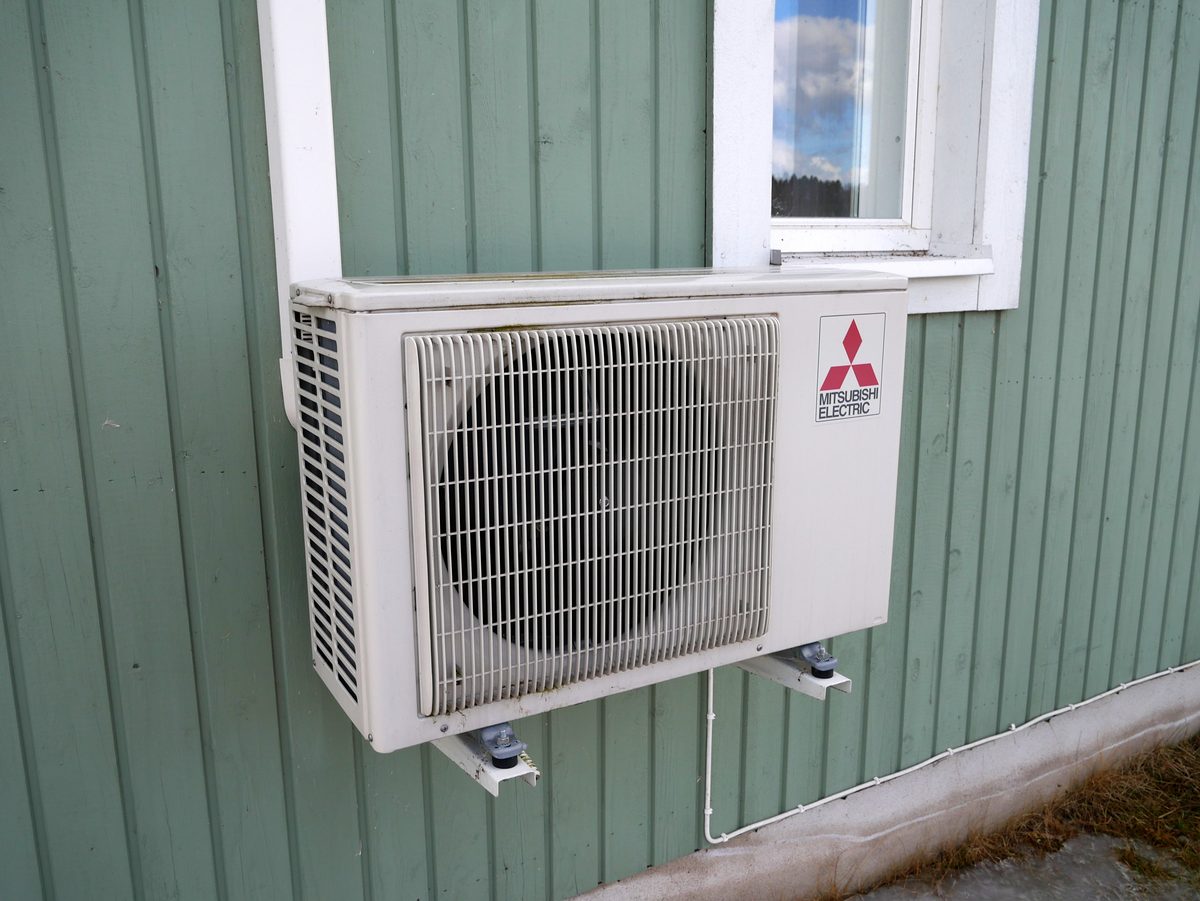
Before the summer season, have the cooling system checked. Clean the outdoor unit, clear debris from around it, check the drain, and change the filter. A system that has sat idle all winter may need a check before it is asked to run again. Turn it on for a test run when you first arrive, and listen for new noises or uneven cooling. If a room feels warm while others feel cool, or if water appears near the indoor unit, call a contractor rather than letting the problem continue.
When you leave in summer, set the thermostat to a setting that controls humidity without cooling an empty house more than needed. Ask a contractor what setting fits your home. Close windows and doors, and make sure the condensate drain is clear so water can drain away properly while the system runs.
Remote Monitoring and Thermostats
Modern thermostats can help you keep an eye on a seasonal home from a distance. Some models connect to the internet and let you check the indoor temperature, change the setting, and receive an alert if the temperature falls below a level you choose. That alert can be the difference between catching a heating failure early and discovering it weeks later.
Remote monitoring is useful, but it is not a substitute for a local contact. It needs a reliable internet connection and power to work, and it cannot fix a problem on its own. If you use a remote thermostat, test it before you leave, make sure you know how to read it, and make sure someone local can act if you receive an alert. Ask a contractor whether your system is compatible with a remote thermostat, and what happens if the internet or power goes out.
Some thermostats also track humidity and can alert you if it rises too high in summer. That can be useful for a home that sits empty in humid weather. Discuss the options with a contractor, and choose a thermostat that fits your system and your comfort with technology, rather than the most advanced model available.
Opening and Closing the House for the Season
A seasonal routine makes opening and closing the house easier. When you arrive for the season, walk through the house and check for signs of trouble: water stains, musty smells, ice or water near the HVAC equipment, or a thermostat that does not respond. Turn the system on and let it run, and note any room that does not heat or cool as it should. Change the filter if it has not been changed recently, and clear the area around the outdoor unit.
When you leave, do the reverse. Check the fuel or power, set the thermostat to the away setting you agreed with your contractor, make sure detectors are working, and leave the contractor's number with the person who will check on the house. Note the date you left and the settings you used, so you have a record if something goes wrong.
- Service heating in fall and cooling in spring, before the season starts.
- Set a safe away temperature in winter, and a humidity-control setting in summer.
- Check fuel, filters, drains, and detectors before every departure.
- Arrange for a local person to check the house while you are away.
- Keep the contractor's number, equipment details, and shut-off locations in one place.
Keep a folder for the seasonal home, with the equipment manuals, warranty papers, maintenance records, and the name and number of your contractor. Note the age and model of the equipment, and the date of each service visit. That folder is useful for you, for the person checking on the house, and for any technician who needs to work on the system while you are away.
Finding a Contractor for a Seasonal Home
A seasonal home needs a contractor who is comfortable working with a homeowner who is not always there. Ask whether the company can coordinate with a local contact, whether it can send you a report after a visit, and how it handles emergency calls when the house is empty. Ask whether it offers a maintenance plan that includes a fall heating check and a spring cooling check, and what that plan covers.
Check that the contractor is licensed and insured to work in Pennsylvania, and ask for proof before work begins. Ask whether they service your type of system, whether it is a furnace, boiler, heat pump, or ductless unit, and whether they carry parts for it. Ask for written estimates for any work beyond a basic repair, and keep copies of everything.
Word of mouth is useful in a lakeside community. Ask neighbors who they use, how quickly the company responds, and whether the technician leaves a clear report after a visit. A company that has worked in the area for years will know the local housing stock, the common systems, and the seasonal patterns that affect them.
Planning Ahead Pays Off
A seasonal home rewards planning more than a full-time home does, because a problem can go unnoticed for weeks. Annual service, a safe thermostat setting while you are away, a local person who checks in, and a contractor you trust are the four parts of a routine that protects the house. With those in place, you can leave Beechmountainlakes knowing the heating and cooling system is cared for, and return to a home that is comfortable, dry, and ready for the season.
Map of Beechmountainlakes, Pennsylvania
Related Guides