Find A Contractor
Filter nearby cities:
Or search by ZIP code:
Is a heat pump the right choice for a home in Beavermeadows? That is a question more Pennsylvania homeowners are asking, and it is a good place to start when you are thinking about heating and cooling. Winters here are cold, summers are warm and humid, and many homes now use a mix of equipment: a furnace for the coldest weeks, a heat pump for the milder months, and central air conditioning for summer. Sorting out which combination fits your house takes a bit of local knowledge, and that is where an HVAC contractor earns their keep.
Beavermeadows is a small community, and small communities often have a mix of older and newer homes. Some were built with oil heat, some with gas, and some with electric baseboards. Each type has its own quirks. An older oil furnace may still run well but cost more to maintain. A newer heat pump may be efficient but need a backup heat source on the coldest nights. A contractor who has worked on all of these can look at what you have, listen to how it has performed, and suggest the next step without pushing you toward the most expensive option.
How a Heat Pump Handles a Pennsylvania Year
A heat pump does not make heat the way a furnace does. In winter it pulls heat from the outdoor air and moves it inside. In summer it reverses direction and pulls heat out of the house, which is how it cools. Because it moves heat instead of creating it, it can be efficient in mild weather. When the temperature drops well below freezing, though, there is less heat outside to pull in, so the system works harder and may need help from a backup heater.
That is why many Pennsylvania homes use a dual-fuel setup. The heat pump handles heating in fall and spring and into the early winter. When the temperature falls past a set point, the furnace takes over. The switch is automatic, controlled by the thermostat. If you already have a furnace and are thinking about adding a heat pump, ask a contractor whether your ductwork and electrical panel can support the change, and what temperature the switchover should be set to for your home.
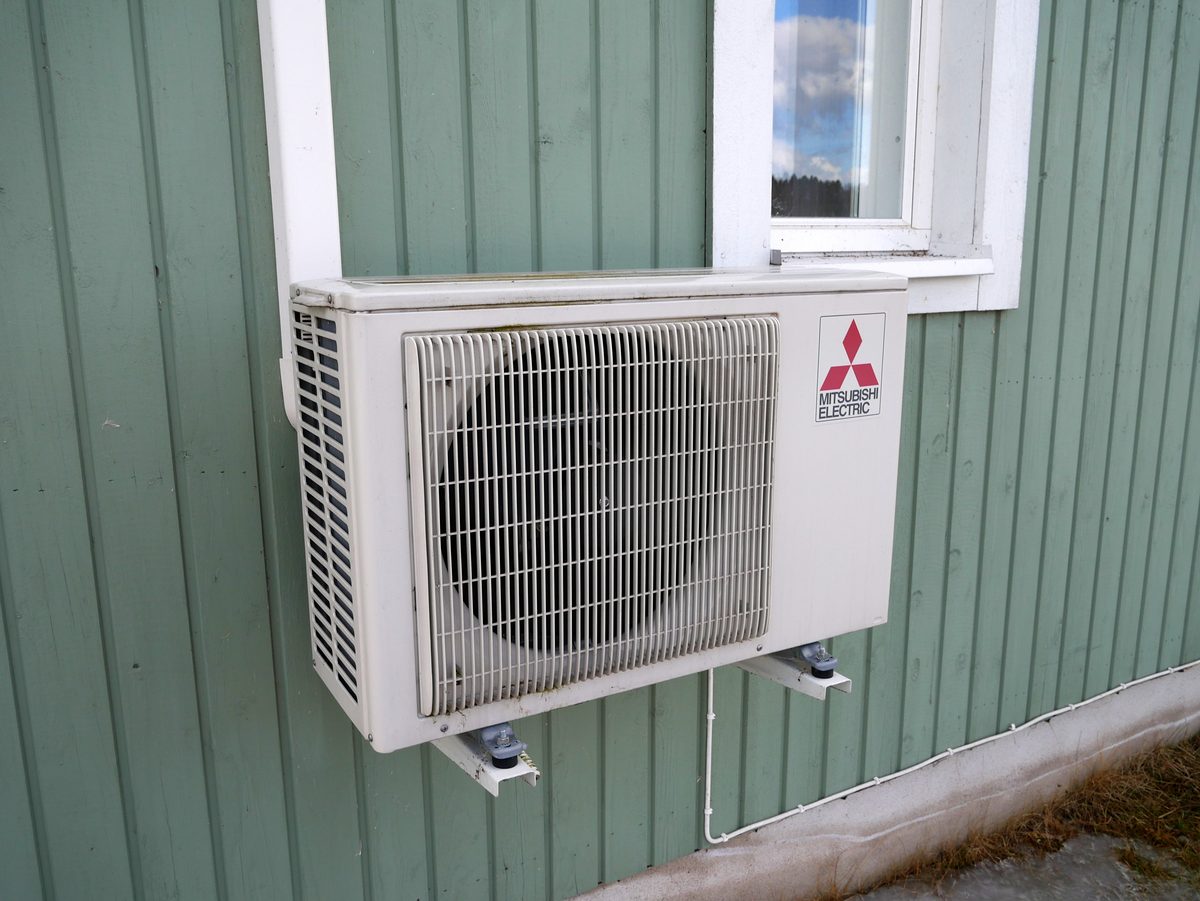
Heat pumps come in two main forms. Air-source heat pumps are the most common and sit outside the house like a central air conditioner. Ductless mini-splits are a second form. They have a small outdoor unit and one or more indoor heads mounted on the wall, and they do not need ducts at all. They are handy for rooms that are hard to heat or cool, for additions, and for homes without ductwork.
What a Contractor Checks on a First Visit
When you call a contractor for the first time, expect questions. How old is the system? What kind of fuel does it use? Which rooms are uncomfortable, and when? Have energy bills changed? A good technician will also want to see the equipment, the thermostat, the filter, and the ductwork if you have it. They may measure airflow, check the temperature difference between the supply and return air, and look for signs of wear on motors, belts, and electrical connections.
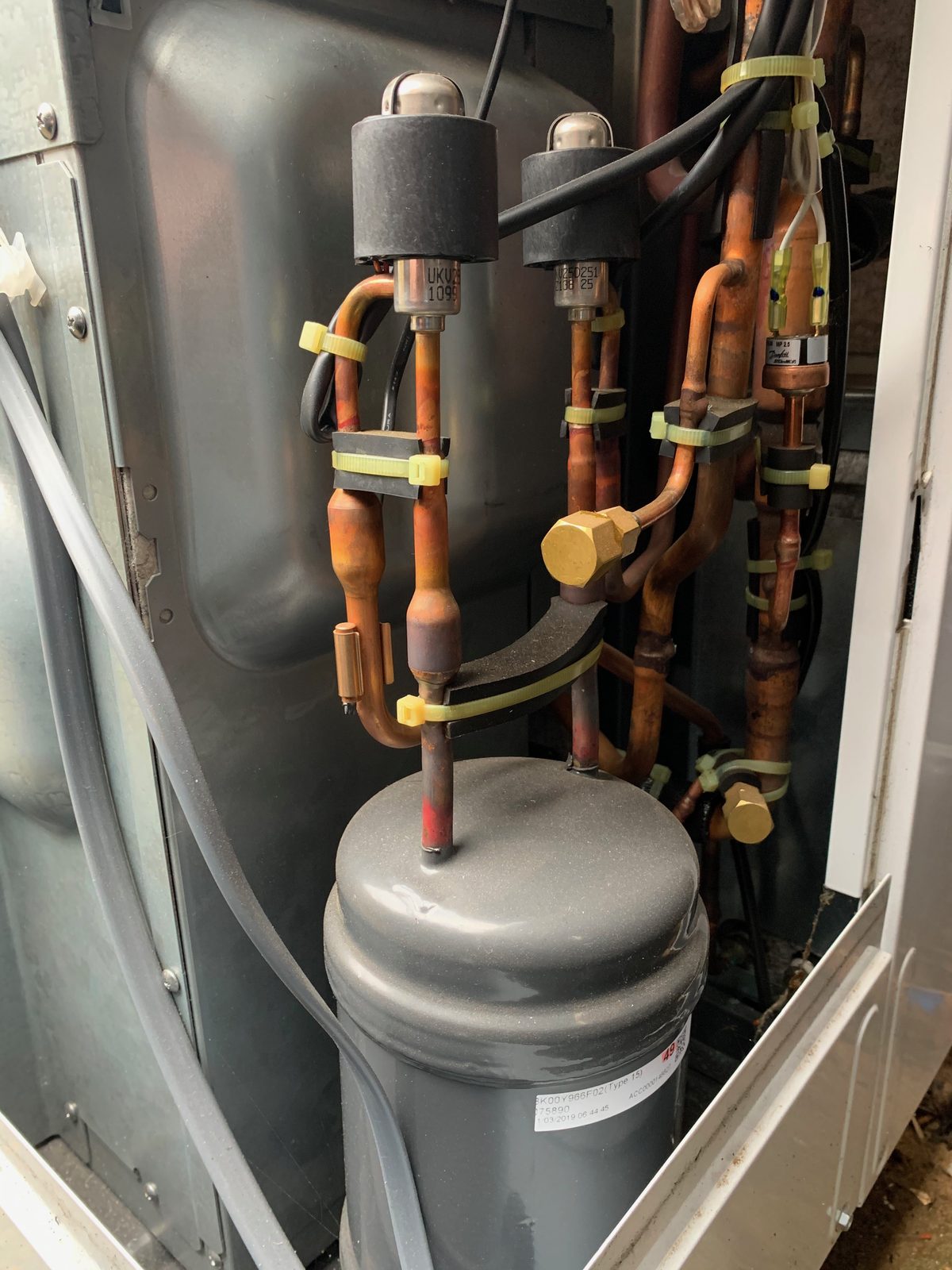
For a heat pump, the check includes the outdoor coil, the refrigerant lines, and the defrost cycle. Ice can build up on the outdoor coil in winter, and the system should melt it off on its own from time to time. If it does not, or if the outdoor fan is not running, that is a fault worth fixing promptly. In summer, the same unit should cool evenly. Warm air from the vents, a system that runs without stopping, or water leaking inside the house all point to a problem a professional should look at.
Repairs Worth Making, and Repairs That Are Not
Not every repair is worth the money, and not every old system needs replacing. A failed capacitor, a worn contactor, a clogged drain, or a faulty thermostat are usually straightforward fixes. A cracked heat exchanger, a failed compressor, or a leaking indoor coil are bigger decisions. The age of the equipment matters, and so does its history. A system that has needed three repairs in two years is telling you something different from a system that has run well for a decade and just lost one part.
Ask the technician to explain the fault in plain terms. What broke, why did it break, and what would happen if you left it alone? Ask whether the part is still available, and whether the repair comes with a warranty on parts and labor. If the repair costs a large share of what a replacement would cost, and the system is old, replacement may be the better use of money. A contractor should lay out both paths, with honest pros and cons, and let you decide.
Choosing a Contractor in a Small Community
In a smaller place like Beavermeadows, word of mouth carries weight. Ask neighbors who they call when the heat goes out, and whether the technician arrived when promised and left the work area tidy. That kind of detail matters. Also check that the business is licensed and insured, and ask for the license number and proof of insurance before work starts. A legitimate contractor will not mind being asked.
- Confirm the company services your type of system, whether it is a furnace, boiler, heat pump, or ductless unit.
- Ask whether someone is available for emergency calls in winter, and what the after-hours arrangement is.
- Ask how long a typical repair or replacement takes, and whether parts are stocked locally or ordered in.
- Ask for the quote in writing, with equipment, labor, and warranty listed separately.
- Ask what maintenance the new equipment will need each year.
Watch for warning signs. A contractor who will not give a written estimate, who demands full payment before work begins, or who insists you must decide today is not someone to trust with a major job. A fair deposit for a large job is normal, but the balance should be due when the work is finished and working correctly.
Getting Quotes You Can Actually Compare
Quotes are only useful if they describe the same job. When you invite two or three contractors to quote a replacement, give each of them the same information: the size of the house, the rooms that are hard to heat or cool, and any problems with the current system. Ask each one how they sized the equipment. A careful contractor measures rooms, checks insulation, and looks at windows and ductwork. A contractor who sizes a new system by copying the size of the old one may be guessing, and a wrong size causes trouble for years.
Look closely at what each quote includes. Does it include a new thermostat? Removal and disposal of the old unit? Changes to ductwork or wiring? A permit, if one is needed? A warranty on labor as well as parts? The cheapest quote is not always the cheapest job. A quote that leaves out needed work will cost more in the end, once the extras appear.
Keeping the System Running Between Visits
Homeowners can do a surprising amount to keep heating and cooling equipment healthy. Change the filter on schedule, and use the type and size the manufacturer recommends. A filter that is too restrictive can strain the blower, while a filter that fits poorly lets dust past it. Keep the outdoor unit clear of leaves, grass, and snow, and leave enough space around it for air to flow. Inside, keep supply vents open and free of furniture, curtains, and rugs.
Listen to the system now and then. You know what it sounds like when it is working normally, so a new rattle, hum, or squeal stands out. Note when the noise started and whether it happens on heating, cooling, or both. That note will help the technician. Also note any room that suddenly feels different. A single cold room in winter or a single warm room in summer can mean a duct problem, a closed damper, or a vent that needs adjusting.
Seasonal checks are worth booking ahead. A fall check prepares the heating side before the first freeze. A spring check prepares the cooling side before the first humid week. During a check, a technician cleans the coils, tests the controls, checks refrigerant charge on a heat pump or air conditioner, and looks for wear. Catching a worn part in October is far better than discovering it on a January night.
When to Call a Professional Right Away
Some situations should not wait. No heat in freezing weather, especially in a home with pipes that could freeze, is urgent. So is a strong gas smell, which means leaving the house and calling the gas utility from outside. A carbon monoxide alarm going off means getting fresh air and calling for help. Water leaking from the indoor unit onto floors or ceilings needs a prompt call, as does any sparking, smoking, or burning smell from electrical equipment.
Other problems can wait for a scheduled visit, but do not ignore them for months. Short cycling, where the system turns on and off every few minutes, wastes energy and wears parts out. A thermostat that no longer matches the room temperature can be a simple fix or a sign of a sensor fault. Uneven temperatures across the house may point to duct leaks or poor insulation. Write down what you notice, with dates, and share the notes when the technician arrives.
Planning a Replacement Without Rushing
If your system is getting old, start planning before it fails. Gather the age and model of the current equipment, note what you like and dislike about how it heats and cools, and think about what matters most to you: lower running costs, quieter operation, better control of individual rooms, or a simpler system to maintain. Talk to two or three contractors while the weather is mild. That gives you time to compare quotes, check references, and schedule the work at a time that suits you.
A replacement is also a good time to look at the rest of the system. Ducts that leak air into an attic or crawl space waste energy every day. A thermostat that is hard to use or in the wrong spot can make the whole system less comfortable. Ask the contractor to check ductwork, insulation around the ducts, and thermostat placement as part of the quote. Fixing those details at the same time as a replacement is usually easier than fixing them later.
Map of Beavermeadows, Pennsylvania
Related Guides