Find A Contractor
Filter nearby cities:
Or search by ZIP code:
Life in a rural part of Pennsylvania brings a different set of heating and cooling questions. In Beccaria, homes may sit farther apart, fuel delivery may take more planning, and a breakdown in January can feel more urgent when the nearest help is a drive away. If you heat with oil or propane, or if your home relies on a boiler and radiators rather than ducts, this guide is written for you. It covers how rural heating systems work, how to keep them running, and how to find an HVAC contractor who understands homes outside town.
Rural homes in Pennsylvania often use equipment that town homes do not. Oil furnaces and boilers are common where natural gas lines do not reach. Propane tanks sit beside the house and need to be monitored so they do not run low in the middle of a cold spell. Wood stoves and pellet stoves appear in some homes as a supplement to the main system. Each of these has its own maintenance needs, and each needs a contractor who is familiar with it. When you call for help, the first thing a good technician will ask is what fuel your system uses and how old the equipment is.
Oil and Propane Heat: What to Know
An oil furnace or boiler burns heating oil stored in a tank, usually in the basement or outside the house. The oil is delivered by truck, so you need to watch the gauge and order before it runs low. Running out of oil in winter is more than an inconvenience: the system can lose its prime, and a technician may need to bleed the line and restart it. Keeping a regular delivery schedule, or an automatic delivery arrangement with your supplier, helps avoid that problem.
Propane works differently. It is stored as a liquid in a tank and delivered by truck as well. Propane furnaces, boilers, and water heaters are common in rural Pennsylvania. The tank gauge tells you how much is left, and most suppliers recommend ordering when the gauge reaches a certain level rather than waiting until it is nearly empty. If you ever smell a strong gas odor, leave the house and call your propane supplier or emergency services from outside.
Both oil and propane systems need annual service. For oil equipment, that includes cleaning the burner, replacing the nozzle and filter, and checking the combustion. For propane equipment, it includes checking the burners, the ignition, and the venting. Annual service keeps the system burning cleanly, reduces the risk of a midwinter breakdown, and gives a technician a chance to spot wear before it becomes a failure.
Boilers, Radiators, and Homes Without Ducts
Many older Pennsylvania homes heat with a boiler and radiators, or with hot water pipes under the floor. There are no ducts, no blower, and no air filter in the usual sense. Heat arrives slowly and evenly, which many homeowners like, but the system has its own parts that need care: a circulator pump, valves, an expansion tank, and controls that call for heat when the thermostat asks for it.
Radiators can trap air, which stops them heating properly. A radiator that is hot at the bottom and cold at the top often has trapped air, and bleeding it with a radiator key can fix it. If you are not sure how to do this, ask a technician to show you during a maintenance visit. It is a small skill that saves a service call. Also check for leaks around valves and pipes, and listen for banging or gurgling, which can mean air in the system or a pump that is starting to fail.
Boilers also need their water pressure checked. The pressure gauge on the boiler should sit in the range marked on the unit or in the manual. If the pressure is too low, the system may not heat the upper floors. If it is too high, the relief valve may release water. Either way, a technician can diagnose the cause and adjust it safely. Do not try to adjust boiler controls you do not understand.
Ductwork in Older and Spread-Out Homes
Some rural homes do have forced-air systems, with a furnace and ducts. In older homes, the ductwork may run through an attic, a crawl space, or an unheated basement. Ducts in those spaces can leak air, lose heat, and pick up dust. A contractor can test for duct leaks and seal them, and can check whether the ducts are insulated where they pass through cold spaces. Sealing and insulating ducts is not glamorous work, but it can make a real difference to comfort and to energy use.
Rooms that are far from the furnace, or rooms added later, are often the hardest to heat and cool. A long duct run loses temperature along the way, and a room over a garage or at the end of the house may always feel different. A contractor may suggest adjusting dampers, adding a ductless unit for that room, or improving insulation. Ask for the options and the trade-offs, rather than accepting a single fix without discussion.
Finding Help When You Live Outside Town
Distance changes how you plan for HVAC help. In town, a technician may be able to reach you in an hour. In a rural area, the trip takes longer, especially in snow. That makes planning ahead more important. Book maintenance in the fall, before the heating season, rather than waiting until the first cold week when every contractor is busy. Keep the phone number of your contractor in an easy place, and keep a note of your equipment brand, model, and fuel type beside it.
When you choose a contractor, ask whether they serve your area regularly and whether they carry parts for your type of system. A company that works mostly on gas furnaces in town may not stock oil burner parts. Ask how emergency calls are handled, and what the response time usually is in winter. Ask whether they offer a maintenance plan that includes a yearly visit, and what that visit covers.
- Confirm the contractor works on oil, propane, or wood systems if that is what you have.
- Ask whether they deliver or coordinate with fuel suppliers, or whether fuel is entirely separate.
- Ask for a written estimate for any work beyond a basic repair.
- Ask what happens if a part has to be ordered, and how long that usually takes.
- Ask for proof of license and insurance before work begins.
Neighbors are a good source of information in a rural community. Ask who they call, how quickly the company responds in winter, and whether the technician explains the work clearly. A company that has served the area for years will have a reputation, good or bad, that is easy to check by asking around.
Preparing for Winter in a Rural Home
Winter preparation starts in early fall. Have the heating system serviced, check the fuel level, and order fuel before the cold arrives. Test the thermostat and the carbon monoxide detectors. Make sure you have spare filters if your system uses them, and that you know how to change them. Check that vents, chimneys, and flues are clear. If your home has pipes in unheated spaces, make sure they are insulated, and know where the main water shut-off is in case a pipe freezes.
Think about what happens if the power goes out. Many heating systems need electricity to run, even if they burn oil or propane. A power cut in a cold snap can leave a house without heat. Ask a contractor what your options are, and whether a backup power source makes sense for your home. Do not run a generator indoors or in a garage, and never use a gas oven or a charcoal grill to heat the house. Those are serious safety risks.
Keep a simple emergency kit for heating problems: the contractor's number, a flashlight, spare batteries, and a note of your equipment details. If the heat fails, check the thermostat setting, check that the fuel tank is not empty, and check whether a breaker has tripped or a switch has been turned off. Those simple checks can save a call-out fee, and they give the technician useful information if you do need to call.
Summer Cooling in a Rural Home
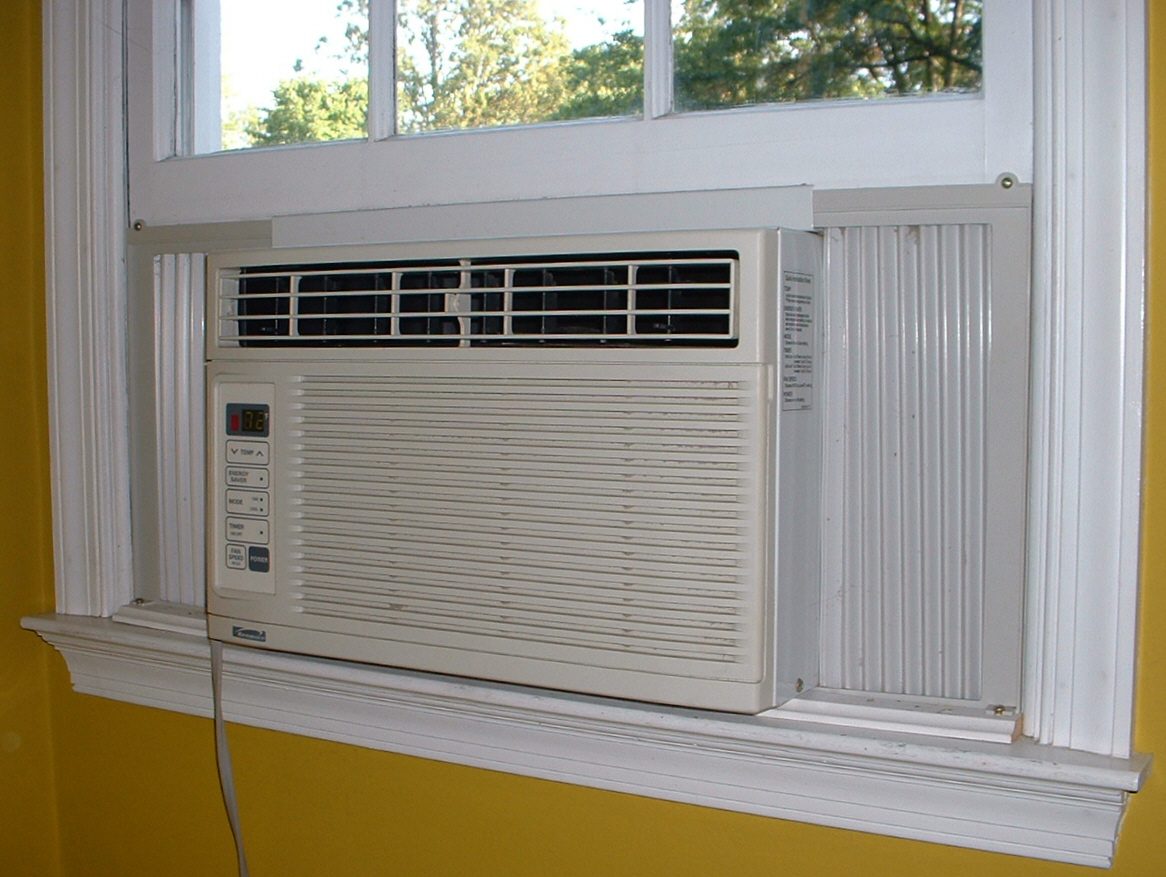
Summer brings its own needs. Many rural homes use central air conditioning, and some use window units or ductless mini-splits for the rooms that get the most use. If your home has no ductwork, a ductless system may be the simplest way to add cooling without major construction. A contractor can explain how many indoor units you would need, where they would go, and how the outdoor unit would be placed.
Before summer, have the cooling system checked. Clean the outdoor unit, clear debris from around it, and make sure the drain is clear. Change the filter if your system has one. If the air conditioner struggles on humid days, the cause may be a dirty coil, low refrigerant, or a system that is the wrong size for the house. A technician can test it and explain the options. Do not try to add refrigerant yourself; it requires proper equipment and training, and a leak needs to be found and fixed, not just topped up.
When to Repair and When to Replace
Older rural systems often raise the same question: repair again, or replace? There is no single answer. A repair that fixes a single worn part on a system that has otherwise run well can be good value. A repair that costs a large share of a replacement, on a system that has needed several repairs already, may not be. Ask the technician to explain the fault, the cost of the repair, and what else is likely to wear out soon. Ask how old the system is and what its expected life is.
If you do replace, think about fuel as well as equipment. Some homeowners switch from oil to propane, or add a heat pump to work alongside a furnace. Each choice has implications for fuel delivery, running costs, and maintenance. A contractor can explain the options, but the decision should also reflect what fuel is reliably available in your area and what you are comfortable managing. Take time over the choice, get more than one written quote, and compare them on scope and warranty, not just on price.
Living in Beccaria means planning a little further ahead than a homeowner in town might need to. Fuel, distance, and older equipment all reward preparation. With annual service, a reliable contractor who knows rural systems, and a habit of checking fuel and filters before the season turns, your home can stay warm through a Pennsylvania winter and comfortable through a humid summer.
Map of Beccaria, Pennsylvania
Related Guides