Find A Contractor
Filter nearby cities:
Or search by ZIP code:
Buying your first home in Beaversprings comes with a long list of new responsibilities, and the heating and cooling system is near the top. You may have moved from a rental where someone else handled the furnace, or from a warmer climate where air conditioning was the only concern. In Pennsylvania you need both, and you need them to work through cold winters and humid summers. This guide walks through what first-time homeowners in Beaversprings should know about HVAC contractors: what the equipment does, how to find reliable help, and how to avoid the most common mistakes.
The first step is simply learning what you have. Walk down to the basement or utility area and look at the main heating unit. Is it a furnace with ducts, a boiler with radiators, or a heat pump with an outdoor unit? Find the label with the brand, model, and serial number, and take a photo of it. Do the same for the air conditioner or heat pump outside. Keep those photos on your phone. When you call a contractor, that information saves time and helps them bring the right parts.
Next, find the thermostat and learn how it works. Some thermostats are simple dials or buttons. Others are programmable, with different settings for day and night, or for weekdays and weekends. If the previous owner left a manual, keep it. If not, look up the model online and save the instructions. A thermostat that is set correctly can keep the house comfortable without wasting energy, while one that is set wrong can make the system run far more than it needs to.
What an HVAC Contractor Does for a Homeowner
An HVAC contractor installs, repairs, and maintains heating, ventilation, and air conditioning equipment. That includes furnaces, boilers, heat pumps, central air conditioners, ductless units, thermostats, and ductwork. Some also handle indoor air quality equipment such as humidifiers, dehumidifiers, and air cleaners.
Most homeowners meet a contractor in one of three situations. The first is a breakdown: no heat, no cooling, or a system that has stopped working. The second is a routine maintenance visit, usually in fall for heating and spring for cooling. The third is a replacement, when an old system has become unreliable or too costly to keep repairing. A good contractor can help in all three, and can also answer questions about how to run the system you already have.
Learning the Basics of Your System
In a forced-air home, the furnace or air handler heats or cools air and pushes it through ducts to vents in each room. The air then returns through return vents to be heated or cooled again. Filters sit in the path of that air, catching dust and other particles. When a filter gets clogged, airflow drops, the system strains, and rooms may heat or cool unevenly.
In a boiler home, hot water travels through pipes to radiators or to tubing under the floor. There are no ducts and no filter in the same sense, but there are valves, pumps, and controls that need attention. Radiators may need bleeding to remove trapped air, which is a simple job a contractor can show you or do for you.
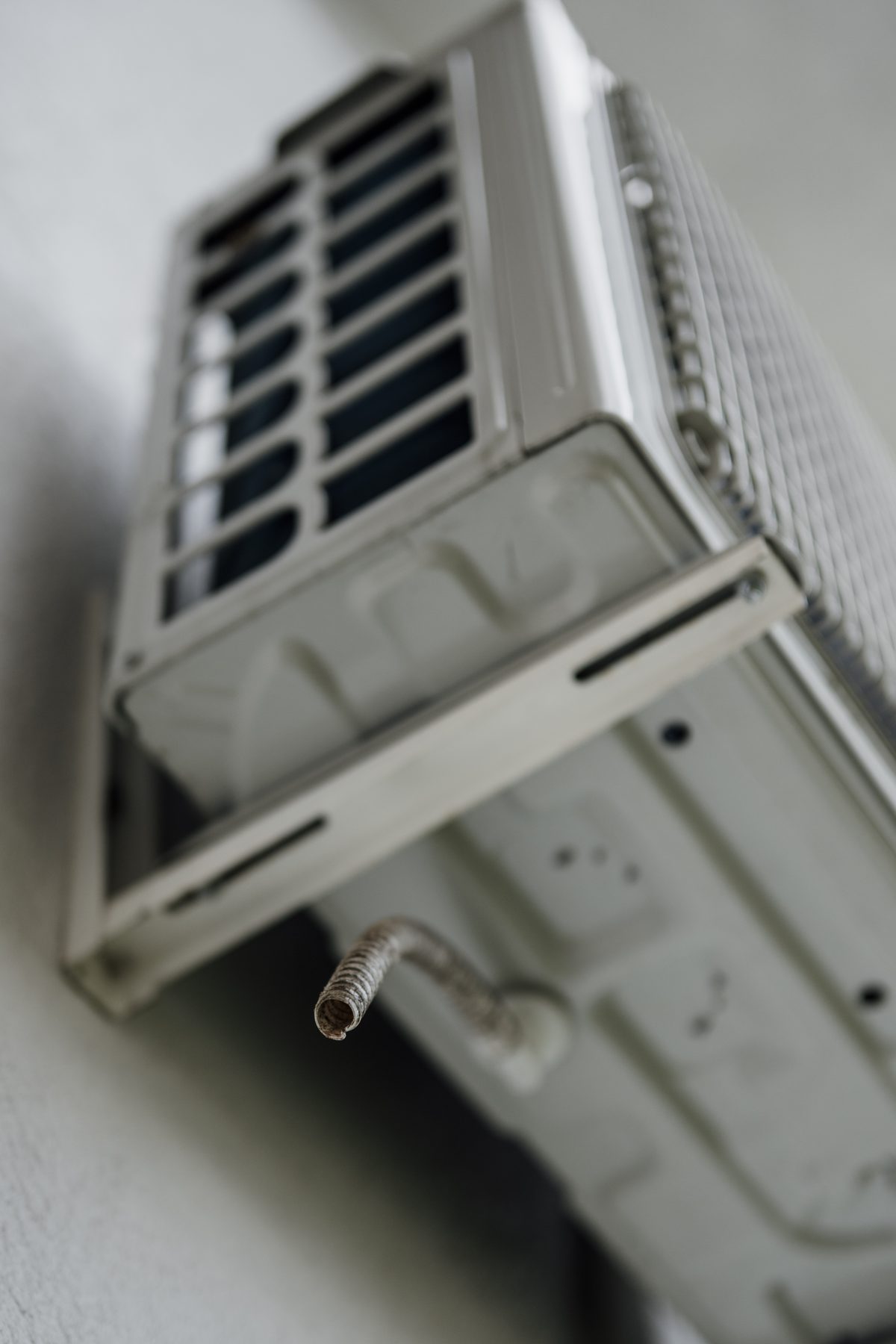
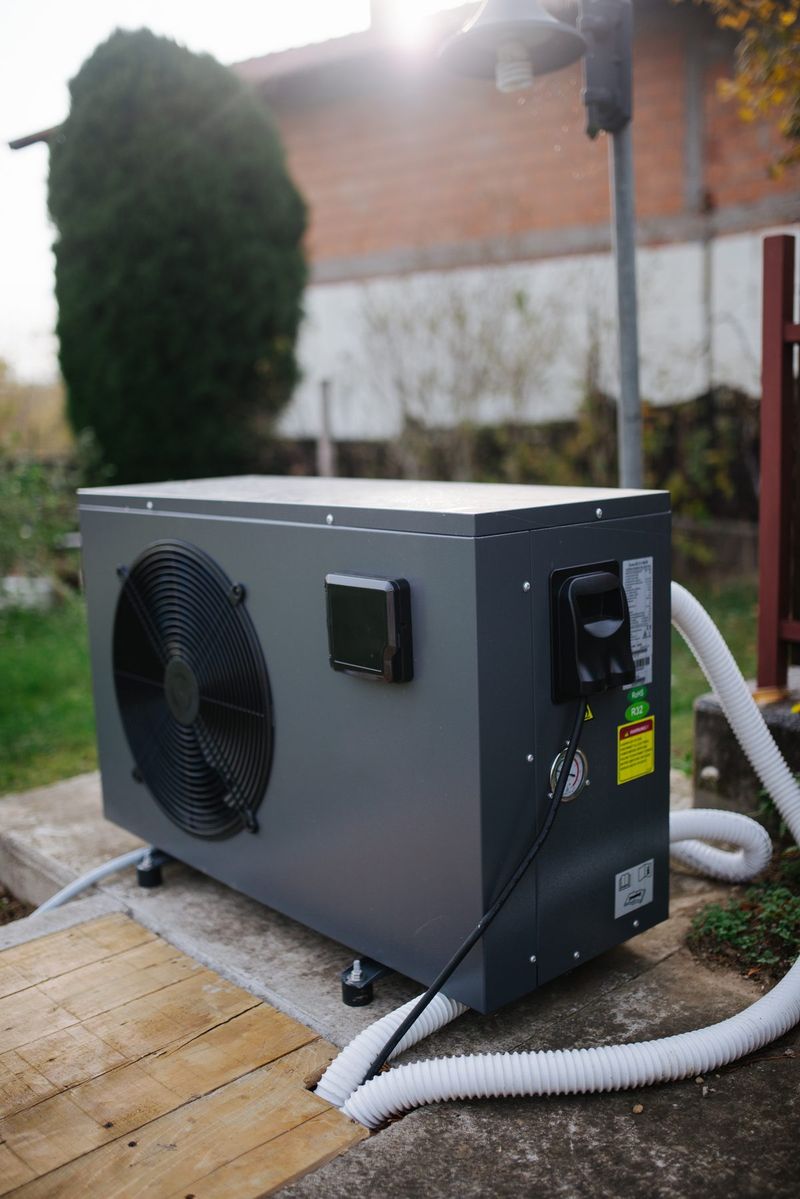
Heat pumps are a third common setup in Pennsylvania. They move heat in and out of the house rather than burning fuel to create it. They are efficient in mild weather, and many homes pair them with a furnace for the coldest days. If your home has a heat pump, learn where the outdoor unit is, keep it clear of debris, and pay attention to how it sounds in winter when it runs its defrost cycle.
How to Find a Contractor in Beaversprings
Start with people you trust. Ask neighbors, coworkers, or the home inspector who looked at your house before you bought it. A home inspector often knows which local companies do solid work. Online reviews can help too, but read them with care. Look for patterns rather than a single glowing or angry review. Do several reviewers mention punctuality, clear pricing, or tidy work? Do several mention the same problem?
Once you have a short list, check the basics. The contractor should be licensed and insured to work in Pennsylvania. Ask for the license number and proof of insurance, and keep a copy. Ask whether the company does background checks on its technicians, and whether the person who comes to your home will be an employee or a subcontractor. These are fair questions, and a professional company will answer them without fuss.
- Ask how the company handles emergency calls, especially in winter when a loss of heat is urgent.
- Ask whether it services your brand and type of equipment.
- Ask what a standard maintenance visit includes and what it costs.
- Ask whether it offers a maintenance plan, and what the plan covers and what it leaves out.
- Ask for a written estimate before any work beyond a basic diagnostic visit.
Do not choose a contractor on price alone. A very low quote can mean corners cut, a smaller system than you need, or a warranty that is shorter than it looks. A very high quote does not guarantee better work either. Compare what each quote includes, and ask questions about anything that is unclear.
Your First Maintenance Visit
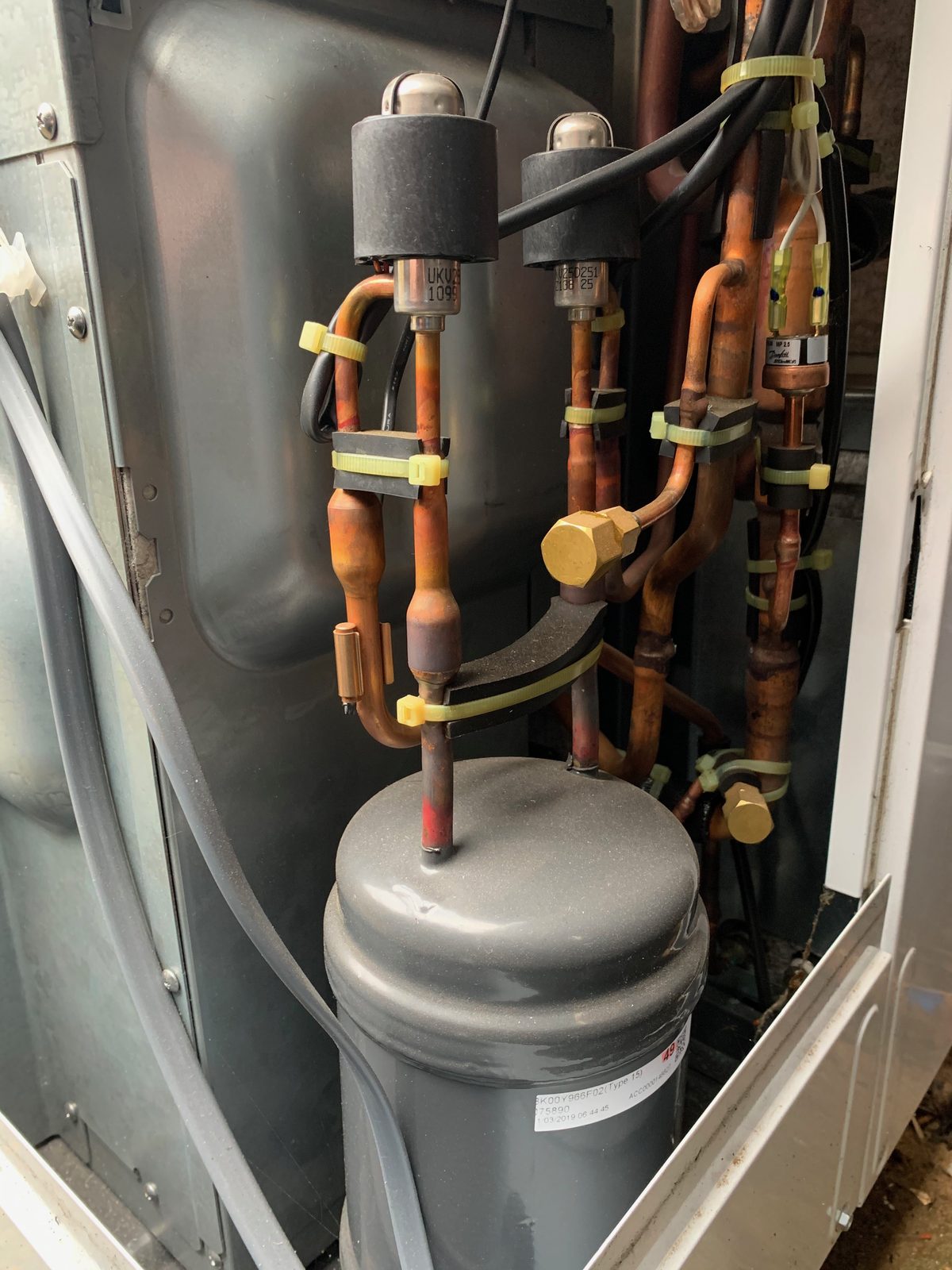
If you have just moved in and do not know when the system was last serviced, book a maintenance visit. Think of it as a health check for the house. The technician will inspect the equipment, clean parts that need cleaning, test safety controls, check the thermostat, and look for wear. For a furnace, that may include checking the burners, the heat exchanger, and the flue. For an air conditioner or heat pump, it may include cleaning the coils, checking refrigerant levels, and clearing the drain.
Use the visit to learn. Ask the technician to show you where the filter goes and how to change it. Ask where the shut-off switches are. Ask what sounds are normal and what sounds mean you should call. Ask how old the equipment appears to be, and what its expected remaining life might be. A technician who takes a few minutes to explain is giving you something valuable: the confidence to run your own home.
Keep a folder, paper or digital, for everything related to the system. Put the maintenance report in it, along with any invoices, warranty papers, and equipment manuals. Note the date of each visit and what was done. Over time that folder becomes a useful record, especially if you need to compare quotes for a repair or a replacement.
Filters, Vents, and Simple Upkeep
Changing the filter is the single most useful maintenance task a homeowner can do. Check it monthly during the heating and cooling seasons. Hold it up to the light: if you cannot see light through it, it is time to replace it. Use the size printed on the old filter, and follow the airflow arrow when you put the new one in. If your home has no filter slot you can find, ask the technician to show you.
Keep vents open and unblocked. Closing vents in unused rooms does not save much energy, and it can strain the system by raising pressure in the ducts. Make sure the outdoor unit has space around it. Trim back plants, clear leaves in fall, and brush snow away in winter. Inside, keep the area around the indoor unit clear so a technician can reach it easily.
Pay attention to humidity as well as temperature. Pennsylvania summers are humid, and an air conditioner removes moisture as it cools. If the house still feels damp, the system may be oversized, the filter may be dirty, or the drain may be blocked. In winter, very dry air can make the house feel colder than it is. A humidifier can help, but it needs regular cleaning to avoid mold and bacteria. Ask a contractor whether one makes sense for your home.
Red Flags to Watch For
Some warning signs are easy to learn. Be cautious of a contractor who insists on a full replacement without explaining why a repair would not work. Be cautious of anyone who refuses to put a quote in writing, or who asks for full payment in cash before work starts. Be cautious of a company that cannot show proof of insurance, or that will not say who will do the work.
Also be wary of upselling that does not match your needs. Not every home needs the most advanced thermostat, the largest air cleaner, or a full duct replacement. Ask what problem each suggested add-on solves, and what happens if you skip it. A good contractor will explain the trade-offs and let you choose. If you feel pressured, take time to think. A heating or cooling decision made in a hurry is rarely the best one.
When a Repair Becomes a Replacement
Every system reaches a point where repairs stop making sense. The signs are familiar: frequent breakdowns, rising energy bills, rooms that never feel comfortable, or a major part that has failed on an old unit. When that point arrives, do not rush. Get two or three written quotes for a replacement, and ask each contractor how they chose the size of the new equipment. The right size depends on the house, not just on the old unit.
Ask about warranties in detail. There is usually a warranty on parts from the manufacturer and a separate warranty on labor from the contractor. Find out how long each lasts, what it covers, and what could void it. Some warranties require annual maintenance by a qualified technician. Keep the paperwork, and register the equipment with the manufacturer if that is required.
Think about timing too. Replacing a furnace in October, before the cold sets in, is calmer than replacing it in January when it has already failed. Replacing an air conditioner in spring is easier than doing it during a heat wave. If your system is old and you can plan ahead, use the mild seasons to get quotes and schedule the work.
A Simple Seasonal Routine
A simple routine will carry you through the year. In early fall, book a heating check, test the thermostat, and make sure you have spare filters. Check carbon monoxide detectors and replace batteries if needed. In late spring, book a cooling check, clear the area around the outdoor unit, and make sure the condensate drain is clear. In between, change filters, listen for new noises, and note any room that feels different from the rest.
Owning a home in Beaversprings means learning these routines one step at a time. You do not need to become an HVAC expert. You need to know what equipment you have, who to call when it needs help, and how to spot a problem early. With a reliable contractor, a little regular care, and a habit of asking questions, your heating and cooling system can keep the house comfortable through Pennsylvania winters and summers alike.
Map of Beaversprings, Pennsylvania
Related Guides