Find A Contractor
Filter nearby cities:
Or search by ZIP code:
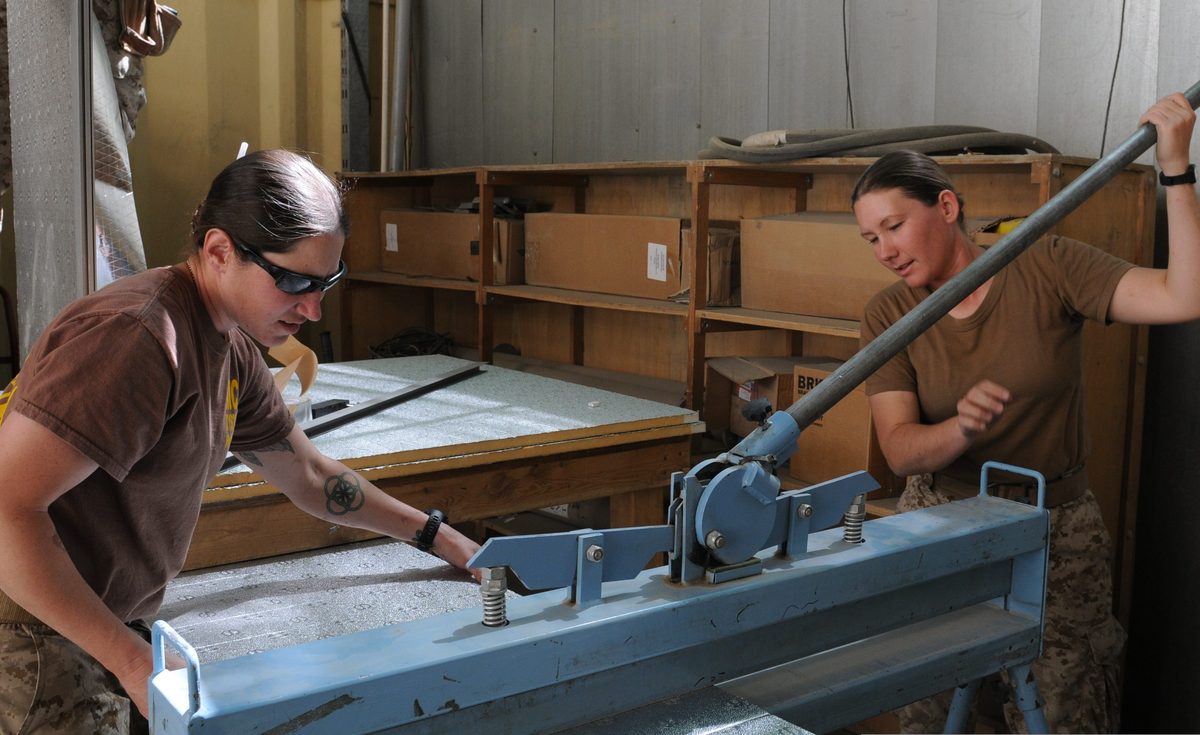
When the heating or cooling fails in a business, the problem is not just comfort. Employees cannot work well in a freezing office, customers leave a shop that is too hot, and a restaurant kitchen with a failed exhaust or cooling system may have to close for the day. Commercial HVAC repair in Beaver, Pennsylvania is a different job from residential repair, and it needs a different kind of contractor.
A home has one furnace or heat pump and a few rooms. A business may have rooftop units, a larger duct system, multiple zones, a ventilation system that must meet code, and equipment that runs long hours every day. The repair has to be fast, it has to be done safely, and it has to keep the business open if at all possible. This guide explains what commercial HVAC repair covers in Beaver, how to find a contractor who does commercial work, what to expect during a repair, and how a maintenance contract can prevent the next breakdown.
What Makes Commercial HVAC Different
Scale is the first difference. Commercial systems are larger, they serve more space, and they often run longer hours than a home system. A rooftop unit may heat and cool a whole storefront, an office floor, or a small warehouse. A larger building may have several units, each serving a different zone, with controls that manage them together. A technician who only works on homes may not have the training or the parts for that kind of equipment.
Ventilation is the second difference. A business needs fresh air for employees and customers, and the ventilation system has to move that air in the right amounts. A restaurant needs exhaust for cooking. An office needs steady fresh air through the workday. A shop with a loading dock needs controls that handle doors opening and closing. Poor ventilation in a business is not just uncomfortable; it can affect health, safety, and code compliance.
Zoning is the third difference. A single building may have a sunny side that needs cooling while a shaded side needs heat. A meeting room full of people needs more cooling than an empty storage room. Commercial controls divide a building into zones so each area gets the heating or cooling it needs. When zoning controls fail, one part of the building can be freezing while another is too hot, and the system wastes energy trying to satisfy both.
The Equipment You Will Find on Beaver Businesses
Rooftop units are the most common sight on commercial buildings in Beaver. A rooftop unit combines heating and cooling in one package that sits on the roof, which saves indoor space and makes service access straightforward for a technician with roof access. Rooftop units need regular attention: filters, belts, coils, fans, and controls all wear with constant use. A unit that serves a busy shop or office can collect a lot of wear in a single year.
Split systems are also common, especially in smaller commercial spaces. A split system has an indoor unit and an outdoor unit, much like a home system, but sized for a larger space and longer run times. Ductless mini-splits are used in some offices and shops for individual rooms or zones that need separate control.
Larger buildings may use boilers, chillers, or air handlers with extensive ductwork. Those systems need a contractor with commercial experience and the right tools. If your building has a boiler, a chiller, or a building automation system, ask a contractor directly whether they service that equipment. A general residential shop may not.
Exhaust and make-up air systems are common in restaurants and workshops. An exhaust fan that fails in a kitchen is a safety and health problem, not just a comfort problem. A contractor who does commercial work should understand how exhaust, make-up air, and heating and cooling work together in a commercial kitchen or work space.
Common Commercial Repairs in Beaver
Failed compressors, worn belts, failed capacitors, and control problems are among the most frequent commercial repairs. A rooftop unit that short-cycles, a zone that will not hold temperature, or a system that runs constantly without cooling the space are all signs that something needs attention. A technician should diagnose the cause, not just replace the part that failed, because a failed part is often a symptom of a deeper problem such as low airflow or a refrigerant leak.
Refrigerant leaks deserve special care in a commercial setting. Refrigerant is not used up the way fuel is. If the level is low, there is a leak, and topping it off without finding the leak means the same charge will be needed again. A commercial technician should look for the leak, explain the repair options, and document the work for your records.
Control failures are common too. A thermostat that reads wrong, a zone damper that sticks, or a building control system that loses its schedule can leave parts of a building uncomfortable even though the equipment is fine. A contractor who understands commercial controls can test the sensors, the dampers, and the control wiring, rather than assuming the rooftop unit itself has failed.
Ductwork problems show up in commercial buildings as well. Leaky ducts waste heated and cooled air, and a duct that is disconnected in a ceiling space can leave a whole zone without air. A contractor who inspects the ductwork as part of a diagnosis can save a business from paying for a new unit when the real problem is air that never reaches the rooms.
How to Find a Commercial HVAC Contractor in Beaver
Look for a contractor who does commercial work as a regular part of the business, not as an occasional job. Ask how much of their work is commercial, what kinds of buildings they serve, and whether they have technicians trained on rooftop units and commercial controls. A company that mainly serves homes may not stock commercial parts or have a technician available for a rooftop unit on a busy day.
Confirm licensing and insurance, and ask for proof. Commercial work carries higher stakes than residential work, because a mistake can close a business or affect many people. The contractor should carry insurance that covers commercial work, and the technicians should be trained to work safely on roofs and with larger electrical systems.
Ask other business owners in Beaver who they use. A recommendation from a shop, office, or restaurant owner who had a rooftop unit repaired is more useful than a general review. Ask whether the contractor arrived when promised, whether the repair kept the business open, and whether the price matched the quote.
Ask about response times. A business cannot wait days for heat in winter or cooling in summer. Ask how the contractor prioritizes commercial calls, whether they offer after-hours and weekend service, and how quickly they can usually reach Beaver. A contractor with a clear emergency plan for businesses is more useful than one that treats a commercial call like a home visit.
What to Expect During a Commercial Repair Visit
A commercial repair visit usually starts with questions about the building: which zones are affected, when the problem started, whether the system has had recent work, and whether the building will be occupied during the repair. The technician should then inspect the equipment, the controls, and the airflow, and give you a diagnosis in plain language.
Ask for the diagnosis and the price in writing before the work starts. For a business, that written record matters for budgeting, for insurance, and for tracking what was done to each unit. It should list the failed part or the underlying cause, the work included, the parts used, and the warranty on the repair.
Ask whether the repair can be done while the business is open, or whether it needs to happen after hours. Some rooftop work is noisy or requires shutting down a zone, which may mean scheduling the repair for a time when customers or employees are not affected. A contractor who plans around your business hours is doing commercial work properly.
Before the technician leaves, confirm what was done, what was replaced, and what to watch for next. Ask whether anything else looks worn and whether a follow-up visit is needed. Keep the paperwork with your building records, along with the model and age of each unit.
Maintenance Contracts: What They Are and Whether You Need One
A maintenance contract, sometimes called a service agreement, is a written plan for regular visits to your commercial HVAC equipment. A typical contract includes seasonal inspections, filter changes, coil cleaning, belt checks, control testing, and a written report after each visit. Some contracts also include priority response for emergency calls and a discount on repairs.
For a business, the value of a contract is in prevention. A rooftop unit that runs every day collects wear quickly. A belt that is about to fail, a coil that is clogged with dirt, or a control that is drifting out of calibration can all be caught during a routine visit, before they cause a breakdown during business hours. A contract also means the contractor already knows your building, your equipment, and your zones, so a repair visit starts faster.
Read the contract carefully before you sign. It should list exactly which units are covered, how many visits are included, what work is included in each visit, and what costs extra. It should say how quickly the contractor will respond to an emergency call and whether there is a different rate for after-hours work. Compare the cost of the contract against the cost of booking the same visits separately, and ask what happens if you need to cancel or change the agreement.
A contract is not right for every business. A small shop with one rooftop unit may do just as well booking a heating check in the fall and a cooling check in the spring. A larger building with several units, multiple zones, and long operating hours is more likely to benefit from a formal plan. Ask the contractor to explain the trade-off for your building, not just the price of the contract.
Permits, Codes, and Safety in Commercial Work
Commercial HVAC work often involves permits and code requirements that do not apply to a home. A replacement rooftop unit, a change to the ductwork, or work on gas lines may require a permit and an inspection. A professional commercial contractor handles the permit as part of the job and schedules the inspection. If a contractor suggests skipping a required permit, treat that as a reason to look elsewhere.
Safety matters more in a commercial building because more people are affected. A gas leak, a carbon monoxide problem, or a failed exhaust system in a restaurant can endanger employees and customers. If you smell gas, or if a carbon monoxide alarm sounds, evacuate the building and call for emergency help from outside. Do not try to find the leak yourself.
Keep records of every commercial repair and inspection. Building owners, tenants, and insurers may all need to see that the equipment was maintained and repaired properly. A folder with contracts, invoices, permits, and inspection records is part of running a commercial building responsibly.
Red Flags in Commercial Repair
Be careful with a contractor who pressures you to replace a rooftop unit on the spot, without a written diagnosis and without time to compare quotes. A failed unit in the middle of summer is stressful, but a rushed replacement can leave you with the wrong size or the wrong equipment for your building. A trustworthy contractor will explain whether a repair can keep you open safely while you price a replacement.
Watch for a contractor who will not put a quote in writing, who demands full payment before work starts, or who cannot explain the problem in plain language. For a commercial job, a written quote should list the equipment, the scope of work, the warranty, and the total price. If any of that is missing, ask for it before you agree.
Be wary of a very low bid. In commercial work, a low bid can mean used parts, skipped steps, or a unit that is the wrong size for the building. It can also mean the quote leaves out work you will be charged for later, such as crane rental for a rooftop unit, duct changes, or electrical upgrades. Ask for the full scope before you sign.
Planning Ahead for Your Beaver Business
Keep a record of each unit: its brand, model, age, and service history. Note which zones it serves and any recurring problems. That record helps a contractor diagnose a new problem faster, and it helps you decide when a unit is costing more in repairs than it is worth.
Schedule a heating check before winter and a cooling check before summer, and do it early enough that a repair can be done before the season starts. A rooftop unit that is checked in the fall is less likely to fail in January, when a business cannot afford to close.
Build a relationship with a commercial contractor before you need one in an emergency. A contractor who already knows your building, your equipment, and your business hours will respond faster and work more efficiently than one who is seeing the roof for the first time on the day your system fails.
Commercial HVAC repair in Beaver is about keeping a business running, not just fixing a machine. Find a contractor who does commercial work every day, ask for written diagnoses and quotes, keep your maintenance on schedule, and keep the paperwork for every job. Your employees, your customers, and your building will all be better for it.
Map of Beaver, Pennsylvania
Related Guides