Find A Contractor
Filter nearby cities:
Or search by ZIP code:
Your house in Bearlake feels cool on the thermostat, but the air feels heavy. The furniture feels damp, the basement smells musty, and the air conditioner runs in short bursts without ever making the house feel truly comfortable. That is a humidity problem, and in Bearlake, Pennsylvania, it is one of the most common cooling complaints a homeowner can have.
Pennsylvania summers are humid, and homes near water can feel it even more. An air conditioner does two jobs at once: it cools the air and it removes moisture from it. When it only does the first job well, the house stays clammy. HVAC contractors in Bearlake deal with this pattern every summer, along with the heating work that dominates the rest of the year. This guide explains how cooling and humidity control work in a Pennsylvania home, how to choose a contractor, and what to ask before you pay for a repair or a new system.
How an Air Conditioner Really Cools a House
An air conditioner does not pump cold air into a house the way a furnace pumps warm air. It removes heat and moisture from the indoor air and moves that heat outside. The indoor coil gets cold, air blows across it, moisture condenses on the coil, and the cooled, drier air flows back into the rooms. The water that condenses drains away through a drain line.
That process takes time. An air conditioner needs to run long enough for the coil to get cold and for moisture to condense. A system that turns on, cools the air by a few degrees, and shuts off quickly never gets the chance to remove much humidity. That is why a larger air conditioner is not always better. A unit that is too large for the house will short-cycle: it cools fast, shuts off, and leaves the air damp.
A right-sized system runs in longer cycles. It cools the house steadily and pulls more moisture out with each cycle. The result is air that feels comfortable at a slightly higher thermostat setting, because dry air feels cooler than humid air at the same temperature. If your house feels clammy even when the temperature looks right, sizing and airflow are the first things to discuss with a contractor.
Signs Your Cooling System Is Struggling
Warm air from the vents is the most obvious sign, but it is not the only one. A frozen indoor coil, water leaking near the indoor unit, a system that runs all day without reaching the set temperature, or a sudden rise in energy use all point to a problem worth checking. A clogged drain line can cause water damage before you notice anything wrong with the cooling itself.
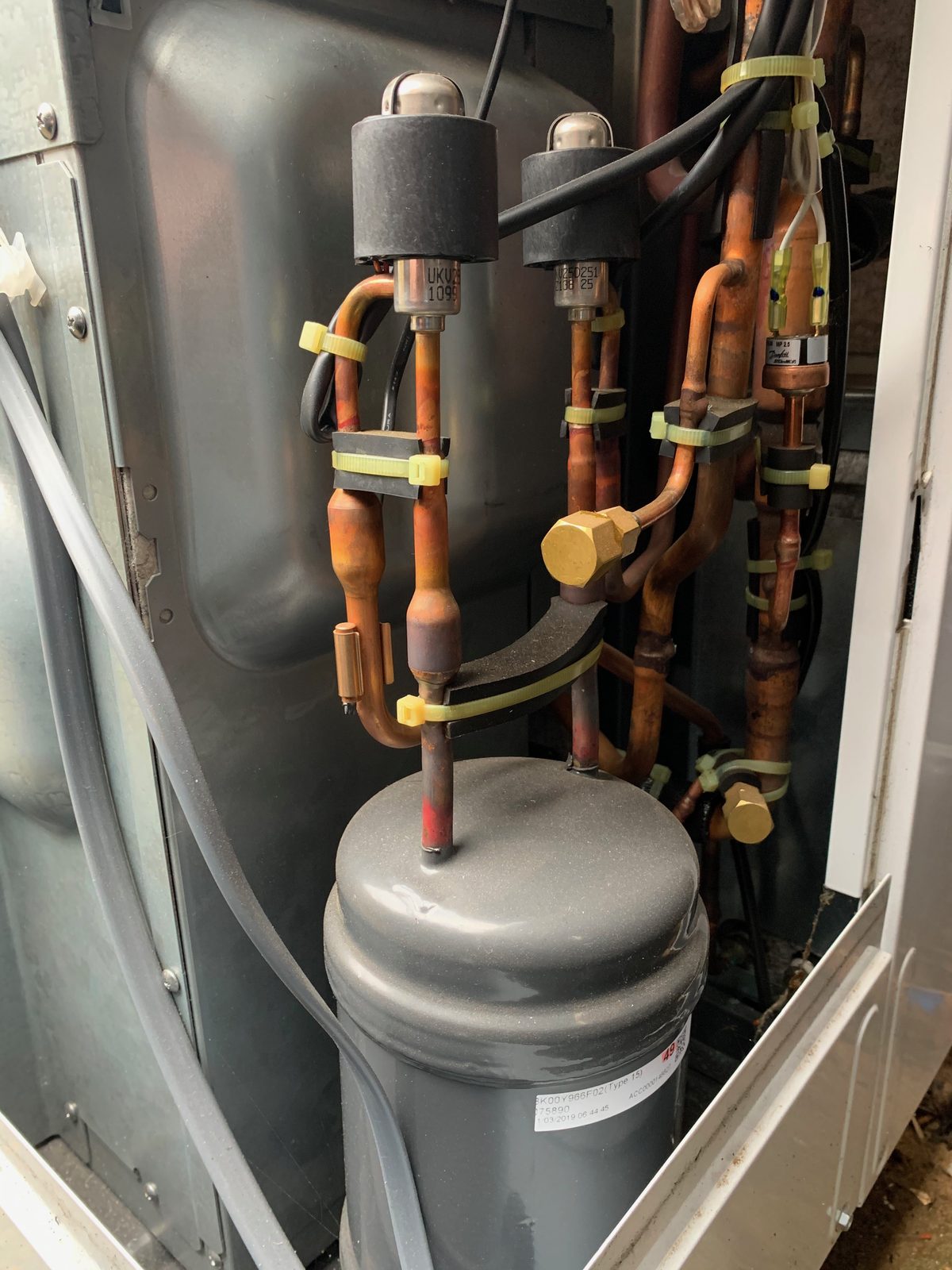
Listen for changes. A new buzzing, rattling, or grinding sound from the outdoor unit, a blower that sounds strained, or a system that starts and stops every few minutes are all worth a call. Short cycling wastes energy, wears out parts, and leaves humidity behind. It is often caused by a dirty filter, low refrigerant, a failing capacitor, or a system that was never sized correctly for the house.
Check the filter first. A clogged filter cuts airflow, and low airflow can freeze the indoor coil. If you find ice on the coil or on the refrigerant lines, turn the system off and let the ice melt before you call. Running a frozen system will not fix it, and it can damage the compressor. Once the ice is gone, a technician can check airflow and refrigerant levels to find the underlying cause.
Humidity, Basements, and Damp Air
Basements in Pennsylvania often feel damp in summer, and Bearlake homes are no exception. Cool basement air holds less moisture, so humid summer air that enters a basement can condense on cool walls and floors. That dampness can lead to musty smells and, over time, to mold growth on stored items and surfaces. An air conditioner alone may not solve a basement humidity problem, because the basement may not get enough airflow from the central system.
A contractor can check whether your ductwork delivers enough air to the basement, whether the basement has a return vent, and whether a standalone dehumidifier would help. A dehumidifier is a separate appliance that pulls moisture from the air and drains it away. It is not a substitute for a working air conditioner, but it can be a useful addition in a damp basement or a house that stays humid even with a right-sized cooling system.
Ventilation matters too. A bathroom without a working exhaust fan, a dryer vent that leaks moist air indoors, or a house with no fresh air intake can all add moisture. Small fixes, such as repairing a fan or sealing a duct leak, can make a real difference in how the house feels. Ask a contractor to look at the whole picture before you agree to a single piece of equipment.
Heating Still Matters in Bearlake
Cooling gets the attention in summer, but heating carries the load for most of the year in Pennsylvania. Many Bearlake homes have a furnace paired with central air, or a heat pump that handles both seasons. A furnace that worked fine last winter can develop a problem over the summer while it sits idle, and the first cold night is when that problem shows up.
Schedule a heating check in the fall, before the furnace has to run all day. A tune-up should include checking the burner, cleaning the flame sensor, testing safety controls, and checking airflow. It is also a chance to catch a worn igniter or a dirty filter before winter arrives. The same contractor who handles your cooling can usually handle your heating, and using one company for both means they know your whole system.
If your home uses a heat pump, ask the contractor to check the backup heat settings before winter. A heat pump works harder as outdoor temperatures drop, and the backup heat should switch on smoothly when it is needed. A wrong setting can leave the house cold or use more energy than it should on the coldest nights.
Finding a Contractor in Bearlake
Start with recommendations from neighbors, especially neighbors who had cooling work done. Ask what the contractor did, whether the price matched the quote, and whether the technician explained the problem. A contractor who does careful cooling work for one household usually does the same for the next.
Confirm licensing and insurance before you hire anyone. Ask for proof and make sure it is current. A licensed, insured contractor protects you if something goes wrong during the work. Also ask whether the contractor has experience with your type of system, whether it is a furnace with central air, a heat pump, or a ductless mini-split.
Ask about response times in summer. A failed air conditioner during a heat wave is uncomfortable, and a contractor who is booked solid may not reach you for days. Ask how they prioritize emergency calls, whether they offer after-hours service, and whether there is a different rate for it. You do not need a promise of instant arrival. You need a clear answer so you can plan.
Comparing Quotes for a New Cooling System
If your air conditioner is failing often or cannot keep the house comfortable, it may be time to price a replacement. Get at least two written quotes. Each quote should name the equipment brand and model, list the work included, state the warranty terms, and give a total price. It should also say what is not included, such as duct changes, electrical work, or removal of the old unit.
Ask how the new system was sized. A proper sizing calculation looks at your house: its size, insulation, windows, and layout. A contractor who sized by the old unit alone, or by a quick guess, may install a system that is too large and leaves your house humid, or too small and runs all day without catching up. Ask them to explain the calculation in plain words.
Ask about the warranty in two parts: the manufacturer warranty on the equipment and the contractor warranty on the installation labor. A long equipment warranty does not cover a poor installation. Keep all the paperwork together, and ask what maintenance the warranty requires, such as regular filter changes or annual service.
Red Flags to Watch For
Be careful with a contractor who wants to add refrigerant without looking for a leak. Refrigerant is not used up the way fuel is. If the level is low, there is a leak somewhere, and topping it off without fixing the leak means you will pay for the same refrigerant again next year. A careful technician will look for the leak and explain the repair options.
Watch for a contractor who pressures you to replace a system on the first visit, or who gives a price without seeing your house and your ductwork. A replacement quote should come after an in-person inspection. Also be wary of a contractor who will not put a quote in writing, who demands full payment before work starts, or who suggests skipping a required permit.
Be careful with promises that a new air conditioner will solve every humidity problem in the house. A right-sized system helps a lot, but it cannot fix leaky ducts, a damp basement with no airflow, or a house with no ventilation. A good contractor names those other factors honestly.
Maintenance That Keeps Cooling Working
Change your air filter regularly. Check it monthly during cooling season. A clean filter protects airflow, keeps the coil from freezing, and helps the system remove humidity. Keep a spare filter on hand and write the size down so you buy the right one.
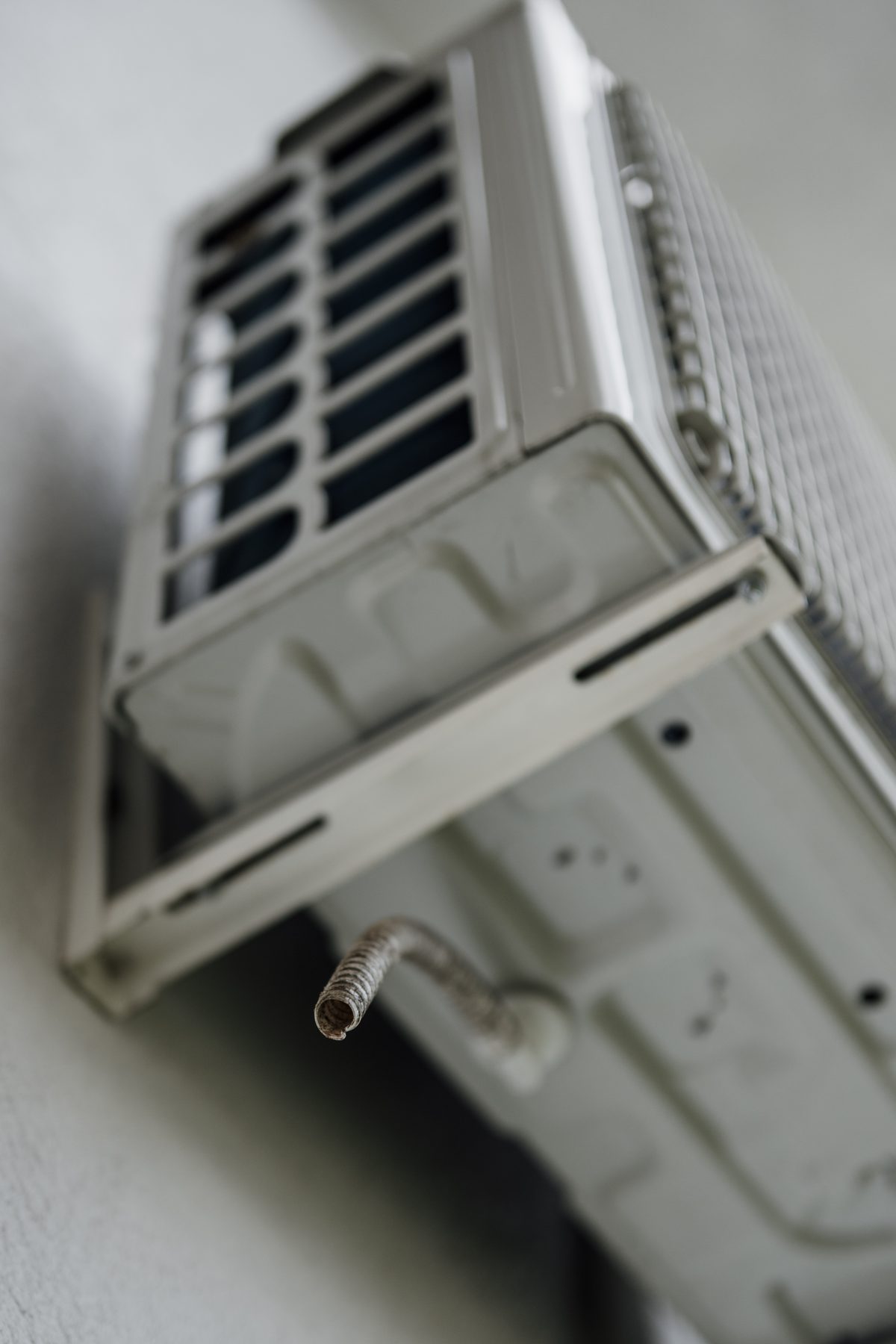
Keep the outdoor unit clear of leaves, grass clippings, and debris. Do not plant shrubs too close to the condenser, and do not stack items against it. Good airflow around the outdoor unit helps the system release heat efficiently. In spring, a gentle rinse of the outdoor coil with the power off can help, but leave chemical cleaning and internal parts to a professional.
Check the condensate drain line now and then. If water is pooling near the indoor unit, the drain may be clogged. A clogged drain can damage floors and ceilings, and it is one of the most common summer service calls. A technician can clear it and check whether the drain is sloped correctly.
Schedule a cooling check in late spring, before the first hot, humid week. A tune-up is a chance to catch a low refrigerant charge, a failing capacitor, or a dirty coil before the season when you need the system most. It is also a chance to ask the technician about any room that felt damp or uncomfortable last summer.
Repair or Replace
Age alone does not settle the question. A well-maintained air conditioner can last many years, while a neglected one can fail early. The useful questions are how often it breaks, how much each repair costs, and whether it still cools and dehumidifies the house well. If repairs are frequent, if one repair costs a large share of a replacement, or if the house stays damp even after repairs, it is time to price a new system.
If the problem is a single failed part on an otherwise sound system, a repair is usually the better choice. Ask the contractor to explain the trade-off in plain terms, and get a second written quote before you commit to a full replacement.
A comfortable home in Bearlake is not just a cool home. It is a home where the air feels dry enough to be comfortable, the basement does not smell musty, and the cooling system runs in steady cycles instead of short bursts. Find a contractor who understands humidity as well as temperature, get written quotes for major work, and keep up with the filter changes and seasonal checks that keep a Pennsylvania cooling system working all summer.
Map of Bearlake, Pennsylvania
Related Guides