Find A Contractor
Filter nearby cities:
Or search by ZIP code:
How do you find heating and cooling help when you live outside the big towns? In Beale, Pennsylvania, that question comes up every winter, when a furnace that worked fine in October suddenly will not fire up, and every summer, when an old air conditioner starts blowing warm air on the hottest week of the year. Small communities often have fewer contractors nearby, which makes it worth knowing what to look for before you need someone in a hurry.
HVAC contractors in and around Beale handle the same core work as anywhere else in Pennsylvania: repairs, replacements, and seasonal maintenance for furnaces, heat pumps, boilers, and central air conditioning. The difference is practical. A contractor may travel farther to reach you, parts may take longer to arrive, and you may need to plan ahead rather than expect same-day service for every problem. None of that means you should settle for less. It means the contractor you choose should be clear about response times, service area, and what happens when a part has to be ordered.
This guide covers the systems common in Beale homes, how to find a contractor who serves the area, what a fair quote looks like, and the maintenance steps that matter most when help is a drive away.
The Heating and Cooling Systems You Will Find Around Beale
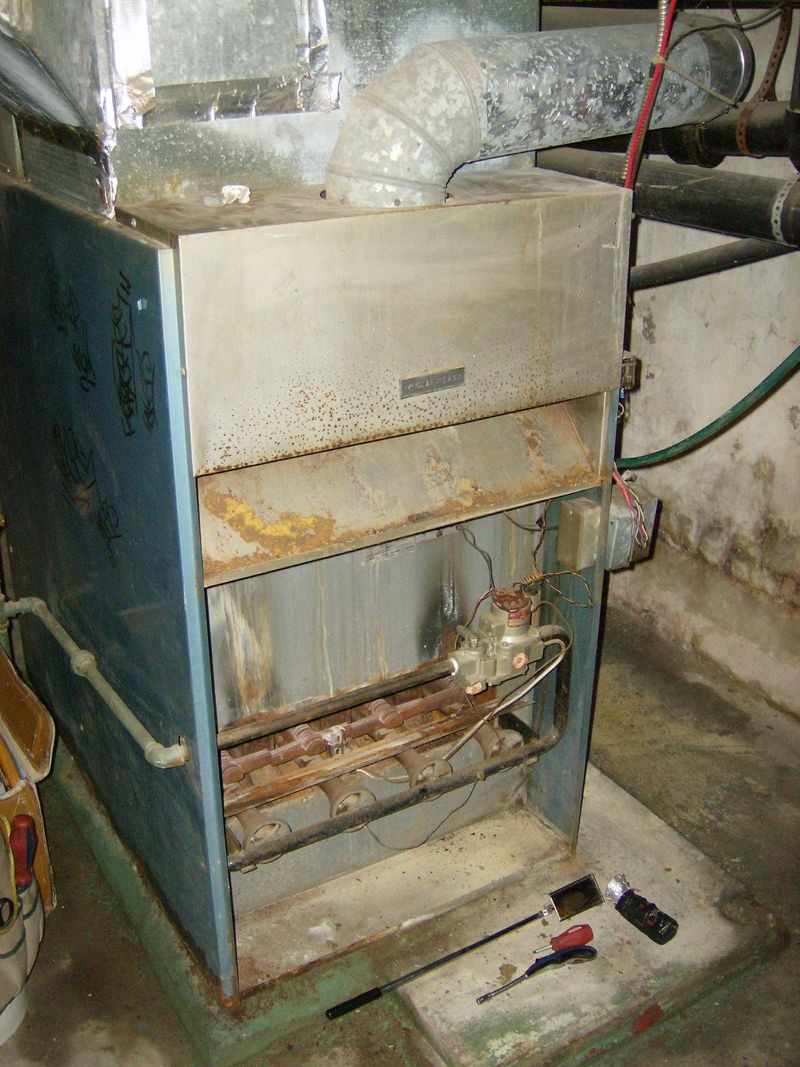
Many homes in rural Pennsylvania use a furnace as the main heat source, often fueled by oil, propane, or natural gas where it is available. A furnace heats air and moves it through ducts to each room. When it works well, the house warms evenly. When it does not, the signs are hard to miss: cold rooms, short bursts of heat, strange noises at startup, or a burner that cycles on and off without ever catching up.
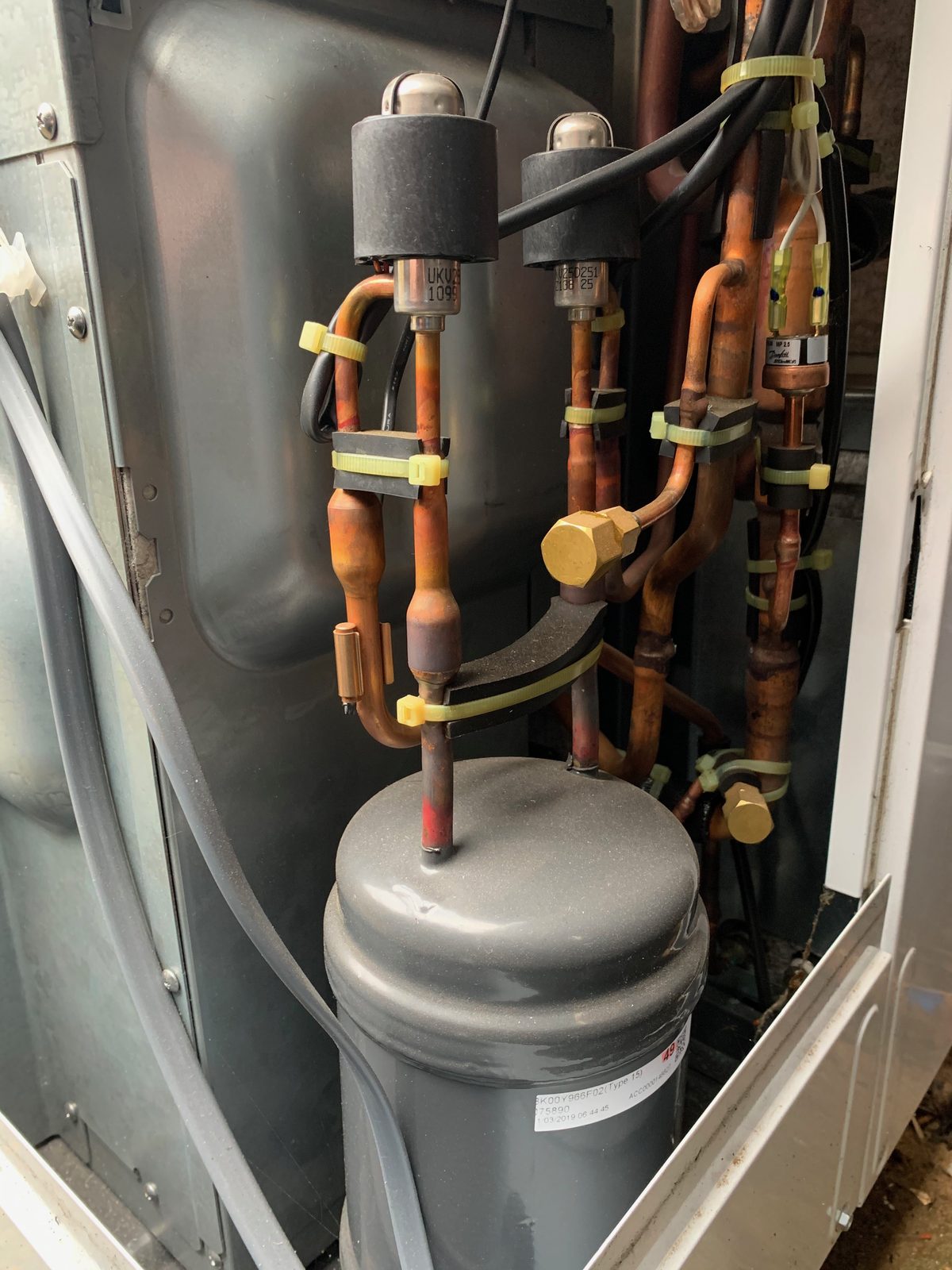
Heat pumps are common too, and they suit the Pennsylvania climate better than some homeowners expect. A heat pump moves heat rather than making it from fuel, so it can heat a house in winter and cool it in summer with the same equipment. In very cold weather, many heat pump systems switch to backup electric heat or pair with a furnace. If you have a heat pump, ask a contractor whether your backup heat is set up correctly, because a wrong setting can lead to high energy use on the coldest nights.
Some homes still rely on a boiler and radiators, or on baseboard heaters. Boilers heat water and send it through pipes to radiators or in-floor tubing. They are quiet and steady, but they need their own kind of care: pressure checks, bleeding radiators that stay cold at the top, and attention to leaks. If your home has a boiler, look for a contractor with real experience on hydronic systems, not just forced-air furnaces.
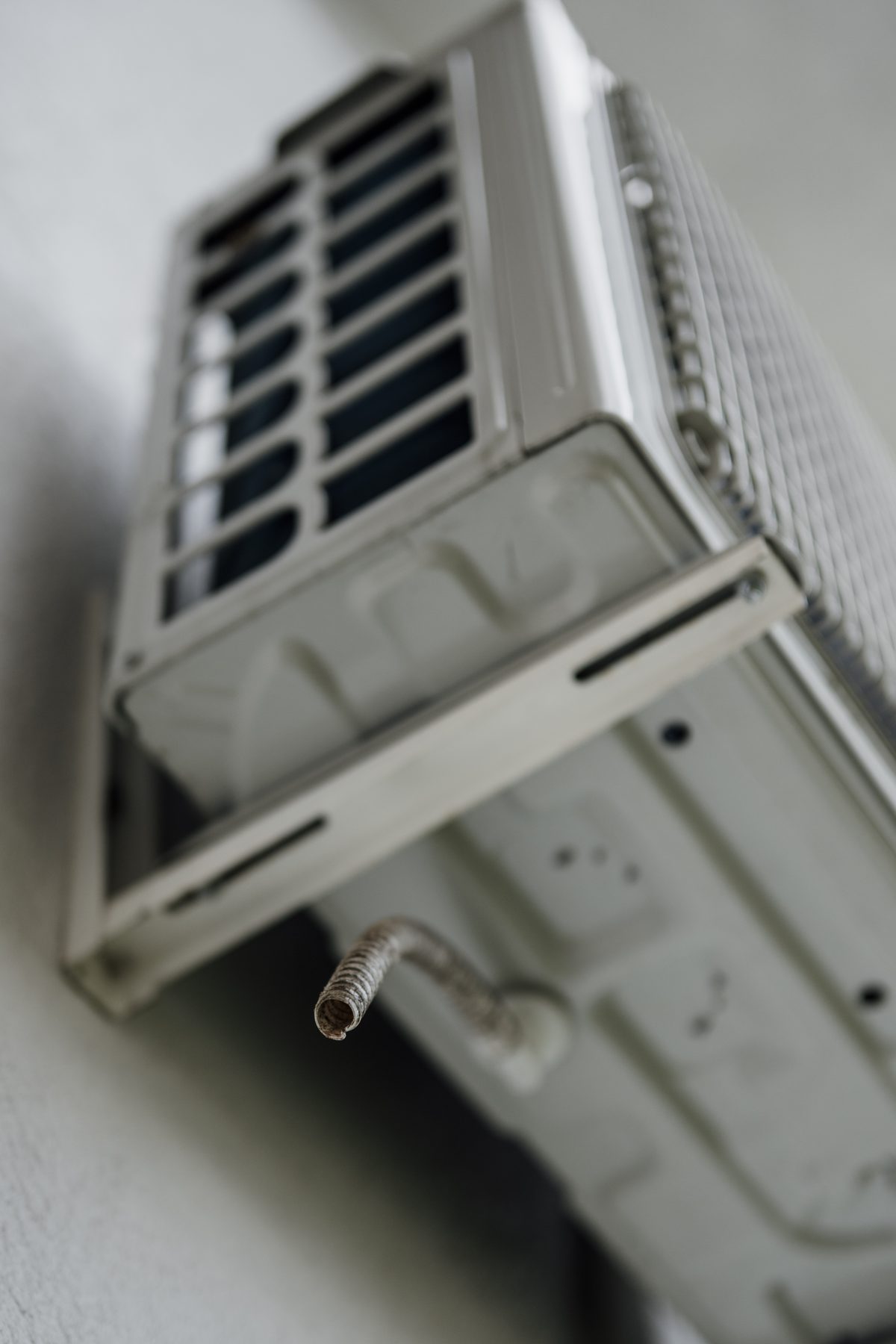
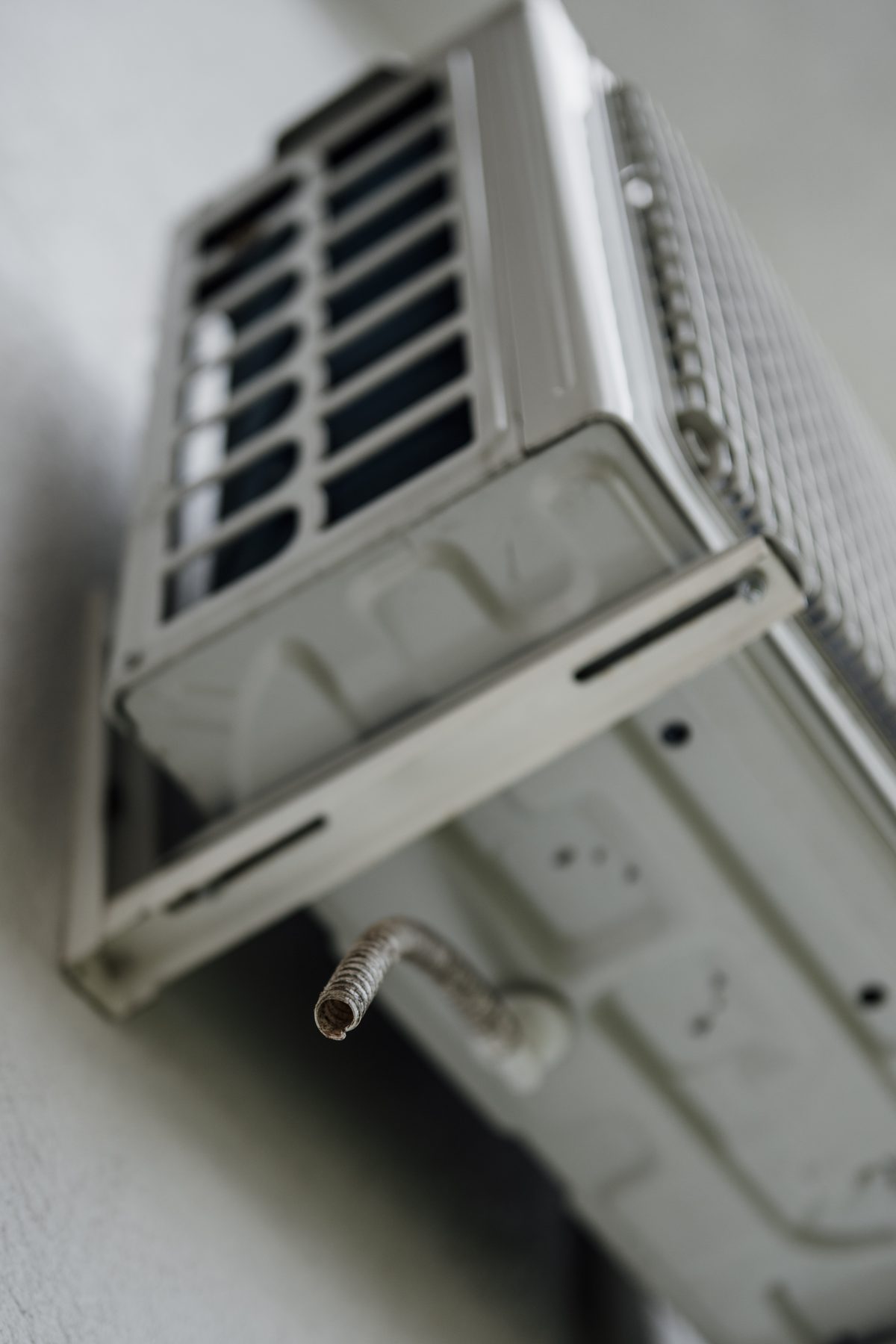
Cooling in Beale is usually central air paired with a furnace, a heat pump, or a ductless mini-split. Mini-splits are a good fit for additions, converted spaces, and homes without ductwork. They cool one room or zone at a time, which can be useful when only part of the house needs cooling. A contractor should be able to explain which option fits your house, rather than pushing the one they install most often.
Why Distance Changes the Plan
Living outside a larger town changes how you should think about HVAC service. A contractor based farther away may charge a trip fee, schedule visits by area on certain days, or need a day or two to get a part. Ask about all of that before you book, so a routine repair does not turn into a surprise on the bill.
It also means maintenance matters more. A furnace tune-up in the fall can catch a worn igniter or a dirty burner before the first hard freeze. A cooling check in late spring can catch a low refrigerant charge before the first heat wave. When a breakdown would leave you waiting for a part, preventing the breakdown is worth more than it is in a town with three shops on the same street.
Keep a basic record of your equipment. Write down the brand, model, and age of your furnace, air conditioner, or heat pump, and keep past invoices in one folder. When you call a contractor, that information helps them bring the right parts or tell you honestly that a part has to be ordered. It also helps you compare quotes later, because you will know exactly what system you already own.
How to Find a Contractor Who Serves Beale
Start by asking neighbors and people you already trust. In a small community, a recommendation carries weight, especially when it comes from someone who had the same kind of system repaired. Ask what the contractor did, whether the price matched the quote, and whether the technician explained the work. A contractor who treats one household well tends to treat the next one the same way.
Check licensing and insurance before you hire anyone. Ask the contractor for proof, and confirm that the coverage is current. A licensed and insured contractor protects you if something goes wrong during the work. If a contractor is vague about credentials or says paperwork is not needed for a small job, that is a reason to keep looking.
Ask directly whether Beale is inside their normal service area. Some contractors serve a wide region and visit outlying towns on set days. Others charge extra beyond a certain distance. Either arrangement can work, as long as you know it in advance. Also ask who answers the phone after hours. A company with a clear emergency plan is more useful than one that leaves you guessing on a cold night.
Look for a contractor who is comfortable with your fuel type. Oil and propane systems need different knowledge from natural gas. A technician who works on oil furnaces every week will spot a clogged nozzle or a failing fuel pump faster than someone who rarely sees one. If your home uses propane, ask whether the contractor is familiar with propane safety controls and tank regulators.
Comparing Written Quotes Without Getting Lost
For any job beyond a simple repair, get at least two written quotes. A useful quote names the equipment, the work included, the warranty, and the total cost. It should also say what is not included, such as duct modifications, electrical upgrades, or removal of the old unit. When two quotes look far apart, the difference is usually in those details, not in the equipment alone.
Ask each contractor how they sized the system. A proper sizing calculation looks at your house: its size, insulation, windows, and layout. A contractor who sizes by the old unit alone, or by a quick guess, may install a system that is too large or too small. An oversized air conditioner cools fast but leaves humidity behind. An undersized furnace runs constantly and never quite catches up in a cold snap.
Do not let a contractor rush you into a replacement on the first visit. A repair estimate and a replacement estimate are two different conversations. If a technician says the system must be replaced, ask what exactly failed, whether a repair is possible, and how long a repair would reasonably last. A second opinion is worth the wait for a decision that costs as much as a new system.
Questions That Tell You a Lot
A few direct questions reveal how a contractor works. Ask how long the company has been in business and whether they employ their own technicians or use subcontractors. Ask what warranty covers the labor, separate from the equipment warranty. Ask whether they will pull any required permits and arrange inspection. The answers should be short and specific. Long, evasive answers are a warning sign.
Ask what happens if the repair does not fix the problem. A contractor who stands behind the diagnosis will say so plainly and explain the next step. Ask whether they stock common parts for your brand, or whether most parts are ordered. Neither answer is wrong, but it tells you how long a repair might take.
Ask about maintenance plans, but read the fine print. A plan that includes a yearly heating check and a yearly cooling check can be good value. A plan that mostly offers discounts on work you may never need is less useful. Compare the cost of the plan against the cost of booking the same two visits separately.
Warning Signs to Watch For
Be careful with anyone who demands full payment before the work starts, or who will only accept cash. A deposit for equipment is normal on a large installation. Full payment up front is not. Get a written agreement that lists the work, the price, and the payment schedule before anything begins.
Watch out for a contractor who will not put a quote in writing, or who changes the price once the work is underway without explaining why. Small changes happen, especially when old ductwork or wiring turns up a surprise. A professional explains the change, shows you what they found, and gets your agreement before proceeding.
Also be wary of scare tactics. A cracked heat exchanger is a serious safety issue, but it should be shown to you or documented, not just claimed. A contractor who says your system is dangerous and must be replaced today, without evidence you can see, deserves a second opinion before you spend that kind of money.
Maintenance That Pays Off in Beale
The simplest step is also the most useful: change your air filter regularly. During heating season, check it monthly. A dirty filter cuts airflow, strains the blower, and can cause a furnace to overheat or a cooling coil to freeze. Keep a spare filter on hand so you are not tempted to run the system without one.
Keep the outdoor unit clear of leaves, grass clippings, and snow buildup. In winter, make sure the vent and exhaust for a furnace or boiler are not blocked by snow or ice. Inside, keep the area around the furnace free of stored items, especially anything flammable. These are small habits, but they prevent the problems that lead to emergency calls.
Pay attention to your fuel supply if you use oil or propane. Do not let a tank run low in the middle of winter, and schedule deliveries before a long cold stretch. A furnace that runs out of fuel needs more than a refill; it may need priming and a restart, and air in the lines can cause problems a technician has to clear.
Listen for changes. A furnace that starts making a new banging or rattling sound, a heat pump that ices over heavily, or rooms that suddenly heat unevenly are all worth a call while the problem is still small. In a place where the nearest contractor may be a drive away, catching a problem early is the cheapest repair you will ever buy.
When a Repair Becomes a Replacement
Age alone does not decide the question. A well-kept furnace can last a long time, while a neglected one can fail early. The better questions are how often it breaks, how much each repair costs, and whether it still heats and cools the house evenly. If you are calling for repairs every season, the money spent on fixes starts to look like a down payment on a new system.
Efficiency matters too, but only as part of the whole picture. A newer furnace or heat pump may use less fuel, but the savings depend on your house, your fuel prices, and how you use the system. Ask a contractor to explain the expected difference in plain terms, without promising exact savings. If the numbers do not add up for your situation, a repair may still be the smarter choice.
If you do replace a system, keep the paperwork: equipment model, warranty terms, permit and inspection records, and the contractor agreement. That folder is useful for warranty claims, for the next homeowner if you sell, and for any future contractor who needs to know what was installed.
Beale may be a small place, but your heating and cooling needs are not small. A contractor who knows Pennsylvania winters, understands your fuel type, and explains the work clearly is worth the search. Start early, ask for written quotes, and keep up with the maintenance that keeps a rural Pennsylvania home warm in January and cool in July.
Map of Beale, Pennsylvania
Related Guides