Find A Contractor
Filter nearby cities:
Or search by ZIP code:
Why do some homes in Bath, Pennsylvania, stay comfortable on far less energy than others, even when the houses look similar from the street? The answer is rarely a single gadget. It is a mix of the right system size, decent ductwork, good insulation, and habits that do not fight the equipment. This guide explains how energy efficiency works for heating and cooling in a Pennsylvania home, what the ratings on equipment actually mean, and how to talk to an HVAC contractor in Bath about saving energy without falling for vague promises.
Bath sits in a state with cold winters and humid summers, so a home here spends much of the year heating or cooling. Furnaces, heat pumps, and central air conditioning are the common systems, and each one uses energy differently. A furnace burns fuel to make heat. A heat pump moves heat. An air conditioner moves heat out. The efficiency of each depends on the equipment, the installation, and the house it serves.
What efficiency ratings mean
Heating and cooling equipment carries ratings that can be confusing at first. For furnaces, the key rating is AFUE, which describes how much of the fuel’s heat ends up warming the house rather than going up the flue. A higher AFUE means less fuel is wasted. For air conditioners and heat pumps, the ratings describe how much cooling or heating you get for the electricity used. Higher numbers generally mean lower running costs, but the real savings depend on how the system is installed and how the house holds heat and cold.
Ratings are measured under test conditions, not in your living room. A high-rated system installed with leaky ducts, poor airflow, or the wrong size will not deliver its rated efficiency. That is why installation quality matters as much as the number on the label. A contractor who sizes the system correctly, seals the ducts, and sets up the thermostat properly is doing efficiency work, even if they never use the word.
Ask a contractor to explain the rating of any proposed equipment in plain terms, and to show you the full model number so you can check the specifications. Ask what the rating assumes about ductwork and insulation, and whether your house meets those assumptions. If it does not, ask what would need to change for the new system to perform as rated.
Sizing: bigger is not better
One of the most common efficiency mistakes is installing a system that is too large. A furnace or air conditioner that is oversized will heat or cool the house quickly, then shut off, then start again a few minutes later. That short cycling wears out parts, uses more energy, and leaves humidity behind in summer because the system does not run long enough to dehumidify. An oversized system also costs more upfront.
Proper sizing comes from a load calculation that looks at the house: square footage, ceiling height, insulation, window size and direction, air leakage, and the number of people who live there. A contractor should measure the house and ask about comfort problems in specific rooms. Sizing by the old unit alone is not a calculation — the old unit may have been the wrong size from the start.
If a contractor proposes a much larger system than another contractor, ask both to explain their reasoning. A clear, written load calculation is a good sign. A shrug and a comment about going bigger to be safe is not.
Ducts, airflow, and the hidden losses
Ductwork can waste a surprising amount of energy. Leaks at joints, ducts running through cold attics or crawl spaces, and crushed or sagging flexible ducts all reduce the amount of heated or cooled air that reaches the rooms. A system can be efficient on paper and wasteful in practice if the ducts lose a large share of the air before it arrives.
Sealing duct leaks with mastic or approved tape, insulating ducts in unconditioned spaces, and making sure return air can flow freely back to the system are practical efficiency steps. A contractor can inspect accessible ducts and test airflow to find the worst losses. Those fixes often cost less than a new system and improve comfort right away.
Airflow also depends on the filter. A clogged filter restricts air, makes the system work harder, and can cause overheating or freezing. Change the filter on schedule, and use the type the system was designed for. A very dense filter in a system built for a standard filter can restrict airflow just as badly as a dirty one.
Insulation and air sealing
In many Pennsylvania homes, the cheapest energy saving is not new equipment but better insulation and air sealing. Heat escapes through a poorly insulated attic in winter, and hot air leaks in through gaps in summer. Sealing gaps around windows, doors, and attic hatches, and adding insulation where it is thin, reduces the load on the heating and cooling system and makes rooms feel more even.
A contractor may not do insulation work, but a good one will point out when it matters. If your house has drafts you can feel, ice dams on the roof in winter, or rooms that are much hotter upstairs in summer, insulation and sealing are worth discussing before you size a new system. A tighter, better-insulated house can often use a smaller system, which costs less to buy and less to run.
Do not seal a house so tightly that ventilation suffers. Homes need fresh air, and a very tight house may need a ventilation plan. A contractor can explain the balance and, if needed, suggest a ventilation option that brings in fresh air without losing all the heated or cooled air.
Thermostats and daily habits
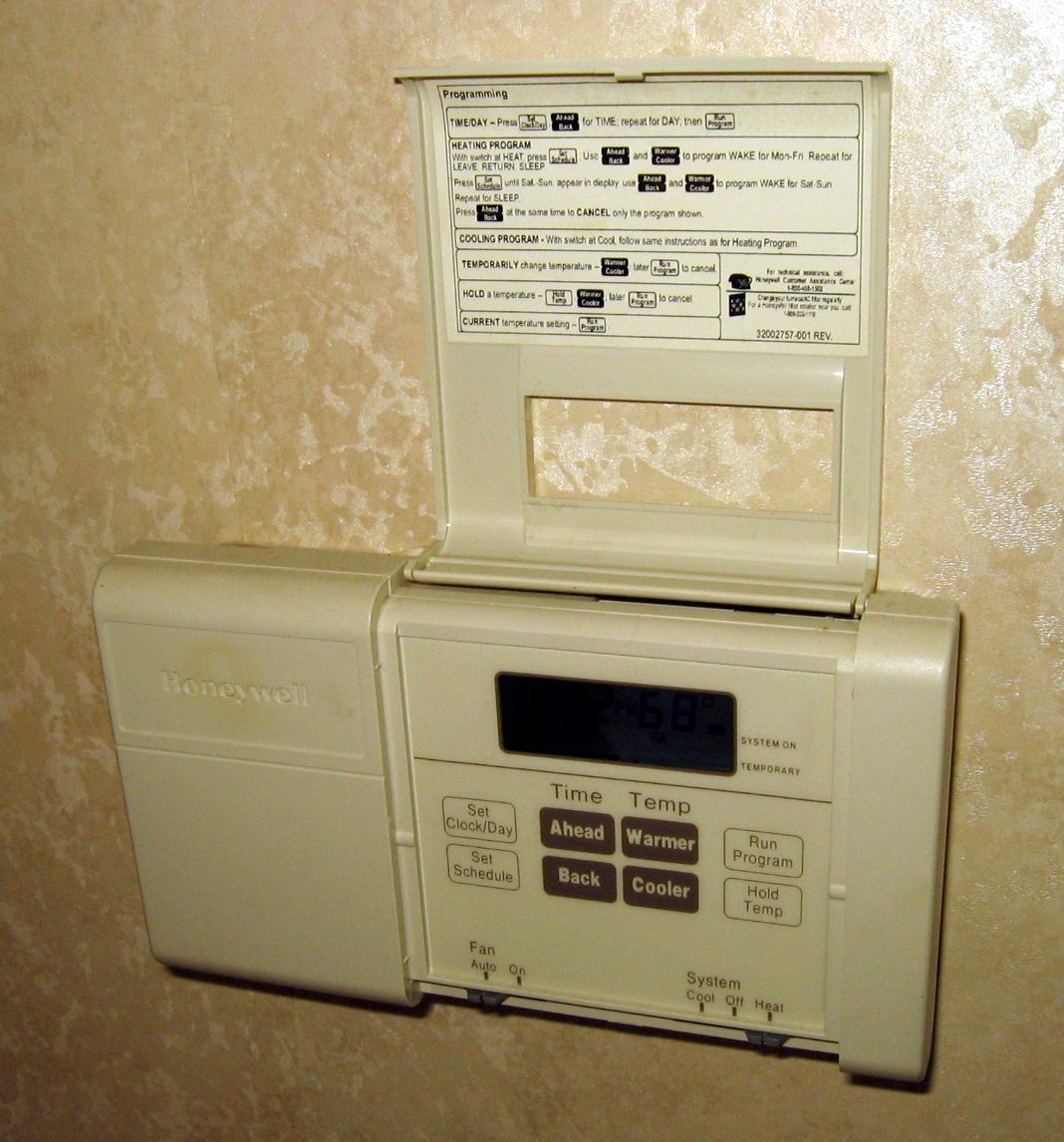
A programmable or smart thermostat can help if it is set up correctly and used consistently. Setting the temperature back a few degrees when the house is empty or at night can reduce energy use, but the savings depend on the system type. Heat pumps, for example, may call for backup heat if the setback is too large, which can erase the saving. Ask your contractor what setback makes sense for your system.
Daily habits matter too. Close blinds on sunny windows in summer. Keep vents clear of furniture. Do not block returns with rugs or boxes. Avoid setting the thermostat very low to cool the house faster — the system cools at the same rate, and a very low setting just runs it longer. In winter, keep the thermostat at a steady, comfortable setting rather than swinging it up and down by large amounts.
Zoning can help in a larger home. If the upstairs is always hot while the downstairs is cold, a zoned system or a ductless unit for the problem area can let you heat or cool only the rooms you use. That is often more efficient than heating or cooling the whole house to satisfy one room.
Talking to a contractor about efficiency
When you meet a contractor in Bath, ask for a written quote that lists the full model number, the efficiency rating, the work included, and the warranty. Ask how the system was sized, what ductwork is included, and whether the quote assumes any insulation or sealing work. Ask what running costs might look like in a typical year, and what assumptions that estimate is based on.
Be cautious of exact savings promises. No contractor can guarantee a specific bill, because actual costs depend on weather, thermostat settings, electricity or fuel rates, and how the house is used. A reasonable estimate gives a range and explains the assumptions. A guarantee of a precise saving is a warning sign.
Ask about maintenance as well. An efficient system that is never serviced will lose efficiency over time as coils get dirty, filters clog, and parts wear. A yearly check — heating in the fall, cooling in the spring — keeps the system closer to its rated performance and catches problems early.
Energy efficiency in a Bath home is not about buying the most expensive unit on the market. It is about matching the right size to the house, sealing the ducts, insulating where it counts, setting the thermostat sensibly, and keeping the system maintained. A contractor who will measure the house, explain the rating, and put the quote in writing is the right partner for that work, and the result is a home that stays comfortable through a Pennsylvania winter and a humid summer without wasting energy to do it.
Map of Bath, Pennsylvania
Related Guides