Find A Contractor
Filter nearby cities:
Or search by ZIP code:
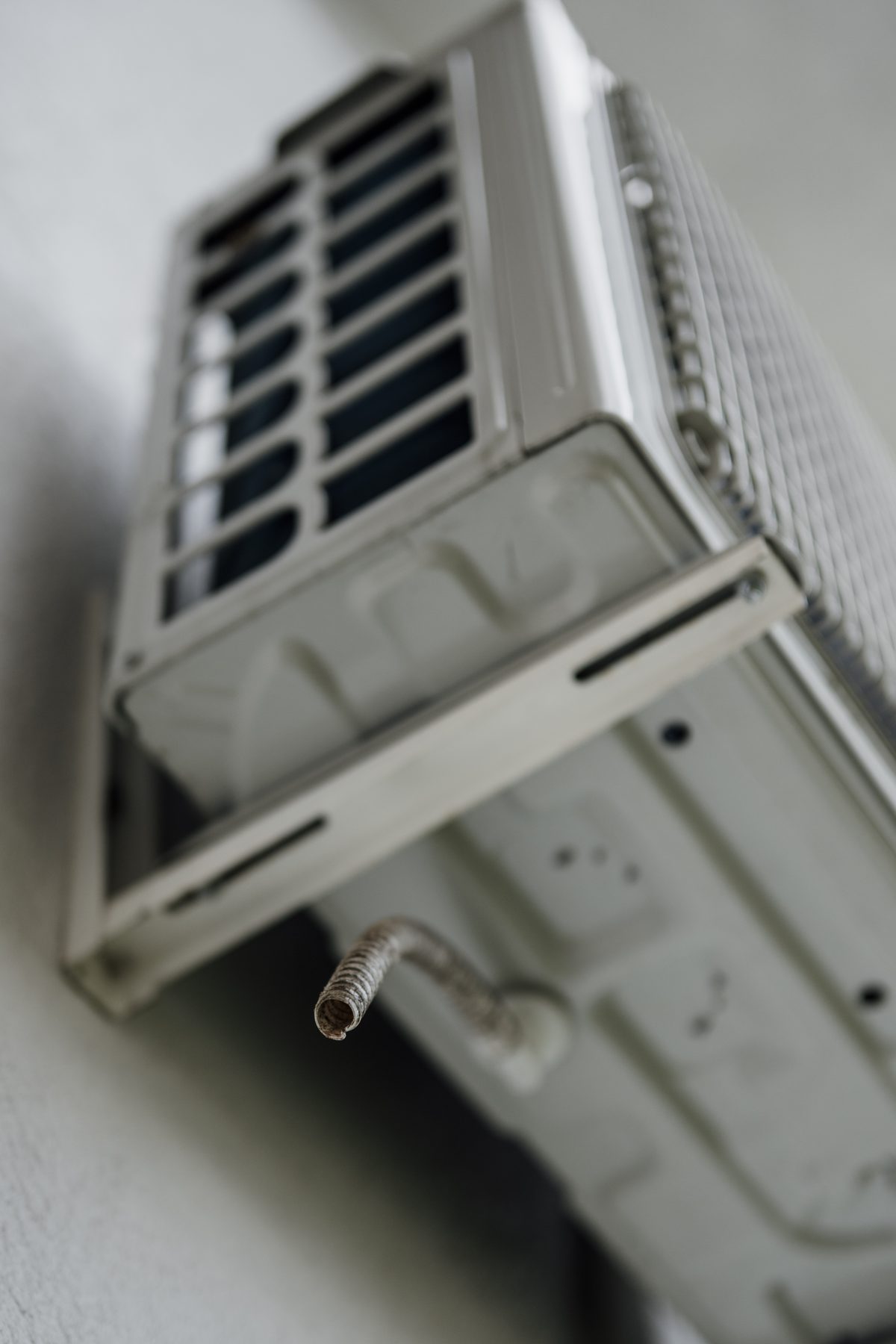
Is a heat pump a good fit for a home in Barry, Pennsylvania? Many homeowners here ask that question when a furnace gets old or when summer cooling starts to struggle. A heat pump can both heat and cool from a single system, which sounds appealing, but it behaves differently from a furnace, and it works best when the house and the installation suit it. This guide explains how heat pumps work in a Pennsylvania climate, what to consider before choosing one, and how to find HVAC help in Barry.
Barry shares the Pennsylvania pattern: cold winters, humid summers, and a long stretch in between when the weather shifts fast. Furnaces, heat pumps, and central air conditioning are all common in homes across the state. Some houses use a heat pump on its own. Others pair a heat pump with a furnace so the furnace takes over on the coldest nights. The right choice depends on the house, not on a brochure.
How a heat pump works
A heat pump moves heat rather than making it by burning fuel. In summer it moves heat out of the house, which cools the rooms. In winter it moves heat from the outside air into the house, even when the air outside feels cold. That sounds surprising, but outside air still holds heat energy at temperatures well below freezing, and a heat pump is built to collect it.
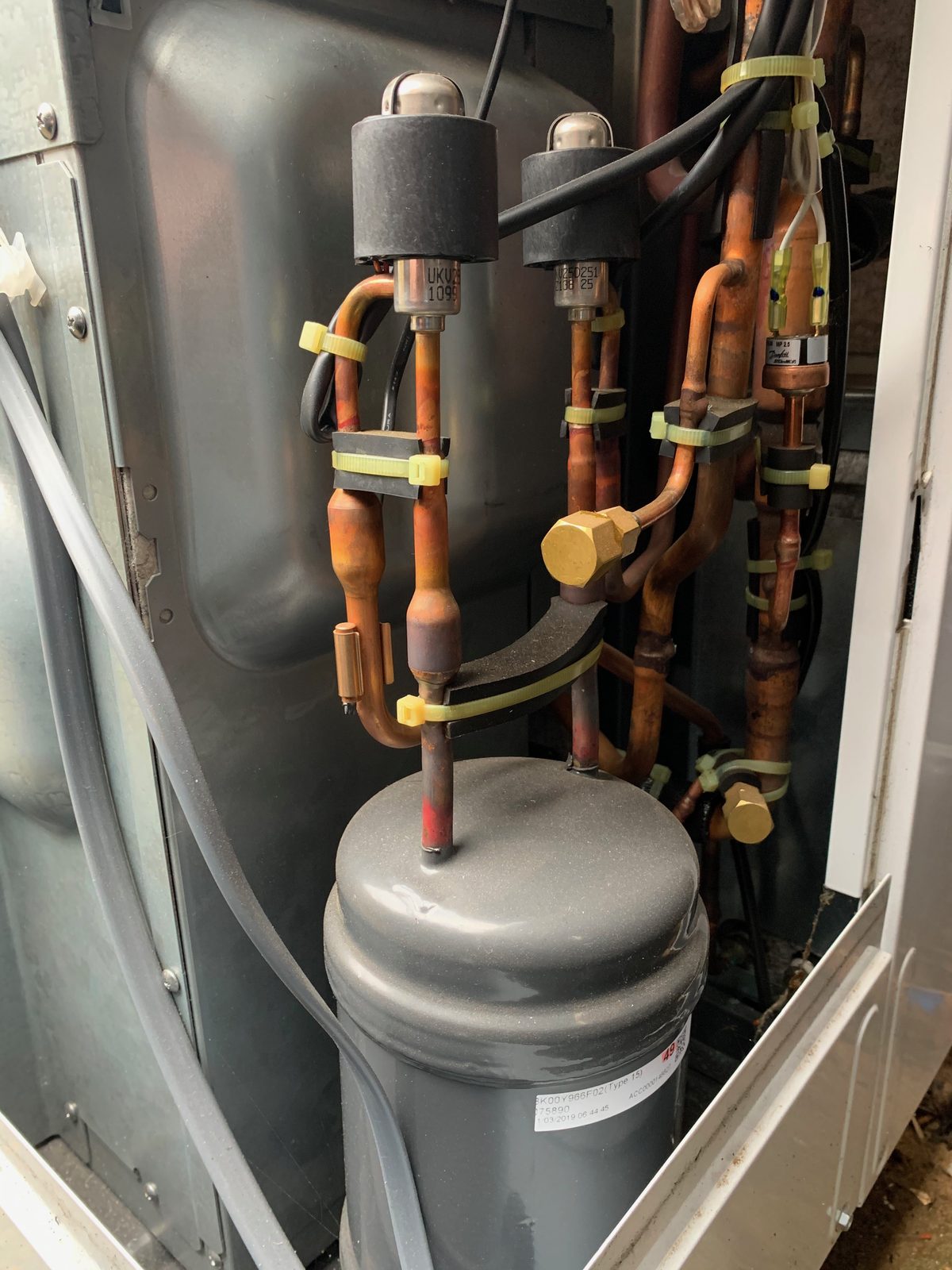
The system has an outdoor unit and an indoor unit, connected by refrigerant lines. A fan moves air over coils, a compressor circulates refrigerant, and a reversing valve switches the system between heating and cooling. A thermostat controls the mode and the target temperature, just as it does with a furnace and air conditioner.
Because a heat pump moves heat instead of burning fuel, it can be efficient in mild weather. As the outside temperature drops, it has to work harder, and its output falls. That is why cold-climate performance matters in Pennsylvania. A unit rated for mild climates may struggle here in January, while a cold-climate model is designed to keep heating at lower temperatures.
Heat pumps in a Pennsylvania winter
The key question for Barry is how the system handles the coldest weeks. Modern cold-climate heat pumps perform much better in low temperatures than older models, but they still have limits. Ask a contractor what outdoor temperature the proposed model is rated to heat effectively, and what happens below that point. Some systems switch to backup heat automatically. Others keep running but deliver less warmth, which can leave rooms feeling cool.
A dual-fuel setup pairs a heat pump with a gas or oil furnace. The heat pump handles heating in mild and moderate cold, and the furnace takes over when the temperature drops past a set point. This can be a practical middle ground for a Pennsylvania home: efficient in the shoulder seasons, with the strong heat of a furnace available for the coldest nights.
Insulation and air sealing matter more with a heat pump than with an oversized furnace. A drafty house loses heat fast, and a heat pump has to run longer to replace it. Before installing a heat pump, a contractor should look at insulation, windows, and ductwork. Fixing a major draft or adding insulation can make the difference between a system that feels comfortable and one that runs constantly.
Ducted or ductless?
Some Barry homes have ductwork already, from a furnace or central air system. A ducted heat pump can use those ducts, but the ducts need to be in good shape — sealed, insulated where they run through cold spaces, and sized for the airflow the heat pump needs. Leaky ducts waste heat and can make some rooms much colder than others.
Homes without ducts, or with a room that never heats or cools well, may suit a ductless mini-split heat pump. A mini-split has a wall-mounted indoor unit for one room or zone, connected to an outdoor unit. It avoids duct losses and lets you control each zone separately. It is a common choice for additions, converted spaces, and older homes where adding ducts would be disruptive.
What installation should include
A proper heat pump installation starts with sizing. The contractor should measure the house, check insulation and windows, and calculate the heating and cooling load. Sizing by the old furnace alone is not enough. An oversized heat pump will short-cycle, wear out early, and struggle with humidity in summer. An undersized one will run nonstop in winter and still leave the house cold.
Ask where the outdoor unit will sit. It needs clear airflow, a level pad, and space for snow and ice to fall away. It should not sit where roof runoff drips onto it, or where snow drifts bury it. Ask how defrost works — heat pumps periodically melt frost from the outdoor coil, and you may notice steam or a brief pause in heating during defrost. That is normal, but the contractor should explain it so it does not alarm you.
Ask about the thermostat and the backup heat settings, if any. A thermostat that is not set up correctly can call for backup heat too often, which raises running costs. Ask the installer to walk you through the settings and to show you how to change the filter, if the system has one, and how to keep the outdoor unit clear.
Repair and maintenance for heat pumps
Common heat pump problems include a system that blows cool air in heating mode, a unit that ices over and stays iced, a fan that will not run, or a thermostat that does not switch modes. Some causes are simple: a dirty filter, a tripped breaker, or a thermostat setting. Others need a technician, such as a refrigerant issue, a failed reversing valve, or a faulty defrost control.
If the outdoor unit is covered in thick ice that does not clear, do not chip at it with a sharp tool. You can damage the coil fins. Turn the system off if you are concerned, and call a contractor. If the system is running but the house keeps getting colder, check the filter and the thermostat first, then call for help rather than waiting through a cold night.
Maintenance for a heat pump includes cleaning or changing filters, keeping the outdoor coil clear of leaves and debris, trimming plants back from the unit, and scheduling a professional check each year. A technician can clean coils, check refrigerant levels, test electrical parts, and verify that defrost and backup heat are working as they should.
Comparing quotes for a heat pump
Get written quotes from more than one contractor. Each quote should list the full model number, the heating and cooling capacity, the efficiency ratings, the type of system (ducted or ductless), the work included, and the warranty on parts and labor. Ask what the quote assumes about ductwork, electrical work, and the thermostat, so you are comparing complete jobs.
Ask each contractor to explain, in plain language, why they chose that model for your house. Ask what outdoor temperature it is designed to heat to, and what backup heat, if any, is included. Ask how long the installation will take and what happens to the old equipment. A contractor who can answer those questions clearly is more likely to install the system correctly.
Be cautious of promises about running costs that sound exact. Actual costs depend on your house, your thermostat settings, electricity rates, and how cold the winter turns out to be. A contractor can give you a reasonable range based on the equipment rating, but no one can guarantee a specific bill.
When to call a professional
Call promptly if the heat pump stops heating on a cold day, if it makes a loud grinding or banging noise, if you smell burning, or if the breaker trips repeatedly. These can signal an electrical fault or a mechanical failure that gets worse if the system keeps running. Turn the system off at the thermostat if you are unsure, and call for advice.
For Barry homeowners, a heat pump can be a solid choice when it is sized for the house, rated for cold weather, and installed with attention to ducts, insulation, and thermostat setup. The best next step is a home visit from a contractor who will measure the house, explain the options — heat pump alone, dual-fuel, or a different system — and give you a written quote you can compare. That visit, not a brochure, is what tells you whether a heat pump fits your home.
Map of Barry, Pennsylvania
Related Guides