Find A Contractor
Filter nearby cities:
Or search by ZIP code:
What do you do first when the heat goes out in your Barree home on a cold night, or the air conditioner stops during a humid afternoon? The first minutes matter, because a calm check of a few simple things can sometimes restore comfort, and a clear description of what happened helps a technician fix the problem faster when they arrive. This guide is about those first minutes and the hours that follow: what to check safely, what not to touch, how to keep the house livable while you wait, and how to talk with a contractor so the visit goes well.
Barree homes face Pennsylvania winters that demand steady heat and summers that demand cooling and moisture control. A breakdown in either season is uncomfortable, and in very cold weather it can become a safety concern. Knowing what to do, and what to leave alone, makes a stressful moment easier to handle.
First Checks When the System Stops
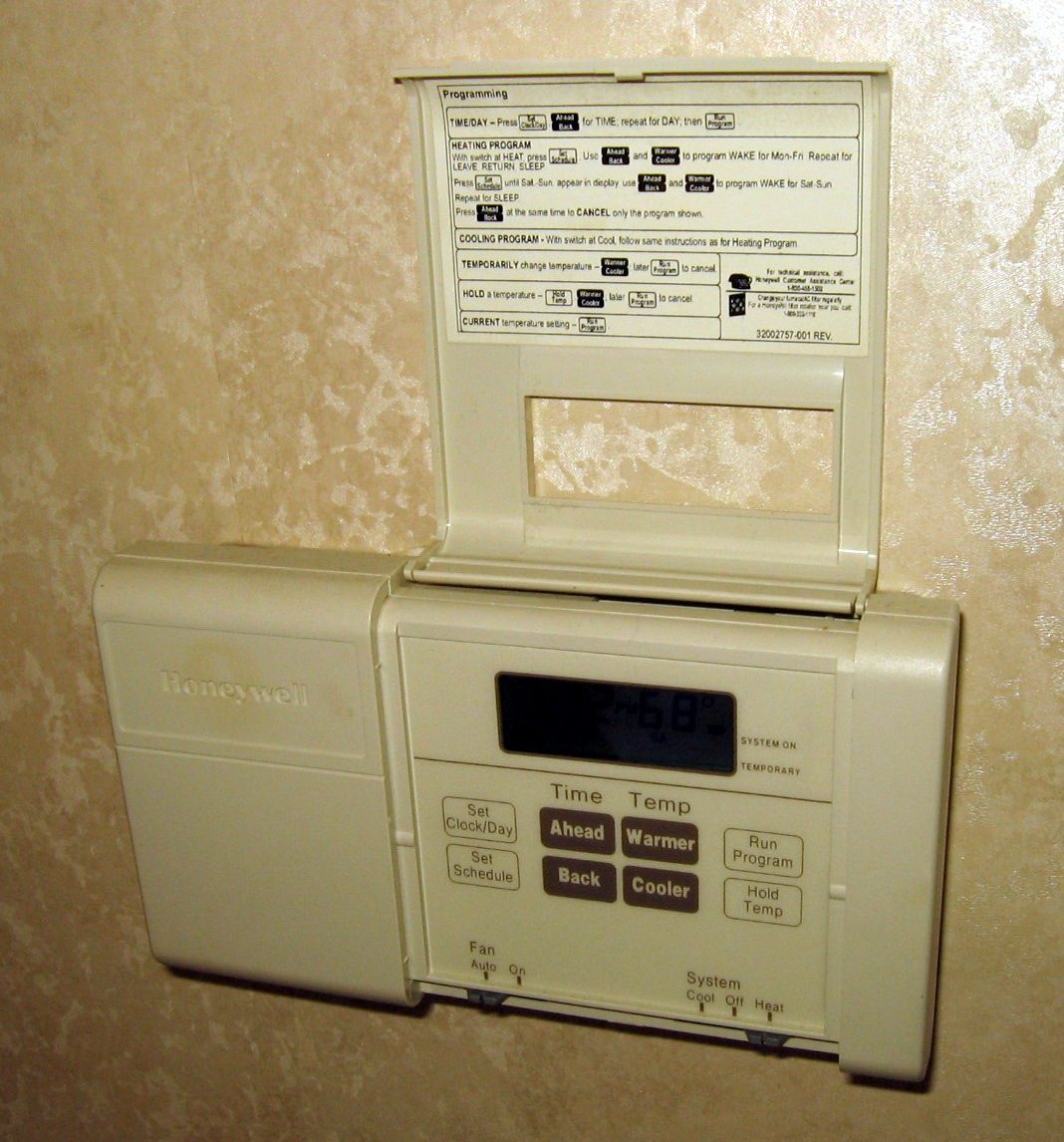
Start with the thermostat. Make sure it has power, that it is set to the right mode for the season, and that the temperature setting is above the room temperature in winter or below it in summer. Check that the fan is set to auto rather than on, and look for a display that is blank or showing an error message. If the thermostat uses batteries, a dead battery can stop the whole system, and replacing it is a quick fix.
Next, check the filter. A filter that is badly clogged can restrict airflow enough that the system shuts down as a safety measure. If the filter looks grey and dusty, replace it with a clean one of the correct size and type. Note the direction of airflow marked on the frame, and make sure the new filter sits flat without gaps around the edges.
Then check the breaker panel. Look for a breaker labeled for the furnace, air conditioner, or heat pump that has tripped to the middle or off position. Reset it once if it is safe to do so. If it trips again immediately, leave it off and call for help. A breaker that keeps tripping points to an electrical fault that needs a professional look.
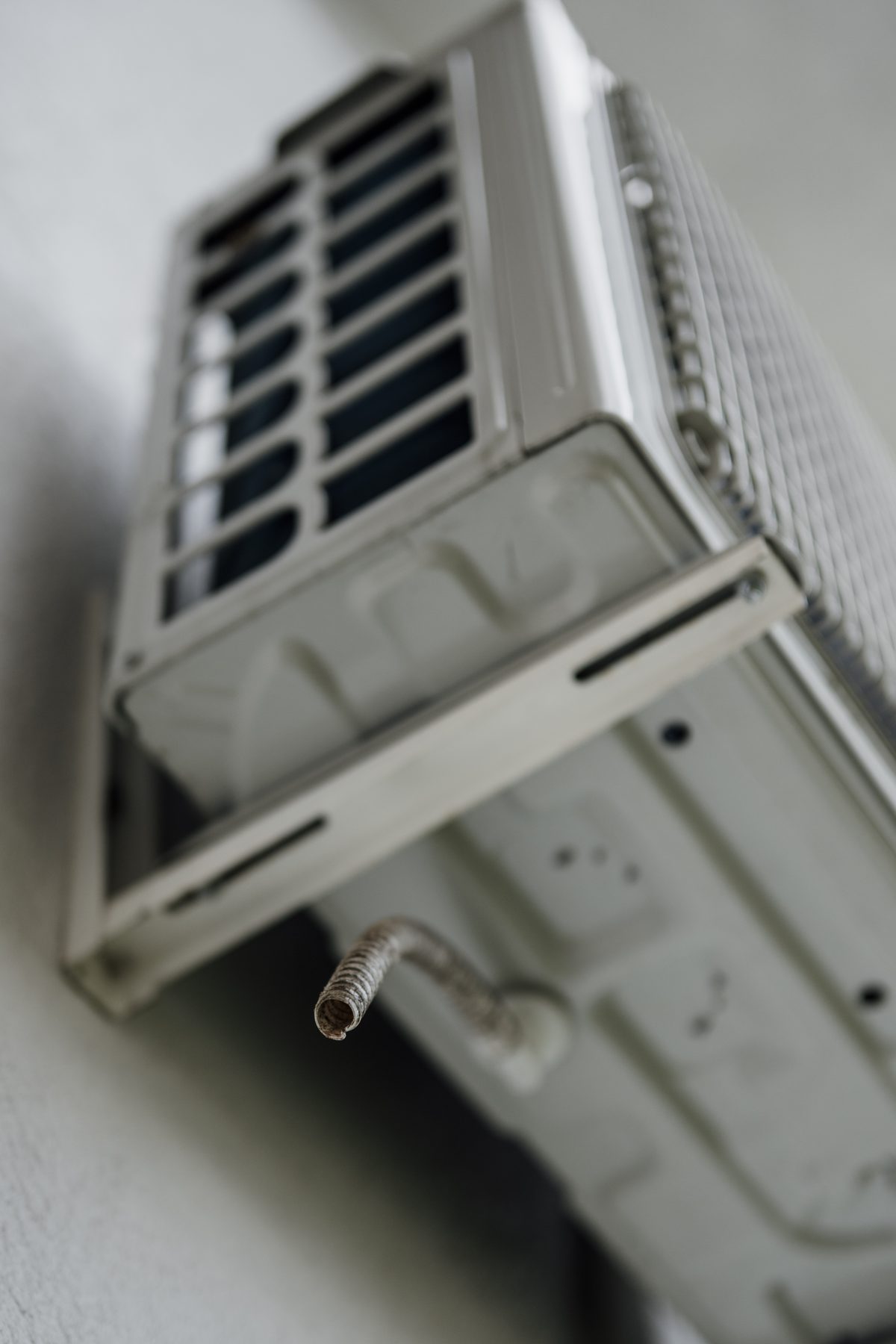
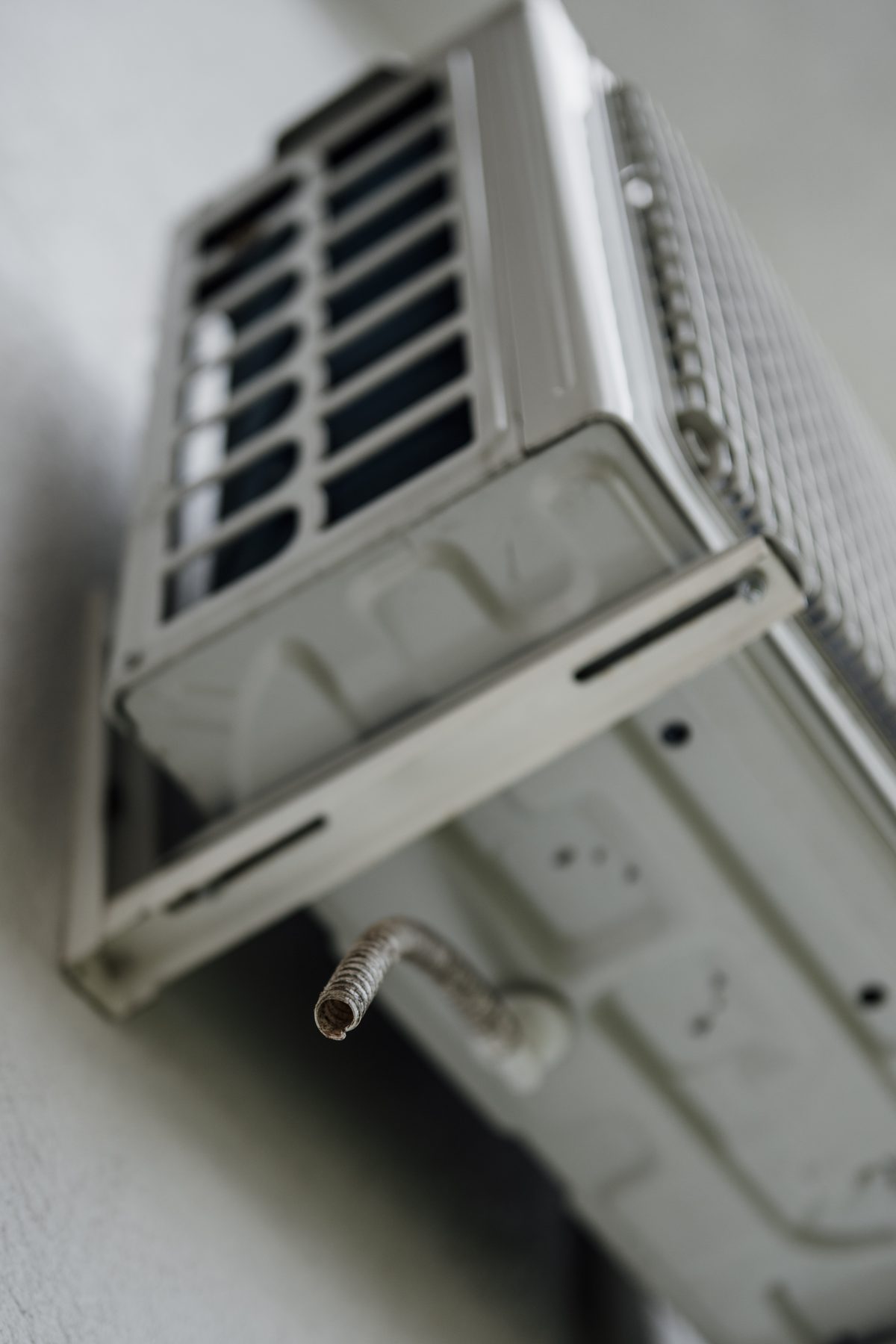
Look around the indoor and outdoor units. Is there water pooling near the indoor unit? Is the outdoor unit blocked by leaves, snow, or debris? Is there an unusual smell, such as gas or burning? Write down what you see, hear, and smell, with the time. That note is useful for the technician and for your own record of the breakdown.
What Not to Touch
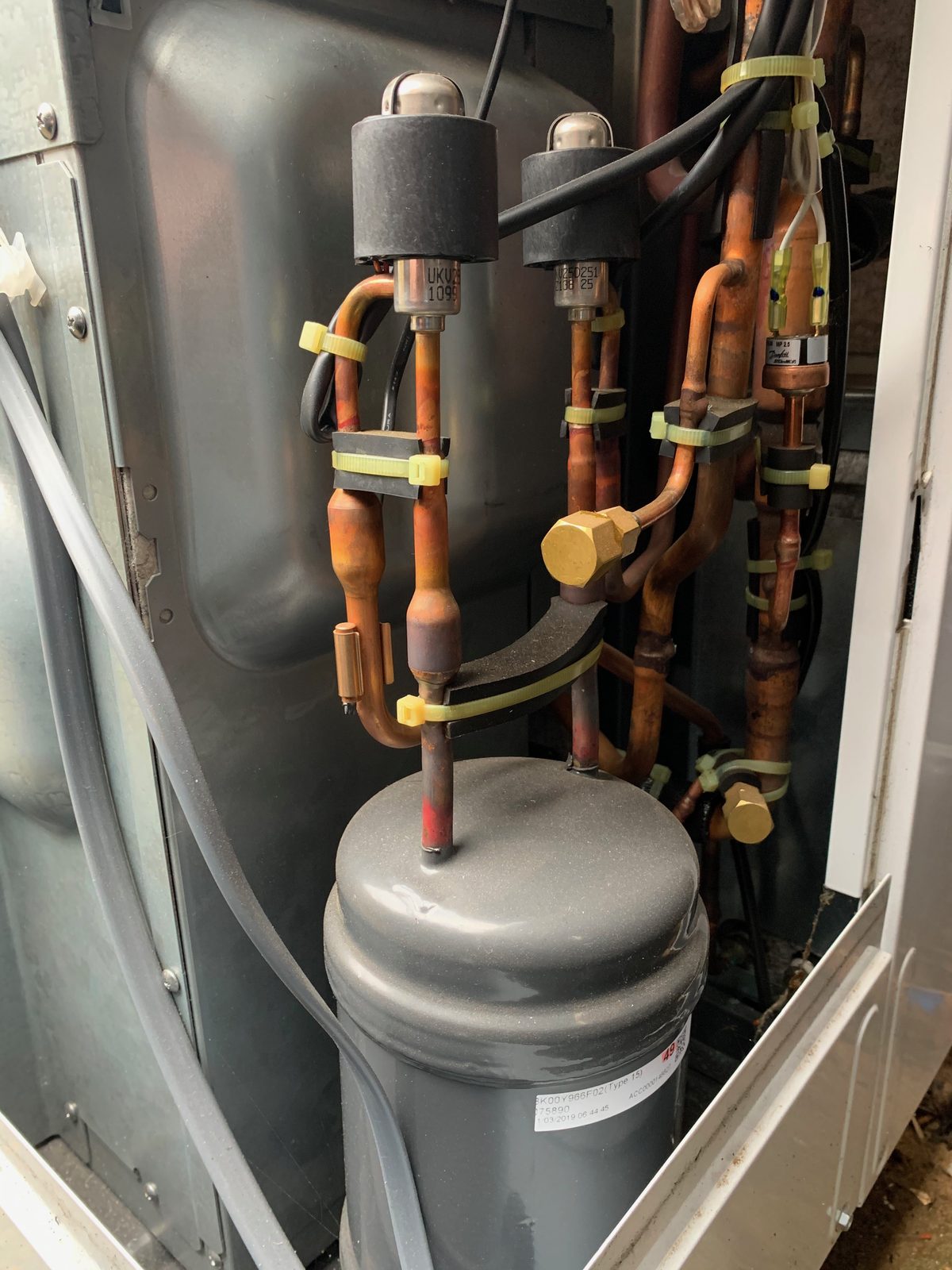
Some parts of a heating and cooling system are not safe for a homeowner to open or adjust. Do not open the furnace cabinet, do not work on gas lines or electrical wiring, and do not try to add refrigerant to an air conditioner or heat pump. Those jobs need training, tools, and safety equipment, and a mistake can damage the system or put people at risk.
If you smell gas, do not try to find the leak yourself. Leave the house, avoid using phones, light switches, or appliances inside, and call your gas provider or emergency services from outside. If a carbon monoxide alarm sounds, leave the house and call for help from outside as well. Do not re-enter until you are told it is safe.
If you see water leaking from the indoor unit, turn the system off at the thermostat and clear the area of rugs, books, and electronics. Do not try to open the unit to clear a drain yourself unless a technician has shown you how to do it safely for your specific system. A clogged condensate drain is a common cause of a shutdown, but it is best handled by a professional if you are unsure.
Keeping the House Livable While You Wait
While you wait for a contractor, focus on keeping the house as comfortable and safe as you can. In winter, close off unused rooms, hang a blanket over a draughty door if you have one, and keep curtains closed at night to hold in warmth. Dress in layers, use blankets, and keep pipes in mind: let a tap drip slightly in very cold weather if that is the advice you have received for your home, and open cabinet doors under sinks on outside walls so warm air can reach the pipes.
In summer, close curtains on sunny windows, keep doors to unused rooms closed, and use fans to move air. Avoid using the oven or other heat-producing appliances if you can. Drink water regularly, and check on family members who are more sensitive to heat, especially older relatives and young children. If the house becomes too hot to stay in safely, consider spending time with a neighbor, at a public building, or elsewhere cool while you wait.
Keep a phone charged, and keep the contractor's number and your notes about the problem nearby. If the contractor gives you an arrival time, ask what to do if the system restarts on its own before they arrive, and whether you should leave it running or turn it off. Follow that advice rather than guessing.
Calling for Emergency Help
When you call, describe the problem in plain terms: what the system is doing, what you have already checked, and how long it has been going on. Mention the type of system you have, if you know it, and any error message on the thermostat. Say whether the house has no heat at all, no cooling at all, or heat or cooling that is weak or uneven. That detail helps the contractor judge how urgent the visit is.
Ask what the visit will cost and what it includes. Some emergency visits are priced as a diagnostic call, with repair work quoted after the cause is found. Ask whether the quote will be written down, and whether parts and labor will be listed separately. Ask how long the visit is likely to take, and what happens if the problem needs a part that is not on hand.
If the contractor cannot come as soon as you need, ask what you can do safely in the meantime, and ask for a realistic time for the next available visit. A contractor who is honest about timing is more useful than one who promises a visit they cannot make. Keep the name of the person you spoke with and the time of the call in your notes.
After the Technician Arrives
When the technician arrives, show them the thermostat, the filter, and the breaker, and tell them what you checked and what happened. Show them your notes about sounds, smells, or error messages. That information saves time, because the technician does not have to start from scratch to learn the history of the breakdown.
Ask the technician to explain the cause before starting the repair, and to give you a written quote for the work. The quote should name the part to be replaced, the labor involved, and the warranty on the repair. If the repair is large, or if the technician suggests replacing the whole system, ask for time to think it over and to get a second opinion if needed. Most repairs allow that time, even in an emergency.
After the repair, ask the technician to show you what was done and to test the system with you in the room. Check that each room heats or cools as expected, and that the thermostat responds normally. Ask what to watch for in the coming days, and when to call back if the problem returns.
Preventing the Next Emergency
Once the system is running again, use the experience to plan ahead. Book a professional check once a year, ideally before the season when the system works hardest. Change the filter on schedule, keep vents open and clear, and keep the outdoor unit free of debris. Listen for new sounds and watch for rooms that start to feel uneven, because early signs are easier to fix than a full breakdown.
Keep the paperwork from the emergency visit in one folder: the quote, the invoice, the warranty, and the model numbers. Note the date, the cause, and who did the work. That folder becomes the history of your system, and it helps the next technician diagnose a problem faster.
A breakdown in Barree is stressful, but it does not have to be confusing. A few safe checks, a clear call for help, and a written record of what was done turn an emergency into a problem with a plan. With steady care through the year, the next cold night or humid afternoon is much less likely to catch your home unprepared.
Map of Barree, Pennsylvania
Related Guides