Find A Contractor
Filter nearby cities:
Or search by ZIP code:
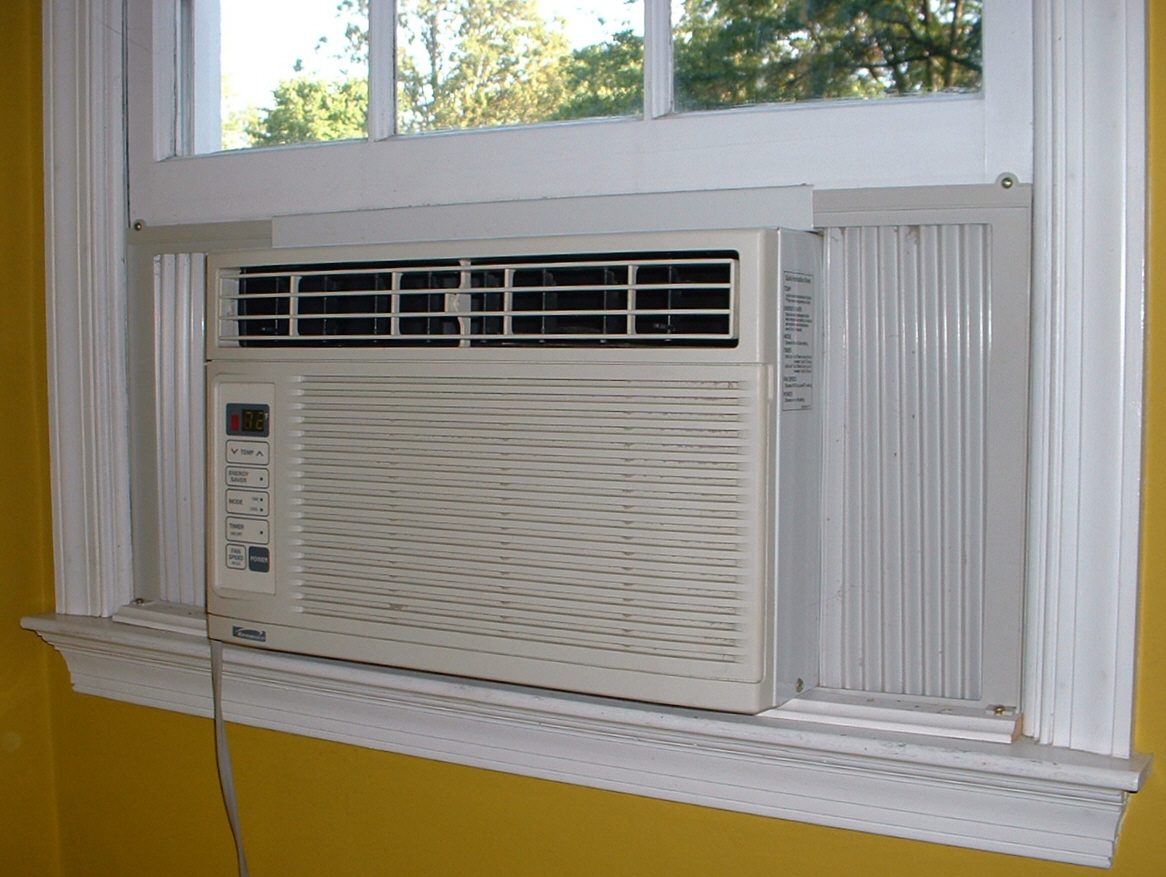
What do you do when the heat stops on a cold night in Barrett, Pennsylvania? Winters here are long and cold, and a furnace that quits in January is not a small inconvenience. It is a problem that needs a clear plan, not a guess. This page walks through what HVAC contractors in Barrett typically handle, how heating and cooling systems in Pennsylvania homes usually work, and how to pick help you can trust when the house gets cold or the summer air turns thick and humid.
Barrett sits in a part of Pennsylvania where the seasons pull hard in both directions. Winter brings freezing temperatures, snow, and weeks when the heat runs almost nonstop. Summer brings humidity that makes a house feel sticky even when the temperature looks mild on paper. A home here needs a system that can handle both extremes, and it needs regular care to keep doing that year after year.
What HVAC work covers in Barrett
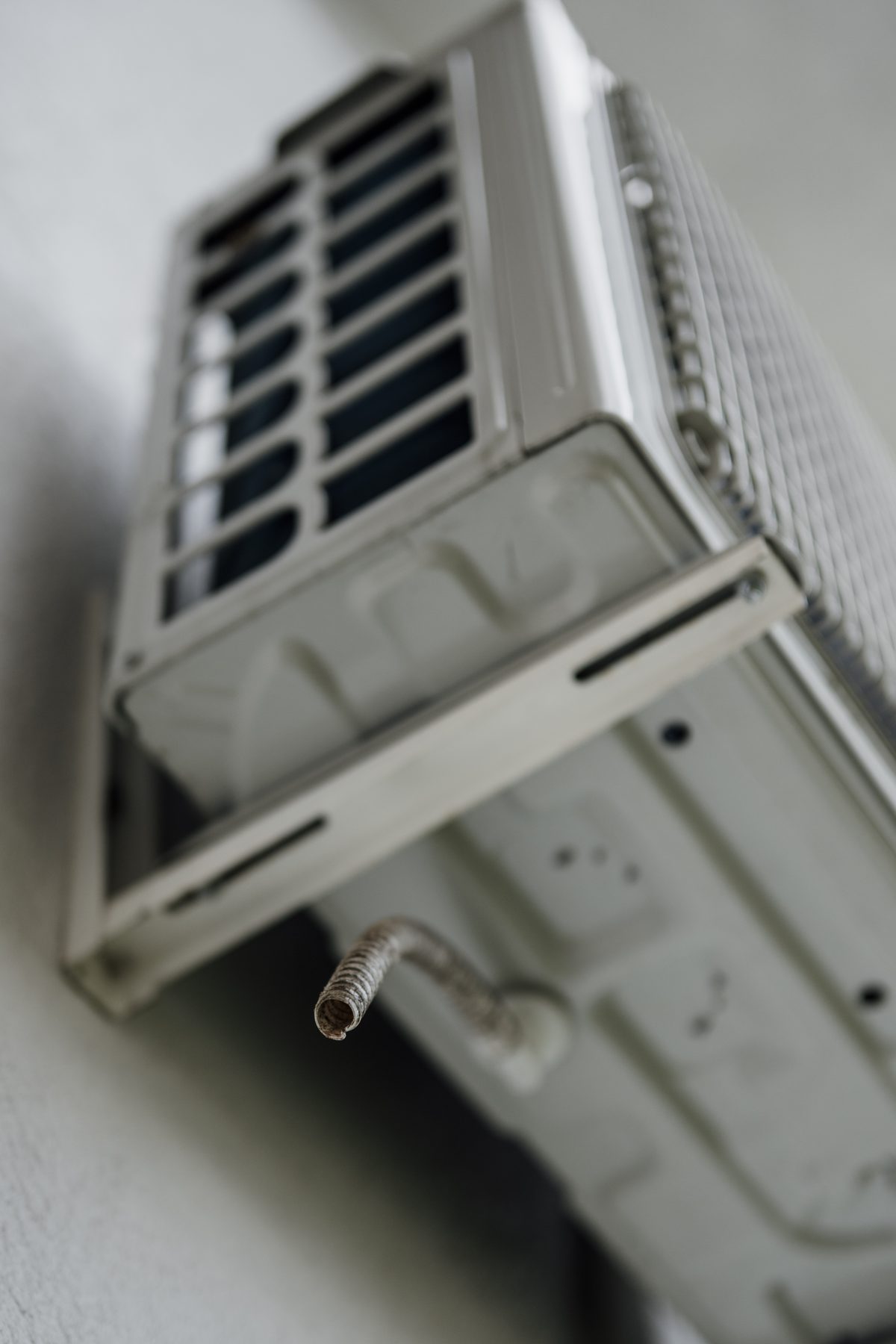
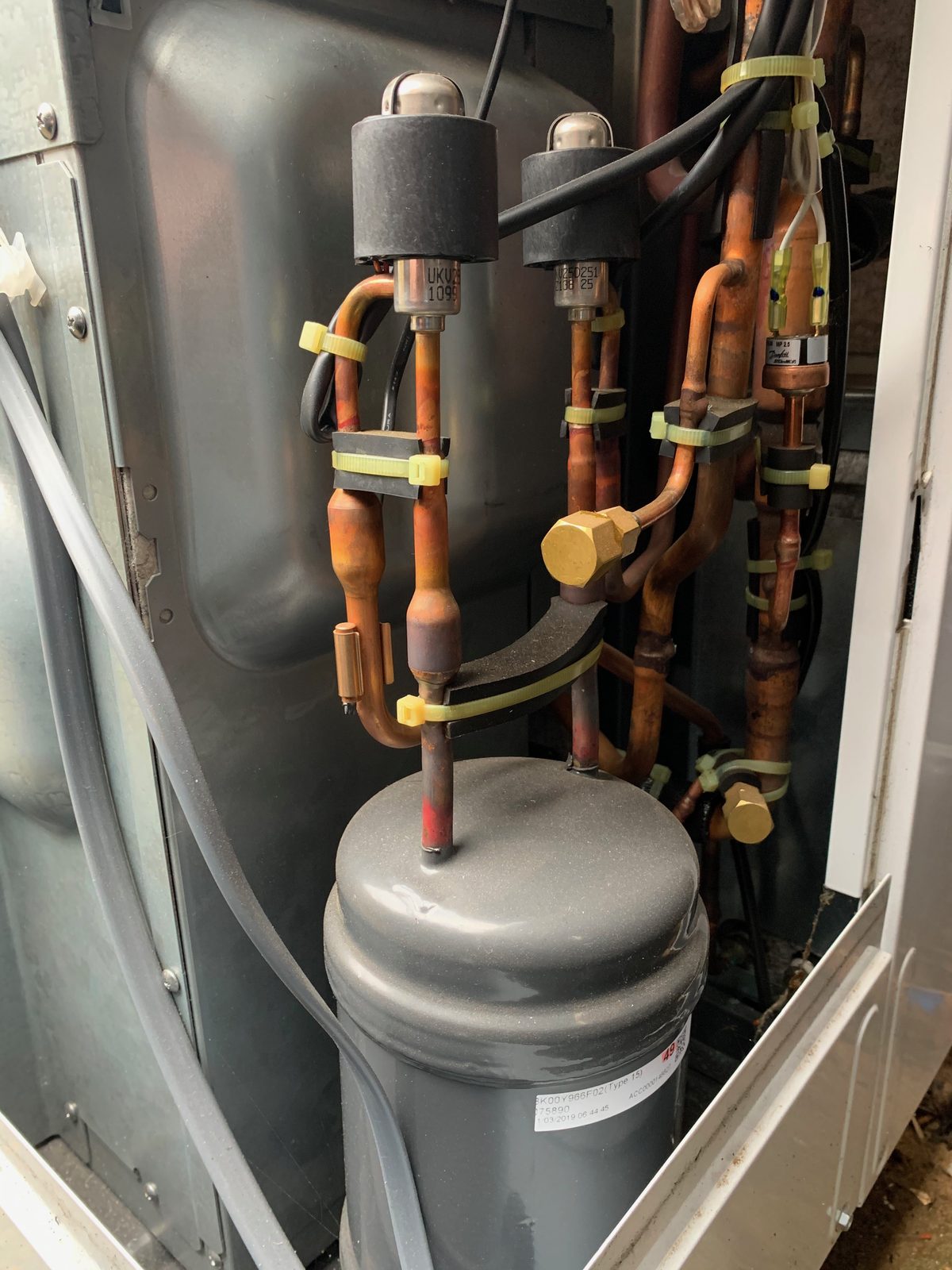
HVAC stands for heating, ventilation, and air conditioning. In practice, that covers the furnace or heat pump that warms the house, the air conditioner that cools it, the ductwork or piping that moves air and heat around, the thermostat that controls it all, and the ventilation that keeps indoor air fresh. A contractor may install new equipment, repair a breakdown, replace a worn-out part, or carry out routine service to keep a system running.
Many homes in Pennsylvania use a gas or oil furnace for heat, often paired with central air conditioning for summer. Heat pumps are also common, and they can both heat and cool from one unit. Some older homes use boilers, baseboard heat, or ductless mini-split systems. The right setup depends on the house, its age, its insulation, and how the rooms are laid out. A good contractor will look at the house itself before recommending anything.
Repair work is the most common reason people call. A furnace that will not start, a blower that runs but blows cold air, a thermostat that does not respond, a heat pump that ices over, or an air conditioner that hums without cooling — these are everyday calls in this trade. Some fixes are simple, like a dirty filter or a tripped breaker. Others involve a failed motor, a worn igniter, a refrigerant issue, or a cracked part that needs replacing.
How Pennsylvania winters shape heating needs
Cold winters put real strain on heating equipment. A furnace in Barrett may run for hours at a time on the coldest nights, and a small problem that went unnoticed in October can turn into a no-heat call in January. That is why fall service matters. A check before the heating season can catch a dirty burner, a weak igniter, a clogged filter, or a thermostat fault while there is still time to fix it calmly.
If your heat stops, start with the simple checks. Make sure the thermostat is set to heat and to a temperature above the room temperature. Check that the furnace switch is on and that the breaker has not tripped. Look at the filter — a filter clogged with dust can choke airflow and cause the system to shut down. If the furnace has a small viewing window or a blinking light, note what you see, but do not open panels or touch gas and electrical parts you are not trained to handle. Write down any sounds, smells, or error codes and pass them to the contractor.
Do not run space heaters as a long-term substitute for a broken furnace. They can help one room for a short time, but they are not a safe or efficient way to heat a whole house through a Pennsylvania winter, and they need to be kept away from curtains, bedding, and anything flammable. If the house is getting dangerously cold, especially with pipes at risk of freezing, call for help promptly and let faucets drip slightly if a contractor or plumber advises it.
Finding HVAC help in Barrett
Start by asking people you trust who they have used and whether the work held up. Local word of mouth still counts for a lot in a small community. You can also look for contractors who serve the Barrett area and who list heating and cooling as their main work, not a side service. Check that they are easy to reach, that they answer questions clearly, and that they are willing to visit the house before giving a firm price on a larger job.
Ask about licensing and insurance. In Pennsylvania, requirements can vary by municipality, so ask what licenses the contractor holds and whether they carry liability insurance and workers’ compensation. A contractor who is reluctant to answer those questions is giving you useful information. You can also ask whether the technicians who will do the work are employed by the company or subcontracted, and who to call if something goes wrong after the job.
For a repair, ask how the visit is charged. Some contractors charge a diagnostic fee that is applied to the repair if you go ahead. Others charge by the hour plus parts. Ask before the visit so there are no surprises. For a replacement, always ask for a written quote that lists the equipment model, the work included, the warranty terms, and the total price. A verbal estimate is not enough for a job that costs thousands.
What to ask before you hire
Good questions protect you and help the contractor give you a straight answer. Ask what is causing the problem and what the options are. Ask whether a repair is a short-term fix or a lasting one. Ask how old the current system is and whether the part that failed is likely to fail again soon. Ask what the warranty covers — parts, labor, or both — and for how long.
If a replacement is suggested, ask why repair is not a better choice. Ask how the new equipment was sized for your house. A system that is too large will cycle on and off and wear out early. A system that is too small will run constantly and still leave rooms cold. Proper sizing comes from measuring the house, checking insulation and windows, and looking at ductwork — not from guessing based on the old unit alone.
Ask what happens to the old equipment, whether permits are needed, and whether the quote includes ductwork changes, thermostat replacement, or disposal. Ask how long the job will take and what disruption to expect. A clear, written answer to these questions is a good sign. Vague answers and pressure to decide on the spot are not.
Comparing written quotes
Get more than one written quote for a replacement or a large repair. Compare them line by line. The cheapest quote is not always the best value if it leaves out duct sealing, a new thermostat, or a longer warranty. The most expensive is not automatically the best either. Look at the equipment efficiency rating, the warranty length, the workmanship guarantee, and what is included in the price.
Watch for quotes that list only a brand name without a model number, or that promise savings without explaining how they were calculated. Ask for the full model number so you can check the specifications yourself. If two quotes describe very different equipment, ask each contractor to explain the difference in plain language.
Red flags to watch for
Be cautious if a contractor insists the whole system must be replaced after a brief look, without explaining the fault or offering a repair option. Be cautious if they ask for full payment upfront, or if they will only take cash. Be cautious if they cannot provide references, proof of insurance, or a written contract. And be cautious of any claim that sounds too certain — no one can guarantee a specific energy saving or a system lifespan to the year.
Another warning sign is a contractor who will not put the warranty in writing, or who says the manufacturer warranty covers labor when it usually covers parts only. Labor warranties are separate, and they come from the contractor. Get both in writing before work starts.
Basic maintenance homeowners can handle
Some upkeep is simple and makes a real difference. Change or clean the furnace filter on the schedule the manufacturer recommends, often every one to three months during heavy use. Keep vents and returns clear of furniture, rugs, and clutter so air can move freely. Keep the outdoor unit clear of leaves, grass, and snow, and leave space around it for airflow. Check the thermostat batteries if it uses them.
Leave the rest to a professional. Gas connections, electrical work, refrigerant handling, and burner cleaning are not do-it-yourself jobs. An annual service visit — ideally in the fall for heating and in the spring for cooling — lets a technician clean parts, test safety controls, check for leaks, and spot wear before it becomes a breakdown. Keep a record of service dates and any parts replaced, so the next technician has a clear history.
Barrett homeowners who plan ahead tend to have fewer mid-winter surprises. A system that is checked in the fall, filtered regularly, and repaired promptly when it starts making a new noise or struggling to hold temperature will usually last longer and run more reliably. When you do need help, choose a contractor who explains the problem, offers written options, and stands behind the work. That is the practical core of finding HVAC help in Barrett.
Map of Barrett, Pennsylvania
Related Guides