Find A Contractor
Filter nearby cities:
Or search by ZIP code:
Summer in Bart, Pennsylvania, can feel heavier than the thermometer suggests. Humidity hangs in the air, and a house without working cooling turns sticky and sleepless fast. If your air conditioner is struggling, blowing warm air, or running all day without catching up, this guide explains how central air conditioning works in Pennsylvania homes, what usually goes wrong, and how to get help in Bart without overpaying for a fix you do not need.
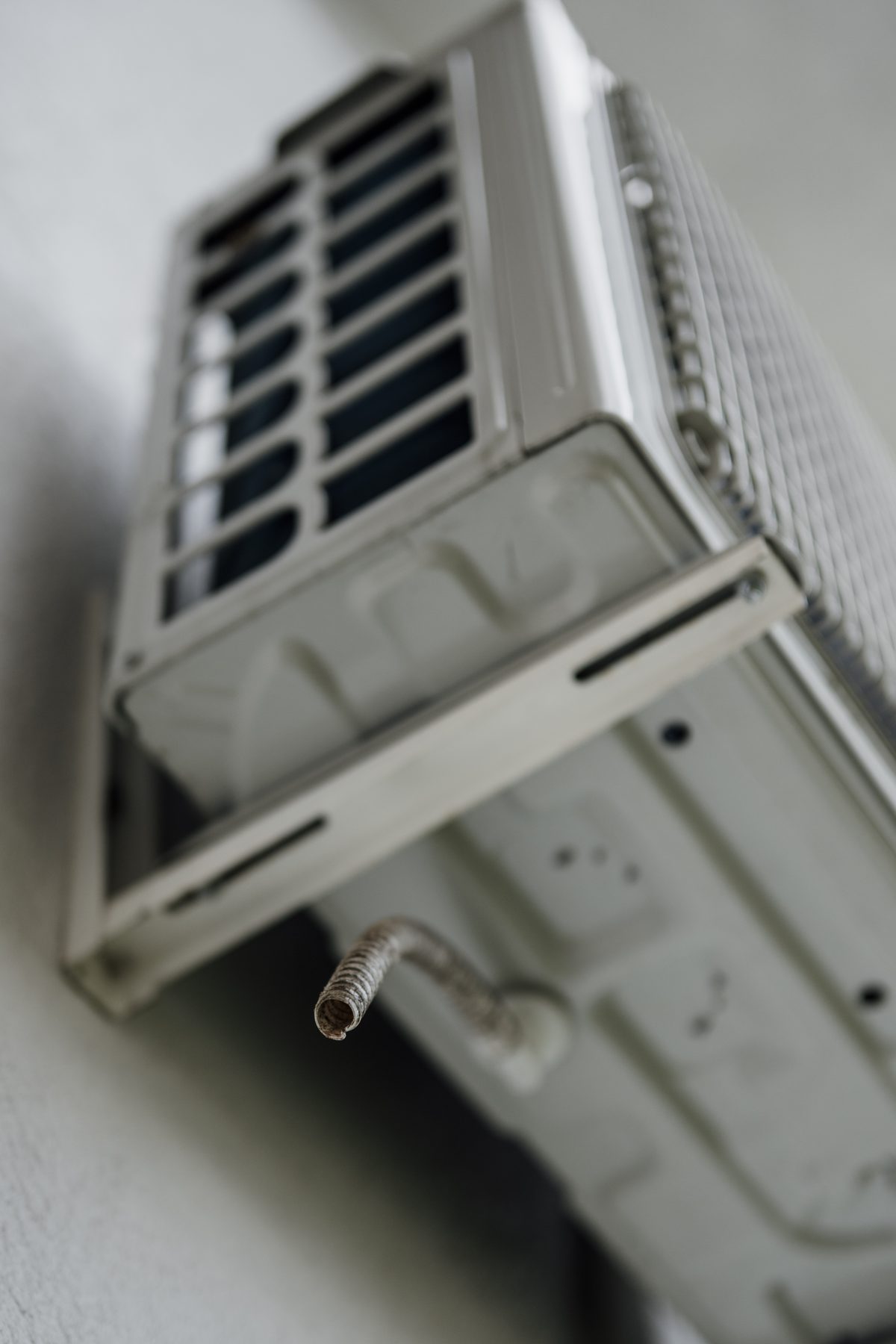
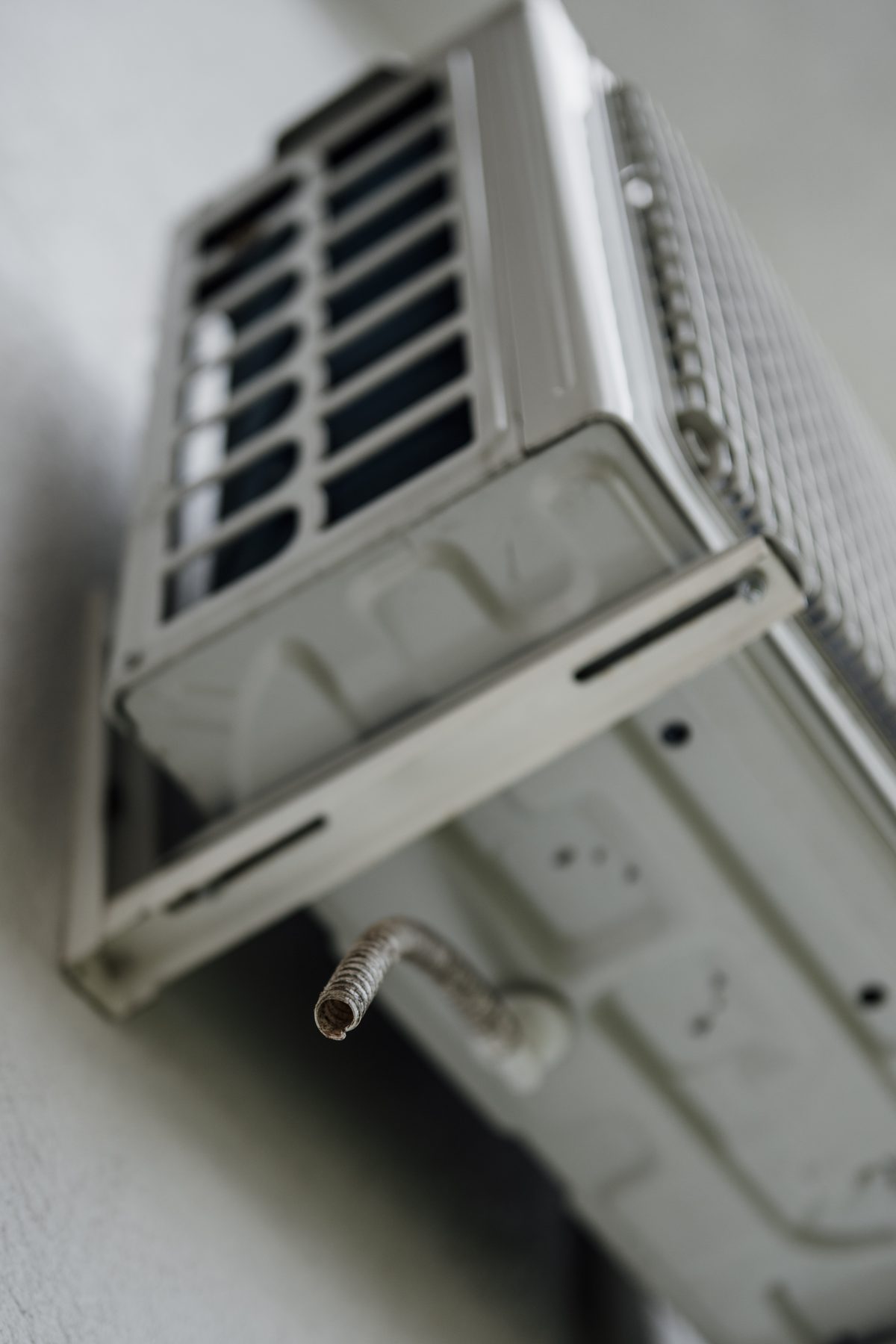
Pennsylvania summers are warm and humid, and winters are cold enough that most homes have a furnace or heat pump as well. Central air conditioning is the common cooling setup here: an outdoor condenser unit, an indoor evaporator coil, ductwork that carries cool air to each room, and a thermostat that tells the system when to run. Some homes use heat pumps or ductless mini-splits instead, but the basic idea is the same — move heat out of the house and keep indoor air dry and comfortable.
How central air conditioning works
An air conditioner does not create cold air. It removes heat from indoor air and releases it outside. Refrigerant circulates between the indoor coil and the outdoor unit, absorbing heat inside and shedding it outside. A blower pushes indoor air across the cold coil, and the cooled air travels through ducts to the rooms. At the same time, moisture condenses on the coil and drains away, which is why a working air conditioner also makes the house feel less humid.
That moisture has to go somewhere. A condensate drain carries water away from the indoor coil, usually to a floor drain or outside. If that drain clogs, water can back up and shut the system down, or leak onto the floor. A technician can clear a clogged drain and check whether the drain line needs a better slope or a safety switch.
The thermostat controls the cycle. When the room temperature rises above the setting, the system runs until the temperature drops back down. If the thermostat is in a sunny spot, near a heat source, or behind a door, it may read the wrong temperature and run the system too much or too little. Thermostat placement matters more than most people expect.
Common cooling problems in Bart
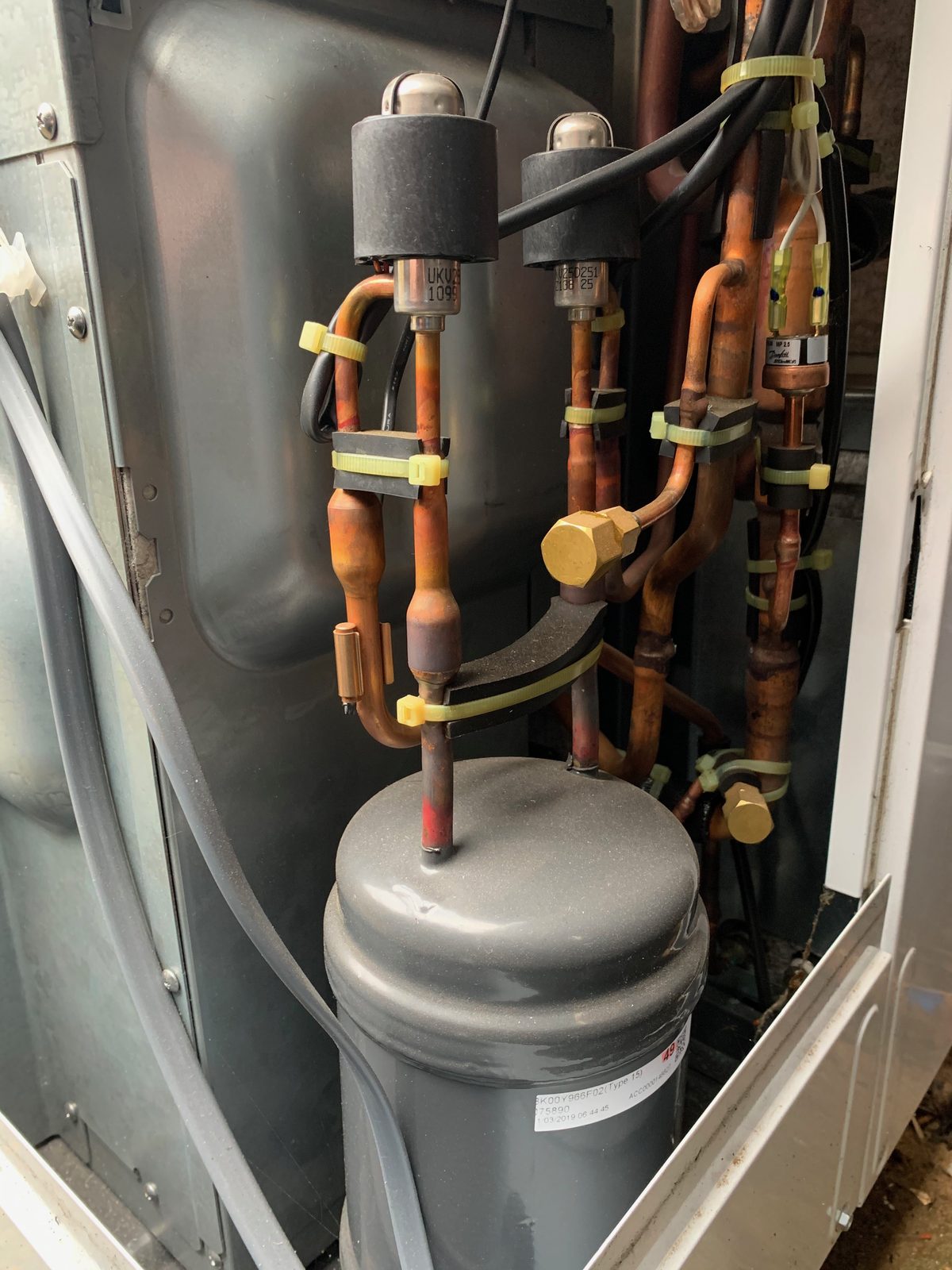
The most common summer complaint is an air conditioner that runs but does not cool. The causes vary. A dirty filter can choke airflow so badly that the coil freezes over. A dirty outdoor coil cannot shed heat well, so the system works harder and cools less. Low refrigerant — usually from a leak, not from normal use — reduces cooling and can damage the compressor if ignored. A failed capacitor or fan motor can leave the outdoor unit silent while the indoor blower still runs.
Short cycling is another frequent problem. The system turns on, runs briefly, shuts off, and starts again a few minutes later. That pattern wears out parts, uses more energy, and leaves humidity behind. Short cycling can come from an oversized unit, a faulty thermostat, a clogged filter, or an electrical fault. It is worth fixing promptly rather than letting it run that way all summer.
Uneven cooling is also common in Pennsylvania homes. One bedroom stays warm while the living room is cold. That can point to ductwork issues — a disconnected duct, a closed damper, a crushed flexible duct in the attic, or leaks that lose cool air before it reaches the room. It can also point to poor insulation, a sunny upstairs room, or a system that was never sized for the way the house is used now.
Simple checks before you call
Before calling for repair, check a few basics. Make sure the thermostat is set to cool and to a temperature below the room temperature. Check the filter and replace it if it looks grey and clogged. Check the breaker for the outdoor unit and the indoor unit. Look at the outdoor unit — is the fan spinning, and is the unit clear of leaves, grass clippings, and debris? Is there ice on the refrigerant lines or the indoor coil?
If you see ice, turn the system off and let it thaw, and do not keep running it. Running a frozen system can damage the compressor. Change the filter if it is dirty, and call a contractor to find why it froze. If the system makes a loud buzzing, grinding, or screeching sound, or if you smell burning, turn it off and call for help.
Choosing a cooling contractor in Bart
Look for a contractor who serves the Bart area and who does cooling work regularly, not only heating. Ask whether they are licensed and insured, and whether their technicians are employed by the company. Ask how they charge for a diagnostic visit, and whether that fee applies to the repair if you proceed.
A good technician will inspect the system, explain the fault, and give you options before doing the work. They should be able to tell you whether a repair is likely to last, whether a part is still available for an older unit, and whether replacement would be a better use of the money. If they recommend replacement after a quick look, ask them to explain the fault and to show you what failed.
For a new air conditioner, the contractor should visit the house and size the unit based on the rooms, insulation, windows, and ductwork. A unit that is too large will cool the air quickly but leave humidity behind, and it will cycle on and off. A unit that is too small will run constantly on hot days. Proper sizing is a calculation, not a guess from the old unit’s label.
Repair or replace?
That decision depends on age, condition, and cost. A relatively new system with a single failed part is usually worth repairing. An older system that has needed several repairs, uses a refrigerant that is hard to find, or has a failing compressor may be a better candidate for replacement. A contractor should lay out both options with costs, so you can decide with clear numbers.
Ask about the efficiency rating of any proposed replacement. A higher rating generally means lower running costs, but the savings depend on how much you use the system and on the condition of your ducts and insulation. Ask for the full model number and the warranty terms — parts and labor separately — and get them in writing.
Also ask what the replacement includes. Does the quote cover a new indoor coil, a new thermostat, duct sealing, disposal of the old unit, and any electrical work? A quote that leaves out the indoor coil or the thermostat may look cheaper but leave you with mismatched equipment.
Keeping cool air flowing
Regular care keeps a cooling system working through the humid months. Change the filter every one to three months in summer, more often if you have pets or the house is dusty. Keep supply vents open and clear of furniture. Keep the outdoor unit clear — at least a couple of feet of space around it — and hose off grass and dirt from the fins gently, with the power off, if the manufacturer allows it. Do not bend the fins with a hard brush.
Close blinds or curtains on sunny windows during the hottest part of the day. That simple step reduces the load on the air conditioner. Use ceiling fans to move air, which can make a room feel cooler at a slightly higher thermostat setting. Avoid setting the thermostat very low in an attempt to cool the house faster — the system cools at the same rate, and a very low setting just makes it run longer.
Schedule a cooling check in the spring, before the first hot spell. A technician can clean the coils, check refrigerant, test electrical parts, clear the condensate drain, and make sure the system is ready. A spring check costs far less than an emergency call on the hottest weekend of the year.
In Bart, a working air conditioner is not a luxury in July and August. It is what keeps a house livable when humidity builds. The practical path is simple: learn the basic checks, call early when something changes, choose a contractor who explains the fault and puts the quote in writing, and keep up with filters and annual service. That combination keeps most cooling systems running through the summer without drama.
Map of Bart, Pennsylvania
Related Guides