Find A Contractor
Filter nearby cities:
Or search by ZIP code:
Old houses have character, and they also have heating and cooling quirks. If you live in an older home in Bartonsville, Pennsylvania, you may know the pattern well: one room is always cold, another overheats, the radiators clank, or the ductwork seems to have a mind of its own. This guide looks at how HVAC contractors approach older Pennsylvania homes, what options exist when ducts are missing or undersized, and how to make an old house comfortable without tearing it apart.
Bartonsville, like much of Pennsylvania, has homes built across many decades — some with forced-air furnaces and ducts, some with boilers and radiators, some with baseboard heat, and some that were built before central cooling was common at all. Cold winters and humid summers mean every one of those houses needs a heating and cooling plan that fits its construction, not a one-size-fits-all replacement.
How older Pennsylvania homes were heated
Many older homes in this state were built around a boiler and radiators, or around a furnace with ductwork that was added later. Boilers heat water and send it through pipes to radiators or baseboards in each room. Furnaces heat air and push it through ducts. Both can work well for decades, but both show their age in different ways.
A boiler system may have radiators that heat unevenly because air is trapped inside, valves are stuck, or the boiler is not maintaining the right pressure. A furnace system in an old house may have ducts that were sized for a different layout, run through uninsulated spaces, or leak air at joints. Additions, finished basements, and enclosed porches often strain a system that was designed for a smaller footprint.
Insulation is another factor. Older homes may have little insulation in walls or attics, single-pane windows, and drafts around doors and old frames. A heating system has to overcome those losses, which means it runs longer and costs more to operate. A contractor who looks only at the furnace and ignores the house envelope is missing half the picture.
Ductwork problems in old houses
Ducts are often the weakest link in an older forced-air system. Over decades, joints loosen, flexible ducts sag or get crushed, and ducts running through attics or crawl spaces lose heat in winter and gain heat in summer. A system can have a perfectly good furnace and still leave rooms uncomfortable because the ducts are delivering only part of the air.
Signs of duct trouble include rooms that never reach the thermostat temperature, weak airflow from some vents, dust blowing from vents, or a system that runs constantly. A contractor can inspect accessible ducts, test airflow, and check for leaks. Sealing leaks with mastic or proper tape — not ordinary duct tape, which dries out — and insulating ducts in cold spaces can improve comfort noticeably.
In some old houses, the duct layout itself is the problem. A long run to a far bedroom, a duct that serves two rooms with one vent, or a return grille in the wrong place can all cause uneven temperatures. Fixing that may mean adding a return, resizing a run, or balancing dampers. Those are smaller jobs than replacing the whole system, and they often solve the complaint that prompted the call.
When there are no ducts at all
Homes with boilers, radiators, or baseboard heat often have no ductwork, which makes adding central air conditioning a bigger project. Running new ducts through an old house can mean opening walls and ceilings, which is disruptive and costly. For many homeowners, a ductless mini-split system is a more practical way to add cooling, and in some cases heating as well.
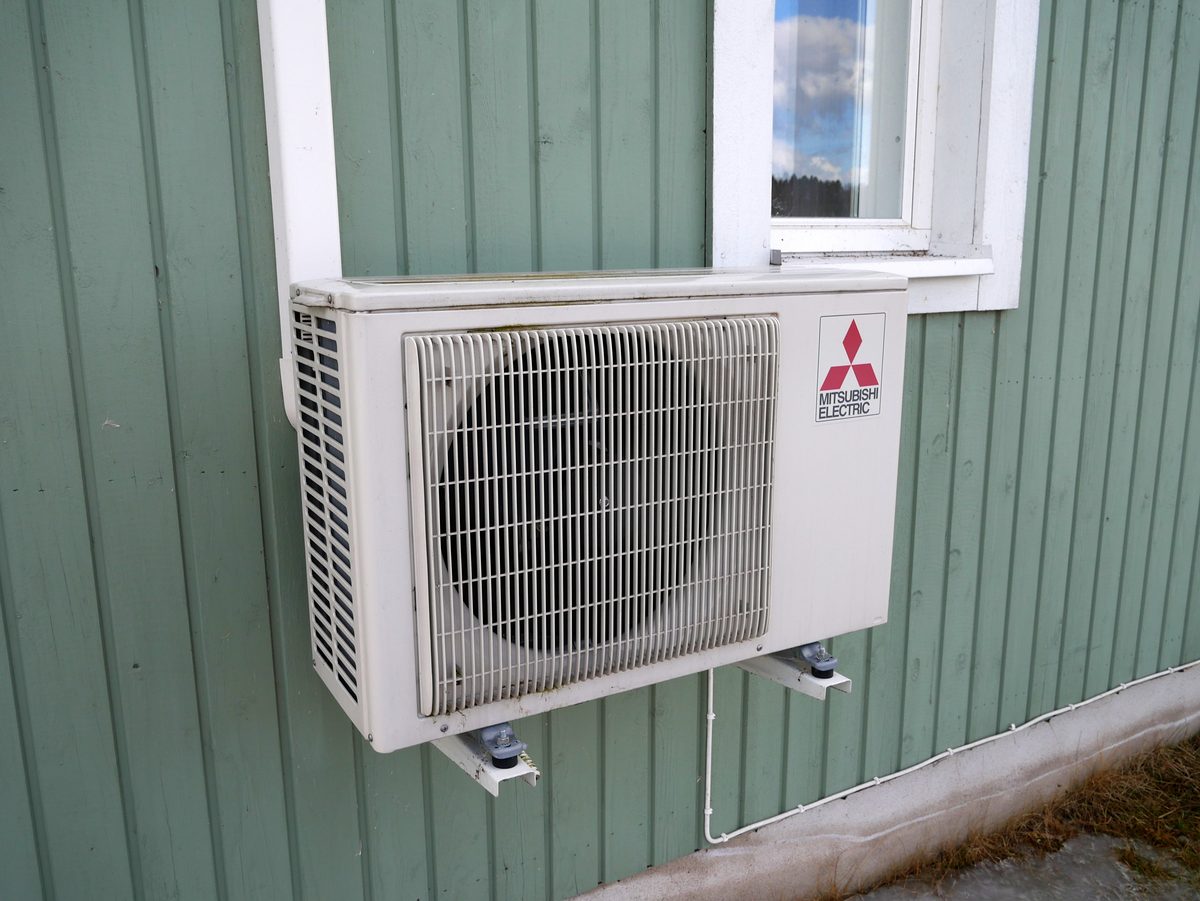
A mini-split has an outdoor unit and one or more indoor wall units, each serving a room or zone. Refrigerant lines run through a small opening in the wall, so installation is far less invasive than adding ducts. Each zone can be controlled separately, which helps in a house where one room faces the sun all afternoon and another stays shaded. Mini-splits are also a common choice for additions, converted attics, and rooms that were never served well by the main system.
A mini-split is not the right answer for every old house. It works best when the rooms it serves are reasonably insulated and when the indoor units can be placed where airflow reaches the whole room. A contractor should visit the house, look at the layout, and explain where the indoor and outdoor units would go before you commit.
Boilers, radiators, and baseboard heat
If your Bartonsville home has a boiler, regular care matters. Bleeding radiators to release trapped air, checking pressure, and having a technician inspect the boiler each year can keep the system quiet and even. Radiators that are hot at the top and cold at the bottom, or that make banging noises, often have air or sediment issues that a technician can address.
Baseboard heat, whether hot water or electric, has its own quirks. Hot water baseboards need the same boiler care as radiators. Electric baseboards need clear space around them — furniture and curtains should not block airflow, and they should never be covered. Both types benefit from a thermostat that controls each room or zone, so you are not heating empty rooms to the same temperature as lived-in ones.
When a boiler gets old, replacement is a bigger decision than swapping a furnace. Boilers last a long time, and a well-maintained one can serve for decades. A contractor should check the boiler’s condition, the state of the pipes and radiators, and whether a repair will restore reliable heat before recommending replacement.
What a contractor should do on a first visit
For an older home, a first visit should be a walk-through, not just a look at the equipment. The contractor should ask which rooms are uncomfortable and when, look at the ductwork or piping where it is accessible, check insulation in the attic if possible, and ask about past repairs. They should measure rooms if a replacement is being considered, and they should explain how the house itself affects the options.
Ask the contractor to explain the choices in plain language. Could duct sealing and balancing fix the uneven rooms? Would a mini-split solve the hot upstairs bedroom? Is the boiler worth repairing, or is it near the end of its life? A good answer will connect the recommendation to something the contractor saw in your house, not to a generic sales script.
Ask for written quotes with full model numbers, warranty terms, and a clear list of what work is included. Ask whether permits are needed, how long the job will take, and what disruption to expect — especially if walls or ceilings need to be opened. Ask who to call if a room still feels uneven after the work is done.
Insulation and air sealing: the quiet upgrade
In many older homes, the most effective comfort upgrade is not a new furnace but better insulation and air sealing. Adding attic insulation, sealing gaps around windows and doors, and insulating ducts in unheated spaces can reduce drafts, even out room temperatures, and lower the load on the heating and cooling system. That work does not replace HVAC repair, but it makes any HVAC system work better.
A contractor may not do insulation work themselves, but a good one will tell you when it is worth considering and may be able to suggest a local specialist. If a contractor proposes a much larger heating system to overcome drafts, ask whether sealing and insulation would allow a smaller, more efficient system instead. Oversizing a furnace to compensate for a leaky house is a costly way to solve the wrong problem.
Preserving comfort without losing character
Older homes in Bartonsville were built to last, and their heating systems often were too. The goal is not to strip out everything old, but to understand what you have, fix what is actually broken, and add cooling or zoning where the house needs it. A boiler that still heats well may only need a repair and a radiator bleed. A furnace with leaky ducts may only need sealing and balancing. A hot upstairs bedroom may only need a single mini-split.
Choose a contractor who is comfortable working in older homes, who will walk the house with you, and who will explain the options without pressure. Keep records of what was done, change filters on schedule, and book a heating check each fall. With that approach, an older Bartonsville home can stay warm through a Pennsylvania winter and comfortable through a humid summer, without losing the character that made it worth keeping.
Map of Bartonsville, Pennsylvania
Related Guides