Find A Contractor
Filter nearby cities:
Or search by ZIP code:
Winter in Bearcreek, Pennsylvania does not give much warning. One week the furnace runs a little in the morning, the next it runs all day, and a system that was fine in October is suddenly the only thing standing between your house and a cold snap. The homeowners who get through winter with the least trouble are usually the ones who dealt with their heating system before the cold arrived, not during it.
That is the heart of this guide. HVAC contractors in Bearcreek do repairs and replacements all year, but the most useful work they do for many households is the work that happens before winter: a heating check, a fix for a small problem while it is still small, and an honest answer about whether a system is ready for the season. This page explains how Pennsylvania winters test a heating system, what to check before the cold sets in, how to choose a contractor, and what to do when something fails in the middle of a freeze.
What a Pennsylvania Winter Asks of Your Furnace
A furnace in Bearcreek works harder and longer than the same furnace would in a milder climate. It may run for months with only short breaks, and every part in it collects wear: the igniter that lights the burner, the flame sensor that confirms the flame, the blower that moves warm air through the house, and the safety controls that shut the system down if something goes wrong. A part that is slightly worn in autumn can fail completely in January, when the furnace never gets a rest.
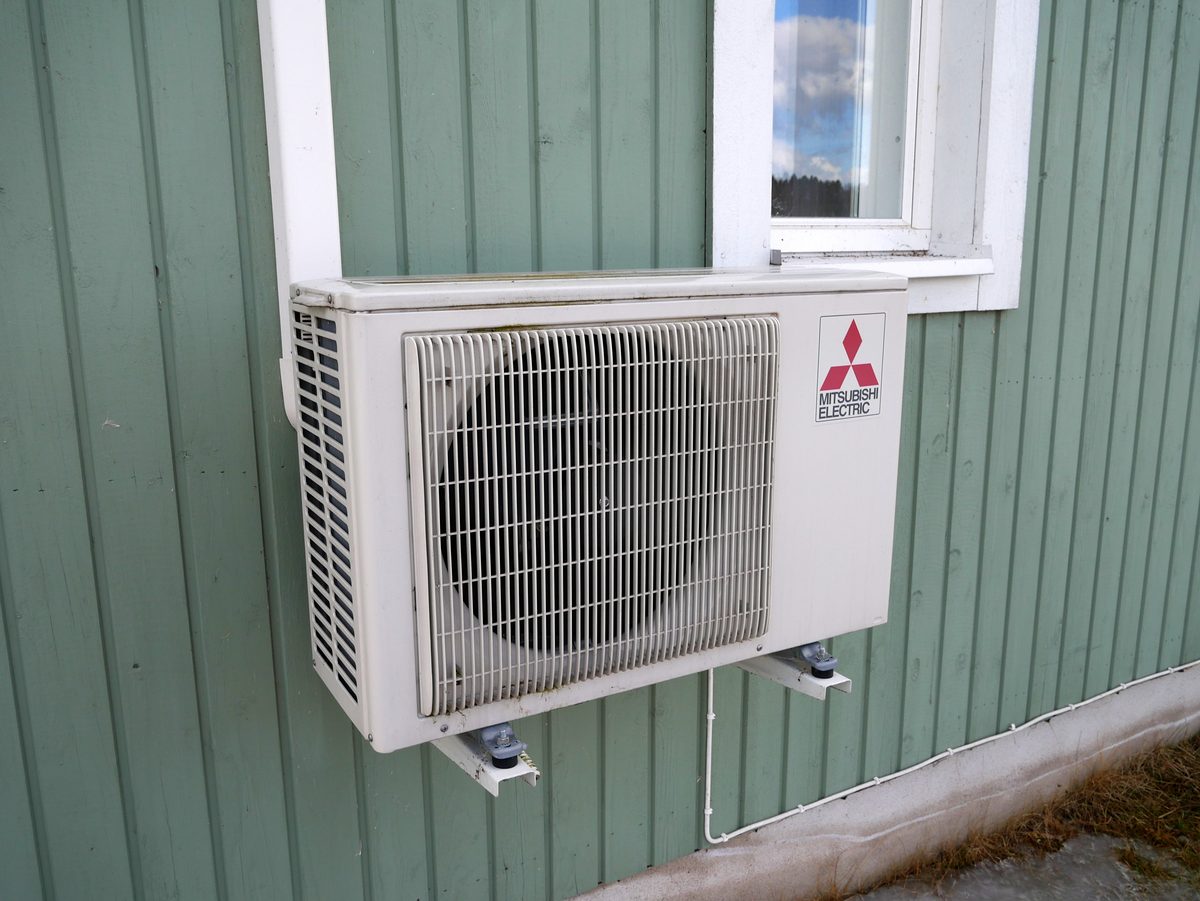
Heat pumps face a different test. They move heat from outside air into the house, and as outdoor temperatures fall, they have to work harder to find that heat. Many Pennsylvania heat pump systems have backup heat for the coldest nights. If that backup heat is not set up correctly, the house may feel cold even though the system is running, or energy use may climb sharply. A contractor can check the switchover settings and the condition of the outdoor unit before winter arrives.
Boilers have their own winter demands. A boiler heats water and sends it to radiators or in-floor tubing, and it needs the right pressure, clean water, and radiators that heat evenly. A radiator that stays cold at the top usually has trapped air. A boiler that loses pressure may have a leak. Both problems are easier to fix in October than in January.
The Pre-Winter Check That Matters Most
A heating tune-up is not a sales visit. At its best, it is a short, practical inspection that answers one question: is this system ready for winter? A technician should check the burner or heating elements, clean what needs cleaning, test the safety controls, check airflow, and look for wear on the parts that fail most often. They should also check the thermostat and the carbon monoxide safety equipment in the home.
Ask the technician to show you what they find. A dirty flame sensor, a worn igniter, or a clogged filter are all things you can see. If a part is worn but not yet failed, ask how long it is likely to last and what it would cost to replace now versus later. Sometimes replacing a cheap part before winter is the smart move. Sometimes waiting is fine. The difference is whether the technician can explain the risk clearly.
Do not skip the filter. A clogged filter is one of the most common causes of furnace trouble in winter. It cuts airflow, makes the furnace overheat, and can trigger a safety shutdown that leaves you without heat. Check the filter monthly during heating season and keep a spare on hand. Write the size down so you never have to guess at the store.
Finding an HVAC Contractor in Bearcreek
Start before you need one. The worst time to search for a contractor is the night your heat stops working. Ask neighbors who they use, what the technician did, and whether the price matched the quote. In a small community, a contractor who does careful work for one household usually does the same for the next.
Confirm licensing and insurance. Ask for proof and check that it is current. A licensed, insured contractor protects you if something goes wrong during the work. Also ask whether the contractor has experience with your type of system and your fuel. Oil, propane, and natural gas systems each have their own parts and safety controls, and a technician who works on your fuel type every week will diagnose problems faster.
Ask how the contractor handles winter emergencies. Who answers the phone at night? How quickly can someone reach Bearcreek? Is there a different rate for after-hours calls? You do not need a promise of instant service. You need a straight answer so you can plan. If you have an older system, ask whether the contractor stocks common parts for your brand or usually has to order them.
What to Do When the Heat Stops in a Freeze
If your heat stops during cold weather, start with the simple checks. Make sure the thermostat is set to heat and the temperature is set above the room temperature. Check that the furnace switch is on and that the circuit breaker has not tripped. Check the filter, because a badly clogged filter can shut a furnace down. If you use oil or propane, check the fuel level. A tank that ran dry needs more than a delivery; the system may need priming and a restart.
If those checks do not fix it, call a contractor and describe what you see and hear. Does the furnace try to start and then stop? Is the blower running but the air is cold? Is there an error code on the display? Is there any smell? The more specific you are, the better the technician can prepare, and the faster the visit will go.
While you wait, protect your home. Keep interior doors open so warm air can move. Let faucets drip slightly if pipes are at risk, and open cabinet doors under sinks on exterior walls. If the house is getting very cold and the repair will take a while, ask the contractor whether temporary heat is an option. Do not use a gas oven, a charcoal grill, or an unvented heater indoors. Those are dangerous, and a cold house is safer than a house with carbon monoxide building up inside it.
If you smell gas, or if a carbon monoxide alarm sounds, leave the house right away and call for emergency help from outside. Do not turn switches on or off, and do not try to find the leak yourself. Safety comes first, and a heating repair can wait until the house is safe to enter.
Comparing Quotes for a New Heating System
If your furnace or heat pump is failing often, you may need to price a replacement. Get at least two written quotes. Each quote should name the equipment brand and model, list the work included, state the warranty terms, and give a total price. It should also say what is not included, such as duct changes, electrical work, or removal of the old unit.
Ask how the new system was sized. A proper calculation looks at your house, not just the old equipment. It considers the size of the home, the insulation, the windows, and the layout. A furnace that is too large will cycle on and off and wear out faster. One that is too small will run constantly and still fall short on the coldest nights. A contractor who sized the system properly can walk you through the reasoning.
Ask about the two warranties separately: the manufacturer warranty on the equipment and the contractor warranty on the installation labor. A long equipment warranty does not cover a poor installation. Keep all the paperwork together, and ask what maintenance the warranty requires, such as annual service or regular filter changes.
Red Flags During Winter Work
Be careful with a contractor who pressures you to replace a system on the spot during a cold snap. A failed furnace in January is stressful, and that stress can push a homeowner into a rushed decision. A trustworthy contractor will explain whether a repair can get you through the winter safely, even if a replacement is worth pricing in the spring. If a repair is possible, you should have time to compare quotes.
Watch for quotes given without an inspection. A contractor cannot price a replacement correctly without seeing your house, your ductwork, and your existing system. A price given over the phone is a guess. Ask for a written quote after an in-person visit.
Be wary of a contractor who will not put anything in writing, who demands full payment before the work begins, or who suggests skipping a required permit. A deposit for equipment is normal. Full payment up front is not. A permit and inspection protect you, and a professional contractor handles them as part of the job.
Maintenance Habits That Get You Through Winter
Change the filter regularly, and check it more often when the furnace runs all day. Keep the area around the furnace clear of boxes, paint, and anything flammable. Make sure the furnace vent and exhaust are not blocked by snow or ice after a storm. If your home has a heat pump, keep the outdoor unit clear of snow and ice buildup, and do not pile snow against it.
Pay attention to your fuel supply. If you heat with oil or propane, schedule deliveries before a long cold stretch and do not let the tank run low. Running out of fuel in the middle of winter can leave you without heat while you wait for a delivery and a restart.
Listen to the system. A new banging, rattling, or squealing sound, a furnace that starts and stops every few minutes, or rooms that suddenly heat unevenly are all worth a call while the problem is still small. A small repair in November is almost always cheaper than an emergency repair in January.
Keep your thermostat settings steady during very cold weather. Turning the heat way down at night and way up in the morning makes the system work harder to recover, and a struggling furnace may not catch up. A steady setting is easier on the equipment and more comfortable for the house.
When Repair Stops Making Sense
Age alone does not decide the question. A well-maintained furnace can run for many years. The better questions are how often it breaks, how much each repair costs, and whether it still heats the house evenly. If you are paying for repairs every season, or if one repair costs a large share of a replacement, pricing a new system is sensible.
A system that cannot keep up even after repairs is also a sign. If some rooms stay cold no matter what, or the furnace runs all day without reaching the thermostat setting, the problem may be sizing, ductwork, or a failing heat exchanger rather than a single part. Ask a contractor to explain what they found and what your options are, and get a second written quote before you commit.
Winter in Bearcreek rewards preparation. A heating check in the fall, a clean filter, a full fuel tank, and a contractor you already trust are worth more than any emergency call. Start early, ask clear questions, and keep the paperwork for every job. Your furnace will work hard all winter. Make sure it is ready before the cold arrives.
Map of Bearcreek, Pennsylvania
Related Guides