Find A Contractor
Filter nearby cities:
Or search by ZIP code:
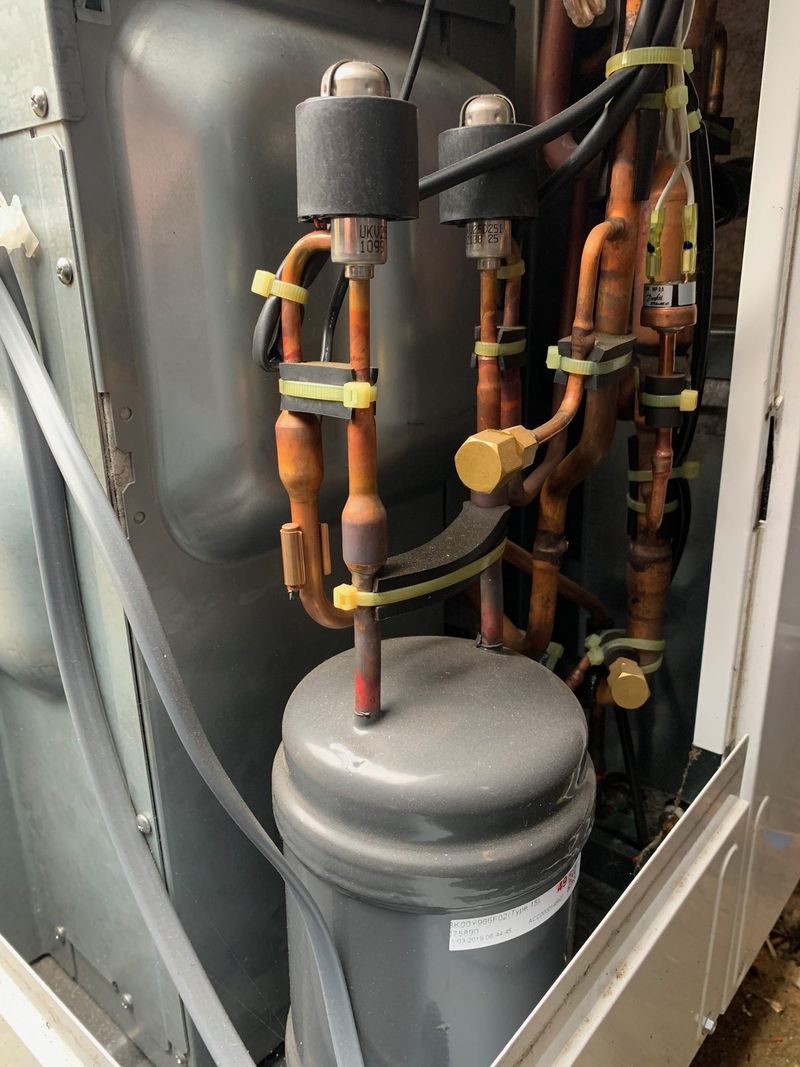
Should you repair your old furnace one more time, or replace it? That is the decision many homeowners in Bedford face, and it is rarely an easy one. A repair may cost less today, but if the system is old and unreliable, another breakdown may be only months away. A replacement costs more up front, but it can bring years of reliable heat and cooling, lower running costs, and a fresh warranty. This guide works through how to make that choice, what to ask a contractor, and how to plan a replacement without rushing.
Bedford homes, like many in Pennsylvania, need equipment that can handle cold winters and humid summers. A furnace that struggles in January or an air conditioner that cannot keep up in July affects the whole household. When a system starts needing frequent attention, it is time to look at the full picture: the age of the equipment, the cost and frequency of repairs, how comfortable the house feels, and how the system has performed over the last few years.
How Old Is Too Old?
Heating and cooling equipment does not last forever, but there is no single age at which every system should be replaced. Furnaces and air conditioners often last for many years when they have been maintained, while a system that has been neglected may fail sooner. The age matters, but so does the history. A system that has run well with only minor repairs is different from one that has needed a major part every year.
Find the age of your equipment if you can. The serial number on the label often encodes the year it was made, and a contractor can help you read it. The installation paperwork, if you have it, will also give the date. If the system is old enough that parts are hard to find, or if it uses a refrigerant that is no longer common, replacement becomes more attractive. A contractor can tell you whether parts for your model are still available and how long they are likely to remain so.
Adding Up the Cost of Repairs
Look at what you have spent on repairs over the last two or three years. Add up the invoices, and note how often the technician had to come out. A single repair for a worn part is normal. Repeated repairs for different parts suggest the system is wearing out in several places at once. If the next repair would cost a large share of what a new system costs, and the system is already old, the repair may not be good value.
Ask the technician to be specific about the current fault. What broke, and why? Is the failure related to age, or was it caused by something else, such as a dirty filter or a power surge? What else is likely to fail soon? A technician who has seen the system over time can give a realistic view. If you have only just met the contractor, ask them to explain their reasoning in plain terms, and consider a second opinion before committing to a large repair on an old system.
- How old is the system, and are parts still available?
- How much have repairs cost in the last two or three years?
- How often has the system broken down, and for what reasons?
- Are some rooms hard to heat or cool, even after repairs?
- Has the system become noticeably louder or less efficient?
Comfort matters as much as cost. A system that runs but leaves some rooms cold in winter or warm in summer is not doing its job, even if it has not broken down completely. Uneven temperatures can point to duct problems, poor insulation, or equipment that is the wrong size. A replacement is a chance to fix those issues, but only if the contractor looks at the whole house rather than just swapping the old unit for a new one of the same size.
What a Replacement Involves
Replacing a furnace or an air conditioner is a bigger job than a repair, and it helps to know what is involved. The old unit is removed and disposed of. The new unit is installed, connected to ductwork or piping, wired to the thermostat and the electrical panel, and tested. If the new equipment is a different size or type, ductwork may need to be adjusted. A permit may be needed, and an inspection may follow. The whole job usually takes a day or two for a straightforward replacement, and longer if ductwork or electrical work is involved.
Ask the contractor to explain the steps for your home specifically. Will the heat or cooling be off during the work, and for how long? Will the work create dust, and how will the work area be protected? Who will remove the old equipment, and is disposal included in the price? Those practical details matter, especially if the replacement is happening in cold or hot weather.
Choosing New Equipment
New equipment comes in many forms, and the right choice depends on your home. A gas furnace may suit a home with a gas supply. An oil furnace or boiler may suit a home without one. A heat pump can heat and cool, and it may work well alongside a furnace in a dual-fuel setup. A ductless mini-split can serve a room or an addition without ductwork. A contractor should explain the options that fit your house, not just the one they sell most often.
Efficiency is worth understanding, but it is not the only factor. A more efficient system may cost more to buy and less to run, but the saving depends on how much you use it and how long you plan to stay in the home. Ask the contractor to explain the efficiency rating in plain terms, and to compare the options on running costs as well as purchase price. Also ask about noise. A new system should be quieter than an old one, but some models are quieter than others, and the location of the outdoor unit matters too.
Size is critical. An oversized system will cycle on and off too often, wear out faster, and leave the house feeling clammy in summer. An undersized system will run constantly and never keep up. A careful contractor will do a load calculation based on the size of the home, insulation, windows, and ductwork, rather than simply copying the size of the old unit. Ask how the size was chosen, and expect a clear answer.
Getting Quotes for a Replacement
Get at least two or three written quotes for a replacement. Give each contractor the same information about your home and your goals, so the quotes can be compared fairly. Each quote should list the equipment by brand and model, the work included, the warranty on parts and labor, the total price, and the payment schedule. It should also say what is not included, such as ductwork changes, electrical work, or disposal.
When you compare quotes, look at scope as well as price. One may include a new thermostat, duct sealing, or a longer labor warranty. Another may use different equipment. Ask each contractor to walk through their quote and explain the differences. A contractor who takes time to explain is more likely to take time over the installation as well.
Be wary of pressure to decide immediately. A replacement is a major purchase, and you should have time to compare quotes, check references, and think about the decision. A discount that expires before you can get a second quote is a sales tactic, not a genuine saving. Take the time you need.
Licenses, Permits, and Warranties
Before work starts, confirm the contractor is licensed and insured to work in Pennsylvania. Ask for proof, and keep a copy. Ask whether a permit is needed for the replacement, and who will obtain it. Some jobs need a local permit and a final inspection. A reputable contractor will handle the paperwork or explain exactly what you need to do.
Warranties deserve close attention. The manufacturer usually warrants parts for a set number of years. The contractor usually warrants labor for a separate period. Find out how long each lasts, what it covers, and what could void it. Some warranties require the equipment to be registered after installation, and some require annual maintenance. Ask who is responsible for registration and maintenance, and keep all the paperwork together.
Also ask what happens if the new system does not work as expected. Will the contractor return to adjust it, and is there a charge? How quickly can they come back? A contractor who stands behind the installation will answer these questions directly, and will put the labor warranty in writing.
Planning the Timing
If you can plan a replacement, do it in mild weather. Replacing a furnace in the fall, before the cold sets in, is calmer than replacing it in January after it has failed. Replacing an air conditioner in spring is easier than doing it during a heat wave. Planning ahead also gives you time to compare quotes, check references, and schedule the work at a time that suits your household.
If the system fails suddenly, you may not have that choice. In that case, focus on getting reliable heat or cooling restored safely, and ask the contractor to explain the options clearly. A temporary repair that keeps the house warm while you decide on a replacement can be a sensible step, if the contractor explains the cost and the trade-offs honestly.
After the installation, walk through the work with the technician. Ask them to show you the new equipment, explain the thermostat, and show you how to change the filter. Test the system, check that every room is getting air, and make sure the work area is clean. Keep the contract, the warranty, the manuals, and the receipts in one folder. Note the installation date and the name of the technician. If a problem appears in the following weeks, call promptly while the labor warranty is fresh.
Deciding between repair and replacement in Bedford is not about a single rule. It is about age, repair history, comfort, and cost, weighed together. With clear information from a contractor you trust, two or three written quotes, and time to think, you can make a choice that keeps your home warm in winter and cool in summer for years to come.
Map of Bedford, Pennsylvania
Related Guides