Find A Contractor
Filter nearby cities:
Or search by ZIP code:
What do you do with a room that never feels right? In Bedminster, as in many Pennsylvania towns, the answer is often a ductless mini-split. Maybe it is a converted attic that bakes in summer, a finished basement that stays chilly, a new addition that the old ductwork never reached, or a home office that needs cooling during the day while the rest of the house does not. Ductless systems were made for exactly those situations, and they are becoming a common sight in Pennsylvania homes that already have a furnace or boiler but no ducts for cooling.
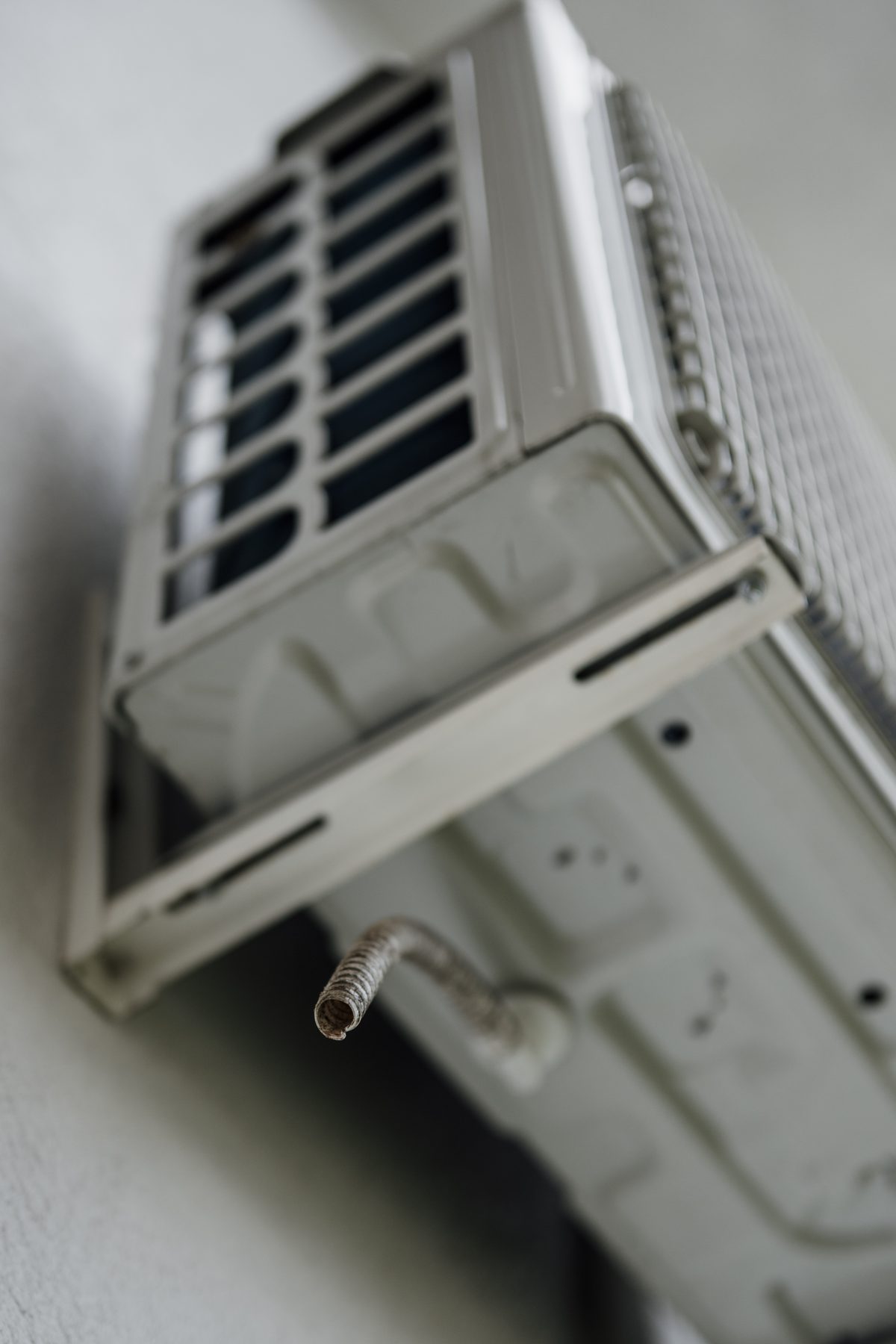
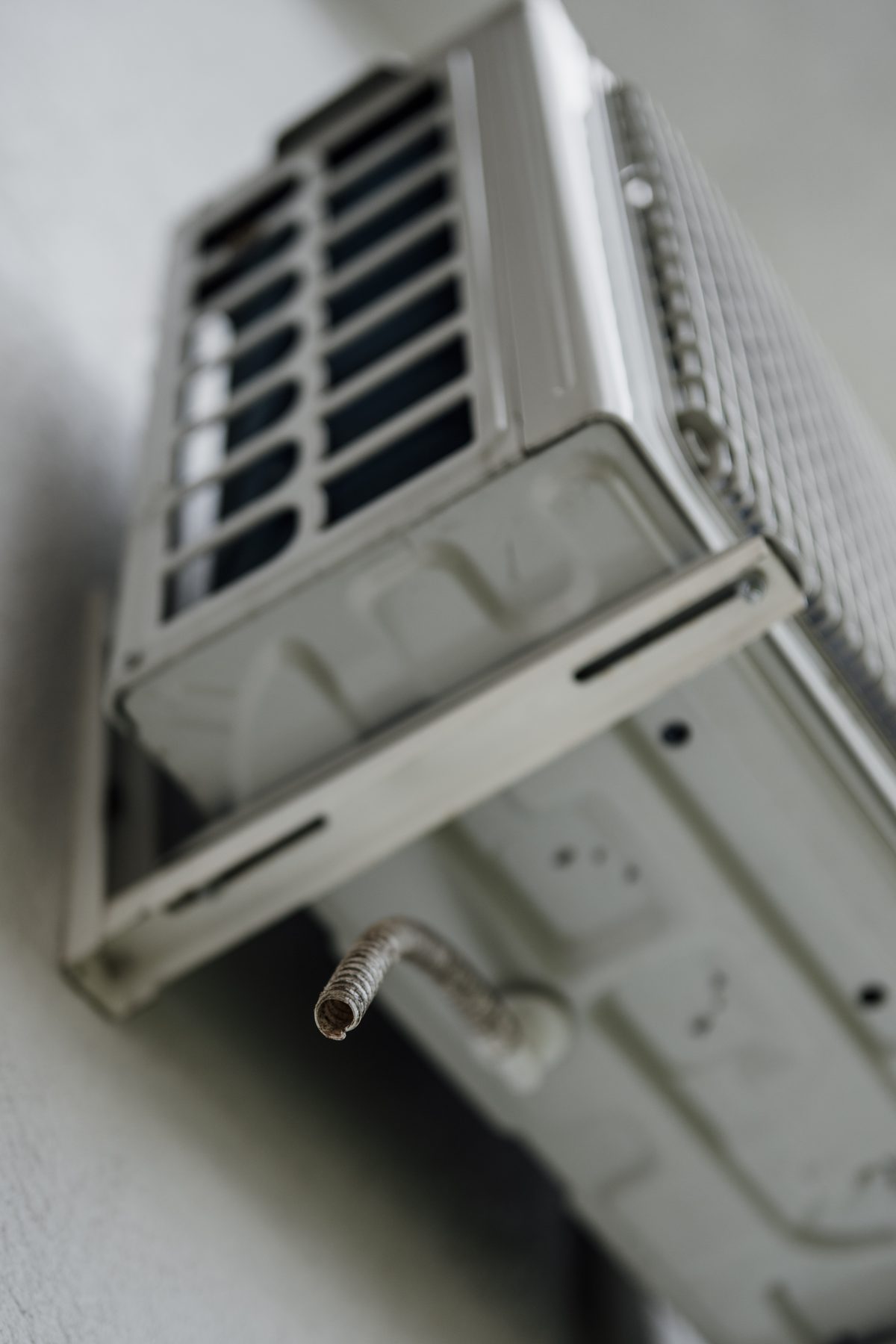
A ductless mini-split has two main parts: a small outdoor unit and one or more indoor units mounted high on a wall or on the ceiling. A narrow line connects them, carrying refrigerant and power. There is no ductwork to install, no large hole in the wall, and no need to tear open ceilings. That makes the installation simpler than adding ducts to a home that never had them, and it gives you control over individual rooms rather than heating or cooling the whole house at once.
How Ductless Systems Work
A mini-split is a type of heat pump. In summer it pulls heat out of the room and sends it outside, cooling the air and removing moisture as it does. In winter it reverses, pulling heat from the outdoor air and moving it inside. Because it moves heat rather than creating it, it can be efficient in mild weather. In very cold Pennsylvania weather it works harder, so some homes use mini-splits alongside a furnace, letting the furnace handle the coldest days.
Each indoor unit has its own control, usually a remote or a wall-mounted thermostat. That means you can cool the bedroom at night without cooling the whole house, or heat the home office during the day without heating rooms nobody is using. For a household where different people want different temperatures, that individual control is one of the main attractions.
Mini-splits come in several forms. A wall-mounted unit is the most common and the easiest to install. A ceiling cassette sits flush in the ceiling and is less visible. A floor-mounted unit sits low on the wall and can suit a room where a high wall mount is not practical. A contractor can explain which type fits each room, and where the indoor unit should go for the best airflow.
When a Mini-Split Makes Sense
A mini-split makes sense when a room or a part of the house is hard to serve with the existing system. Common cases include additions, converted attics and basements, garages turned into living space, and rooms at the far end of a long duct run. It also makes sense in a home with a boiler and radiators, where there is no ductwork at all and adding ducts would be a major project.
It can also make sense as a supplement. A home with central air conditioning may have one room that always feels warm, even when the rest of the house is comfortable. A single mini-split in that room can fix the problem without replacing the whole central system. A home with a furnace may add a mini-split to provide cooling in summer, while keeping the furnace for winter heat.
What a mini-split does not do well is heat or cool a whole large house on its own, unless it is designed as a multi-zone system with several indoor units. A contractor should look at the house, measure the rooms, and explain whether a single unit, a multi-zone system, or a different approach is the right fit. Ask how many indoor units would be needed, where the outdoor unit would sit, and how the system would handle the coldest weeks of winter.
Choosing and Sizing a Mini-Split
Sizing matters for mini-splits just as it does for central systems. A unit that is too small will run constantly and never reach the set temperature. A unit that is too large will cycle on and off, cool the room quickly, and leave it feeling humid because it did not run long enough to remove moisture. A careful contractor will measure the room, look at windows, insulation, and ceiling height, and consider how the room is used before recommending a size.
Ask the contractor to explain the choice. What size did they recommend, and why? How many indoor units are included, and what happens if you want to add another later? Some outdoor units can support additional indoor units in the future, while others cannot. If you think you may want to cool more rooms later, ask whether the outdoor unit you are buying leaves that option open.
Also ask about the outdoor unit placement. It needs space for airflow, a solid base, and a location where the sound will not bother you or a neighbor. It should be clear of snow drifts in winter and easy for a technician to reach for service. The refrigerant lines should be run neatly and protected, and the condensate drain should carry water away from the house.
Installation: What to Expect
Installing a single mini-split is usually a shorter job than installing a central system. The technician mounts the indoor unit, runs the line set through a small hole in the wall to the outdoor unit, connects the power and the drain, and tests the system. For a multi-zone system with several indoor units, the job takes longer, and the routing of lines and drains needs more planning.
Before work starts, ask what the installation includes. Does the quote cover the indoor and outdoor units, the line set, the electrical work, and the drain? Does it include a wall bracket or a concrete pad for the outdoor unit? Who will patch the small hole in the wall, and is that included? A written quote should list all of this, so there are no surprises.
Ask about the permit as well. Some localities require a permit for a new installation, and a reputable contractor will handle it or explain what you need to do. Ask whether the work will be inspected, and keep a copy of any permit and inspection result with your other paperwork.
Running a Mini-Split Day to Day
Mini-splits are simple to use once they are installed, but a few habits help them work well. Use the remote or thermostat to set the temperature, and avoid changing it up and down by large amounts during the day. A steady setting is usually more efficient than swinging between hot and cold. In summer, use the cooling or dry mode as the contractor recommends, and let the system run long enough to remove humidity.
Keep the indoor unit clean. The filter inside the indoor unit should be cleaned regularly, usually every few weeks during heavy use. The manual will show how to remove it, rinse it, and put it back. A dirty filter reduces airflow and can make the unit less effective. Keep furniture and curtains away from the indoor unit so air can flow freely into the room.
Outside, keep the outdoor unit clear of leaves, grass, and snow. Do not stack anything against it, and do not cover it in a way that blocks airflow. In winter, the unit will run a defrost cycle from time to time to melt ice from the coil. That is normal. If ice builds up and does not clear, or if the unit makes a new noise, call a contractor rather than trying to clear it yourself.
Maintenance and Repairs
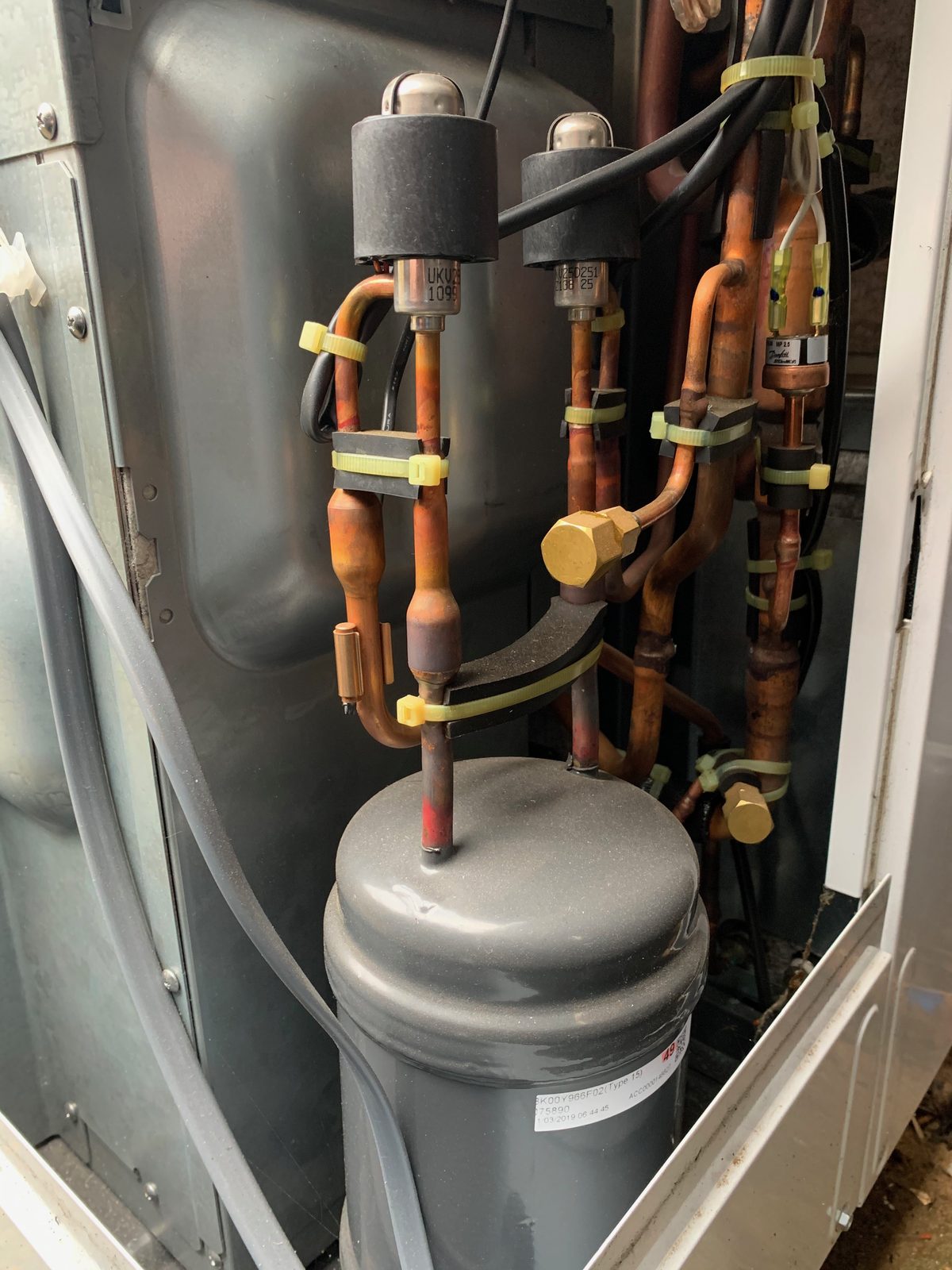
A mini-split needs professional maintenance once a year, or as the manufacturer recommends. During a visit, a technician cleans the coils, checks refrigerant levels, clears the drain, tests the controls, and looks for wear. Regular maintenance keeps the system efficient and catches small problems before they become expensive ones.
Common repairs include a failed sensor, a faulty control board, or a refrigerant leak. A leak needs to be found and fixed, not just topped up, because refrigerant will leak again if the source is not repaired. Ask the technician to explain any repair in plain terms, and to give you a written estimate before work begins. If the system is old and the repair is costly, ask whether replacement would be better value.
Finding a Contractor for Ductless Work
Not every HVAC contractor installs mini-splits regularly, so ask about experience. How many ductless systems has the company installed? Which brands does it work with? Can it show you a recent installation, or provide references from homeowners with a similar setup? A contractor who installs mini-splits often will be familiar with sizing, placement, and the details that make an installation work well.
- Ask how the contractor sized the system for each room.
- Ask what the quote includes: units, lines, electrical work, drain, and cleanup.
- Ask about the warranty on parts and on labor, and what maintenance it requires.
- Ask for proof of license and insurance before work starts.
- Ask who to call if the system stops working in winter or summer.
Compare two or three written quotes, and look at scope as well as price. A quote that includes proper placement, a suitable outdoor base, and a clear warranty is worth more than a cheaper quote that leaves those details out. Be wary of pressure to decide on the spot, and take time to think about a purchase that will serve your home for many years.
For a room that never feels right in Bedminster, a ductless mini-split can be a practical answer. It adds heating and cooling where ducts cannot reach, gives you control over individual rooms, and avoids the disruption of a full duct installation. With a contractor who sizes it carefully, installs it neatly, and explains how to run it, a mini-split can keep the hardest room in the house comfortable through a Pennsylvania winter and a humid summer alike.
Map of Bedminster, Pennsylvania
Related Guides