Find A Contractor
Filter nearby cities:
Or search by ZIP code:
What do you do when the heat stops on a cold Belfast night, or the air conditioner gives up during a sticky Pennsylvania summer afternoon? Most homeowners in Belfast face that question at some point, and the answer is rarely to wait and hope the system fixes itself. Heating and cooling systems in Pennsylvania work hard through both extremes, and when they fail, the house gets uncomfortable fast. This guide walks through what HVAC contractors in Belfast, Pennsylvania do, how the systems in local homes usually work, and how to choose help without rushing into a decision you will regret.
A furnace that will not start, a heat pump that runs all day without warming the rooms, or a central air conditioner that blows warm air all point to the same basic need: someone who can look at the whole system, find the fault, and explain the options in plain language. A good contractor does that before talking about replacement. Repairs are often possible, and a careful check can separate a small part failure from a system that has reached the end of its useful life. The goal is a warm house in winter and a cool, dry house in summer, at a cost you understand before work begins.
What HVAC Work Covers in a Belfast Home
HVAC is short for heating, ventilation, and air conditioning, and in practice it covers the equipment that keeps indoor air at a livable temperature and moves it around the house. In Belfast, that usually means a furnace, a heat pump, or a central air conditioning system, plus the ducts, vents, thermostat, and controls that connect them. Some homes use a boiler with radiators or baseboards instead of forced air. Others rely on a heat pump for both heating and cooling. The contractor you call should be comfortable with the type of system you have, and should say so plainly if it is outside their usual work.
Day-to-day HVAC work falls into a few clear groups. Repair covers breakdowns and faults: a system that will not turn on, short cycles, makes a new noise, leaks water, or heats one room while leaving another cold. Maintenance covers cleaning, filter changes, safety checks, and tune-ups that keep a system running well. Replacement covers a new furnace, heat pump, or air conditioner when repair no longer makes sense. Installation also covers new ductwork, a new thermostat, or added ventilation. Knowing which group your job falls into helps you describe it clearly on the phone and helps the contractor bring the right tools.
How Pennsylvania Heating and Cooling Systems Usually Work
Pennsylvania winters are cold enough that heating is not optional, and summers are humid enough that cooling and moisture control matter too. Many Belfast homes heat with a gas or oil furnace that warms air and pushes it through ducts to each room. A thermostat calls for heat, the burner or heating element warms a heat exchanger, and a blower moves the warm air. When the house reaches the set temperature, the system shuts off until it is needed again. A dirty filter, a blocked vent, or a failing blower can throw that cycle off, so the house feels uneven or the system runs longer than it should.
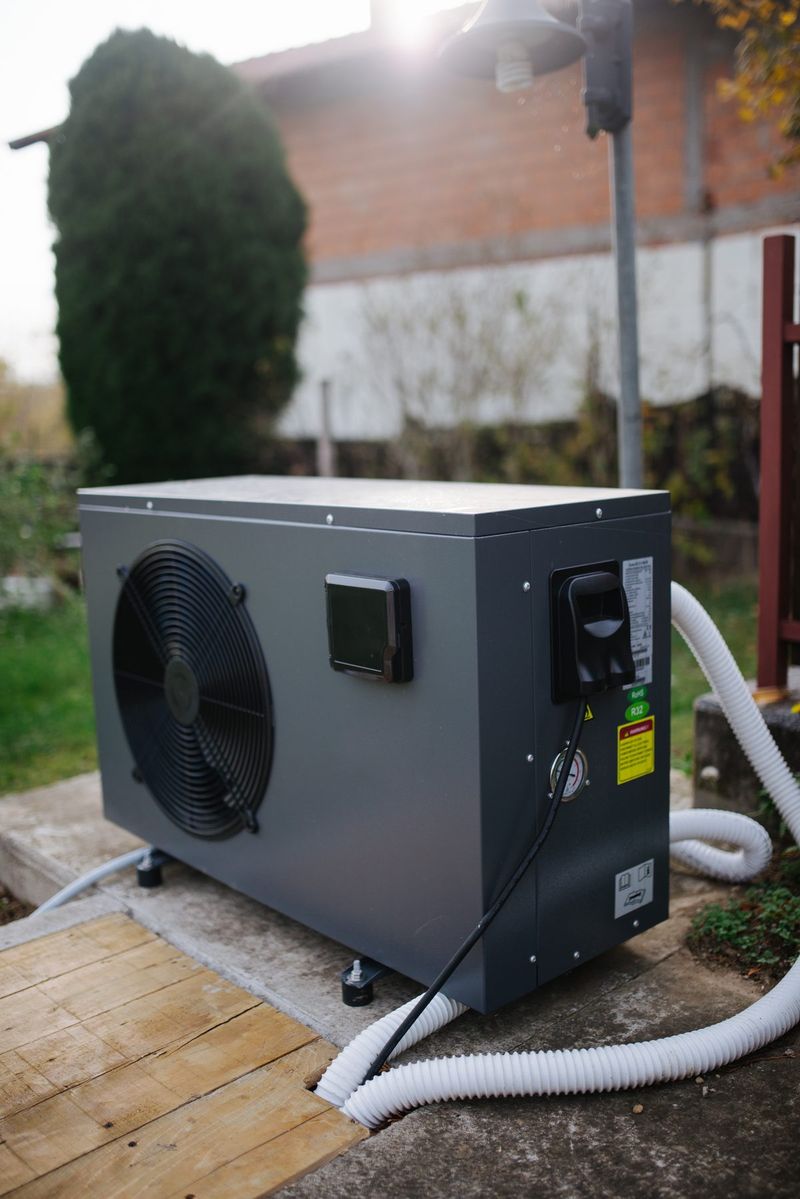
Heat pumps are common in Pennsylvania too, and they work differently. Instead of burning fuel to make heat, a heat pump moves heat from outside air into the house in winter and reverses to move heat out in summer. That makes one unit do two jobs, which suits homes that want both heating and cooling without separate systems. In very cold weather a heat pump may need backup heat, and its outdoor unit needs clear airflow and regular cleaning. Central air conditioning works on a similar idea in summer only, cooling air and removing humidity before it reaches the rooms. Whichever system you have, the thermostat, the filter, and the airflow through the house matter as much as the main unit itself.
When to Call for Help Instead of Waiting
Some problems are worth a same-day call. No heat in freezing weather, a strong smell of gas, a system that trips a breaker again and again, water pooling around indoor equipment, or a burning smell that does not fade all belong in that group. Turn the system off if you feel unsafe, open a window if you smell gas and leave the house, and call for help from outside. Do not keep resetting a breaker or restarting a furnace that keeps shutting down. A system that shuts itself off is often protecting itself, and repeated restarts can turn a small fault into a larger one.
Other problems can wait for a scheduled visit, but still deserve attention. A system that runs longer than usual, rooms that never reach the set temperature, new rattling or grinding sounds, a thermostat that seems out of step with the room, or a sudden rise in energy use all suggest something is wearing out or out of adjustment. Write down what you notice before you call: when the problem started, which rooms are affected, what sounds or smells you noticed, and whether the system has been serviced recently. That short list helps the contractor arrive with a clear picture and saves time on site.
Simple Checks You Can Do First
- Check the thermostat setting, mode, and batteries if it uses them.
- Look at the filter and replace it if it is clogged with dust.
- Make sure supply and return vents are open and not blocked by furniture or rugs.
- Check the breaker panel for a tripped breaker, and reset it only once.
- Clear leaves and debris from around the outdoor unit.
- Note the model and age of the system if the label is easy to read.
Those checks take a few minutes and sometimes solve the problem. If they do not, stop there. Opening panels, touching wiring, or working with gas and refrigerant is work for a trained contractor, not a homeowner with a screwdriver.
How to Find and Choose a Contractor in Belfast
Start with a short list rather than a single name. Ask neighbors, friends, or family in the area who they have used and whether the work held up. Look for contractors who describe their work clearly, answer the phone or return calls, and are willing to visit the house before giving a firm price on a larger job. A contractor who quotes a replacement over the phone without seeing the house, the ductwork, or the existing equipment is guessing, and you deserve better than a guess on a job that size.
Ask each contractor the same basic questions so you can compare answers fairly. How long have they worked on your type of system? Are they licensed and insured for this work in Pennsylvania? Will they pull any required permits? What does the written quote include, and what would cost extra? What warranty covers parts and labor, and who honors it if something goes wrong? How soon can they start, and how long will the work take? A clear, calm answer to those questions tells you more than any advertisement. Vague answers, pressure to decide on the spot, or a refusal to put the price in writing are reasons to keep looking.
Comparing Written Quotes Without the Confusion
For a repair, a written quote may be short: the fault found, the part or work needed, the labor, and the total. For a replacement, it should be longer and more specific. It should name the equipment type and size, the brand and model if one has been chosen, the work on ducts or wiring, the thermostat, removal of the old unit, permits, and cleanup. It should also state the warranty in plain terms. Two quotes that look similar on price can differ a lot once you read what each one actually includes, so compare the line items, not just the final number.
Ask about sizing before you agree to a new system. A furnace or air conditioner that is too large will cycle on and off, wear out faster, and leave humidity behind in summer. One that is too small will run constantly and still leave rooms uncomfortable. A careful contractor measures the house, looks at insulation and windows, checks the ductwork, and explains why a given size fits. That visit takes time, and it is one of the clearest signs that the contractor is doing the job properly. A low price on the wrong size is not a bargain.
Red Flags Worth Taking Seriously
- Pressure to sign today or lose a discount that is never explained.
- A quote with no written detail, or a price that changes without a clear reason.
- No proof of license or insurance when asked.
- A suggestion to skip a permit where one is normally required.
- A promise that a new system will fix duct or insulation problems on its own.
- Cash-only payment with no receipt or written agreement.
Any one of these is a reason to pause. A good contractor expects you to ask questions and to get a second opinion on a large job, and will not punish you for doing so.
Licenses, Permits, and Warranties
Heating and cooling work in Pennsylvania often involves electrical work, gas lines, or refrigerant, so licensing and insurance matter. Ask to see proof, and check that the name on the paperwork matches the business doing the work. Insurance protects you if something is damaged or someone is hurt on the job. Permits, where required by the local authority, create a record that the work was done to code and inspected. Skipping a permit may seem faster, but it can cause trouble later when you sell the house or file an insurance claim.
Warranties come in two parts: the equipment warranty from the manufacturer and the labor warranty from the contractor. Read both. Find out how long each lasts, what it excludes, and whether regular maintenance is required to keep it valid. Keep the paperwork, the model numbers, and the install date in one folder. That folder saves time years later when a part fails and you need to know what is still covered.
Basic Maintenance That Keeps Systems Running
Regular maintenance is the least dramatic part of HVAC care and the most useful. Change or clean the filter on the schedule the system manual suggests, usually more often in heavy-use months. Keep vents open and clear. Keep the outdoor unit free of leaves, grass clippings, and snow buildup, with space around it for airflow. Listen for new sounds and watch for new smells, and note them early. A yearly professional visit before the heating season, and another before the cooling season if you have central air, gives a trained eye a chance to catch worn parts, clean coils, check safety controls, and test the system before you depend on it.
Maintenance does not make a system last forever, but it does make breakdowns less likely at the worst moment. It also gives you a record of the system's condition over time, which helps you decide later whether a repair is worth it or whether replacement is the better call. A contractor who has serviced your system for a few years will know its history and can give advice based on what they have actually seen, not on a guess.
Getting Ready for the Visit
Before the contractor arrives, clear a path to the indoor unit, the thermostat, and the outdoor unit. Gather any past service paperwork, the system manual if you have it, and your notes about the problem. Be ready to describe how the house feels room by room, not just that it feels wrong. If you have pets, keep them in another room during the visit. After the work, ask the contractor to walk you through what was done, what to watch for, and when the next service is due. A short walkthrough at the end is worth more than a long invoice you do not understand.
Finding HVAC help in Belfast comes down to a few steady habits: describe the problem clearly, get more than one written quote for larger work, check license and insurance, read the warranty, and keep up with basic maintenance. The right contractor will explain the work, respect your budget, and leave the house as tidy as they found it. With that kind of help, a Belfast home can stay warm through a Pennsylvania winter and cool through a humid summer, without the system becoming a source of worry every time the weather turns.
Map of Belfast, Pennsylvania
Related Guides