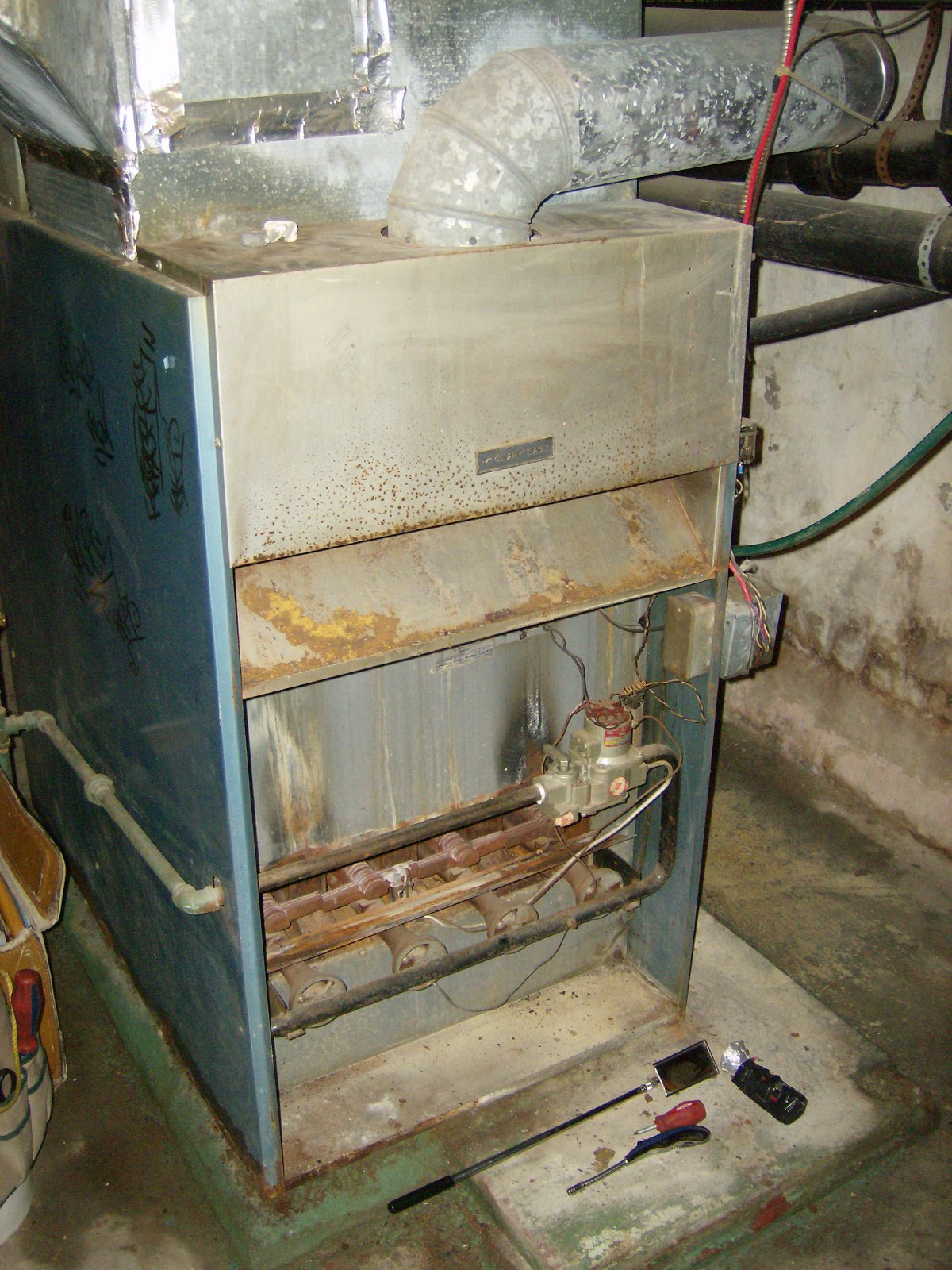
Is your furnace in Sayre, Oklahoma struggling to keep your home warm, making new noises, or breaking down at the worst time? If you are thinking about a replacement, you probably have the same questions most homeowners have. How do you know the size is right? What should the installer check before giving you a price? And how do you compare one quote with another without getting lost in model numbers?
This guide walks you through a furnace installation in plain language. You will learn what happens before, during, and after the work, what choices affect comfort and running costs, and what to ask before you sign anything. You do not need to know heating terms to use it. You only need to know your home, your budget, and what a warm, steady house feels like to you.
When a New Furnace Makes Sense
A furnace does not always need to be replaced the first time it stops working. A failed igniter, a dirty filter, a tripped breaker, or a faulty thermostat can all stop heat without meaning the whole unit is worn out. A repair often makes sense when the problem is small, the furnace is still fairly young, and the rest of the system is in good shape.
Replacement starts to make more sense when repairs keep coming back, parts are hard to find, or the furnace no longer heats rooms evenly. If some rooms stay cold while others feel too warm, the problem may be ductwork or sizing rather than the furnace alone, and a good installer will check that before recommending a new unit. Age alone is not a full answer. A well kept furnace can last a long time, while a neglected one can fail early. Ask any installer who visits to explain why they think repair or replacement is the better choice for your home, in words you can follow.
Timing matters too. If your furnace fails in the middle of a cold spell, you may need a fast decision. Even then, take time to get a written quote and to ask about the work included. A rushed choice can leave you with a unit that is the wrong size or a duct problem that was never fixed. If you can plan ahead, start before the coldest part of the year, when installers have more time to measure your home and answer questions.
What Size Furnace Does Your Home Need?
Furnace size is not about picking the biggest unit you can afford. A furnace that is too large will heat the house fast, shut off, and start again a short time later. That short cycling can leave rooms uneven, wear parts faster, and make the house feel drafty even when the thermostat says the target temperature has been reached. A furnace that is too small will run for long stretches and may still leave distant rooms cold on the coldest days.
The right size depends on your home, not on a guess based on square footage alone. An installer should look at insulation, window size and condition, ceiling height, air leaks, the layout of rooms, and how heat moves through your ductwork. Two homes of the same size in Sayre can need different furnaces if one has newer windows and tighter construction and the other has older single pane windows and gaps around doors.
Ask the installer how they sized the unit. A careful answer will mention a heat load calculation or a room by room measure, not just a rule based on floor area. You do not need to check their math yourself, but you should hear a clear reason for the size they recommend. If two quotes suggest very different sizes, ask each installer to walk you through their reasoning. That difference is often a sign that one of them measured more carefully than the other.
Gas, Electric, and Other Fuel Choices
Most homes in Oklahoma use a gas furnace or an electric furnace, and the right choice depends on what is already connected to your home. A gas furnace usually needs a gas line, a vent for exhaust, and a safe place for combustion air. An electric furnace needs enough electrical capacity and a panel that can handle the load. Changing fuel types can add work, such as running a new gas line or upgrading wiring, and that work should show up clearly in the quote.
Think about how you use heat as well. Do you keep the thermostat steady through the day, or do you turn it down at night and back up in the morning? Do you have rooms you rarely use? Your answers help an installer suggest controls and features that fit your habits, such as a two stage furnace that can run at a lower level on milder days and a higher level when it is colder, or a variable speed blower that moves air more gently and evenly.
Do not choose a fuel type based on a single claim about which one is always cheaper. Running costs depend on local utility rates, the efficiency of the unit, the condition of your ducts, and how well your home holds heat. A quote that only talks about the furnace and never mentions ducts, insulation, or air sealing is missing part of the picture.
What a Careful Installer Checks First
Before work starts, a careful installer will visit your home and look at more than the old furnace. Expect them to check the return and supply ducts, the filter slot, the venting, the gas or electrical connections, the thermostat wiring, and the space around the furnace. They should also look for signs of past problems, such as rust, water stains, soot, or damaged duct joints.
They should ask you questions too. Which rooms feel cold? Does the furnace make a noise when it starts? Has your energy bill changed without a change in use? Have you had repairs in the last few years? Your answers point them toward problems a quick look might miss. If an installer gives you a price without visiting, without measuring, and without asking about comfort problems, treat that quote with care. A home visit is not a formality. It is how the installer learns what your home actually needs.
Permits, Codes, and Safety Checks
Furnace installation in Oklahoma is covered by building and mechanical codes that are meant to keep your home safe. A new furnace must be vented correctly, connected safely, and placed with enough clearance for service and for air flow. Gas connections must be checked for leaks, and electrical connections must match the load of the unit.
Ask who will handle permits and inspections, and make sure that answer is in writing. In many cases the installer pulls the permit and schedules the inspection. If an installer tells you a permit is not needed, ask them to explain why, and check with your local building office if you are unsure. A permit and an inspection add a layer of protection. They create a record that the work was reviewed and give you a chance to fix a problem before it becomes a safety risk.
After installation, the installer should test the system in front of you. That test should include starting the furnace, checking that warm air reaches each room, checking the thermostat, and looking for leaks or unusual sounds. Ask them to show you how to change the filter, where the shutoff is, and what to do if the furnace stops working. Write down the model and serial number, and keep the manual and warranty papers in one place.
How to Read and Compare Written Quotes
Get at least two written quotes, and make sure each one lists the same work so you can compare them fairly. A useful quote should name the furnace model, the size, the type of fuel, the work on ductwork and venting, the thermostat, the permit, the removal and disposal of the old unit, and the warranty terms. If one quote is much lower than the others, look for what is missing rather than assuming you found a bargain.
Ask these questions before you choose:
- What size did you calculate, and what did you measure to reach it?
- What ductwork, venting, or electrical work is included, and what would cost extra?
- Who pulls the permit, and is the inspection fee included?
- What warranty covers parts and labor, and for how long?
- What happens if a room still feels cold after the new furnace is running?
- How long will the work take, and what will you protect in my home while you work?
Pay attention to how the installer answers. Clear, patient answers are a good sign. Vague promises, pressure to sign the same day, or a refusal to put details in writing are reasons to slow down and get another quote. A furnace is a long term part of your home. The installer you choose will affect how it performs for years, not just on the day it is fitted.
What Happens on Installation Day
On the day of the work, the crew should protect floors and doorways, turn off power and fuel to the old unit, and remove it safely. They will set the new furnace in place, connect the ducts, venting, gas or electrical supply, and thermostat wiring, and seal joints where needed. The work often takes a full day, and a more involved job with duct changes or a fuel switch can take longer.
You can help the day go smoothly by clearing a path to the furnace, moving stored items away from the work area, and keeping pets in another room. Make sure an adult is home to answer questions and to walk through the finished work. Before the crew leaves, ask them to run the furnace through a full heating cycle, check each vent, and show you the new filter and how often to change it.
After the New Furnace Is Running
Your job after installation is simple but steady. Change or clean the filter on the schedule in the manual, and use the right filter size for your unit. A clogged filter can cut air flow, make rooms uneven, and strain the blower. Keep vents open in rooms you use, and do not block return vents with furniture or rugs.
Book a regular check once a year before the heating season. A yearly visit should include cleaning, checking the burner and heat exchanger, testing safety controls, and looking at the venting. Keep a note of any noise, smell, or cold room you notice, and call the installer while the labor warranty is still active if a problem shows up. Small problems are easier and cheaper to fix early than after months of strain.
A new furnace in Sayre, Oklahoma should do more than make warm air. It should heat your rooms evenly, run quietly, and give you a clear record of what was installed and why. When you choose an installer who measures carefully, explains the size and fuel choice, handles permits, and puts every detail in writing, you are not just buying a box that makes heat. You are buying a system that fits your home and a crew you can call if something goes wrong.