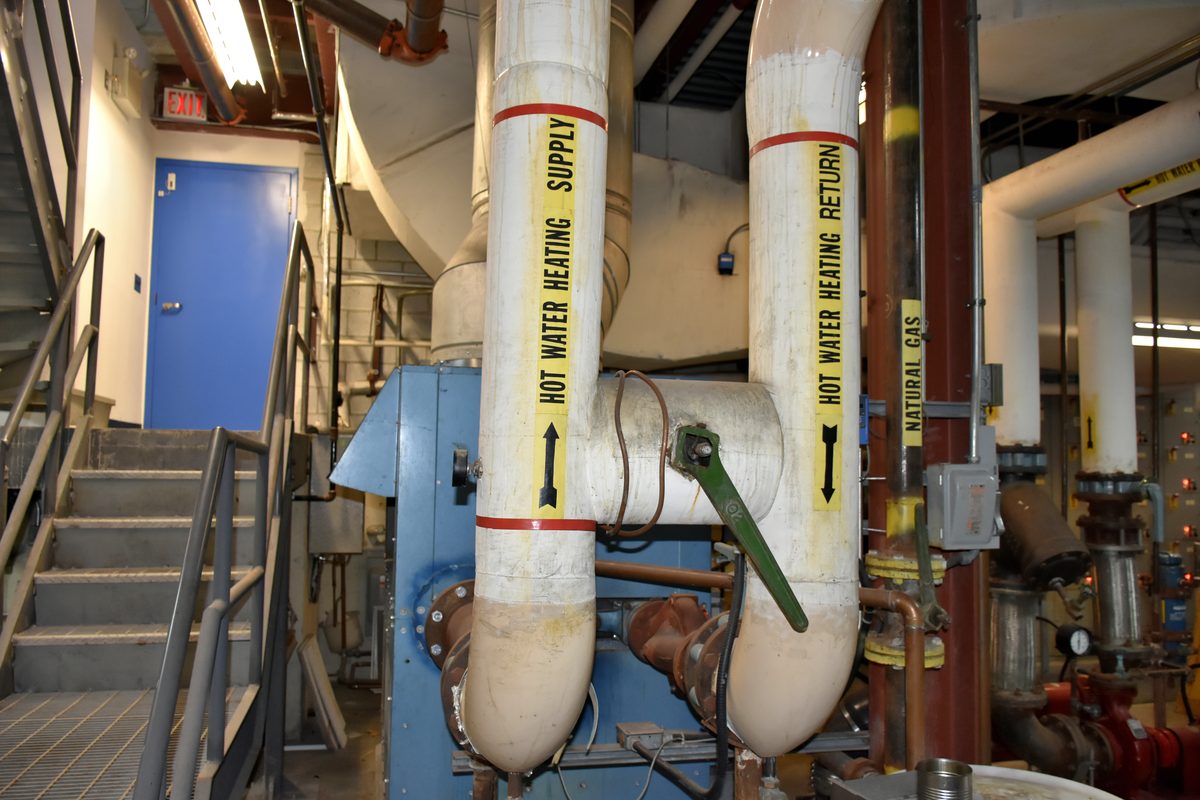
Have you ever walked into a room with warm floors or a hot radiator and wondered where the heat comes from? A hydronic heater warms your home with hot water, not hot air. Water carries heat from a boiler or water heater through pipes to radiators, baseboards, or tubes under the floor, and those surfaces warm the rooms. It is a quiet, steady kind of heat, and it works very differently from a furnace.
Hydronic heating has been around for a long time, and it is still common in older homes in cold regions, in apartment buildings, and in new homes with radiant floors. If you are buying a home with one, replacing one, or just curious about the radiators on your walls, here is how the whole system works.
What Hydronic Heat Means
Hydronic simply means the system uses water to move heat. A boiler heats water, a pump circulates that water through pipes, and heat emitters in each room release the warmth into the air. The water then flows back to the boiler to be heated again, and the loop repeats.
Water is a good carrier for heat. It holds far more heat than the same volume of air, so a small pipe can deliver a lot of warmth. That is why hydronic systems can heat a large home through pipes that fit inside a wall, while a forced-air system needs wide ducts to move the same amount of heat.
The heat itself can come from a gas boiler, an oil boiler, an electric boiler, or a heat pump water heater. The boiler is the heat source, and everything else in the system is about moving that heat to the rooms that need it.
The Boiler Heats the Water
Everything starts at the boiler. A gas or oil boiler burns fuel in a combustion chamber and passes the hot gases around a water-filled heat exchanger. The water inside absorbs the heat and warms up. An electric boiler uses heating elements instead of a flame, and a heat pump moves heat into the water from outdoor air.
The boiler heats the water to a set temperature chosen for the system. Radiators and baseboards usually need hotter water than radiant floors, which warm a large surface gently and can work with cooler water. A mixing valve can blend hot boiler water with cooler return water to feed floor loops at a lower temperature.
A thermostat in the house watches the room temperature. When a room calls for heat, the boiler fires and the pump starts moving water. When the room reaches its setting, the boiler and pump stop. The boiler also has safety controls: a pressure relief valve, a temperature limit, and a low-water cutoff that shuts the burner down if the water level drops too far.
The Pump Moves the Water
Hot water does not circulate on its own in a modern system. A circulator pump pushes it through the pipes. Older systems sometimes relied on gravity, with hot water rising and cool water falling, but a pump is faster, more even, and works in any layout.
The pump sits near the boiler and pushes hot water out through the supply pipes toward the rooms. Each room or zone has its own loop of pipe, and zone valves open and close to let water into the loops that need heat and keep it out of the ones that do not. That is how one boiler can heat the bedrooms at night while the living room stays cooler.
The pump runs only when heat is called for, and it stops when the thermostat is satisfied. A pump that runs constantly or makes grinding noises may have air trapped in the system or a worn bearing, and both are worth a service call.
How Radiators and Baseboards Give Off Heat
When hot water reaches a radiator, the metal body of the radiator warms up and gives off heat to the room in two ways. Some heat radiates outward from the warm surface, warming nearby objects and people directly. The rest warms the air touching the radiator, and that warm air rises while cooler air flows in to take its place. That slow, natural air movement is called convection, and it spreads warmth through the room without a fan.
Baseboard heaters work the same way on a smaller scale. Hot water flows through a pipe with thin metal fins inside a long, low housing along the wall. Air enters at the bottom, warms as it passes over the fins, and rises out the top. The steady rise of warm air creates a gentle curtain of heat along the outside wall, which is where cold air tends to enter the room.
Each radiator usually has a valve you can turn to control how much hot water flows through it. Closing the valve partly reduces the heat in that room, and closing it fully turns that radiator off. That simple control is one reason hydronic systems are easy to live with: you can warm the rooms you use and cool the ones you do not.
Radiant Floor Heating
In a radiant floor system, the heat emitter is the floor itself. Flexible tubing runs in loops under the floor surface, usually set in concrete, under wood, or clipped beneath a subfloor. Warm water flows through the tubing, and the whole floor becomes a large, gentle radiator.
Because the heat comes from the floor up, the warmest air is at your feet and the coolest is near the ceiling, which feels natural and comfortable. The floor surface only needs to be mildly warm, so the water can run cooler than a radiator system needs. That lower water temperature can pair well with a heat pump or a high-efficiency boiler.
Radiant floors respond slowly. A concrete slab takes time to warm up and time to cool down, so the system suits a steady temperature rather than frequent changes. If you like to set the heat back at night and warm the house quickly in the morning, radiators may suit you better. If you like a steady, even warmth underfoot all winter, radiant floors are hard to beat.
Expansion, Air, and Pressure
Water expands as it heats, so a hydronic system needs room for that growth. An expansion tank gives the water somewhere to go as it warms and shrinks as it cools, keeping the pressure steady. Without it, pressure would spike every time the boiler fired.
Air is the enemy of a hydronic system. Air trapped in a pipe can block water flow and leave a radiator cold at the top, and air in the pump can make it noisy and less effective. Air vents at high points in the system let trapped air escape, and radiators have a small bleed valve you can open to release air from a single unit.
Pressure matters too. A gauge near the boiler shows the system pressure, and a fill valve adds water when it drops too low. If you find yourself adding water often, there may be a leak somewhere, and a technician should find it before it damages a floor or a wall.
Zoning a Hydronic System
One of the strengths of hydronic heat is zoning. Each zone has its own thermostat, its own loop of pipe, and a zone valve or a dedicated pump. The living room can stay warm while the bedrooms stay cool during the day, and the pattern can reverse at night.
Zoning saves energy because you heat only the rooms you use. It also solves the classic problem of a home where one floor is always too warm and the other too cold. Adding a zone to an existing system takes piping work and a new thermostat, but it is a common upgrade in larger homes.
Care and Common Problems
A hydronic system asks for modest care. Have the boiler serviced once a year before heating season. A technician will clean the burner, test the safety controls, check the pressure and the expansion tank, and look for leaks at valves and joints.
If a radiator is cold at the top and warm at the bottom, it likely has trapped air. Open the bleed valve slowly with a small container under it until water comes out in a steady stream, then close it. If a whole zone stays cold, check the thermostat, the zone valve, and the pump before assuming the boiler is at fault.
Watch for leaks at radiator valves, baseboard joints, and the boiler itself. A small drip can stain a floor or rust a fitting over time. Listen for gurgling or banging in the pipes, which often points to trapped air or water moving too fast through the system.
Hydronic heat is simple at heart: heat water, move it through pipes, let it warm the rooms, and bring it back to heat again. No ducts, no blower noise, no drafts from vents. Just warm surfaces and steady, quiet comfort that has heated homes well for generations.