How does a central air system work? If your home has vents in every room, a thermostat on the wall, and a large metal box outside, you probably have one. A central air system cools the whole home through one connected setup, rather than cooling one room at a time. It uses the same refrigerant cycle as other air conditioners, but it adds ductwork, a blower, and a single thermostat to spread cooled air evenly through the house.
The idea is simple to picture. One indoor coil cools the air, one blower moves that air, and a network of ducts carries it to every room. The outdoor unit handles the heat that was removed. The thermostat watches the indoor temperature and tells the system when to run and when to rest. When each part does its job, every room gets a share of cool air.
What Makes a System Central
A central system is defined by how it delivers air. Instead of a separate cooler in each room, a central system has one main cooling unit that serves the whole home through ducts. Warm air is pulled in through return vents, cooled at a central coil, and sent back out through supply vents. The rooms share the same air handler, the same outdoor unit, and the same thermostat setting.
This setup works well for homes that already have ductwork, often because they also have a furnace that uses the same ducts for heat in winter. In summer, the furnace blower or the air handler blower moves cool air through those same ducts. The furnace itself does not run in summer; only its blower and the cooling coil are at work.
The Main Parts of a Central Air System
A central air system has indoor parts, outdoor parts, and the lines and ducts that connect them. Knowing where each part sits helps you find it when you need to change a filter or clear space around the outdoor unit.
The thermostat
The thermostat is the control point you use every day. It reads the air temperature near its location, usually in a hallway or main living area, and compares it with the temperature you set. When the room is warmer than the setting, it calls for cooling. When the room reaches the setting, it tells the system to stop. Most homes have one thermostat for the whole central system, so the temperature it senses guides cooling for the entire house.
Thermostat placement matters. A thermostat in direct sunlight, near a hot lamp, or above a heat source can read warmer than the rest of the house and keep the system running longer than needed. A thermostat near a cold draft can have the opposite effect. If some rooms feel warm while the thermostat area feels fine, placement and duct balance may be part of the story.
The indoor coil and air handler
The indoor part of the system holds the evaporator coil and the blower. In many homes, the evaporator coil sits on top of the furnace or inside an air handler cabinet. Cold refrigerant flows through the coil. The blower pulls warm air from the return ducts across the coil, where the refrigerant absorbs heat from the air. The cooled air then enters the supply ducts.
The air handler also holds the filter, or the filter sits in a return grille or a slot near the unit. The filter catches dust and other particles before they reach the coil and the blower. A clean filter protects the coil, keeps airflow strong, and helps the system cool the home on schedule.
The outdoor unit
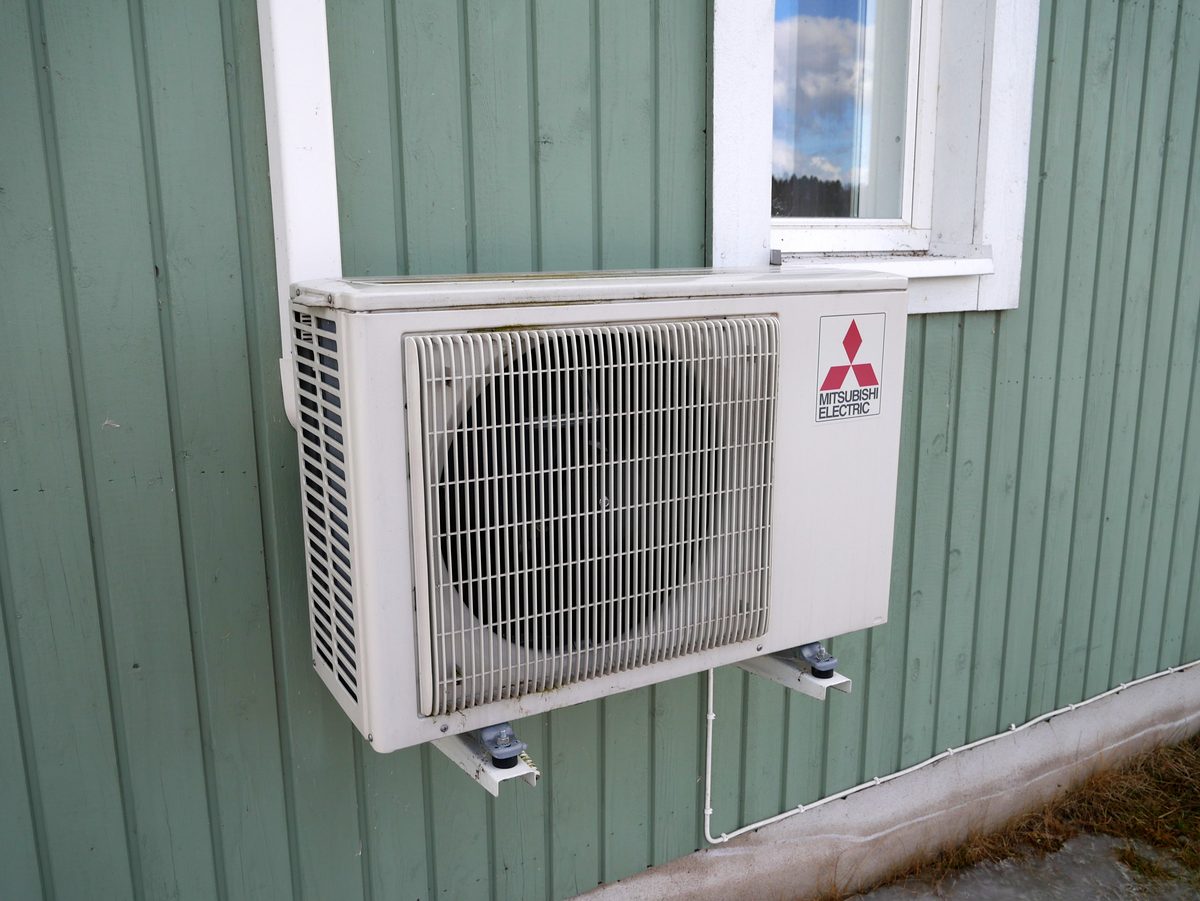
The outdoor unit, often called the condenser unit, holds the compressor, the condenser coil, and a fan. After the refrigerant absorbs heat indoors, it travels outside as a warm gas. The compressor raises its pressure and temperature, the condenser coil releases the heat into the outdoor air, and the fan moves that warm air away from the unit. The refrigerant then returns indoors as a cool liquid, ready to absorb heat again.
The outdoor unit needs clear space to work. Plants, fences, stored items, and debris can block airflow around it. Keep at least a clear zone around the sides and top so the fan can pull air through the coil without strain.
The ductwork
Ductwork is the road system for cooled air. Return ducts carry warm air from rooms back to the indoor unit. Supply ducts carry cooled air from the indoor unit to each room. The ducts run through attics, basements, crawl spaces, or walls, depending on the home. Supply vents, also called registers, are the openings where cooled air enters each room. Return grilles are the larger openings where air leaves the room on its way back to the system.
Ducts only work well when they are sealed and insulated where needed. Leaks in attic or crawl space ducts can lose cooled air before it reaches the rooms, and can pull in hot, dusty air from outside the living space. If one room is always warmer than the rest, a duct problem is one possible cause, along with sun exposure, insulation, and vent position.
How the Refrigerant Cycle Works in a Central System
The cooling cycle inside a central system follows four steps in a loop. Cold liquid refrigerant enters the indoor evaporator coil and absorbs heat from the indoor air, turning into a gas. The compressor in the outdoor unit squeezes that gas, raising its pressure and temperature. The hot gas flows through the outdoor condenser coil, where a fan helps release the heat into the outdoor air and the refrigerant turns back into a liquid. An expansion valve then lowers the pressure of the liquid, making it cold again before it re-enters the indoor coil.
While the refrigerant loops, the blower loops the air. Warm room air is drawn through return vents, passes over the cold indoor coil, and returns through supply vents as cooler air. Moisture in the indoor air also condenses on the cold coil, so the system removes some humidity as it cools. That moisture drains away through a condensate drain line, usually to a drain or to the outside of the home.
A Full Cooling Cycle, Step by Step
Here is what happens from the moment the house warms up. The thermostat senses that the indoor temperature has risen above your setting and sends a call for cooling. The indoor blower starts and begins pulling air through the return ducts. The outdoor compressor and fan start, and refrigerant begins moving through its loop. Cool air flows from the supply vents into each room. The thermostat keeps watching the temperature, and when it reaches your setting, it tells the system to shut off. The blower, compressor, and fan stop until the house warms again.
On a mild day, cycles may be short and spaced apart. On a very hot day, the system may run for long stretches. That is normal when outdoor heat is high and the house is gaining heat quickly through windows, walls, and the roof. A system that runs constantly without ever reaching the setting, however, deserves a check of the filter, the vents, and the outdoor unit before you assume the equipment has failed.
Why Some Rooms Feel Different
Uneven cooling is one of the most common complaints with central air. Rooms upstairs often feel warmer than rooms downstairs because warm air rises and because duct runs to upper floors are longer. Rooms with large west-facing windows gain more afternoon sun. Rooms at the far end of a long duct run may get less air than rooms near the air handler.
You can improve balance with simple steps. Keep supply vents open in rooms you use, and do not block them with furniture, rugs, or curtains. Keep interior doors open where you can, so return air can flow back to the system. Check that the filter is clean, because low airflow hits the farthest rooms first. If the difference stays large after those checks, a technician can check ductwork, airflow at each vent, and whether the blower speed and duct layout suit the home.
Central Air and Humidity
A central system does more than lower the temperature. As indoor air crosses the cold evaporator coil, moisture leaves the air as condensation. This is why a home can feel more comfortable at the same temperature on a dry day than on a humid day, and why a running system can make sticky summer air feel lighter. The coil needs time and steady airflow to remove moisture well, which is one reason very short cycles can leave a home feeling cool but clammy.
If indoor air still feels damp while the system runs, check the filter and the drain line first. A clogged drain can cause water problems, and low airflow can reduce both cooling and moisture removal. A separate dehumidifier or a ventilation change may be needed in homes where humidity stays high, and that is a question to raise with a technician who can see the system and the home.
What You Can Do to Keep It Working Well
Most of the care a central system needs is simple and regular. Change or clean the air filter on schedule, and check it more often during heavy use or if you have pets. Keep the outdoor unit clear of leaves, grass, and stored items. Keep supply and return vents open and unblocked. Watch the condensate drain for signs of water where it should not be. Listen for new noises, and note if cooling becomes uneven or the system starts cycling in a new pattern.
A yearly service visit lets a technician check refrigerant, electrical parts, the blower, the drain, and the coils in a way that a homeowner cannot safely do at home. Between visits, your job is airflow and awareness: clean filters, open vents, a clear outdoor unit, and a thermostat setting that matches how you actually use the home. With those basics in place, a central air system can do its quiet work in the background, moving heat out of your home and sending cool, drier air back to every room.