Are you planning a heating installation in Overland Park and wondering what the job really involves? A new heater is a big investment, and the choices you make before install day will shape how warm and comfortable your home feels for years. Overland Park homes vary from older houses with original ducts to newer homes with open layouts, so the right system is the one that suits your house. This guide takes you through the options, the vetting, the paperwork, and install day itself.
Start by looking at how you live in your home. Which rooms get cold first on a chilly evening? Does your current heater keep up, or does it leave some rooms cold while others overheat? Do you have ductwork, or would a ductless system fit better? How old is the heater you have now? Write down what you find. An installer who plans around your answers will serve you better than one who offers the same system to every house.
Heating Options for an Overland Park Home
A gas furnace is the most common heater in many homes. It warms air and sends it through ducts to each room, and it can heat a house quickly on a cold morning. If your home already has ducts in good shape, a furnace is often a straightforward choice. Ask the installer whether your ducts can carry the air the new furnace needs, and what duct work might be needed.
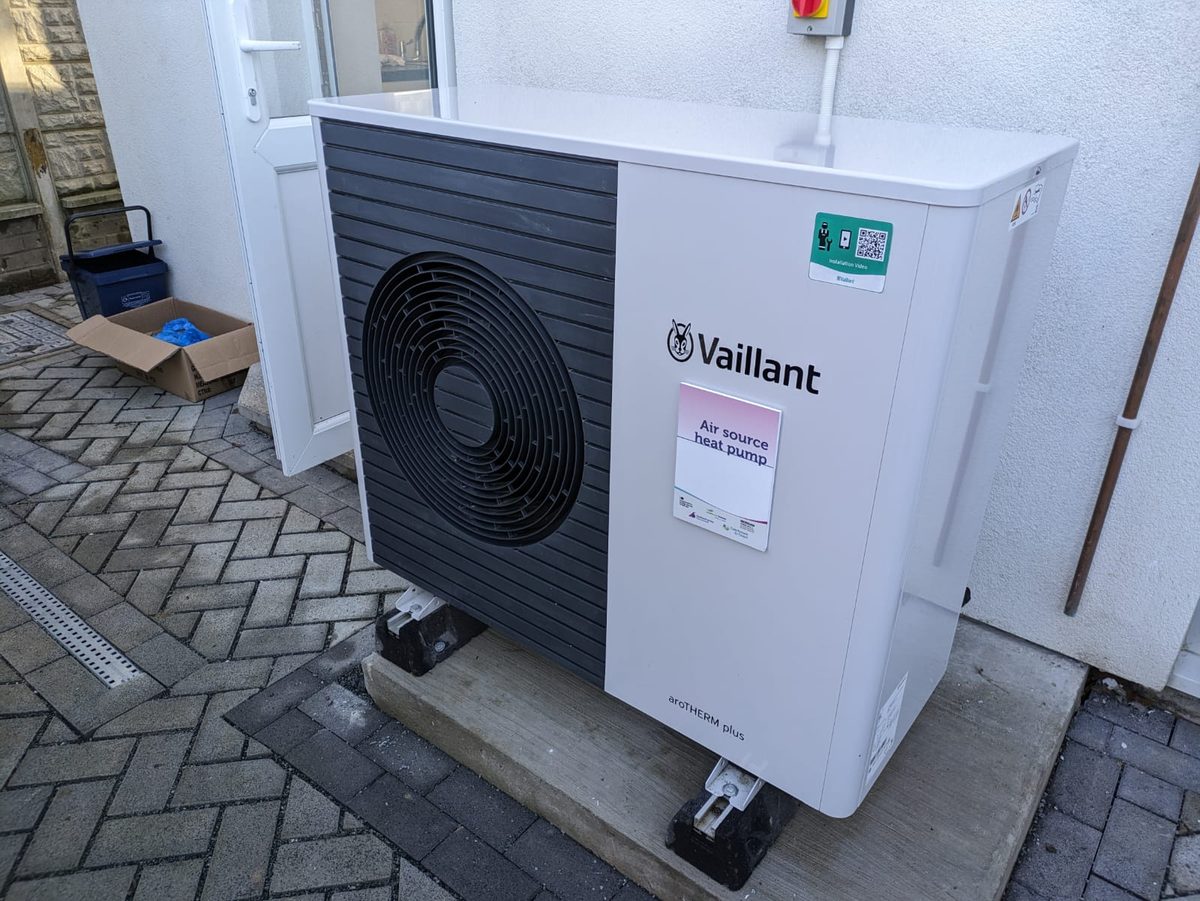
A heat pump works differently: it moves heat into your home instead of making it, and the same unit can cool your home in warm weather. That two-in-one job appeals to many homeowners. Ask the installer how a heat pump would handle your home on the coldest nights, and whether your ducts and insulation suit it.
A ductless mini-split heats one room at a time with no ducts at all. It suits additions, converted spaces, and homes where ducts would be hard to fit. Each indoor unit serves its own area, so you can warm the rooms you use most. Ask the installer to compare a ductless setup with a ducted one for your house, and to explain the trade-offs in plain words.
Whatever type you pick, size matters. A heater that is too small will run without pause and still leave rooms cold. One that is too large will keep switching on and off, which leaves rooms uneven and wears parts out. A good installer measures your home, checks insulation and windows, looks at the ducts, and runs a load calculation before recommending a size. Ask to see how the size was worked out.
Finding an Installer You Can Trust
First, check the paperwork that matters. Ask each company whether it is licensed for heating work in the area, and whether it carries liability insurance and workers coverage. A trustworthy company answers without hesitation and shows proof when asked. Evasive answers are a warning sign.
Find out how long the company has served the Overland Park area, and who will actually do the work: company staff, or workers hired for the day? Ask which homes the company usually takes on, and whether it has handled one like yours. Local knowledge of housing styles and duct layouts helps an installer catch trouble early.
Reviews are most useful when you look for patterns. Several customers mentioning on-time crews, clear explanations, and tidy work tell you more than one glowing review. Ask each company for recent customers you can call. When you reach them, ask if the finished job matched the quote, if the crew tidied up each day, and if the home has stayed warm since install day.
Permits, Paperwork, and Timing
Most heating jobs need a permit from the local building department, with an inspection once the work is finished. Ask who will apply for the permit, who will arrange the inspection, and whether the fees are part of the quote or added later. A company that treats permits as a normal part of the job and can explain the steps is usually easier to trust.
Be cautious if an installer wants the permit in your name, or suggests the job can go ahead without one. The permit and inspection give you an outside check that venting, wiring, and fuel connections meet local codes. Keep the permit and the inspection sign-off with your home records, since a buyer may ask for them one day.
Find out how long the permit step might take, and whether it could push your install date back. In busy seasons, permit and inspection timing can slip. A company that plans around that timing and tells you when things change is easier to work with than one that leaves you guessing.
Quotes and Contracts
Ask three companies for a written quote, and check that each one spells out the same things. A good quote names the heater model and its main features, and lists removal of the old unit, duct changes, wiring and drain work, thermostat work, the permit, and cleanup. It should also put the warranty terms for parts and labor in writing, and note what is left out.
Weigh what is covered before you weigh the price. A cheap quote can hide missing items such as duct sealing, a new thermostat, or the permit, and the final total can grow once they are added. A dearer quote may include work that helps the heater run better for years. Ask each company to talk you through any large gap between its quote and the others.
Check the payment terms as well. A typical pattern is a deposit to order equipment, with the rest paid as work is completed. Be cautious about a company that asks for full payment before any work starts. Read the contract before signing, and ask about anything you do not understand.
The Questions That Matter
- How was the heater sized for my home?
- What duct work was checked or changed?
- How will the crew test the heater before leaving?
- What does the warranty cover, and who do I call for service?
- How often should I change the filter, and where do I buy the right size?
Ask what happens after install day. Will the company come back to check the heater once it has run for a while? Does it offer routine service visits, and what do they include? A company that stays in touch after the sale is often more invested in doing the job right the first time.
The Week Before Install Day
Get the house ready in the days before the crew arrives. Move furniture, boxes, and cars away from the indoor unit, the outdoor unit, the thermostat, and any access panels, so the crew can move equipment in and out without squeezing past obstacles. Pets are best settled in a closed room or with a friend for the day.
Talk through housekeeping with the crew before they start. Ask for drop cloths on the floors, covers on furniture near the work area, and a clear plan for taking away the old unit and its packaging. A crew that looks after your home while it works usually brings the same care to the equipment.
Ask about install day too. How many workers will come? How long should the job take? What time will they arrive? Will your heat be off during the work, and for how long? What should you clear away before they arrive? A company that has done this many times should be able to answer in plain language.
Install Day and the Walkthrough
Be there for the walkthrough at the end of the job. The lead installer should show you the new heater, where the filter lives, how the thermostat is set, and where the shut-off switches are. Ask how to change the filter, how often to check it, and what simple care the heater needs between service visits.
Have the crew switch the heater on while you are in the house, so you can hear it and feel warm air from the vents. Check that rooms warm evenly, that the thermostat answers when you change it, and that you hear no new rattles or whistling. Walk the house together and confirm the work areas are clean and the old equipment is gone.
Living With the New System
Before the crew leaves, flag anything that looks unfinished and get a written promise of when it will be fixed. File the contract, the quote, the equipment manuals, the warranty papers, the permit records, and the receipts together in one folder, so they are easy to find when you need them.
In the first weeks, jot down room temperatures and anything unusual you notice. That record helps the installer work out what is going on if you call for a follow-up. Keep the filter schedule the installer gave you, and set a reminder to check the filter on time.