Are you adding heat to a small space, replacing an old heater in a steam or hot water system, or trying to understand a product name that packs three heating terms into one line? A 24,000 BTU hydronic steam hot water heater is a compact heating unit built for systems that move heat through water or steam. This guide explains what each of those words means, where a heater of this size fits, and what to sort out before installation.
The name sounds technical, but the idea is plain. Hydronic means the heat travels through water. Steam means the system can also work with steam. Hot water heater means the unit heats water for the system. The 24,000 BTU rating tells you how much heat the unit is built to produce. The rest of this guide puts those pieces together so you can talk about the heater with confidence.
What hydronic heat is
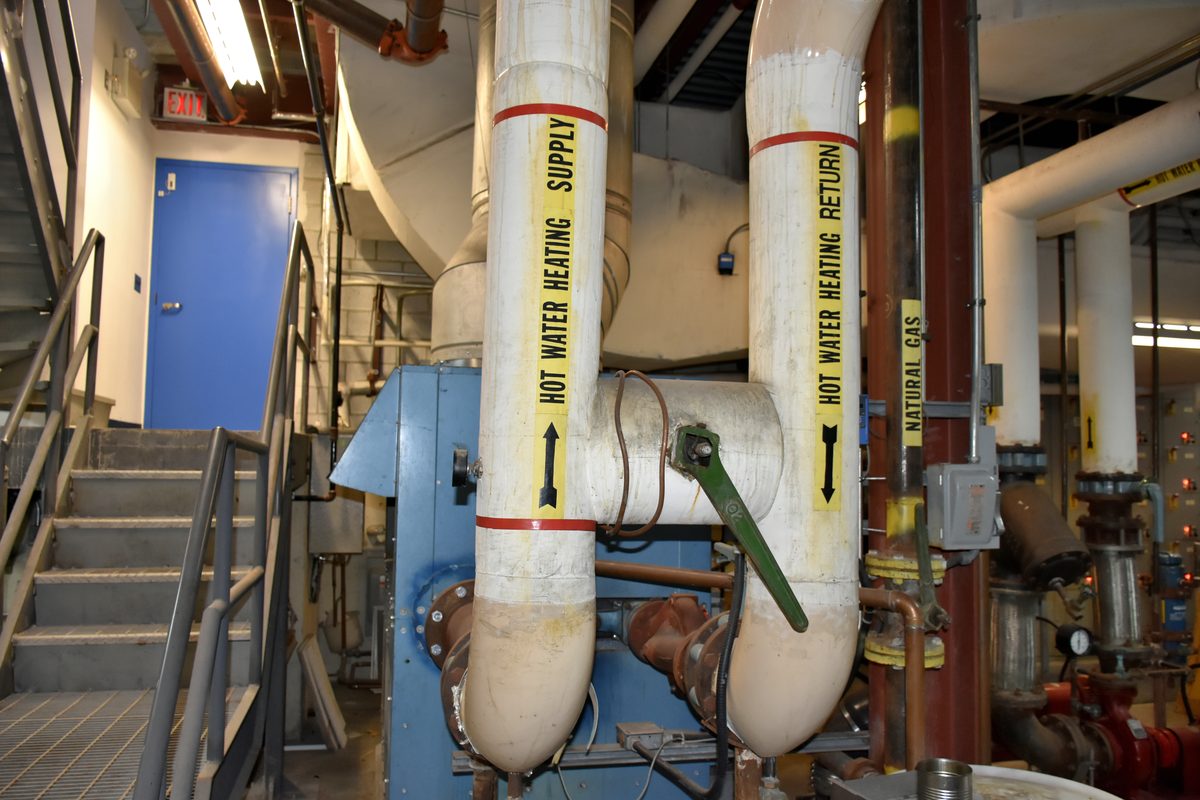
In a hydronic heating system, a heater warms water, and the hot water travels through pipes to radiators, baseboards, or radiant floor tubing in the rooms. The water gives off its heat, cools slightly, and returns to the heater to be warmed again. The loop runs quietly, and the heat feels even because it comes from warm surfaces rather than from blasts of hot air.
Steam is the older cousin of hot water heat. In a steam system, the heater boils water into steam, the steam travels through the pipes to the radiators, and the condensed water flows back to the heater. Steam systems are common in older homes, especially in the Northeast and Midwest, and many of them are still in service after decades.
A heater described for hydronic steam hot water use is aimed at these water-based systems rather than at forced air furnaces. That matters when you shop, because the connections, the controls, and the venting are different from a furnace. If your home has radiators or baseboards, you are in hydronic territory. If it has ducts and registers, you are not.
What 24,000 BTU tells you
BTU stands for British Thermal Unit, and it is the standard measure of heat output for heating equipment in the United States. A rating of 24,000 BTU describes the amount of heat the unit is built to deliver under its rated conditions. It is a capacity number, not a promise about your house. How much heat your rooms actually need depends on the size of the space, the insulation, the windows, and the climate.
A 24,000 BTU heater is on the small side for whole-house heating, and that is the point. It fits a small zone, a single room or addition, a workshop, or a small home with modest heat loss. It can also serve as a zone heater inside a larger system, warming one part of a building while a bigger unit handles the rest. The right use is a small, well-defined heating load.
Oversizing is a common mistake with small heaters. A heater much larger than the load will short cycle, turning on and off in short bursts, which wears parts and heats unevenly. A heater much smaller than the load will run constantly and still leave rooms cold. A heat loss calculation for the space, done by a contractor, is the way to match the heater to the job.
Where a heater this size fits
The most natural home for a 24,000 BTU hydronic unit is a small, contained space. Think of a converted garage, a home addition, a small cabin, a workshop, or a single floor of a small house. In these settings the heater pairs with a few radiators or a short run of baseboard, and the pipe runs are short and simple.
It can also work as a zone heater in a larger building. A home with a cold addition or a finished basement can gain a dedicated zone with its own heater, so the main system does not have to work harder for one room. Zoning like this gives better control, since each zone heats only when its thermostat calls for heat.
It is less suited to heating a whole large house on its own. A large house in a cold climate loses far more heat than a small unit can replace, and the result would be cold rooms and a heater that never rests. If the job is whole-house heat, a contractor should size the equipment from a full heat loss calculation rather than from a single product rating.
How it connects to your home
A hydronic heater connects to the system through supply and return piping. Hot water leaves the heater through the supply pipe, travels to the radiators or tubing, and returns through the return pipe. The pipes need to be sized for the flow the system requires, and the circulator pump needs to match the pipe layout. A contractor will check pipe sizes, pump capacity, and the placement of air vents and valves.
Steam connections are different again, since steam piping needs the right pitch so condensed water can drain back to the heater. If the unit serves a steam system, the piping layout, the near-boiler piping, and the condensate return all need to follow steam practice. This is work for a contractor who knows steam, since steam mistakes show up as banging pipes and uneven radiators.
The heater also needs fuel, venting, and controls. Fuel could be gas, oil, or electricity depending on the unit and the home. Venting carries combustion gases outside safely, and the venting rules depend on the fuel and the heater design. Controls include the thermostat, the aquastat or pressure control, and safety devices that shut the unit down if water or pressure goes out of range. None of these should be improvised.
Installation notes
Installation starts with placement. The heater needs a level, non-combustible surface or mounting, clearances around it for service, and access to fuel, water, venting, and a drain. The location should be dry and reachable in all seasons, since a heater tucked into an unreachable corner will not get serviced. Check the clearances in the installation manual and measure the space before the unit arrives.
Water quality matters more than many homeowners expect. Hard water leaves scale inside a heater, and scale cuts heat transfer and shortens life. If the local water is hard, ask the contractor about treatment or a filter. The system also needs to be filled, purged of air, and pressure tested before the first firing, since trapped air causes noisy radiators and cold spots.
After installation, the contractor should run the system through a full heating cycle and check each radiator or baseboard for even heat. Radiators that stay cold at the bottom or at one end may have air or a flow problem. A short test run on a cold day tells you more than a summer startup ever will, so schedule the check when the heat is actually needed.
Care and upkeep
Hydronic heaters need regular care, and the schedule depends on the fuel and the design. Gas and oil units need annual service, including a check of the burner, the controls, the venting, and the safety devices. The service visit is also the time to check the water level, the pressure, and the condition of the pipes and valves around the unit.
Homeowners can do a few simple checks between visits. Look for leaks around the pipes and the heater, listen for new noises, and check the pressure gauge to see that it sits in its normal range. Bleed radiators that develop cold spots, and keep the area around the heater clear of stored items. Never store paint, solvents, or gasoline near a combustion heater.
Keep a record of service visits, part replacements, and any problems. A heater with a written history is easier to diagnose, and a contractor who can see what was done last year will spend less time guessing. If the unit starts needing frequent repairs, that history helps you decide whether to keep repairing it or plan a replacement.
Questions to ask a contractor
Before you buy, ask the contractor to do a heat loss calculation for the space and to show you how the 24,000 BTU rating lines up with the result. Ask whether the unit will serve hot water, steam, or both in your system, and what piping changes that requires. Ask about fuel and venting, and whether the existing vent and fuel line can be reused.
Ask about the controls as well. Will each room or zone have its own thermostat, and how will the heater know when to fire? Find out what safety devices are included and how they are tested. Ask what the warranty covers and for how long, and what service the installer provides in the first year.
Finally, ask for a written quote that lists the heater, the piping, the venting, the controls, and the labor as separate lines. A clear quote lets you compare installers fairly and avoids surprises halfway through the job. If any part of the quote is unclear, ask before the work starts, not after.