How do you know whether a heater is the right size for your home? The number on the box is only the start of the answer. A 33,000 BTU hydronic steam hot water heater is a compact unit, and whether it fits your house depends on the heat the house loses, the radiators it will feed, and the system it will join. This guide walks through sizing and comparing hydronic heaters, so you can judge the 33,000 BTU rating in context and ask a contractor the right questions.
The guide does not try to size your house for you. Only a heat loss calculation for your own home can do that. What it does is explain the factors that go into that calculation, the differences between heater types, and the installation details that decide whether a heater runs well for years or gives trouble from the first winter.
Sizing starts with the house, not the heater
A heater replaces the heat a building loses through its walls, roof, windows, and floors, plus the heat lost to air leaking in and out. That loss depends on the size of the heated space, the insulation, the windows, the air tightness, and the local climate. Two houses of the same floor area can have very different heat loss, so floor area alone is a poor way to size a heater.
A heat loss calculation adds up those losses room by room. The contractor measures the rooms, notes the insulation and window types, and uses the local design temperature, which is the coldest temperature the system is expected to handle. The result is a heat load in BTU, and the heater is chosen to meet that load with a small margin for cold snaps.
A 33,000 BTU heater suits a modest load. That could be a small home, a single floor, a large addition, or a zone inside a bigger building. If the calculated load is close to the rating, the heater is a reasonable match. If the load is much larger, the heater will run constantly and still leave rooms cold. If the load is much smaller, the heater will short cycle and wear out early.
What 33,000 BTU means in context
BTU, or British Thermal Unit, is the standard measure of heat output in the United States. A rating of 33,000 BTU describes the heat the unit is built to deliver under its rated conditions. It is a capacity figure for comparing units, not a guarantee about any particular house. The same heater will feel ample in a tight, well-insulated space and undersized in a drafty one.
Compare the rating with the load, not with other heaters alone. A larger heater is not a better heater when the load is small, and a smaller heater is not a bargain when the load is large. The goal is a close match, so the heater runs in long, steady cycles that heat the rooms evenly and keep wear down.
Also ask whether the rating is input or output. Input is the fuel energy going in, and output is the heat delivered to the water or steam. The difference is the heat lost up the vent and through the unit itself. A contractor can explain which figure a given rating uses and what it means for the system you have.
Comparing hydronic heaters
Hydronic heaters differ in fuel, in whether they serve hot water or steam, and in how they are controlled. Fuel is often gas, oil, or electricity, and the choice depends on what the home already has and what is available in the area. A gas unit needs a gas line and venting, an oil unit needs a tank and a burner service routine, and an electric unit needs enough electrical capacity.
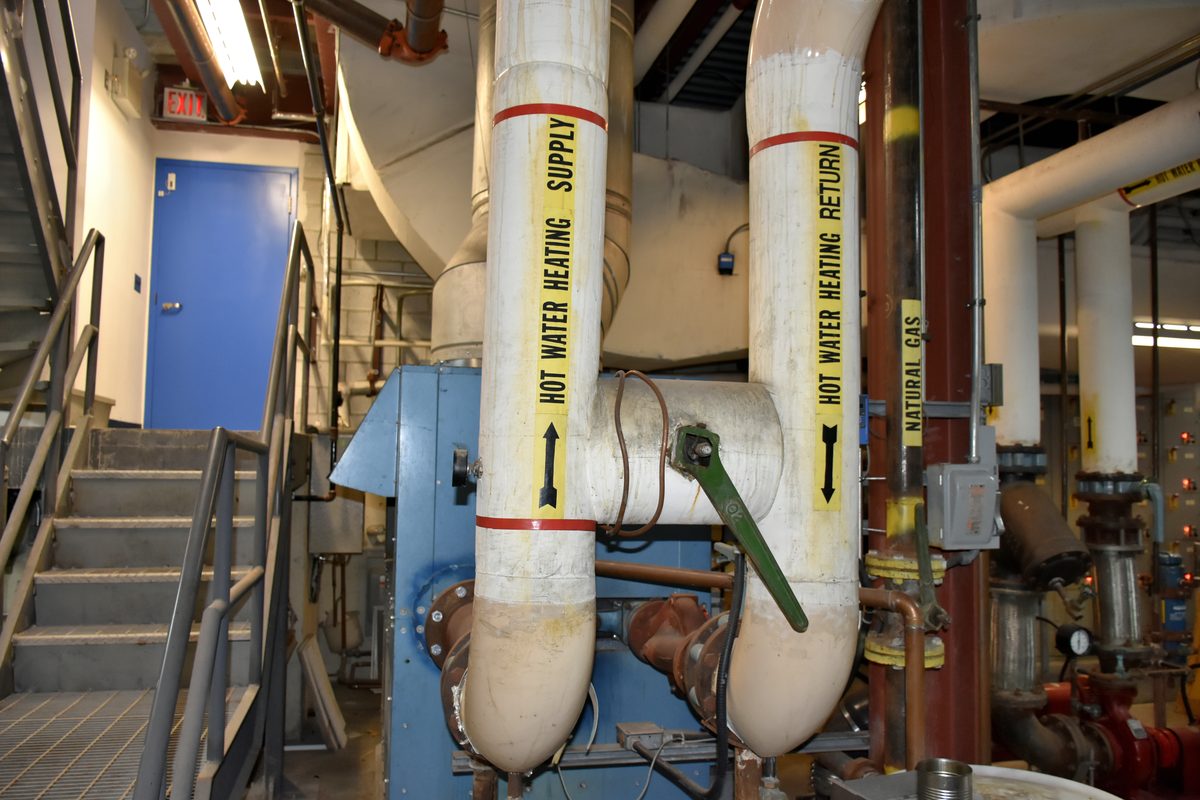
Hot water and steam systems use different piping and controls. Hot water systems circulate water through radiators or baseboards and return it to the heater. Steam systems boil water into steam, send it to the radiators, and return the condensed water. Some heaters are built for one type and some for both, and the piping layout must follow the practice for the type in use. Mixing up the two is a common source of noisy pipes and cold radiators.
Controls matter as much as capacity. A good control setup lets each zone call for heat on its own, keeps the water temperature in range, and shuts the unit down safely if water or pressure goes out of range. Ask what controls come with the unit and what the installer adds. A heater with poor controls will heat unevenly no matter how well it is sized.
Steam, hot water, and combination systems
In a hot water system, the heater warms water and a circulator moves it through the pipes. The water temperature stays below boiling, and the radiators give off steady, even heat. Air in the system causes cold spots, so the piping includes air vents and the system is purged of air when it is filled. Hot water systems are quiet and easy to zone, which is why they are common in newer homes and additions.
In a steam system, the heater boils water and steam rises through the pipes to the radiators. The steam condenses as it gives off heat, and the water flows back to the heater. Steam piping needs the right pitch so the condensed water can drain, and the radiators need air vents that let air out and close when steam arrives. Steam systems are common in older homes and can last for decades with care.
Some buildings have both, or a heater that serves a hot water zone and a steam zone. That kind of setup needs careful design, since the two sides run at different temperatures and pressures. If your building has a mix, bring in a contractor who has worked with both, and do not let a new heater be connected to a mixed system without a clear plan for each side.
What to ask a contractor
Start with the load. Ask the contractor to do a heat loss calculation and to show you how the 33,000 BTU rating compares with the result. Ask what design temperature was used and whether the calculation covers the rooms the heater will serve. If the contractor sizes by floor area alone, or by the size of the old heater, ask for a calculation instead.
Ask about the system the heater will join. Is it hot water or steam, and what piping changes are needed? Will the existing radiators or baseboards work with the new unit, or do some need to be changed? How will the zones be controlled, and will each zone have its own thermostat? The answers tell you whether the installer understands your system.
Ask about venting, fuel, and water. Can the existing vent and fuel line be reused, or do they need to be changed? Is the water hard enough to need treatment? Where will the heater sit, and is there room to service it? A clear answer to each question is worth more than a low quote that skips them.
Installation planning
Good installation starts before the heater arrives. The location needs a level surface, clearances for service, and access to fuel, water, venting, and a drain. The space should be dry and reachable in winter, since a heater that cannot be reached will not be serviced. Measure the space against the clearances in the installation manual before delivery day.
Piping is the heart of the job. Supply and return pipes must be sized for the flow the system needs, and the circulator must match the pipe layout. Steam piping needs the right pitch and the right near-heater layout. Valves, air vents, and drains must be placed where they can be reached. A neat, well-planned pipe layout is easier to service and less likely to develop air problems.
After the pipes are in, the system is filled, purged of air, and pressure tested. Then the contractor fires the heater and checks each radiator or baseboard for even heat. Radiators that stay cold at one end may have air or a flow problem. A test run on a cold day is the real check, so schedule the final check when heat is actually needed.
Care and upkeep
A hydronic heater needs annual service, and the visit should cover the burner, the controls, the venting, and the safety devices. The technician should check the water level, the pressure, and the condition of the pipes and valves. For oil units, the burner needs cleaning and the filter needs changing. For gas units, the burner and the venting need inspection.
Between visits, watch for leaks, new noises, and changes in the pressure gauge. Bleed radiators that develop cold spots, and keep the area around the heater clear. Never store paint, solvents, or fuel near a combustion heater. Keep a written record of service visits and repairs, since a heater with a history is easier to diagnose and cheaper to keep running.
If the heater starts needing frequent repairs, or if the house has changed since the heater was sized, talk to the contractor about whether the heater still matches the load. An addition, new windows, or added insulation all change the heat loss, and a heater that matched the old house may not match the new one.