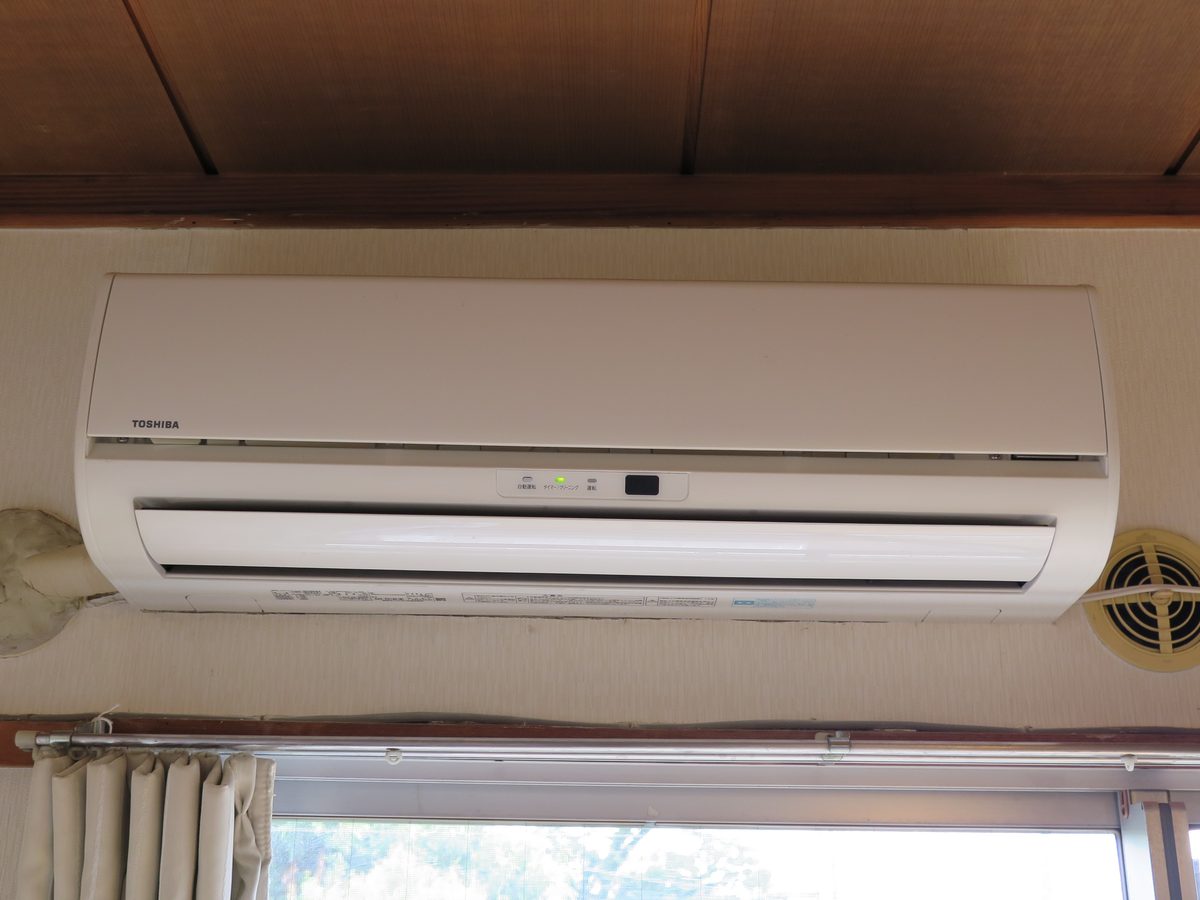
Can one small wall unit really heat and cool a whole room without any ductwork? If you are looking at a 9,000 BTU ductless split system air conditioner and heat pump such as the Gree VIR09HP115V1A, the short answer is yes, for a single room of the right size. This guide explains what this type of unit is, how it works, where it fits, and what to ask a contractor before you buy one.
What a Ductless Split System Heat Pump Is
A ductless split system has two main parts. The indoor unit mounts high on a wall inside the room, and the outdoor unit sits outside the house. A narrow bundle of lines runs between them through a small hole in the wall, carrying refrigerant, power, and a drain line for condensation. There is no ductwork, no large air handler in an attic or basement, and no need to cut big openings in walls. That is the whole idea behind the word ductless. The indoor unit blows conditioned air directly into the room, and the outdoor unit moves heat in or out of the house depending on the season.
The heat pump part matters because it means the system does two jobs. In summer it works like an air conditioner, pulling heat out of the room and sending it outside. In cooler weather it reverses the process, pulling heat from the outdoor air and moving it inside. A heat pump does not create heat the way a furnace or an electric resistance heater does. It moves heat from one place to another, which is why it can warm a room while using less electricity than a plain electric heater of the same size. In very cold weather a heat pump still works, but its heating output drops as the outdoor temperature falls, so the climate where you live shapes how much of the heating season it can cover on its own.
A 9,000 BTU capacity puts this unit in the small-room class. BTU, short for British Thermal Unit, is a measure of how much heat the unit can move in an hour. A 9,000 BTU unit is built for one room, not a whole house. Typical uses include a bedroom, a home office, a small living room, a converted garage room, or a room that was added onto a house after the main heating and cooling system was installed. If you are trying to fix one room that is always too hot or too cold while the rest of the house is fine, a single-zone ductless unit is often the tool contractors reach for first.
How the System Heats and Cools Your Room
Inside the system, refrigerant circulates between the indoor and outdoor units and changes state as it absorbs and releases heat. In cooling mode the refrigerant absorbs heat from the room air as it passes over the indoor coil, then carries that heat outside and releases it through the outdoor coil. A fan in the outdoor unit helps push the heat away. In heating mode a reversing valve changes the direction of flow, so the outdoor coil absorbs heat from the outside air, even when that air feels cold to you, and the indoor coil releases it into the room. The indoor fan spreads the warmed or cooled air across the room, and most indoor units let you aim the airflow with adjustable louvers.
Modern ductless units usually run on inverter-driven compressors. Instead of switching fully on and fully off, an inverter compressor can slow down or speed up to match the room as it approaches the temperature you set. That means fewer hard starts, steadier room temperatures, and quieter operation than older single-speed equipment. You will still hear the indoor fan, and the outdoor unit will still make some sound when it runs, but a well-installed ductless system is generally quiet enough for a bedroom. If quiet matters to you, ask the contractor about the sound level of the indoor unit on its low fan setting and where the outdoor unit will sit relative to bedroom windows.
Most ductless indoor units include a remote control and a built-in thermostat. You set a target temperature and a mode, such as cool, heat, dry, or fan only, and the unit holds the room near that setting. The dry mode runs the system mainly to pull moisture out of the air, which can make a humid room feel more comfortable even when the temperature only drops a little. The fan-only mode circulates air without heating or cooling. Keep the remote somewhere you can find it, and learn how the timer and sleep functions work before the first hot night, because fumbling with settings in the dark is no fun.
Is 9,000 BTU the Right Size for Your Room
Getting the size right matters more than getting a famous brand or a long list of features. A unit that is too small will run constantly and never quite reach the temperature you want on the hottest or coldest days. A unit that is far too large will cool the room so fast that it shuts off before it has time to pull moisture out of the air, leaving the room cool but clammy, and it will cycle on and off more than it should. Contractors often start with a rough rule of thumb that relates cooling capacity to floor area, then adjust for the specifics of the room. That rule of thumb is only a starting point, not a substitute for a proper load calculation.
As a general guide, a 9,000 BTU unit commonly suits a single room of modest size, such as a bedroom or a small living area with ordinary ceiling height and average insulation. Rooms that face west with large windows, rooms under a hot roof, rooms with poor insulation, and rooms that hold several people or heat-producing equipment need more capacity than a room of the same size that is shaded and well insulated. The number of windows, the direction they face, the ceiling height, and the climate in your area all shift the answer. A contractor who visits the room and runs a load calculation can give you a number grounded in your house rather than a guess from a chart.
Think about how you will actually use the room before you settle on size. A bedroom that only needs cooling at night is a different job from a home office with a computer, a monitor, and a person sitting in it all day. A room used mainly in summer needs cooling capacity first, while a room used year-round needs the heat pump to carry a fair share of the heating load too. Tell the contractor how the room is used, when it is occupied, and what temperature you like. Those answers change the sizing advice more than any catalog figure does.
What Installation Usually Involves
Installing a ductless split system is a job for a licensed HVAC contractor, not a weekend project. The work starts with choosing a spot for the indoor unit, usually high on an interior wall where air can spread across the room without blowing straight onto a bed or a desk. The contractor drills a small hole through the wall for the line set, mounts the outdoor unit on a pad or wall brackets, connects the refrigerant lines, pulls a vacuum on the lines to remove air and moisture, and charges the system with refrigerant. Electrical work is part of the job too, and the outdoor unit needs its own circuit. Ask whether the quoted price includes the electrical work, the line set, the wall sleeve, and the condensate drain, so you are not surprised by extras later.
Placement of the outdoor unit deserves a real conversation. It needs clear space around it for airflow, a level base, and a spot where the sound will not bother you or a neighbor. It should sit where the condensate drain will not puddle against the foundation and where leaves and snow will not bury it. In cold climates the outdoor unit should sit high enough that snow does not block it. Some contractors mount the outdoor unit on wall brackets to keep it off the ground. Others set it on a pad or a stand. Either way, it should be level, stable, and easy to reach for service.
The condensate drain is a small detail that causes big headaches when it is done badly. In cooling mode the indoor unit pulls moisture out of the air, and that water has to go somewhere. The drain line should slope steadily downward to an outside outlet or a proper drain, with no sags where water can sit and grow mold. Ask the contractor where the drain will go and how you will know if it clogs. A clogged drain can drip water down the inside wall, so it is worth getting this right the first time.
Keeping the System Running Well
A ductless system needs light, regular care. The indoor unit has washable filters that catch dust before it reaches the coil. Most manufacturers suggest cleaning them every few weeks during heavy use, but your house will tell you the real schedule. A home with pets or dust will need more frequent cleaning than a home without. Dirty filters choke airflow, make the unit work harder, and can lead to ice on the coil. Cleaning them is usually simple: open the front panel, slide the filters out, rinse them, let them dry fully, and slide them back in. Never run the unit with the filters removed.
Once a year, or at least once before each cooling season, have a technician check the system. A yearly visit usually includes cleaning the indoor and outdoor coils, checking refrigerant levels, testing the drain, and looking at the electrical connections. The outdoor coil collects leaves, grass clippings, and dust, so keep the area around the outdoor unit clear and hose the coil gently from the inside out if the technician shows you how. Do not use a pressure washer on the coil fins, because they bend easily. If you notice weak airflow, ice on the lines, a musty smell, or water dripping where it should not, switch the unit off and call for service rather than letting it run.
Questions to Ask Your Contractor
Before you agree to anything, ask the contractor to visit the room and explain the sizing. Ask what size the load calculation calls for and whether a 9,000 BTU unit is the right match or whether the room needs something larger. Ask where the indoor and outdoor units will go and why those spots were chosen. Ask what the quote covers, including electrical work, the line set, the drain, and any wall repair. Ask how the condensate will be handled and where it will drain. Ask about the warranty on the equipment and on the installation work, and who you call if something goes wrong in the first year.
Ask about the controls as well. Some ductless systems can connect to a wall thermostat or a wireless controller, and some offer scheduling through a phone app. Those features are optional, but if you want them, it is cheaper to plan for them during installation than to add them later. Ask how the system behaves in your coldest weather and whether you will need a backup heat source on the coldest nights. Finally, ask for references from recent ductless installations in your area and check them. A good installer will be glad to explain the work, and the answers you get will tell you a lot about who you are hiring.