Can you stay comfortable at home in summer without running your air conditioner harder than you need to? Yes, and the answer is not one trick. It is a set of small habits that reduce the heat your home gains, help the system move air well, and let you set the thermostat with care. These air conditioner energy saving tips are practical, low cost, and easy to start today.
Saving energy with air conditioning is not about suffering through a hot house. It is about removing heat where you can, so the system has less heat to remove. Shade, airflow, and a steady thermostat setting do more than any single gadget, and they work together: less heat coming in means shorter run times, and shorter run times mean less wear on the system.
Set the Thermostat With Care
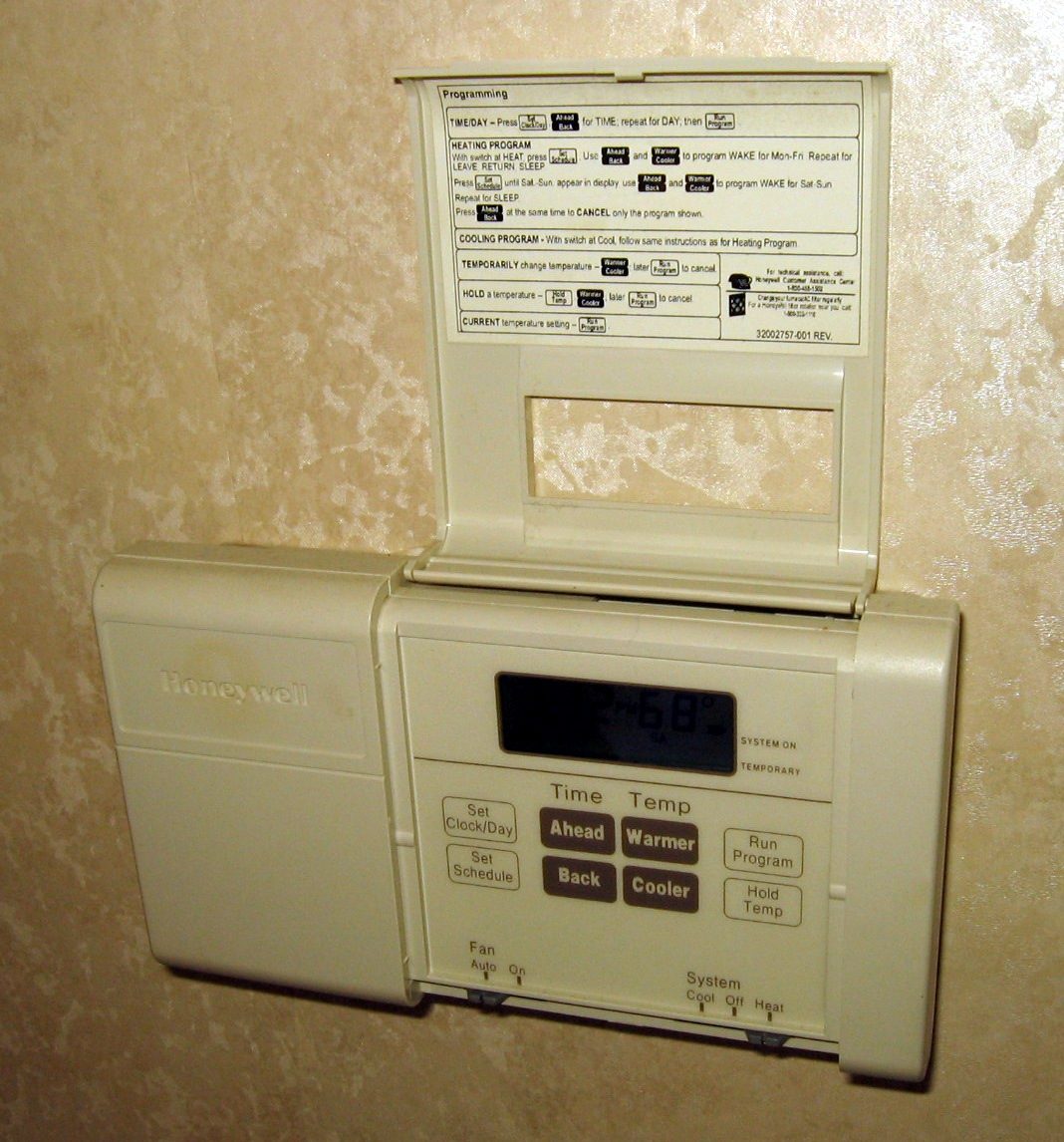
The thermostat is the most direct control you have. Set it to a temperature you can live with, rather than the lowest setting you can imagine. A lower setting does not cool the house faster. It only tells the system to run longer. Find a setting that feels comfortable for the rooms you use most, and give yourself time to adjust to it before you change it again.
When you leave the home for several hours, let the temperature rise a little. There is no need to hold an empty house at the same temperature as a full one. When you return, the system will bring the temperature back down. A programmable thermostat can do this automatically, raising the setting while you are away and lowering it before you return, so you do not have to remember each time.
Avoid turning the system off and on in short bursts. A steady run that brings the house to the setting and then cycles normally is more efficient than a series of starts that never let the system settle. If you are away for a day or more, a higher setting while you are gone is sensible, but turning the system off entirely on a very hot and humid day can let the house gain heat and moisture that take a long time to remove when you return.
Keep Filters Clean and Air Moving
A clean filter is one of the simplest energy saving steps. A clogged filter restricts airflow, so the system runs longer to move the same amount of cooled air. Check the filter monthly during the cooling season and change or clean it on schedule. Check it more often if you have pets or if there is dust in the home from construction or yard work.
Keep supply vents open in rooms you use, and do not block them with furniture, rugs, or curtains. Keep return grilles clear so air can flow back to the indoor unit. When air cannot move freely, the farthest rooms suffer first, and the system runs longer to try to cool them. A clear path for air is a direct saving, because the system does not have to fight its own vents.
Use ceiling fans to help the air feel cooler. A fan does not lower the air temperature, but moving air across your skin makes you feel cooler, which can let you set the thermostat a little higher and still feel comfortable. Turn fans off when you leave a room, because a fan cools people, not empty rooms.
Block Heat Before It Gets In
Sunlight through windows is a major source of heat in summer. Close curtains, blinds, or shades on sunny windows during the hottest part of the day, especially on west-facing windows that catch the afternoon sun. Light colored coverings that reflect sunlight help more than dark coverings that absorb heat and radiate it into the room.
Outside shade helps even more. Trees, awnings, and shade screens that block sun before it reaches the glass keep the heat outside the home. If you plant a tree for shade, place it where it will shade the sunny side of the home without blocking airflow to the outdoor unit. Even a simple awning over a large window can reduce the heat that the system must remove.
Keep doors and windows closed while the system runs. An open window lets hot, humid air in, and the system must remove both the heat and the moisture. If you want fresh air, open windows in the cooler hours of the morning or evening when the system is not running, and close them before the heat of the day.
Reduce Heat From Inside the Home
Heat inside the home comes from more than the weather. Cooking, laundry, and hot water all add heat and moisture that the system must handle. Use the kitchen range hood when you cook, and run the bathroom fan when you shower, so heat and moisture leave the home directly instead of spreading through the rooms. When you can, cook with a microwave, a slow cooker, or an outdoor grill on the hottest days, rather than running the oven for a long time.
Run the dishwasher and the clothes dryer in the cooler hours if you can, and make sure the dryer vents outside. Turn off lights, televisions, and other devices when you are not using them, because they all add a small amount of heat. None of these steps alone will change your cooling load by a large amount, but together they reduce the heat the system must remove every day.
Help the Outdoor Unit Do Its Job
The outdoor unit releases heat from your home into the outdoor air. It can only do that well if air can flow freely across its coil. Keep plants, grass, and stored items away from the unit. Clear leaves and debris from around the base and from the top grille. After mowing, check that grass clippings have not collected on the coil fins. A clear unit transfers heat more easily, so the system does not have to run as long.
Do not shade the outdoor unit with a tight cover or a structure that blocks airflow. Shade on the unit itself does not save much energy if it blocks the air the fan needs to move. What matters is clear airflow, a level pad, and a coil that is not blocked by dirt or debris. Check the area around the unit after storms and yard work, when debris is most likely to collect.
Seal Leaks and Insulate Where It Counts
Air leaks let cooled air out and hot air in. Check for gaps around windows, doors, and where pipes and wires enter the home. Sealing those gaps with caulk or weatherstripping is a low cost step that helps in both summer and winter. Attic access, ductwork in unconditioned spaces, and recessed lights can also leak air, and a technician can help you find the larger leaks if you suspect them.
Insulation slows heat from moving through walls, ceilings, and floors. An attic with thin or uneven insulation lets heat from a hot roof reach the rooms below, and the system must remove that heat all day. Adding insulation is a larger job than changing a filter, but it is one of the most durable ways to reduce cooling load, because it works every day without any action from you.
Use the System Wisely Through the Day
Plan your cooling around the day. Close the home up before the heat builds, and let the system hold a steady temperature through the afternoon. Open windows for ventilation only when the outdoor air is cooler than the indoor air. Use fans to spread cooled air in the rooms you occupy, rather than cooling every room to the same level when you only use a few.
Keep up with maintenance, because a system that is clean and well tuned uses less energy to do the same job. Change the filter, keep the outdoor unit clear, and arrange a yearly service visit before the cooling season. A technician can check the coils, the blower, the drain, and the refrigerant, and can spot a problem that is forcing the system to run longer than it should.
Energy saving with air conditioning is a habit, not a purchase. A steady thermostat, clean filters, open vents, blocked sun, reduced indoor heat, a clear outdoor unit, and a sealed home all work together to lower the load on your system. Start with the steps you can do today, keep the routine through the season, and you will feel the difference in comfort and in how often the system needs to run.