Find A Contractor
Filter nearby cities:
Or search by ZIP code:
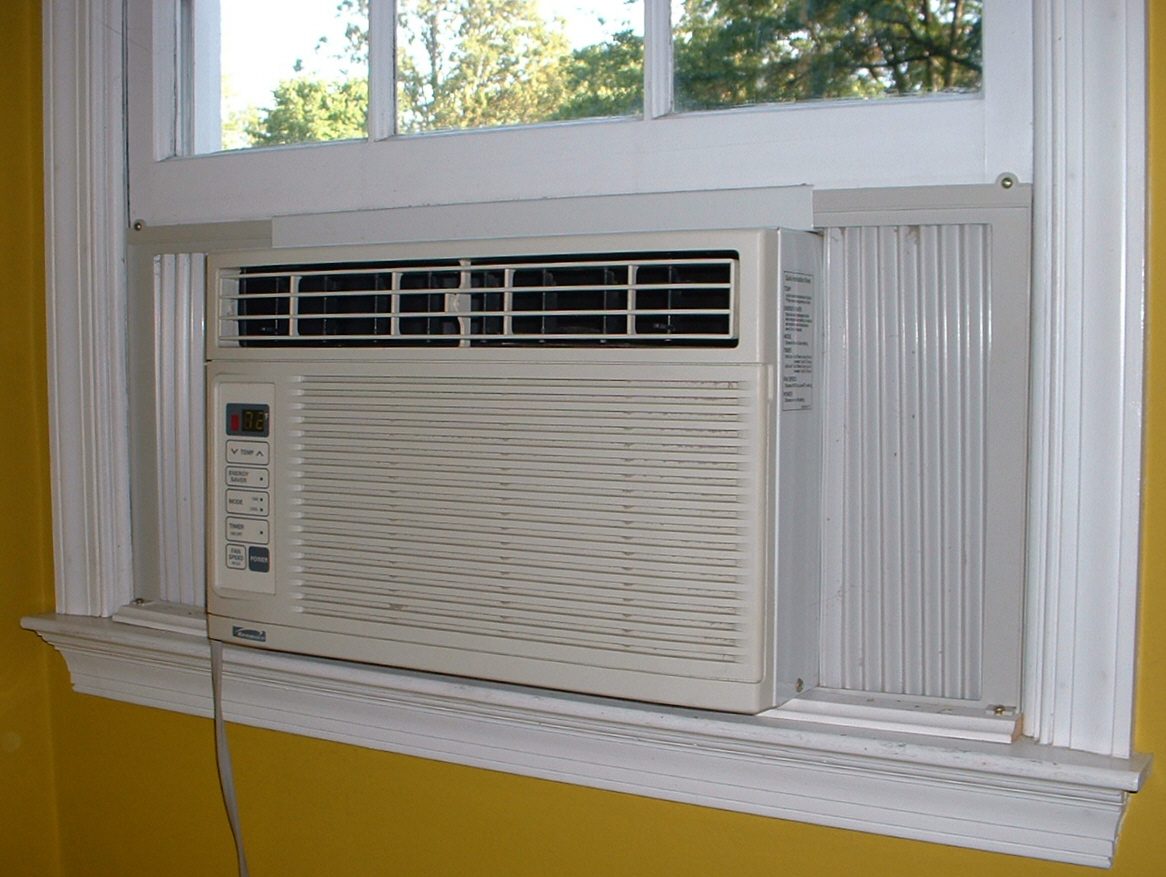
What should you do when the heat stops working on a cold Bendersville night, or the air conditioner quits during a humid Pennsylvania summer? Most homeowners in Bendersville face that question at some point, and the answer is rarely to panic or to pick the first name that comes up. Heating and cooling systems are the hardest-working equipment in a Pennsylvania home. They run through freezing winters and sticky summers, and when they fail, comfort, safety, and sleep all suffer at once. A good HVAC contractor does more than swap out a part. The right one helps you understand what went wrong, what your options cost in plain terms, and what you can do to keep the system running longer.
This page is a practical guide for Bendersville homeowners who need HVAC help. It covers what HVAC contractors in Pennsylvania usually handle, how furnaces, heat pumps, and central air conditioners work in homes like yours, and how to choose someone you can trust. There are no company listings here and no promises about any one business. Instead, you will find questions to ask, warning signs to watch for, and simple maintenance steps that make a real difference over a heating season.
What HVAC Work Covers in a Pennsylvania Home
HVAC stands for heating, ventilation, and air conditioning. In Bendersville, that usually means a furnace for winter heat, a central air conditioner or a heat pump for summer cooling, ductwork that moves air through the house, a thermostat that controls it all, and filters and vents that keep air moving cleanly. Many Pennsylvania homes rely on a gas or oil furnace paired with central air conditioning. Others use a heat pump, which moves heat out of the house in summer and into the house in winter. Some homes have ductless mini-split units that heat and cool individual rooms without ducts.
Contractors handle installation, repair, and routine maintenance across those systems. A repair visit might involve a failed blower motor, a thermostat that no longer reads the room temperature correctly, a refrigerant leak, a cracked igniter, or a clogged drain line. An installation job is bigger: removing old equipment, sizing new equipment for the house, connecting ductwork, wiring, and fuel or electrical lines, and testing the whole system before leaving. Maintenance visits are the quiet middle ground. A technician cleans parts, checks safety controls, changes filters, tests airflow, and looks for small problems before they turn into a breakdown in January or July.
Ventilation matters too, even though it gets less attention. A home that is sealed tight for winter can trap stale air, cooking smells, and moisture. A contractor can check whether vents are blocked, whether bathroom fans move air outside, and whether the system brings in enough fresh air without wasting heat. If rooms feel stuffy, if windows fog up often, or if one room always smells musty, ventilation may be part of the problem.
How Pennsylvania Winters and Summers Stress Your System
Pennsylvania weather asks a lot of heating and cooling equipment. Winters bring long stretches of cold, and a furnace may run for hours each day for months. Summers bring humidity as well as heat, so an air conditioner has to remove moisture from the air, not just lower the temperature. That double job is why a system that seems fine in spring can struggle in August, when humidity stays high day and night.
Age makes the strain worse. A furnace or air conditioner that is fifteen or twenty years old has already survived many Pennsylvania seasons. Parts wear out, efficiency drops, and repairs become more frequent. That does not always mean you need a new system right away. It does mean you should pay closer attention to warning signs: short cycling, where the system turns on and off every few minutes; uneven heat, where one room is warm and another is cold; strange smells when the heat first comes on; or a sudden jump in your energy bill with no change in how you use the system.
Listen for new sounds as well. Banging, rattling, squealing, or grinding are not normal, even in an older system. A new noise often points to a loose part, a worn belt or bearing, or a blower problem. Catching it early can mean a small repair instead of a failed motor on the coldest night of the year. The same goes for water. Puddles near the indoor unit, a drain line that backs up, or damp spots on a ceiling below an attic unit deserve a call, not a wait-and-see approach.
Finding HVAC Help in Bendersville
Start by thinking about what you actually need. Is this an emergency repair, a planned replacement, or routine maintenance? An emergency call is about getting heat or cooling back safely and quickly. A planned replacement gives you time to compare options, get written quotes, and ask about warranties. Maintenance is best scheduled before the season starts, in early fall for heating and late spring for cooling, when contractors have more open appointments.
Ask people you trust for a name, and then check the basics yourself. Look for a contractor who is licensed and insured to work in Pennsylvania, who gives written estimates, and who is willing to explain the work in plain language. A contractor who will not put a price in writing, who pressures you to decide on the spot, or who cannot explain why a repair is needed is giving you a reason to keep looking. You can also ask how long the business has served the area, whether its technicians are trained on the type of system you own, and whether it offers emergency service outside normal hours.
When you call, describe the problem as clearly as you can. Note the type of system you have, its approximate age, the brand if you know it, and what you have noticed: no heat, weak airflow, odd sounds, an error code on the thermostat, or a smell. The more specific you are, the better the contractor can prepare and the less time the visit takes. Keep the model and serial numbers handy if you can find them on the unit. A photo of the label can help too.
Questions Worth Asking Before Any Work Starts
A short list of questions can save you money and trouble. Ask these before you agree to a repair or a replacement, and write down the answers:
- What exactly is wrong, and what caused it? Ask for a plain explanation, not just a part name.
- What are my options? Is repair sensible, or is replacement the better choice for a system this old?
- What will the total cost be, in writing, including parts, labor, and any fees?
- How long will the work take, and will my heat or cooling be off while it is done?
- What warranty covers the parts and the labor, and for how long?
- Do I need a permit for this work, and will you handle it?
- What maintenance should I do after this repair to keep the problem from coming back?
If a contractor recommends replacing the whole system, ask why repair is not enough. A good contractor can explain the reasoning: a cracked heat exchanger, a compressor that has failed on an old unit, or repair costs that approach the value of a new system. Ask about sizing as well. A new furnace or air conditioner should be sized for your home, not just matched to the old unit. A system that is too large will cycle on and off too often and wear out faster. One that is too small will run constantly and still leave rooms uncomfortable.
Comparing Written Quotes the Smart Way
For a replacement or a large repair, get more than one written quote. Two or three quotes give you a real comparison, but only if each quote covers the same work. Check that every quote lists the equipment model, the efficiency rating, the scope of ductwork or wiring changes, removal of old equipment, permit costs, and warranty terms. A quote that is far lower than the others may leave out something important, such as duct sealing, a new thermostat, or disposal of the old unit.
Do not judge a quote by the equipment brand alone. Installation quality matters as much as the unit itself. Ask each contractor how they will size the system, whether they will test airflow after installation, and how they will seal duct connections. Ask what happens if the new system does not heat or cool evenly. A contractor who plans to test the work and come back if something is not right is offering more than a low price.
Read the warranty language carefully. Manufacturer warranties usually cover parts for a set number of years. Labor warranties come from the contractor and are often shorter. Ask who you call if something fails in the first year, and whether routine maintenance is required to keep the warranty valid. Some warranties require annual maintenance by a qualified technician, so ask about that before you sign.
Simple Maintenance That Helps in Bendersville
You do not need to be a technician to help your system last longer. Change or clean the filter on the schedule your system needs, often every one to three months during heavy use. A clogged filter forces the blower to work harder, reduces airflow, and can cause the system to overheat or freeze up. Keep vents and returns open and unblocked by furniture, rugs, or curtains. Vacuum around vents and returns now and then to keep dust out of the system.
Outside, keep the area around the air conditioner clear of leaves, grass clippings, and stored items. Two feet of clear space around the unit helps air move freely. Inside, keep the area around the furnace clear as well, and never store paint, solvents, or flammable items near it. If you have a condensate drain, watch for clogs and standing water, especially in summer.
Schedule a professional check once a year for heating and once a year for cooling if you can. A fall furnace check can catch a safety problem before winter, and a spring air conditioner check can catch a refrigerant or airflow problem before the first hot week. Between visits, pay attention to how the system sounds and how even the temperatures feel from room to room. Small changes are often the earliest warning.
When to Call a Professional Right Away
Some problems should not wait. Call for help promptly if you smell gas, if a carbon monoxide detector goes off, if the furnace makes a loud boom when it starts, or if you see scorch marks or melted wires near the unit. Leave the house if you smell gas and call for emergency help from outside. Do not try to relight a furnace or repair gas lines yourself.
Call promptly as well if the system stops heating or cooling entirely during extreme weather, if water is leaking from the indoor unit, if a breaker trips every time the system starts, or if the system runs but the air coming from the vents is barely warm in winter or barely cool in summer. These are signs of a problem that will usually get worse, not better, if left alone. A quick call can prevent a small repair from becoming a full replacement, and it can keep a cold house from becoming an unsafe one.
Map of Bendersville, Pennsylvania
Related Guides