Find A Contractor
Filter nearby cities:
Or search by ZIP code:
How do you keep a home warm through a Pennsylvania winter when the nearest help may be a drive away? That is a real question for homeowners in Benezett, where houses are spread out, winters are long, and a heating breakdown feels different than it does in a bigger town. You cannot always count on a same-day visit, and you cannot always run to a store for a part at short notice. Planning ahead matters more here. The homeowners who stay comfortable through January are usually the ones who had their system checked in the fall, who know where their filters and shutoffs are, and who have a contractor's number saved before anything goes wrong.
This guide is written for Benezett residents who need heating and cooling help. It explains what HVAC contractors do, how the systems common in rural Pennsylvania homes work, and how to make good decisions when service is not just around the corner. You will not find a list of companies here. You will find practical steps for choosing help, preparing for a visit, comparing quotes, and keeping your system in shape between visits.
Heating and Cooling in a Rural Pennsylvania Home
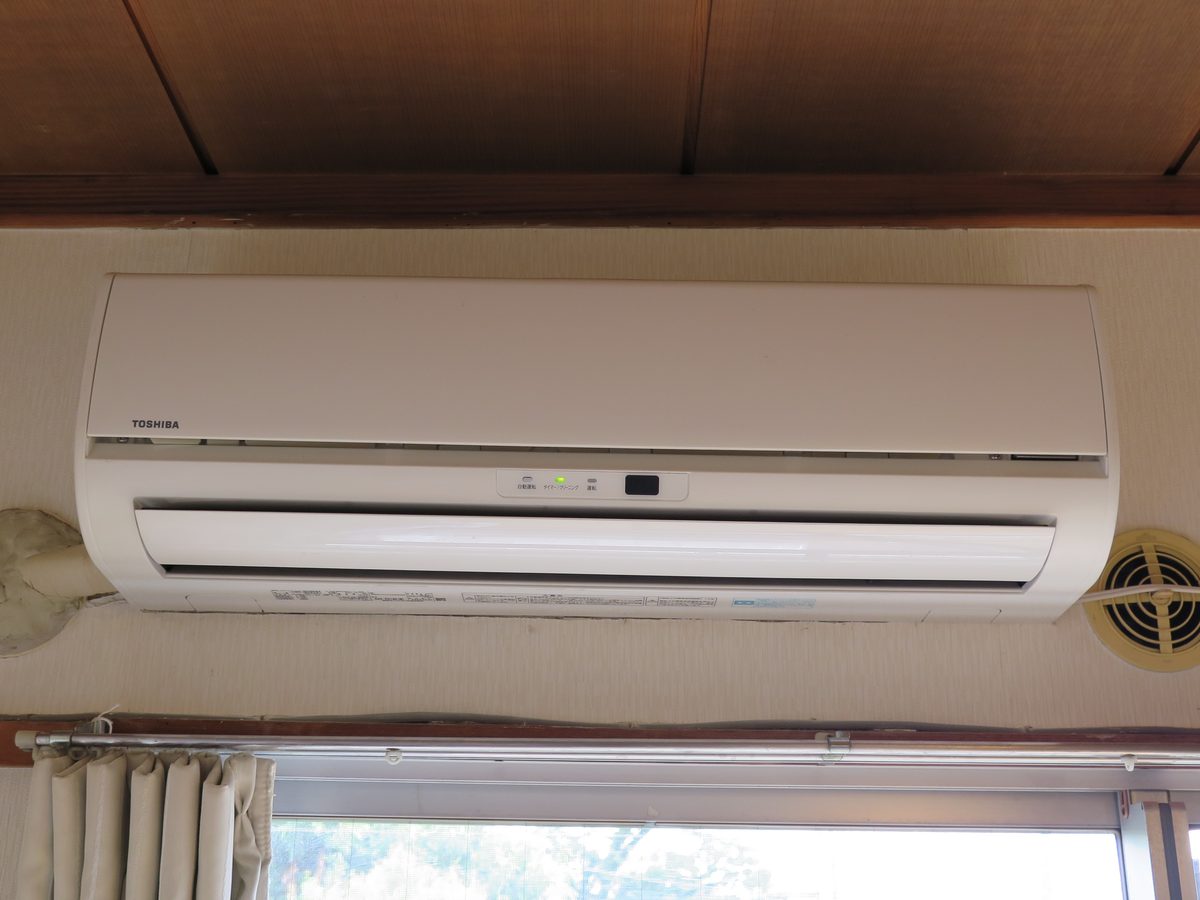
Many homes in rural Pennsylvania use a furnace as the main source of heat, often paired with central air conditioning for summer. Some use a heat pump, which can both heat and cool, and some use ductless mini-split units for rooms that are hard to reach with ducts. Older homes may have radiators, baseboard heat, or a boiler instead of forced-air ductwork. Each setup has its own strengths, and each needs a contractor who understands that type of equipment.
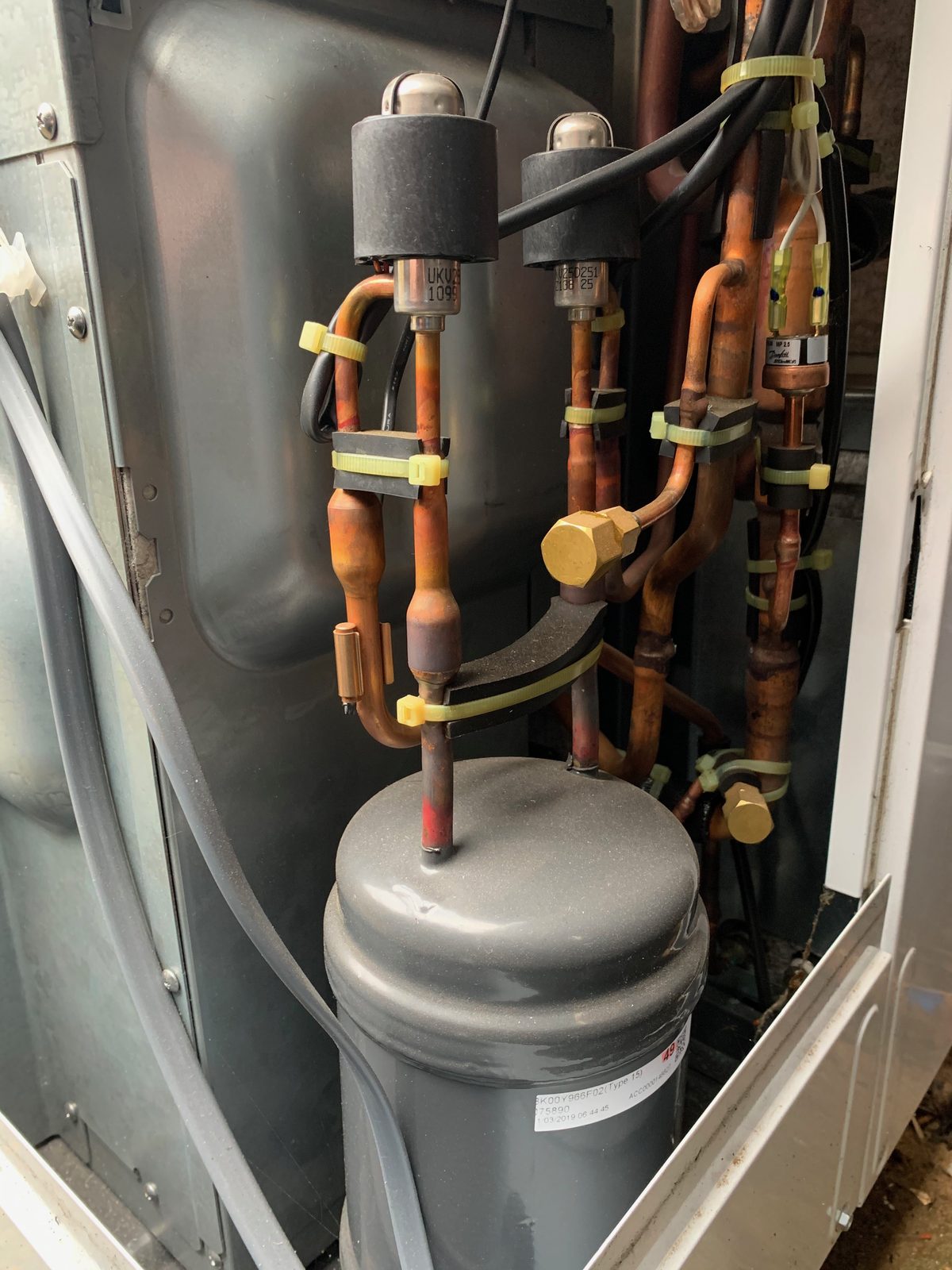
A furnace burns fuel or uses electricity to make heat, then a blower pushes warm air through ducts to each room. A heat pump works differently. It moves heat rather than making it, pulling warmth from outside air in winter and pushing heat out of the house in summer. Heat pumps work well in much of Pennsylvania, but they need to be sized and installed correctly, and they need regular attention to filters and outdoor coils. A central air conditioner uses a compressor and refrigerant to cool air and remove humidity, which matters a lot during a damp Pennsylvania summer.
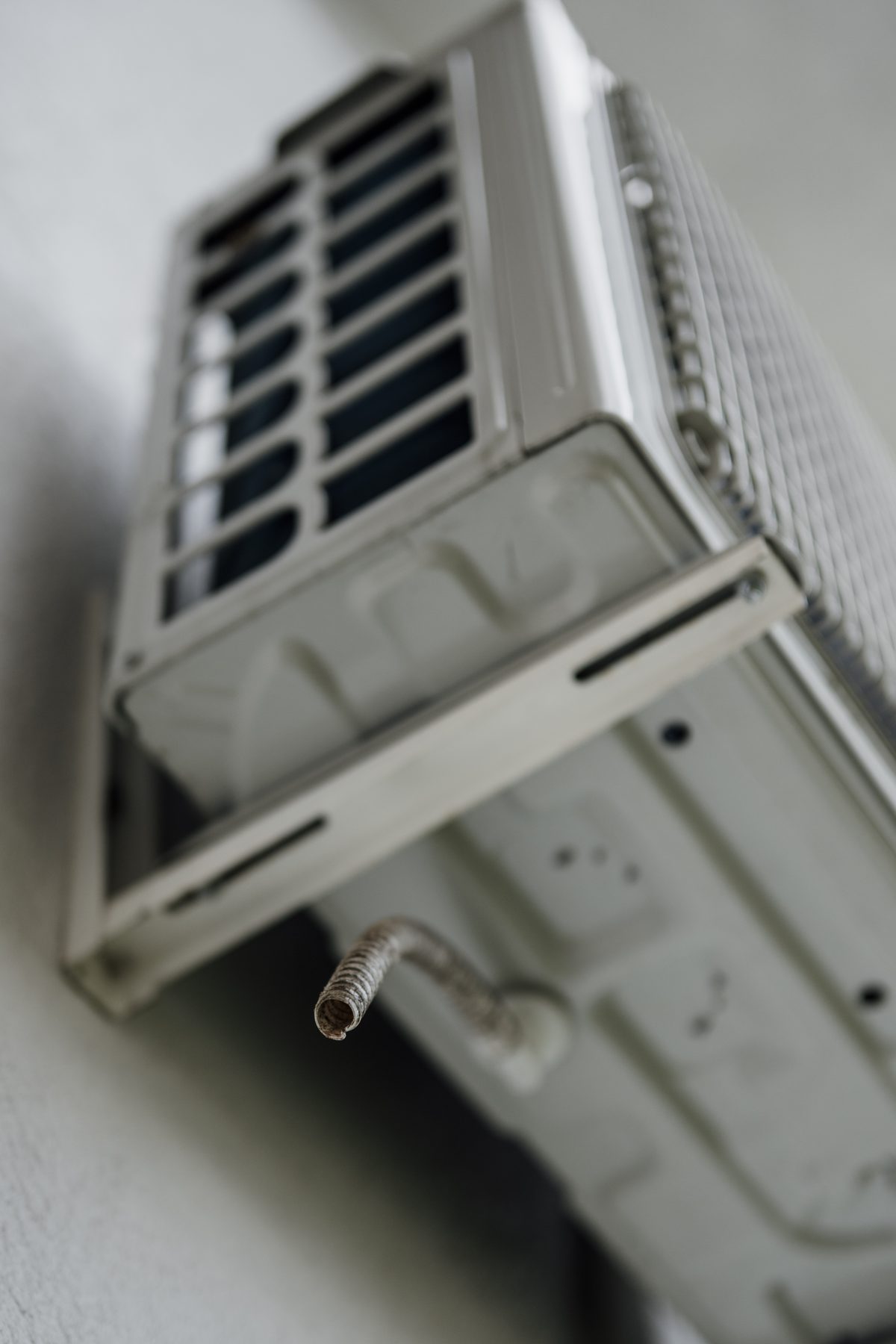
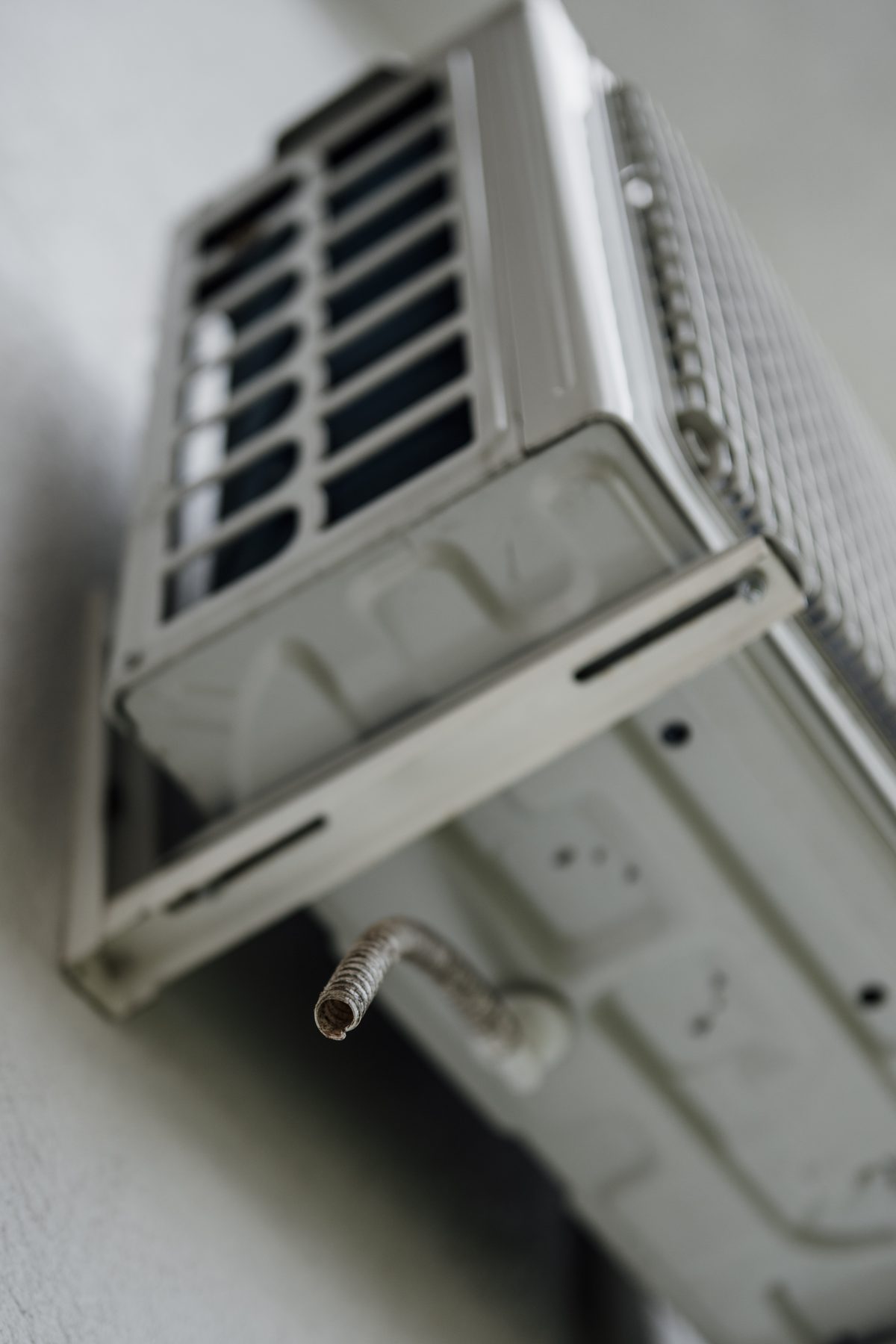
Ductwork ties these systems together in many homes. Leaky or poorly insulated ducts waste energy and leave some rooms cold while others overheat. A contractor can inspect ducts for gaps, crushed sections, and disconnected runs, and can suggest sealing and insulation where it will help most. In a home without ducts, mini-splits offer a useful option, with an outdoor unit connected to one or more indoor units that each control a room or zone.
Why Planning Ahead Matters More in Benezett
Distance changes how you should think about HVAC service. A technician may need extra travel time to reach your home, and a part that is not on the truck may take another trip. That is not a reason to worry. It is a reason to schedule maintenance early, before the heating season starts, and to describe problems clearly when you call so the technician can bring the right parts.
Keep basic information about your system in one place. Write down the type of system, the brand, the model and serial numbers, the age if you know it, and the date of the last service visit. Keep that note near the furnace or in a folder you can reach quickly. When you call for help, those details help the contractor understand what you have and what might be wrong before anyone drives out.
It also helps to know your shutoffs. Learn where the furnace switch is, where the electrical breaker for the system sits, and where the fuel shutoff is if your system uses gas or oil. Label them if they are not already labeled. In an emergency, knowing how to shut the system off safely can prevent damage while you wait for help. Do not attempt repairs on gas lines, electrical wiring, or fuel connections yourself. Leave that work to a trained technician.
Signs Your System Needs Attention
Heating and cooling systems usually give warnings before they fail. A furnace that takes longer to warm the house, an air conditioner that runs all day without cooling well, or a heat pump that switches to backup heat often may all be signs of a developing problem. Uneven temperatures are another clue. If the bedroom is cold while the living room is warm, airflow, ductwork, insulation, or thermostat placement may be involved.
Watch your energy use as well. A bill that climbs sharply without a change in weather or habits can point to a system working harder than it should. A dirty filter, a failing blower, low refrigerant, or a thermostat problem can all raise energy use. Strange smells deserve attention too. A dusty smell when the heat first comes on in fall is common and usually fades. A persistent burning smell, a chemical smell, or the smell of gas is not normal and should be checked promptly.
Sounds tell a story as well. Clicking at startup, rattling from a loose panel, squealing from a worn belt, or grinding from a motor bearing are all worth mentioning to a technician. So is short cycling, where the system turns on and off in short bursts. Short cycling wastes energy, wears parts faster, and often signals a sizing, airflow, or control problem.
Choosing a Contractor When Options Are Spread Out
When you have fewer nearby choices, the quality of each choice matters more. Look for a contractor who serves your area regularly, who answers the phone or returns calls promptly, and who can explain the work in plain language. Ask whether the business is licensed and insured, whether its technicians are trained on your type of system, and whether it offers emergency service. Ask how it handles parts that are not in stock, and how long a repair might take if a part has to be ordered.
A written estimate should be standard, not a favor. Before any large repair or replacement, ask for the total cost in writing, including parts, labor, and any trip or diagnostic fees. Ask what the warranty covers and for how long, and who to call if the repair does not hold. A contractor who is open about costs, timelines, and limits is easier to trust than one who rushes you into a decision.
References from neighbors can be useful, especially in a small community. Ask people nearby who they use and whether the work held up through a winter. Pay attention to how a contractor treats your home during a visit: shoe covers or care with floors, a tidy work area, and a clear explanation of what was done are small signs of a careful business.
What to Ask on the Phone and During the Visit
Good questions help you and the technician. On the phone, describe the symptoms, the system type, and when the problem started. During the visit, ask the technician to show you what failed and to explain the options in plain terms. Useful questions include:
- What failed, and why did it fail?
- Can it be repaired, or does it make more sense to replace the part or the system?
- What will the repair cost, and is there a less expensive option that is still safe?
- How long should this repair last, and what should I watch for afterward?
- Is my system the right size for this house, or is it working too hard?
- What filter should I use, and how often should I change it?
- When should I schedule the next maintenance visit?
If replacement is suggested, ask for the reasoning in detail. A cracked heat exchanger, a failed compressor on an old unit, or repeated breakdowns can justify replacement. A single failed part on a younger system usually does not. Ask about the efficiency rating of any new equipment, about ductwork changes that may be needed, and about whether a permit is required. Ask the contractor to test the system after installation and to walk you through the new thermostat and filter.
Keeping Your System Ready Between Visits
Routine care is simple and makes a difference. Change the filter regularly, following the guidance for your system and filter type. Keep supply vents and return grilles open and clear of furniture and clutter. Keep the outdoor unit free of leaves, tall grass, and stored items so air can move around it. Keep the area around the furnace clear and dry.
In fall, test the heat before the first cold snap. Turn the thermostat to heat, set it a few degrees above the room temperature, and listen for the system to start and warm the house. In spring, test the cooling the same way before hot weather arrives. Testing early gives you time to schedule a repair without an emergency.
Seal obvious air leaks around windows and doors where you can, and make sure attic insulation has not shifted or thinned in places. You do not need to fix everything at once. Small steps, done steadily, help the system run less and last longer. If you notice a new problem, write down when it started and what you observed. That note helps the next technician diagnose the issue faster.
When a Problem Cannot Wait
Some situations need help right away. If you smell gas, leave the house and call for emergency help from outside. If a carbon monoxide alarm sounds, get fresh air and call for help. If the furnace makes a loud boom, if you see smoke or scorch marks, or if water is pouring from the indoor unit, shut the system off if you can do so safely and call a contractor.
A complete loss of heat during a hard freeze is also urgent, especially if pipes could freeze or if someone in the home is older, very young, or has a health condition. While you wait, keep interior doors open to let warm air reach pipes, let faucets drip slightly if a contractor or plumber advises it, and avoid using ovens or portable heaters in unsafe ways. A prompt call, clear information about your system, and a plan for the wait make a difficult night much safer.
Map of Benezett, Pennsylvania
Related Guides