Find A Contractor
Filter nearby cities:
Or search by ZIP code:
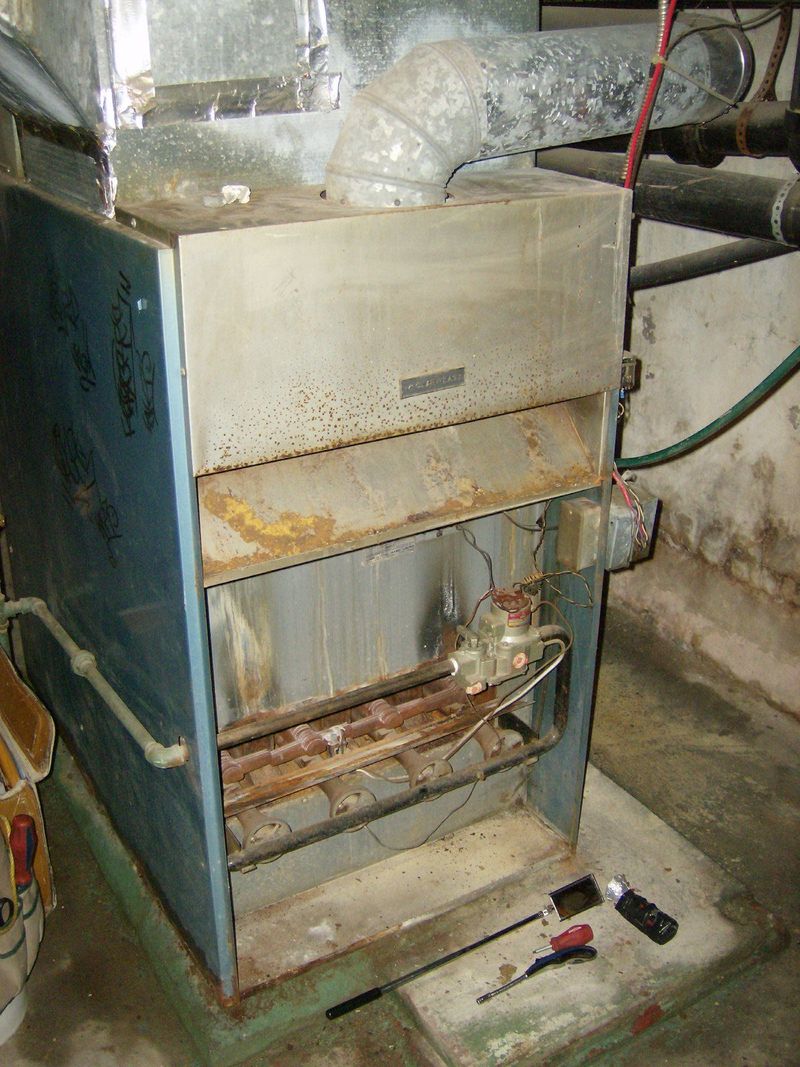
You have three quotes for a new heating system in Benner, and they look nothing alike. One is short and cheap, one is long and detailed, and one sits in the middle with a brand name you recognize. Which one should you trust? That confusion is normal. HVAC quotes are hard to compare because the work behind them is hard to see. Ductwork, sizing, wiring, permits, and testing rarely appear in a headline price, yet they decide whether the new system actually works well for years.
This guide focuses on the money side of HVAC work in Benner: how to read a quote, how to compare contractors fairly, and how to avoid paying twice for the same job. It also covers the basics of Pennsylvania heating and cooling, so you can follow what a contractor is proposing and ask the right questions. There is no list of companies here and no price quoted for any job. Every home is different, and a fair price depends on the house, the system, and the scope of work.
Why HVAC Quotes Vary So Much
Two contractors can propose very different prices for what sounds like the same job, and both can be honest. One may include duct sealing, a new thermostat, removal of the old unit, permit fees, and a longer labor warranty. Another may quote only the equipment and basic installation, leaving the rest as extra charges later. The equipment itself can also differ. Efficiency ratings, size, features, and warranty length all affect cost, and a model number that looks similar may not be the same unit.
Installation quality is the largest hidden difference. A careful installation includes proper sizing, sealed duct connections, correct refrigerant charge, tested airflow, and a full check of safety controls. A rushed installation may skip those steps and still look fine on the first day. Problems often show up months later, as uneven temperatures, higher energy use, or early part failures. That is why the cheapest quote is not always the least expensive choice over the life of the system.
Timing can affect price as well. Emergency work, after-hours calls, and peak-season replacements often cost more than planned work scheduled in a slower season. If your system still works but is aging, planning a replacement in spring or fall can give you more time to compare quotes and more flexibility in scheduling.
What a Good Written Quote Should Include
Ask for every quote in writing, with the same scope of work so you can compare them side by side. A clear quote should list the equipment brand and model, the size and efficiency rating, the work to be done, the materials included, the labor cost, permit fees, removal and disposal of old equipment, and the warranty terms. It should state how long the quote is valid and what the payment schedule is.
If a quote is vague, ask for detail before you decide. Questions that help include:
- What exact equipment model are you proposing, and what is its efficiency rating?
- How did you size this system for my house?
- What ductwork, wiring, or fuel line changes are included?
- Is removal of the old system included, and is there a disposal fee?
- Are permit costs included, and will you handle the permit and inspection?
- What thermostat is included, and will you show me how to use it?
- What does the labor warranty cover, and for how long?
- What is not included that I might need to pay for later?
Keep all quotes together in one folder, along with any notes from your conversations. When a contractor says something important on the phone, write it down with the date. A written record protects you if there is a misunderstanding later, and it helps you remember which contractor promised what.
Comparing Contractors, Not Just Prices
Price matters, but it is only one part of the decision. Look at how each contractor communicates. Did they arrive on time for the estimate? Did they inspect the house, the ducts, and the current system, or did they quote from the driveway? Did they explain the options in plain language, or did they pressure you to sign? A contractor who takes time to measure, inspect, and explain is more likely to install the system carefully.
Check the basics as well. Ask whether the business is licensed and insured in Pennsylvania, whether its technicians are trained on the equipment it installs, and whether it will handle permits. Ask what happens after installation if the system does not heat or cool evenly. Will the contractor return to check airflow and adjust the system? Will there be a charge for that visit? The answers tell you a lot about how the business treats customers after the sale.
Ask about the warranty in detail. The manufacturer usually warranties parts for a set period. The contractor warranties labor, often for a shorter period. Ask who you call if a part fails, whether annual maintenance is required to keep the warranty valid, and whether the warranty covers both parts and labor for the first year. Get those terms in writing.
Repair or Replace: A Practical Way to Decide
When a system breaks, the first question is whether repair is sensible. A young system with a single failed part is usually worth repairing. An old system that has needed several repairs in recent years may not be. A contractor should help you weigh the age of the system, the cost of the repair, the cost of a replacement, and the efficiency of a new unit. Ask for those numbers in writing so you can think them over without pressure.
Consider comfort as well as cost. If some rooms have always been too hot or too cold, a replacement is a chance to fix sizing or duct problems that a simple repair will not solve. Ask whether the new system will address those issues, and how. If a contractor proposes the same size unit without measuring or inspecting the ducts, ask why. A proper sizing looks at the house, not just the old equipment label.
Do not let urgency push you into a decision you have not had time to consider, unless safety is at stake. A failed furnace in January is urgent, and you may need a temporary repair to restore heat. A planned replacement can wait a few days while you compare quotes. A good contractor will understand the difference and will not use a cold night to force a same-day sale.
Pennsylvania Systems: Furnaces, Heat Pumps, and Central Air
Most Benner homes use one of three setups. A furnace paired with central air conditioning is the most common. The furnace provides winter heat, the air conditioner provides summer cooling, and both share ducts and a blower. A heat pump can provide both heating and cooling from one outdoor unit, moving heat in and out of the house as the season changes. Ductless mini-splits provide heating and cooling to individual rooms without ducts, which can suit additions or homes without ductwork.
Each type needs regular care. Furnaces need filter changes, burner and safety checks, and a look at the heat exchanger and flue. Air conditioners need coil cleaning, drain checks, and refrigerant and airflow checks. Heat pumps need filter care, outdoor coil cleaning, and checks on defrost and backup heat. A contractor who maintains your type of system regularly will catch small problems early, before they become a breakdown.
Thermostats matter more than many homeowners expect. A thermostat in a hallway that gets sun in the afternoon, or near a drafty door, may read a temperature that does not match the rest of the house. A modern programmable or smart thermostat can help, but only if it is installed correctly and set up for your schedule. Ask the contractor to show you how to use the new thermostat and to explain the settings that affect comfort and energy use.
Red Flags to Watch For
Some warning signs should make you pause. Be cautious if a contractor refuses to give a written estimate, demands full payment before work starts, will not show proof of license or insurance, or cannot explain why a repair or replacement is needed. Be cautious if a contractor finds a major problem without inspecting the system, or if the price drops sharply when you hesitate. High-pressure sales, vague warranties, and cash-only deals are all reasons to get a second opinion.
Also be careful about claims that sound too good. No contractor can promise that a new system will solve every comfort problem in a house without looking at ducts, insulation, and layout. No one can guarantee an exact energy saving without knowing how you use the system. A careful contractor will talk about likely results and limits, not certainties.
If you feel unsure, take time. Get another quote, ask a neighbor who they used, or call the contractor back with follow-up questions. A reputable business will welcome questions and will not punish you for taking time to decide.
After the Work Is Done
When the work is finished, ask the contractor to walk you through it. Learn where the filter goes and how often to change it, how to use the thermostat, where the shutoffs are, and what to do if the system stops working. Ask for a written summary of the work, the equipment model and serial numbers, and the warranty paperwork. Keep those documents with your house records.
Test the system in the days after installation. Check that every room heats or cools evenly, that the system does not make new noises, and that the thermostat responds as expected. If something feels wrong, call the contractor promptly. Early adjustments are part of a good installation, and a contractor who stands behind the work will return to check it.
Finally, plan for maintenance. A yearly heating check in the fall and a yearly cooling check in the spring help the system last longer and run more efficiently. Between visits, change filters on schedule, keep vents clear, and keep the outdoor unit free of debris. Those simple habits protect the investment you just made.
Map of Benner, Pennsylvania
Related Guides