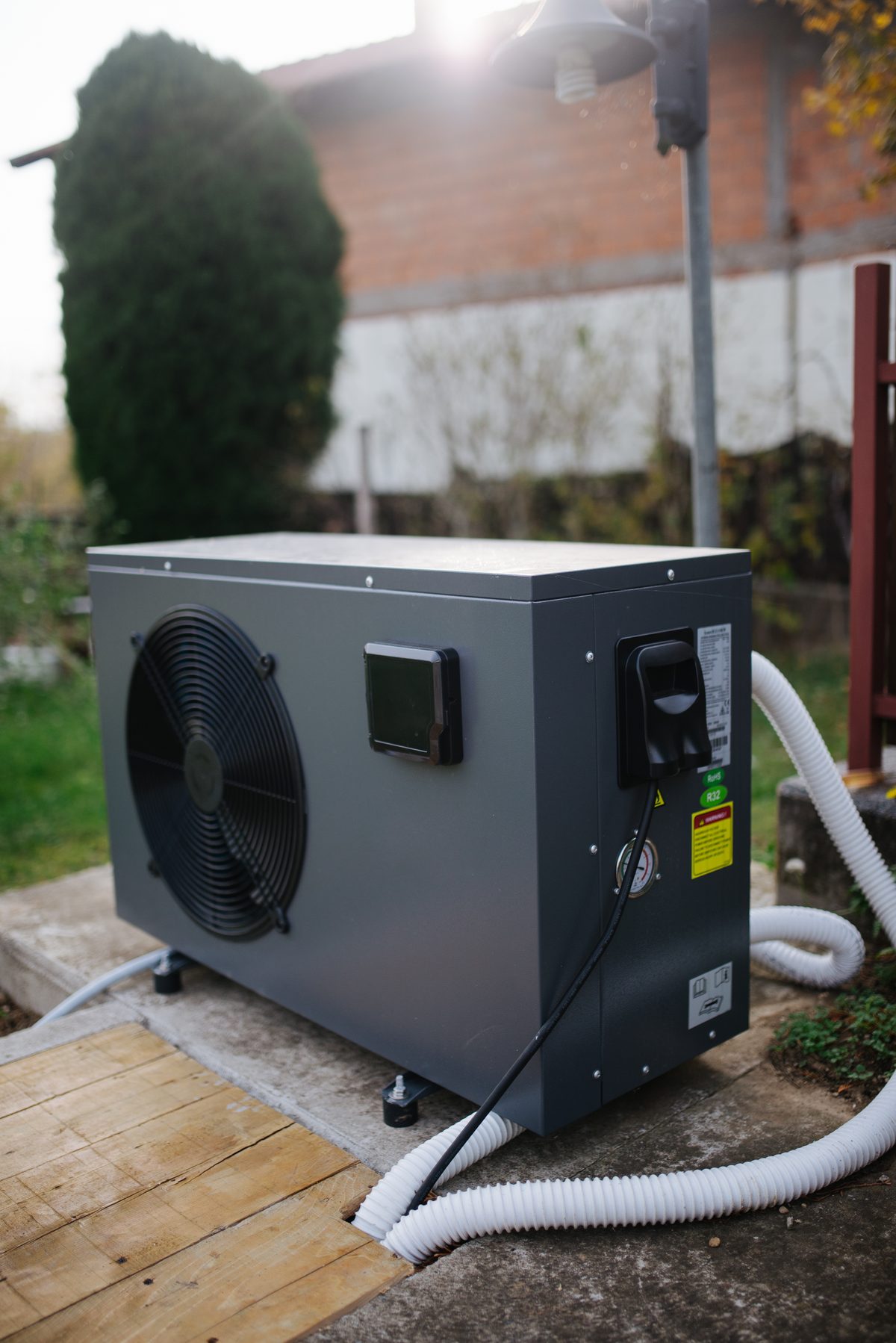
What if your heating system could choose the best fuel for the weather outside? That is the idea behind a hybrid heat pump. It pairs an electric heat pump with a gas furnace in one system, and a smart control decides which one heats your home at any given moment. On a mild day, the heat pump does the work. On a bitterly cold night, the furnace takes over. You get steady comfort in every season without paying for the less efficient option when you do not need it.
Hybrid systems are also called dual fuel systems, and they are becoming a popular choice in climates with real winters. If you already have gas service and you are thinking about a heat pump, a hybrid setup may give you the best of both. Here is how it works, when it switches, and what to know before you buy one.
What a Hybrid Heat Pump Is
A hybrid heat pump system has two heat sources working as a team. The first is an electric heat pump, which moves heat from outdoor air into your home. The second is a gas furnace, which burns gas to make heat directly. Both share the same ductwork and the same blower, and one thermostat controls the pair.
In summer, the system is simply an air conditioner. The heat pump runs in cooling mode, moving heat out of your home and into the outdoor air, just like a standard air conditioner. The furnace sits idle except for its blower, which moves the cooled air through your ducts.
In winter, the control system picks the heat source. It watches the outdoor temperature and, in some setups, the relative cost of gas and electricity, then runs whichever source heats your home more efficiently at that moment. The switch is automatic. You set the temperature and the system handles the rest.
How the Heat Pump Side Works
The heat pump side works like any air-source heat pump. In heating mode, refrigerant in the outdoor unit absorbs heat from outdoor air, even when that air feels cold to you. The refrigerant carries the heat inside, a compressor raises its temperature, and the indoor coil releases the warmth into the air flowing through your ducts.
A heat pump is efficient in mild weather because it moves heat instead of making it. It can deliver far more heat energy than the electrical energy it uses, as long as there is enough warmth in the outdoor air to draw from. That is why it is the first choice for the system on a cool autumn day or a mild winter afternoon.
As outdoor temperatures fall, the heat pump has less warmth to draw from, and it has to work harder for every unit of heat. At some point, the gas furnace becomes the better choice. That point is called the balance point, and it is central to how a hybrid system is set up.
How the Furnace Side Works
The gas furnace side works like a standard gas furnace. When the control calls for furnace heat, the inducer fan clears the vent, the igniter lights the burners, and the flames heat the heat exchanger. The blower then pushes household air across the hot exchanger and into the ducts.
A furnace makes heat by burning fuel, so its output does not depend on the outdoor temperature. Whether it is mild or bitterly cold outside, the furnace delivers the same steady warmth. That reliability is why the furnace is the backup in a hybrid system: when the heat pump can no longer keep up efficiently, the furnace steps in and holds the house warm without strain.
In a hybrid setup, the furnace also provides the blower for the heat pump. The two share the indoor cabinet and the duct system, which keeps the install simpler than running two separate systems side by side.
The Switchover: How the System Decides
The switchover is the heart of a hybrid system, and it is handled by the thermostat or a dual fuel control board. The most common setup uses an outdoor temperature sensor. When the outdoor temperature is above a set point, the heat pump heats the home. When it drops below that point, the control switches to the furnace.
That set point is chosen during installation, and it should be based on your home, your climate, and your fuel costs, not on a factory default. A home with good insulation and a modern heat pump can stay on heat pump heat to a lower temperature than a drafty home with an older unit. Your installer should explain the chosen set point and how to adjust it if your bills or your comfort suggest a change.
Some controls can also weigh fuel prices. If gas is cheap and electricity is dear in your area, the system may switch to the furnace sooner. If electricity is cheap, it may stay on the heat pump longer. Ask your installer whether your control supports that kind of decision, and what inputs it needs to make it.
The switch itself is smooth. The control stops one heat source, starts the other, and the blower keeps air moving through the house. You may notice a change in the warmth of the air from the vents, since furnace air runs hotter than heat pump air, but the room temperature should stay steady through the change.
Why Choose a Hybrid System
A hybrid system gives you flexibility that a single-source system cannot. In mild weather you get the efficiency of a heat pump. In extreme cold you get the raw capacity of a gas furnace. You are not locked into one fuel, and you are not stuck with a heat pump that struggles on the coldest nights of the year.
It also gives you a backup. If the heat pump needs service in January, the furnace can heat the home on its own while you wait for parts. If gas service is interrupted, the heat pump can carry the load in mild weather. That redundancy is worth a lot in a cold climate, where a heating failure is more than an inconvenience.
For homes that already have gas service and ductwork, a hybrid system is often a straightforward upgrade. The furnace replaces the old furnace, the heat pump replaces the old air conditioner, and the control ties them together. No new fuel line is needed if gas is already in the house.
When a Hybrid System Makes Less Sense
A hybrid system is not the right pick for every home. If you have no gas service, adding a gas line just for the furnace may not be worth it, and a cold-climate heat pump with electric backup may serve you better. If your winters are mild and rarely drop near freezing, a heat pump alone may cover the whole season, and the furnace would sit idle most of the year.
Upfront cost is also a factor. A hybrid system has two major pieces of equipment, so it costs more to install than a heat pump alone or a furnace with a standard air conditioner. The running savings come over time, as the system picks the cheaper heat source day by day, so the value depends on how long you will own the home and how cold your winters get.
Installation and Setup
A hybrid install starts with a load calculation for your home, just like any heating replacement. The heat pump and the furnace must each be sized to carry the home on their own in the conditions they will face. An undersized furnace will not hold the house warm on a cold night, and an oversized heat pump will short-cycle in summer.
The outdoor sensor placement matters. It must sit where it reads true outdoor air temperature, away from dryer vents, sunny walls, and the heat pump discharge. A sensor in the wrong spot will switch the system too early or too late, and you will lose the benefit of the hybrid design.
The thermostat must be a dual fuel model, or the system needs a separate dual fuel control board. A standard heat pump thermostat cannot manage the switchover correctly. Confirm the control in the quote before the work starts, and ask the installer to show you the set point and how to change it after the system has run for a season.
Care and Troubleshooting
Care for a hybrid system is the care for both halves. Change the air filter on schedule, keep the outdoor unit clear of leaves and snow, and book a yearly tune-up before winter. The technician should check the heat pump refrigerant, clean the coils, test the furnace burners and safety controls, and confirm the switchover point is still set correctly.
If the system seems stuck on one heat source, check the outdoor sensor and the thermostat settings first. If the furnace runs but the heat pump never starts, or the heat pump runs on a bitterly cold night while the house cools down, the control settings may need adjustment. Call a technician who knows dual fuel systems, since the control logic is the part a general repair visit can miss.
A hybrid heat pump is a practical answer to a real problem: heat pumps are efficient until the weather turns harsh, and furnaces are powerful but use fuel all winter. By pairing them and letting a control choose, you get efficient heat when the weather allows and strong heat when it does not. Size both halves honestly, set the switchover point with care, and the system will make that choice for you, day after day, winter after winter.