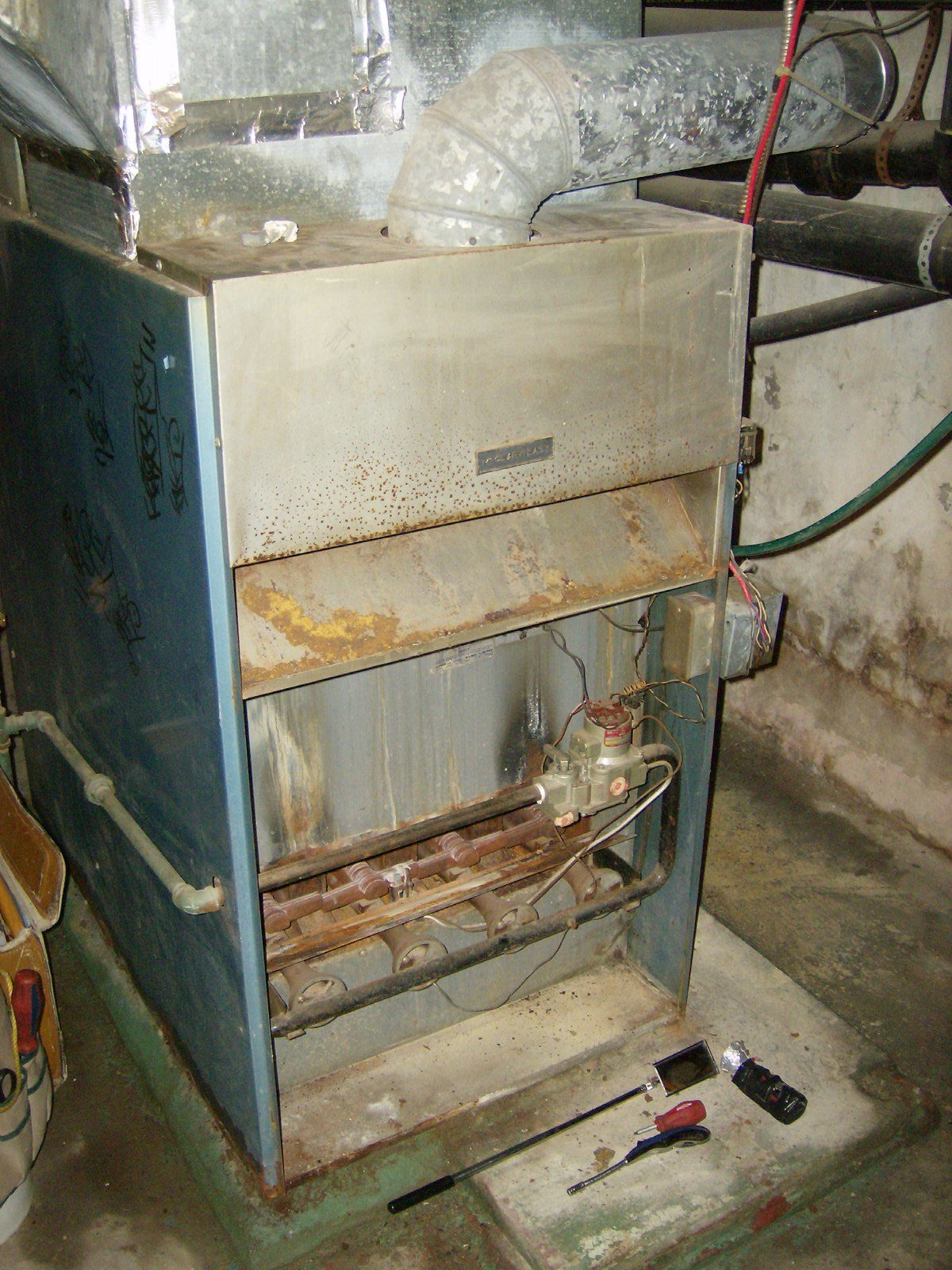
Are you trying to pick a company to install a new furnace in your home? The choice matters more than the brand name on the box. A furnace that is sized wrong, vented wrong, or connected poorly can run loud, heat unevenly, break down early, and cost you more to run. A careful installer, on the other hand, can help you get steady heat, cleaner air flow, and a system that lasts. This article walks you through how to compare companies, what to ask, and what to look for in a written quote before you sign anything.
Start by thinking about what you need from the job. Are you replacing an old furnace that stopped working, or are you planning ahead before winter? Do you want the same type of system you have now, or are you open to a different setup? Do you have rooms that stay cold while others stay warm? Do you have concerns about dust, dry air, or noise? Write down your answers. When you talk to installers, you can use that list to see who listens and who rushes past your concerns.
Look for a Licensed and Insured Company
Your first filter should be basic and firm. Ask each company if it holds the licenses your area requires for heating work, and ask if it carries liability insurance and workers coverage for its crew. A serious company will answer directly and will show proof when you ask. If a company dodges the question, gives a vague answer, or tells you a license is not needed without explaining why, treat that as a warning sign and move on.
Licensing rules vary by place, so check with your local building department or licensing office if you are unsure what applies where you live. You can also ask how long the company has been doing furnace work, and whether its installers are employees or outside workers hired for the day. A stable crew that works together often does cleaner, more consistent work than a crew that changes from job to job.
Insurance matters because furnace work involves gas lines, electrical wiring, venting, and heavy equipment. If something goes wrong during the job, you want coverage in place. Ask for the name of the insurer if you want to confirm it, and keep a copy of any proof the company shares with you.
Check Experience With Your Type of Home
Not every home needs the same furnace. A small home with open rooms heats differently from a larger home with several floors, an addition, or a finished basement. A home with old ductwork has different needs from a home with new ducts. Ask each company what kinds of homes it works on most often, and whether it has handled homes like yours.
Ask how the company sizes a furnace. A careful installer should measure your home, look at insulation, windows, and ductwork, and run a load calculation before recommending a size. Be wary of a company that picks a size by looking at the old furnace label alone, or by guessing from square footage. A furnace that is too large can cycle on and off too often, which wears parts and leaves rooms uneven. A furnace that is too small can run all day and still leave you cold.
Ask about venting and air flow too. Where will the new vent go? Will the company check the chimney or flue if one is in use? Will it test air flow after the install? These questions show you whether the company thinks about the whole system, not just swapping one box for another.
Read Reviews and Ask for References
Online reviews can help, but read them with care. Look for patterns rather than one glowing comment or one angry comment. Do customers mention on-time arrival, clean work areas, clear explanations, and follow-up after the job? Do several people mention the same problem, such as missed appointments or poor communication? Patterns tell you more than a single story.
Ask each company for recent references you can contact. A company that stands behind its work should be willing to share names of past customers who agreed to be contacted. When you call a reference, ask simple questions. Did the crew arrive when promised? Did they protect floors and clean up each day? Did the final cost match the written quote? Did the furnace heat the home evenly after the install? Would they hire the company again?
You can also ask friends, neighbors, and family who they used and how the job went. A personal recommendation from someone you trust, especially someone with a similar home, can be more useful than a long list of online comments.
Compare Written Quotes Side by Side
Get written quotes from at least three companies if you can. A spoken estimate is easy to forget and hard to compare. A written quote lets you see exactly what each company plans to do, what equipment it plans to install, and what the work includes.
A clear quote should list the furnace model and its main features, the work to remove the old unit, any duct changes, venting work, gas and electrical connections, thermostat work, permits, and cleanup. It should also list the warranty terms for parts and labor in writing, and any work that is not included. If a quote is vague, ask the company to spell out the missing details before you compare it with others.
Do not choose on the lowest number alone. A very low quote may leave out permits, duct sealing, a new thermostat, or disposal of the old unit, and those costs can appear later. A higher quote may include work that makes the system run better and last longer. Compare the scope first, then the cost. Ask each company to explain any big difference between its quote and another one.
Ask About Permits and Inspections
Most furnace installs need a permit and an inspection by your local building department. Ask each company who will pull the permit, who will schedule the inspection, and whether those fees are included in the quote. A company that handles permits as part of its normal work is usually a good sign.
Be cautious if a company asks you to pull the permit yourself, or suggests skipping a permit to save time. A permit and inspection give you an independent check that the work meets local codes for safety, venting, and wiring. That check protects you and can matter later if you sell your home. Keep copies of the permit and the final inspection approval with your home records.
Ask How the Install Day Will Work
Before you hire anyone, ask what install day will look like. How many workers will come? How long should the job take? What time will they arrive? Will your heat be off during the work, and for how long? What should you clear away before they arrive? A company that has done this many times should be able to answer in plain language.
Ask about protection for your home as well. Will the crew lay down drop cloths? Will they wear shoe covers? How will they handle dust from cutting or drilling? How will they dispose of the old furnace and packaging? Small details like these show respect for your home and often reflect the care the crew brings to the technical work too.
Ask who will be your point of contact during the job. If a problem comes up, you want one name and one number to call, not a general line where you have to explain the job from the start each time.
Understand Warranties and Aftercare
Ask each company to explain its warranties in writing. There may be a warranty from the equipment maker and a separate warranty from the installer for labor. Ask what each one covers, how long each one lasts, what could affect coverage, and who you call if something stops working.
Ask whether the company offers a follow-up visit after the install to check the system and answer questions. Ask whether it offers routine service visits, and what those visits include. A company that plans to stay in touch after the sale is often more invested in doing the job right the first time.
Keep every document the company gives you: the quote, the contract, the equipment manual, warranty papers, permit records, and receipts. Store them where you can find them later. If you ever need service, those papers will help the next technician understand what was installed and when.
Watch for Warning Signs
Some signs should make you pause. A company that pressures you to sign the same day, offers a discount that ends tonight, or refuses to give you a written quote is pushing too hard. A good installer will give you time to compare options and think it over.
Other warning signs include a company with no fixed business address, no way to reach it after hours, or a crew that will not show proof of license or insurance. A company that asks for full payment before any work starts is also a concern. A common pattern is a deposit to order equipment, with the rest due as work is completed. Read the payment terms in the contract and make sure you understand them before you sign.
Trust your sense of the conversation too. Did the person listen to your questions? Did they explain choices in words you understood? Did they check your home before recommending a system? If you felt rushed, confused, or talked down to, that feeling is useful information. You will be living with this furnace for years, and you want an installer you can call with confidence if something goes wrong.
Make Your Choice and Keep Records
Once you have quotes, references, and answers to your questions, compare them side by side. Look at experience, scope of work, warranty terms, communication, and cost together. The right company is rarely the cheapest or the fastest talker. It is the one that measured your home, explained its plan clearly, put everything in writing, and treated your questions with respect.
When you hire a company, get a signed contract that matches the quote you accepted. Read it before you sign, and ask about anything you do not understand. Note the start date, the work included, the payment schedule, and the warranty terms. Keep a copy for yourself.
On install day, be present if you can, or have a trusted person there. Walk through the work with the lead installer when the job is done. Ask them to show you the new thermostat settings, the filter location, and any shut-off controls you should know. Ask them to run the system while you are there so you can hear it and feel the heat. If anything looks unfinished, say so before the crew leaves, and get a plan in writing for when it will be fixed.