Two homes can have the same air conditioner, installed in the same week, and end up with very different results. One home stays cool and dry all summer, and the system runs quietly for years. The other has hot rooms, high bills, strange noises, and a repair visit before the first year is out. The difference is often not the equipment. It is the install. The quality of the installation decides how well even the best equipment performs, and a careful install is something you can learn to spot before the crew leaves your home.
Quality installation is a plain idea with a lot of detail behind it. It means the system was sized to the home, the parts were fitted the way the maker intended, the connections were sealed and tested, and the finished system was checked before anyone called the job done. None of that is visible in a sales brochure. It is visible in the work itself, in the time the crew takes, and in the checks they run at the end. This guide explains what a careful install includes, so you can tell the difference between a job done right and a job done fast.
Why the install matters as much as the equipment
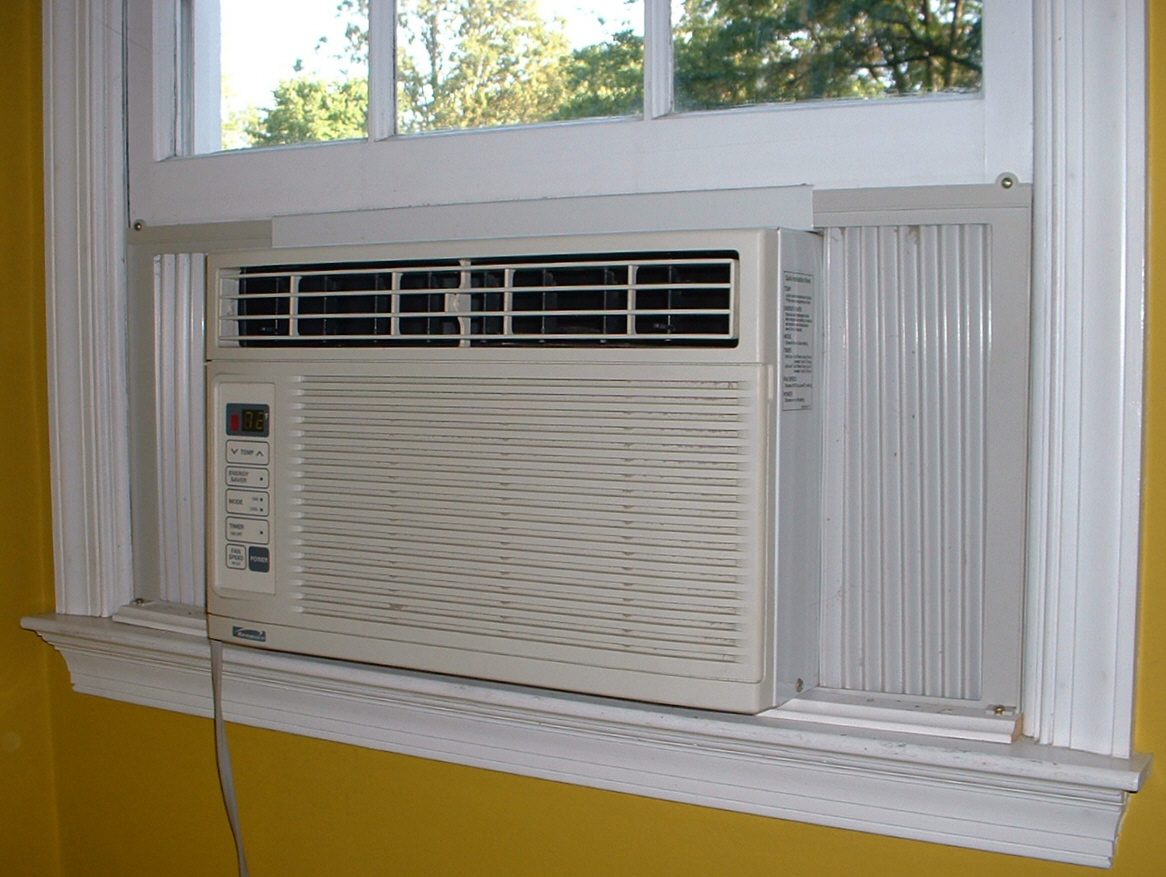
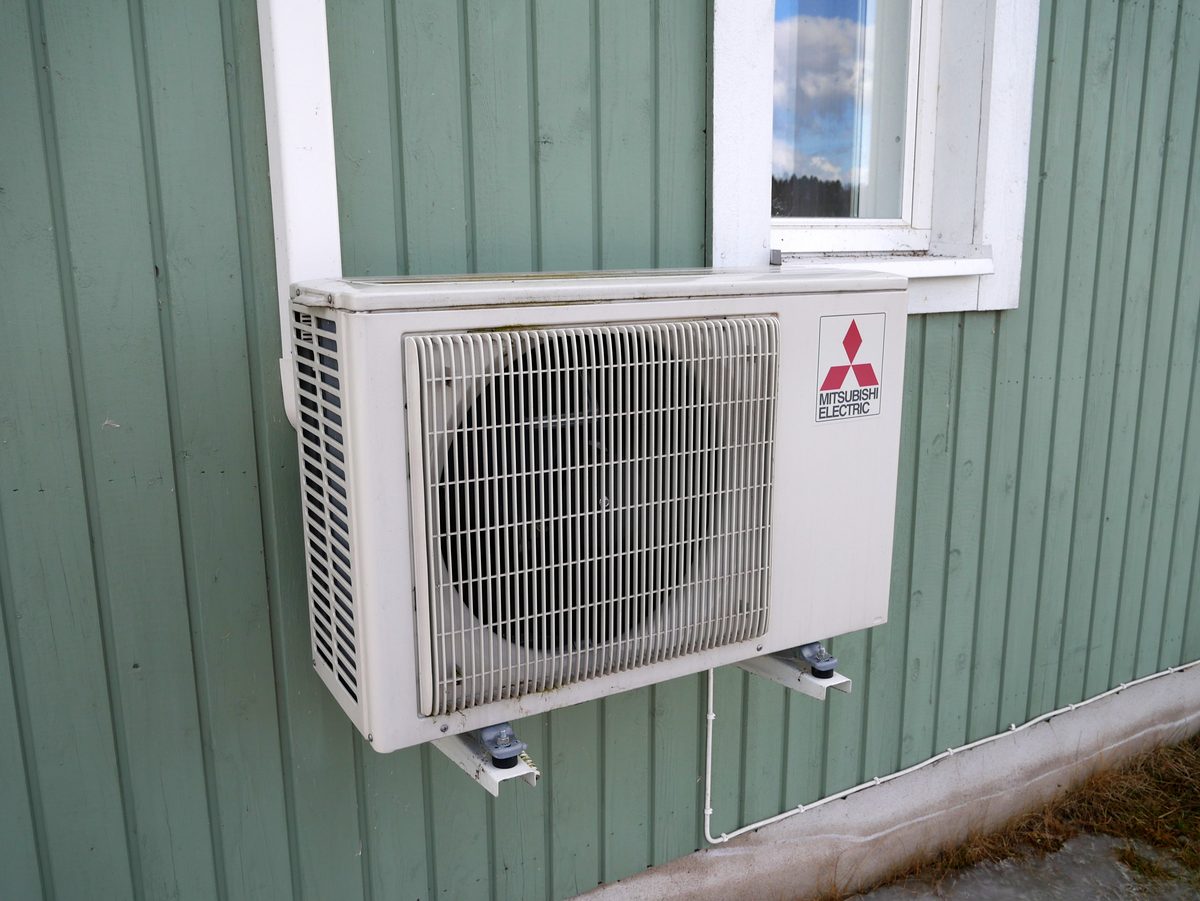
An air conditioner is not a plug-in appliance. It is a system of parts that have to work together: an outdoor unit, an indoor coil, ductwork, refrigerant lines, wiring, a drain, and controls. The factory builds the parts. The installer builds the system. If the ductwork leaks, the refrigerant charge is wrong, or the airflow is off, the equipment cannot do its job, no matter how good the label on the box is.
A poor install can cause trouble that looks like an equipment problem. Rooms that never cool, air that feels damp, a unit that cycles on and off all day, or a drain that overflows are often install problems, not factory defects. Fixing them later means opening walls, reworking ducts, or replacing parts that were fitted wrong the first time. That is why the cheapest install can become the most expensive one. The work done on install day sets the pattern for the life of the system.
What a careful install includes before the work starts
A careful install starts before any tools come out. The crew should confirm the size of the equipment against the home, not just against the old unit. That means a load calculation for the home, and a look at the ductwork to check that it can move the right amount of air. If the ducts are undersized or leaking, a good installer will say so and explain the options before the new unit goes in.
The crew should also protect the home. Floor coverings go down on the path to the work area. The work area is cleared, and the old equipment is removed without leaving debris behind. The installer should walk you through the plan for the day: where the new unit will sit, how the lines will run, and how long the work should take. If the plan is vague, or if no one measures anything before starting, that is worth noting. Careful work begins with careful preparation.
What careful work looks like during the install
During the install, the signs of care are mostly about fit and sealing. The indoor and outdoor units should sit level and stable, with clear space around them for air to move and for future service. Refrigerant lines should be cut cleanly, joined neatly, and insulated along their length, with no kinks or sharp bends. Wiring should be secured and protected, not left loose or resting on sharp edges.
Duct connections deserve a close look. Joints should be sealed so cooled air goes into the rooms instead of into the attic or the wall cavities. A register that is not seated properly, a duct that sags between supports, or a gap where a duct meets the unit are all signs of rushed work. The drain line should slope so water flows away from the unit, and it should have a trap and a way to check it later. The thermostat should be placed where it can read the temperature of the living space, not in direct sun or above a heat source.
Time is a clue too. A full system change is a day of work, not an hour. A crew that is in and out in a fraction of the time quoted has almost certainly skipped steps. A careful crew works steadily, cleans as it goes, and takes the time to check each connection before moving on to the next.
The checks that should happen before the crew leaves
The most important part of a quality install is the part that happens last: testing. Before the crew packs up, the system should be started and run through a full cycle. The installer should check the refrigerant charge with gauges and compare the readings with the range the maker calls for. Airflow should be measured at the vents, not just felt by hand. The temperature of the air going in and the air coming out should be checked, and the difference should fall in the range the equipment is built to produce.
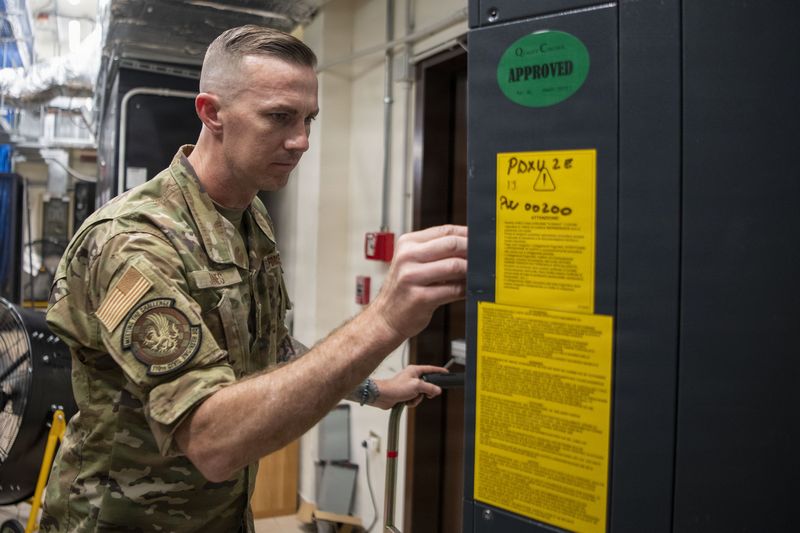
Safety checks matter as well. Electrical connections should be tight, and the disconnect and breaker should match the unit. The drain should be tested by running water through it and watching it flow away. The thermostat should be tested in each mode it will be used in, and the homeowner should be shown how to use it. The crew should walk the home with you, show you the work, and explain where the filter goes and how often it needs changing.
- Ask to see the refrigerant readings and the airflow check.
- Ask whether the drain was tested with water.
- Ask for a walk-through of the finished work before the crew leaves.
- Ask what is covered if a problem shows up in the first weeks.
- Keep the paperwork: model numbers, warranty terms, and the installer contact.
Signs of a rushed job
Rushed work leaves traces. Look for ducts held together with ordinary tape instead of proper sealant, lines that are kinked or rubbing against metal edges, and units that rock when you touch them. Look for wiring left hanging, drain lines that run uphill, and gaps around the unit where air can escape. A unit sitting in a puddle, a filter slot that does not close, or a thermostat that was never tested are all signs that the last steps were skipped.
Sound is another clue. A new system should run with a steady hum, not a rattle, a whistle, or a bang when it starts. Whistling at a vent often means air is being forced through a gap or a duct that is too small. Rattling can mean a panel is loose or a line is touching the case. These sounds are easy to dismiss on install day and annoying for years after. If you hear them, say so before the crew leaves.
Paperwork is a sign too. A careful company leaves you with the model and serial numbers, the warranty terms, and a record of the readings taken during testing. A company that leaves nothing behind, or that cannot tell you what was tested, has not finished the job in full.
What to do if something looks wrong
If you spot a problem while the crew is still there, say so right away and ask for it to be fixed before they go. Take photos of anything that looks unfinished. If a problem shows up after the crew has left, call the company promptly and describe what you see and hear. A company that stands behind its work will come back and make it right. Keep your notes and photos, and keep the paperwork from install day, so the conversation is about facts rather than memory.
If the company will not return, or if the same problem keeps coming back, get a second opinion from another company and ask them to write down what they find. That record protects you if you need to discuss the work further. The goal is not a dispute. The goal is a system that works the way it should, and a careful install is the only way to get there.
The simple test
Quality installation comes down to a simple test: was the system fitted to your home, sealed and tested, and checked before the crew left? If the answer is yes, you have a system that should run well for years. If the answer is no, or if no one can show you the checks, the install is not finished, whatever the invoice says. The equipment matters, but the hands that fit it matter more.
Related Guides