When should you think about your heating and cooling system? Most people think about it twice a year: once when the first hot week arrives and the air conditioner struggles, and once when the first cold snap arrives and the furnace is asked to work hard. By then, everyone else is calling too, and the wait is longer. There is a better rhythm, and it starts with thinking about the system before the season that tests it.
Your heating and cooling system is seasonal equipment. It works hardest in summer and winter, and it rests, more or less, in between. The shoulder seasons, spring and fall, are the natural times to look after it. A little attention at those moments catches small problems while they are still small, and it means the system is ready when the weather turns.
Spring: Get Ready Before the Heat Arrives
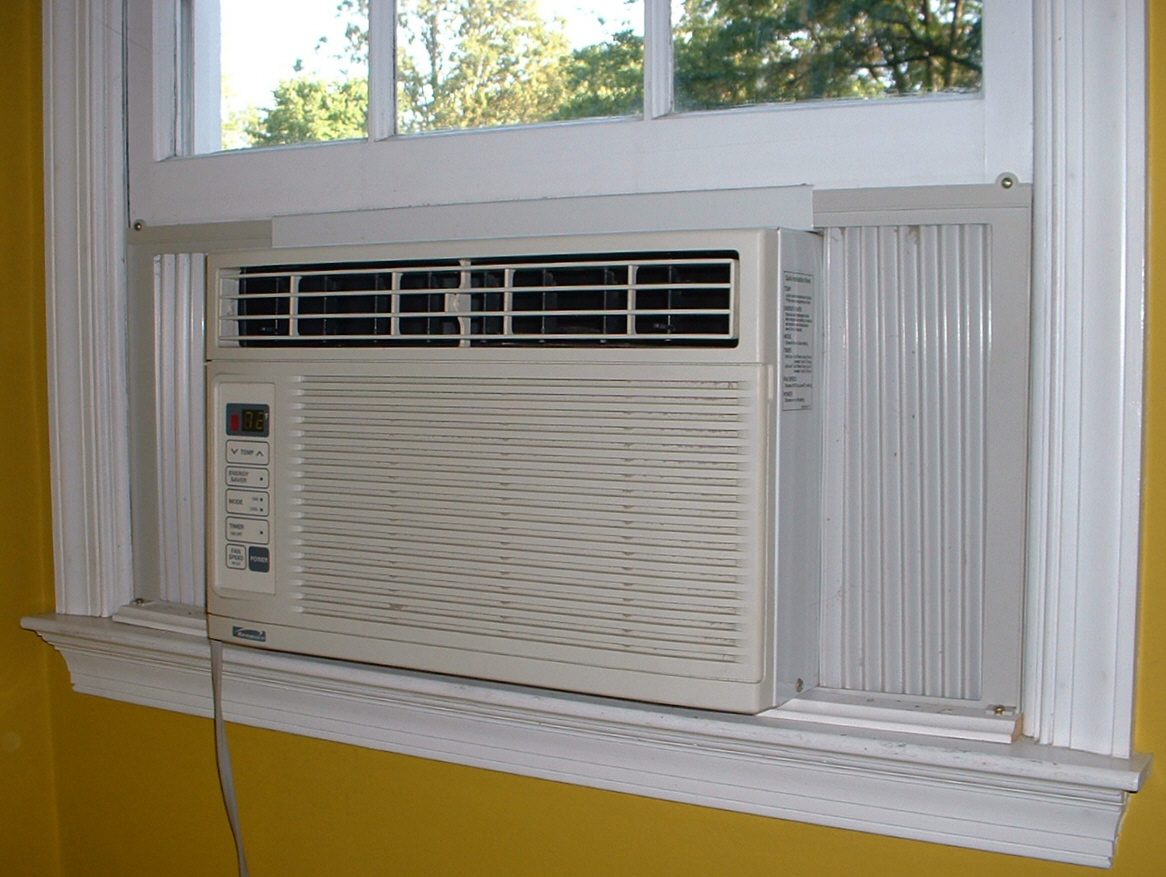
Spring is the time to think about cooling. As the days warm up, run the air conditioner for a test before you actually need it. Set the thermostat a few degrees below the room temperature, let the system run, and walk through the house. Does cool air reach every room? Does the outdoor unit sound normal? Is there water where it should not be, near the indoor unit or the drain?
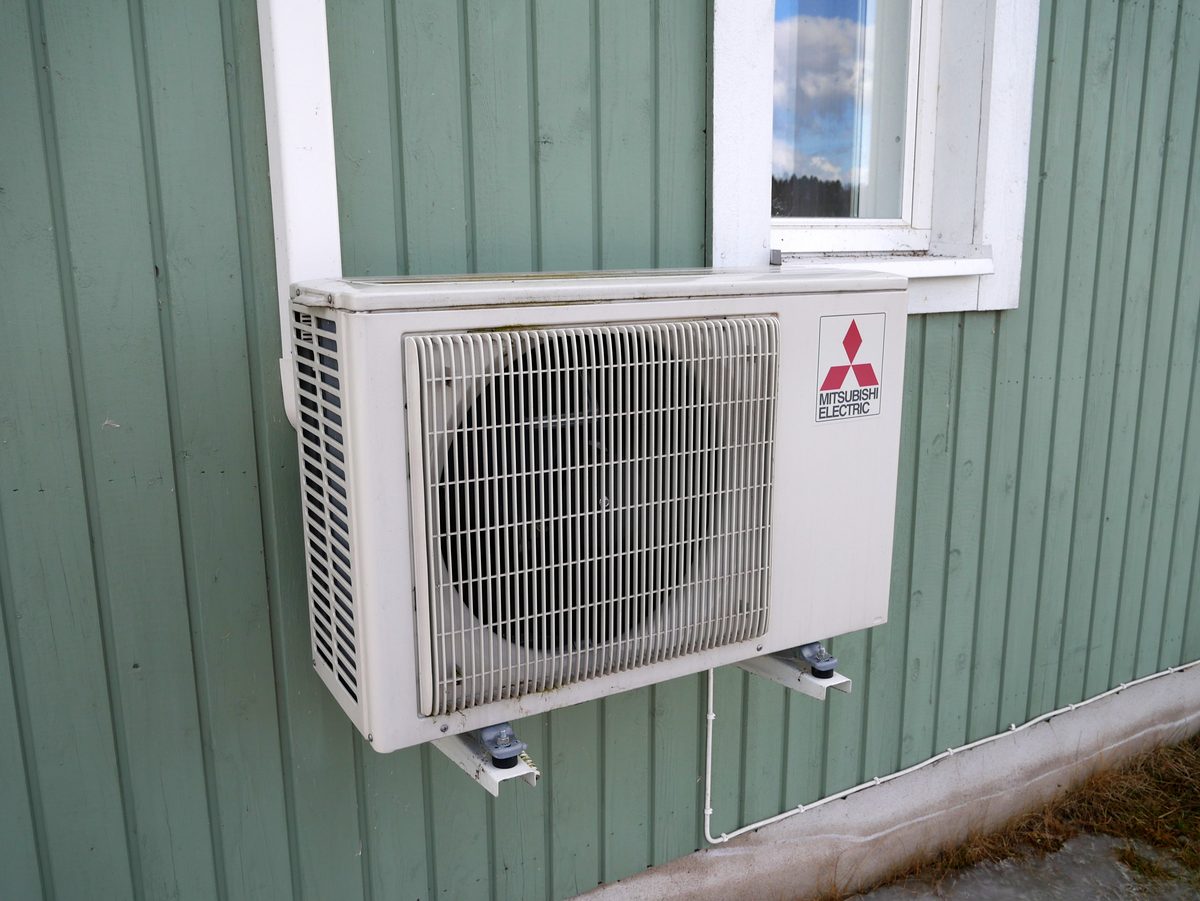
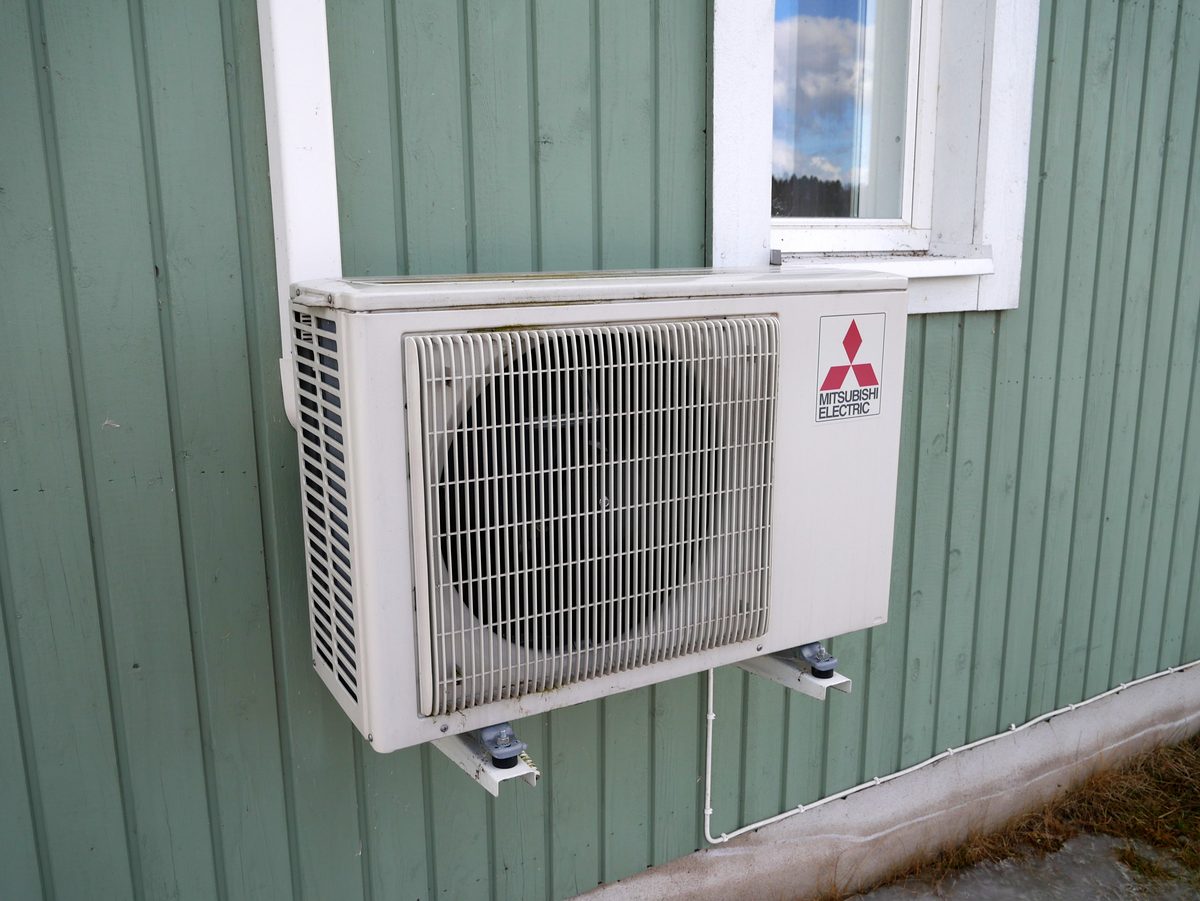
Spring is also the time for the routine cooling check: a clean or new filter, a clear space around the outdoor unit, and a look at the drain line. Leaves, grass clippings, and garden growth can crowd an outdoor unit over the winter, and a blocked drain can send water where it does not belong. Clearing those things in spring is a small job. Clearing them in July, when the house is hot and the system has stopped, is not.
If the system is due for a professional visit, spring is the time to book it. Technicians have more open days before the summer rush, and a spring visit means any part that needs ordering can arrive before the heat does.
Fall: Get Ready Before the Cold Arrives
Fall is the mirror image of spring, and it belongs to heating. Before the first cold night, run the furnace or heat pump and listen. Does it start cleanly? Does warm air reach the far rooms? Do you smell anything unusual in the first minutes of running, beyond the faint dusty smell of a system waking up after months of rest?
Fall is the time to check the things heating depends on: a clean filter, vents that are open and unblocked by furniture or rugs, and a thermostat that reads the room honestly. If the home has a furnace with a visible flame or a pilot, a professional check in fall is the moment to catch wear on parts that will be asked to work hard all winter. A heating failure on a mild October evening is an inconvenience. The same failure on the coldest night of the year is a real problem, and fall is when you can still choose the timing.
Before a Heat Wave or a Cold Snap
Weather forecasts give you a few days of warning, and that warning is worth using. When a heat wave is coming, test the cooling system the day before it arrives, not the morning it is already hot. Check the filter, make sure the outdoor unit has clear airflow, and close blinds on the sunny side of the house during the hottest hours. A system that is already struggling will struggle more when the heat peaks, and the days around a heat wave are the busiest days of the year for repair calls.
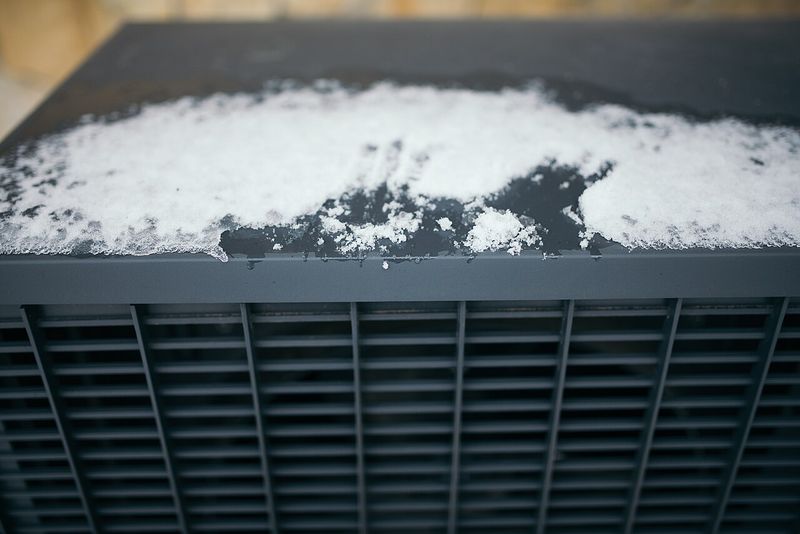
The same rule holds for a cold snap. Test the heating a day early, keep the thermostat steady rather than swinging it up and down, and make sure vents are open in the rooms you use. If the house has pipes on outside walls, a cold snap is the time to think about them too, since a heating failure during a freeze can turn into water damage. A few minutes of preparation before extreme weather is worth more than a fast repair during it.
When the System Starts to Age
Heating and cooling equipment does not last forever, and age changes the way you should think about it. A young system that breaks down once is usually worth repairing. An older system that breaks down again and again, needs parts that are hard to find, or cools the house unevenly is telling you something different. The question shifts from fixing the next breakdown to planning the replacement on your own schedule.
Watch for the signs of age: rooms that never feel quite right, noises that were not there before, a system that runs far longer than it used to, and repair visits that come closer together. None of these on their own means the system is finished, but together they are a pattern. The right time to think about replacement is while the old system still works, when you can compare options calmly, rather than in the middle of a heat wave or a freeze, when any working system looks good.
Age also matters for efficiency. Older equipment was built to the standards of its own time, and newer equipment is generally built to use less energy for the same amount of heating or cooling. That does not mean every old system should be replaced tomorrow, but it does mean the running cost of an old system is part of the decision, not just the repair bill.
After a Big Change at Home
A heating and cooling system is sized for the house as it was. When the house changes, the system may need a fresh look. A new room, a finished basement, a converted garage, or a large addition all change how much heating and cooling the house needs. So do new windows, added insulation, or a roof replacement that changes how the house holds heat.
Even changes inside the house matter. A home office that runs all day, a nursery that needs steady temperatures, or a family member moving in can all shift which rooms matter most. After a big change, walk through the house on a hot afternoon and a cold morning and note which rooms feel right and which do not. If the pattern has changed, the system may need balancing, a duct adjustment, or a new load calculation rather than a bigger unit.
A Simple Yearly Rhythm
Put the seasons together and a simple rhythm appears. In spring, test the cooling and book the cooling check. In fall, test the heating and book the heating check. Before extreme weather, test early and prepare the house. When the system ages, start planning instead of reacting. After a big change at home, look at the rooms again with fresh eyes.
None of this needs to be complicated. A filter change, a clear space around the outdoor unit, and a test run before each season cover most of it. The rest is a professional visit at the right time of year, booked before the rush rather than during it. Think about your heating and cooling system when the weather is mild, and it will be ready when the weather is not.
Related Guides