Has your heating or cooling system started acting up, and now you are wondering if the repair might be covered? Many homeowners are unsure whether their HVAC system is still under warranty, what that warranty covers, and who to call first. The answer is often in your paperwork, but that paperwork can be hard to find or hard to read. This article explains where to look, what questions to ask, and how to keep records so you can get a clear answer.
A warranty is a written promise about what a company will do if a part fails or a problem appears within a set time. For HVAC systems, there may be more than one warranty at work. The equipment maker may offer one set of terms, and the installer may offer a separate promise for labor. Those terms may differ, and they may depend on how the system was installed, registered, and cared for. That is why checking your own documents matters more than guessing from what a neighbor or a website says.
Start With Your Own Paperwork
Your first step is to gather every document you received when the system was installed. Look for the sales contract, the install invoice, the equipment manual, warranty cards or certificates, and any papers the installer left behind. Check a home file, a drawer near the indoor unit, or an email folder if the installer sent documents by email.
Read the warranty pages slowly. Look for the start date, the parts covered, the labor terms, and any steps you were asked to take after install. Some terms may ask you to register the equipment within a certain time after install. Others may ask you to keep proof of routine service. If you cannot find a start date, the install invoice or permit record may help you work out when the work was done.
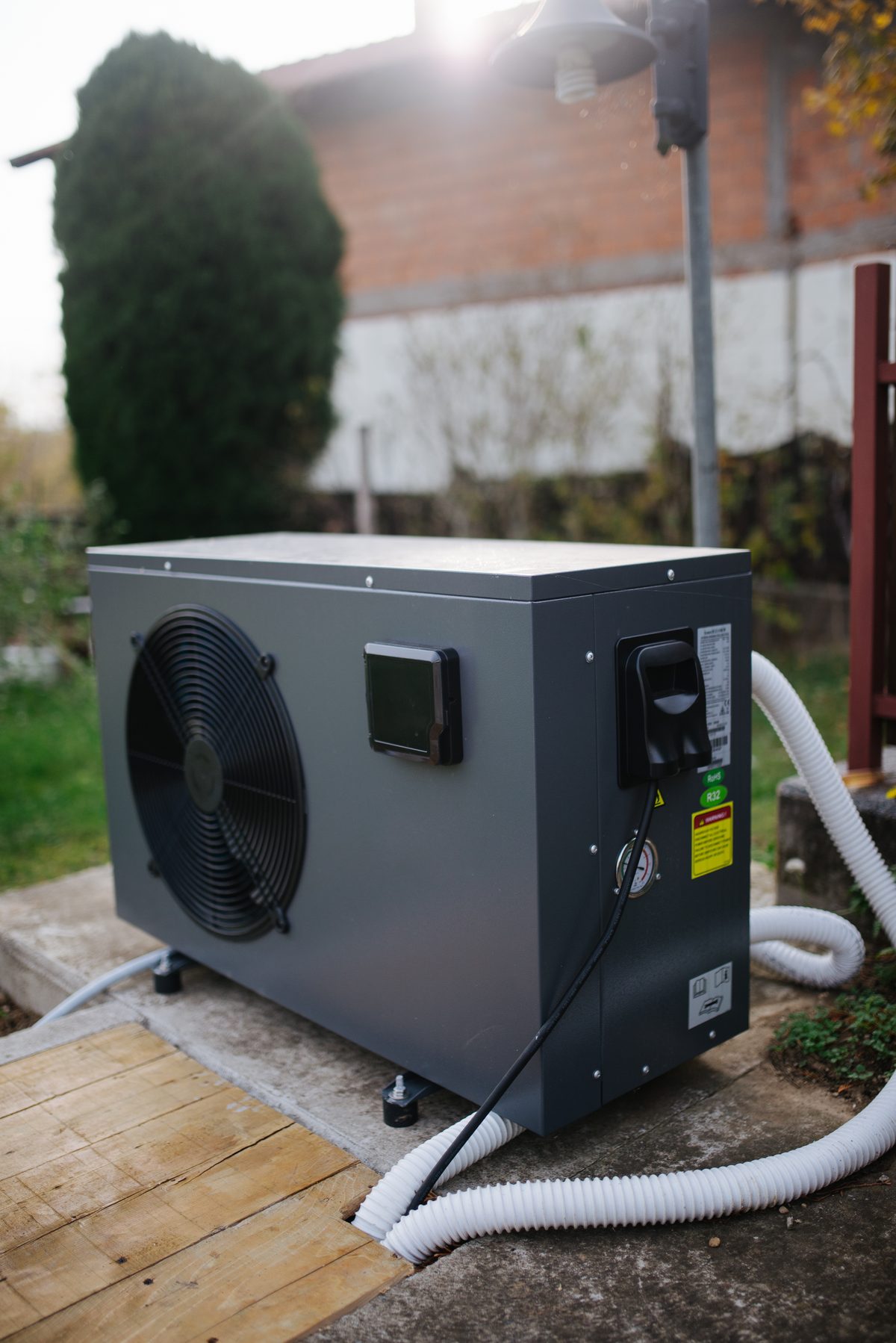
If you bought the home from a previous owner, the papers may have been left with the home, or they may have been lost. In that case, look for a label on the indoor or outdoor unit. The label often shows a model and serial number. Write those numbers down, along with the install date if you can find it. Those details can help a dealer or manufacturer look up what may apply to your unit.
Know the Difference Between Parts and Labor
Many homeowners assume a warranty covers everything, but parts and labor are often treated separately. A parts warranty may cover a failed part itself, while labor to remove the old part and fit the new one may be covered under a different term, or may be your cost. Ask for a clear answer in writing about which part of a repair would be covered and which part would not.
Ask the installer or dealer to explain the terms in plain language. What is covered if a major part fails? What is covered if a small part fails? What happens if the problem is caused by a duct issue, a wiring issue, or a lack of routine care? A clear answer now can save a dispute later.
Keep in mind that terms can change from one system to another, and from one installer to another. A promise made by one company may not match a promise made by another. Your own documents are the best source for what may apply to you.
Check With the Installer First
In many cases, the installer is the best first call. The installer knows what was fitted, when it was fitted, and what terms were offered at the time. Call the company that installed your system and ask them to check their records. Give them the install date, the model and serial number, and your address so they can find the job in their files.
Ask the installer to confirm in writing whether the system may still be under warranty, and what the next step would be if a repair is needed. Ask whether a visit to diagnose the problem would be covered, or whether there would be a charge for that visit. Ask who you should call if the installer is no longer in business, or if you have moved and the original installer is far away.
If you cannot reach the installer, check your contract for another contact name or number. Some installers work with a dealer network, and another dealer in that network may be able to help. Ask the manufacturer or dealer network how to find help in your area, and keep a note of who you spoke with and what they told you.
Check With the Equipment Maker
The equipment maker may also have records for your unit. If you have the model and serial number, you may be able to ask the maker or an authorized dealer to check whether the unit was registered and what terms may apply. You may need to provide proof of install date, such as an invoice or permit record, so keep those papers handy.
When you contact the maker, ask what documents they need from you, and ask for the answer in writing. Ask whether registration affects the terms, and whether routine service records are needed to keep the terms in force. Do not assume that a unit is covered just because it is fairly new, and do not assume it is out of coverage just because some time has passed. The only way to know is to check the terms that apply to your unit.
Be careful about advice from online forums or general articles that state a fixed length of coverage. Those claims may refer to a different model, a different year, or a different set of terms. Your unit may have different terms, so use your own documents and a direct check with the installer or maker as your source.
Look for Conditions That May Affect Coverage
Warranty terms often include conditions. For example, terms may depend on proper install, proper use, and routine care. Terms may ask you to change filters on a regular basis, keep the outdoor unit clear, and have the system checked by a trained technician from time to time. Keeping receipts and service notes can help you show that you followed those steps.
Terms may also be affected by changes made to the system. If a part was replaced with a part from another source, or if work was done by someone outside the dealer network, the terms may change. That does not always mean coverage ends, but it can make the answer less clear. If you are unsure, ask the installer or maker to explain the terms before you agree to extra work.
Damage from floods, storms, accidents, or misuse may also be treated differently from a part that fails during normal use. If your system was damaged in an event like that, ask how the terms treat that kind of damage, and check whether your home insurance may be involved instead.
Keep Good Records From Now On
Good records make every warranty question easier. Keep a folder for your HVAC system, in paper or digital form. Store the contract, invoice, manuals, warranty papers, permit records, and any service receipts in that folder. Note the install date, the model and serial number, and the name and contact details of the installer.
After each service visit, ask the technician for a written note of what was checked, what was changed, and what was recommended. Keep those notes with the rest of your records. If a question about coverage comes up later, those notes can help you show how the system was cared for.
Take a photo of the unit label showing the model and serial number, and keep that photo with your records. Labels can fade or become hard to read over time, especially on outdoor units. A clear photo taken now can save time later.
What to Do If You Get Different Answers
Sometimes the installer and the maker may give you different answers, or a verbal answer may differ from what is written in your papers. When that happens, ask for the answer in writing and ask which document the answer is based on. A written answer tied to a specific document is easier to rely on than a memory of a phone call.
If you are told that a repair is not covered, ask why, and ask what part of the terms supports that answer. Ask whether there is a way to appeal or to ask for a second review. Keep a note of the date, the name of the person you spoke with, and what they said. That note can help if you need to follow up.
If you are still unsure, you may want to get a second opinion from another qualified technician about the repair itself, even if the warranty question is separate. A second look can confirm what is wrong and what the repair should involve, which can help you decide how to proceed.
Plan Ahead Before a Problem Appears
The best time to check your warranty is before you need it. If your system is fairly new, take an hour to find your papers, note the key terms, and store them where you can find them. If your papers are missing, call the installer now, while the system is working, and ask for copies.
Ask the installer what routine care they recommend, and how often. Ask what records they suggest you keep. Ask who to call first if the system stops working, and whether there is an after-hours number. Having those answers ready can make a stressful day much easier.
Knowing whether your system may be under warranty will not fix a broken part by itself, but it can help you make a clear choice about repair, cost, and who to call. Start with your paperwork, check with your installer and the maker, keep good records, and ask for answers in writing. That simple habit puts you in a stronger position whenever your system needs attention.