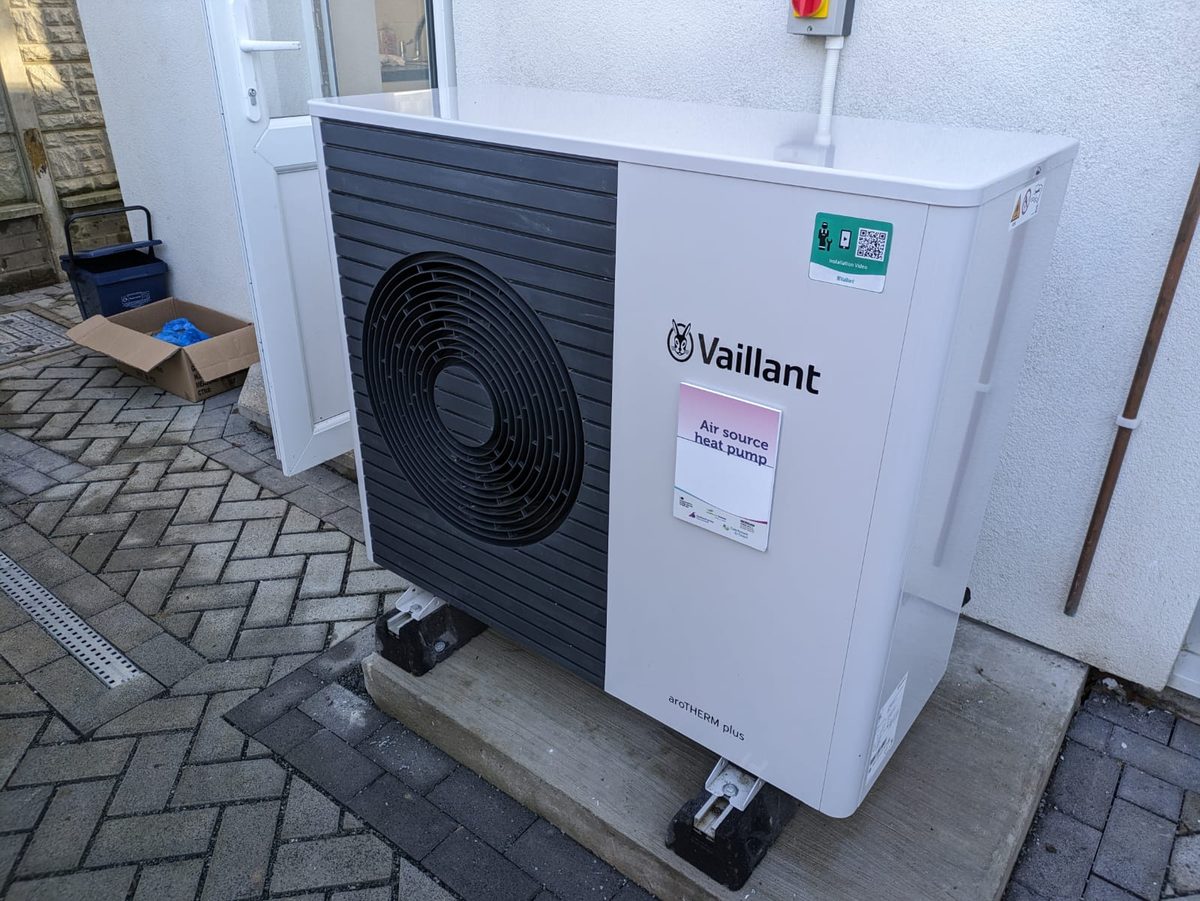
Have you been offered an extended warranty for your heating or cooling equipment and wondered whether it is worth it? You are not alone. The offer often comes at install time, when you are already making a big decision and want to protect your new system. An extended warranty can sound reassuring, but it can also be confusing. This article explains what an extended warranty usually means, what it may cover, what questions to ask, and how to decide if it fits your home.
An extended warranty is an extra promise that may cover repairs or parts for a longer time than the basic terms that come with a new system. It may be offered by the equipment maker, by the installer, or by a separate company. The terms can differ a lot from one offer to another, so two plans with similar names may cover very different things. Reading the full terms before you buy is the only way to know what you are getting.
How an Extended Warranty Differs From Basic Terms
When you buy new HVAC equipment, it often comes with basic terms from the maker and from the installer. Those basic terms may cover certain parts, and the installer may cover labor for a set time. An extended warranty, if you choose to buy one, may add more time or may add coverage for items that were not covered before.
Ask the seller to explain the difference in plain language. What does the basic promise cover? What would the extended plan add? When would each one start and end? Does the extended plan start right away, or does it start after the basic terms end? A clear timeline helps you see whether you are paying for extra time or for overlapping time you already have.
Ask whether the plan covers parts, labor, or both. Some plans cover a part itself but not the work to fit it. Others cover labor for certain repairs but not for others. Ask for a written list of what is included and what is not included, so you can compare it with the basic terms you already have.
What an Extended Warranty May Cover
Coverage can vary widely. A plan may cover major parts such as motors, controls, or coils. It may cover smaller parts as well. It may cover the cost of a service visit to diagnose a problem, or it may charge a separate fee for each visit. It may cover repairs only, or it may also cover some routine checks.
Ask for examples. If a common part fails, what would the plan pay for and what would you pay for? If the system needs more than one repair in a short time, would the plan still apply? Is there a limit on how much the plan will pay for a single repair or over the life of the plan? A plan with a low limit may not help much when a large repair is needed.
Ask about exclusions too. Many plans do not cover damage from floods, storms, accidents, or misuse. Many do not cover ductwork, thermostats, or other parts outside the main unit. Some do not cover problems caused by a lack of routine care. Knowing the exclusions before you buy helps you avoid surprise costs later.
Conditions You May Need to Follow
Extended warranty plans often come with conditions. You may be asked to have the system checked by a trained technician on a regular basis, to change filters as recommended, and to keep the outdoor unit clear of debris. You may be asked to keep receipts and service notes as proof that you followed those steps.
Ask what happens if you miss a routine check or if you use a technician outside the plan network. Does the plan still apply? Does it apply with limits? Ask whether you must use a specific company for repairs, or whether you can choose any qualified technician in your area. If you move, ask whether the plan moves with you or whether it stays with the home.
Ask how to make a claim. Who do you call first? What information do you need to provide? How long does approval take? Will the repair wait for approval, or can the technician start right away? A plan that is hard to use when you need it may not be worth much, even if the coverage sounds broad.
Who Offers the Plan and Who Pays the Claim
It matters who stands behind the plan. A plan offered by the equipment maker may work differently from a plan offered by the installer or by a separate warranty company. Ask for the full name of the company that provides the plan, and ask who pays the repair bill when a claim is approved.
Ask whether the plan can be cancelled, and what happens if you cancel it. Is there a refund? Is the refund full or partial? Is there a time limit for cancelling? Ask whether the plan can be transferred if you sell your home, and whether a transfer fee applies.
Keep a copy of the full plan terms, not just a short summary or a sales flyer. The full terms are the document that will matter if you make a claim. If the seller cannot provide the full terms before you buy, that is a reason to pause and think again.
Questions to Ask Before You Buy
Before you agree to an extended warranty, ask a set of direct questions and write down the answers. What is the total cost, and is it a one-time payment or a yearly charge? What is the start and end date? What parts and labor are covered? What is not covered? Is there a fee for each service visit or each claim?
Ask about limits as well. Is there a limit per repair or per year? Is there a limit on the number of claims? What happens if the repair cost is more than the limit? Ask whether the plan covers the full cost of a repair or only part of it.
Ask about the repair process. Must you use a certain company? How fast can a technician come? What happens on a weekend or a holiday? What happens if a part has to be ordered and the system is out of use for several days? The answers will tell you how useful the plan would be in a real breakdown.
How to Weigh the Cost Against the Benefit
To decide if a plan is worth it, compare the cost of the plan with the risk it may reduce. A new system that is well installed and cared for may run for a long time without a major repair. An older system, or a system in a home with heavy use, may face more repairs. Your own comfort with risk matters too. Some homeowners prefer the peace of mind of a plan, even if they never use it. Others prefer to set aside funds for repairs as needed.
Look at what the plan would actually pay for in a common repair. If the plan covers a part but not labor, and labor is a large share of the repair cost, the benefit may be smaller than it first seems. If the plan has a fee for each visit, add that fee to your thinking. If the plan has a low limit, consider how much of a large repair it would really cover.
Think about how long you plan to stay in the home. If you plan to move soon, a plan that cannot be transferred may be less useful to you. If you plan to stay for many years, a longer plan may fit better. There is no single right answer for every home, so base your choice on your system, your home, and your budget.
Common Mistakes to Avoid
One common mistake is buying a plan without reading the full terms. A short sales summary may leave out exclusions, limits, and conditions that matter. Another mistake is assuming that a plan covers everything. Most plans have limits, and most do not cover every part of a system.
Another mistake is paying for overlapping coverage. If your basic terms already cover a part for a long time, an extended plan that starts right away may duplicate that coverage for a while. Ask when the extended plan actually adds value beyond what you already have.
A further mistake is losing the paperwork. Keep the plan terms, the receipt, and any registration papers with your HVAC records. Note the start and end dates, the claim number to call, and any conditions you need to follow. If you move or change phone numbers, update the plan provider so they can reach you.
What to Do After You Buy a Plan
If you decide to buy an extended warranty, take a few steps right away. Read the full terms again at home, when you are not rushed. Note the claim process, the conditions, and the end date. Put a reminder in your calendar for the end date so you can plan for what comes next.
Follow the care steps in the plan. Change filters as recommended, keep the outdoor unit clear, and schedule routine checks as the plan asks. Keep every receipt and service note. If you have a repair, ask the technician for a written note of what was found and what was done, and keep it with your plan papers.
An extended warranty is not a guarantee that nothing will break. It is a written agreement that may help with some repair costs if certain conditions are met. By reading the terms, asking direct questions, and keeping good records, you can decide with clear eyes whether a plan fits your home and your budget.