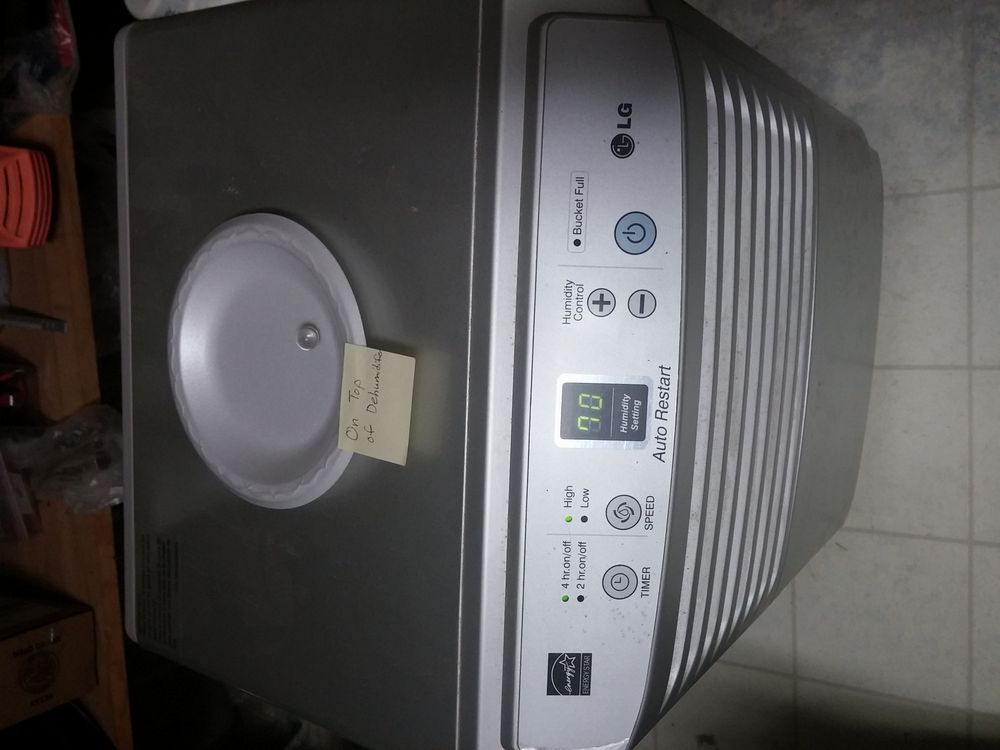
Does your basement smell musty, or do your windows fog up and your wood floors cup in the summer? A 50-pint dehumidifier in white is a common fix for damp rooms, and it is sized for a medium to large space. This guide explains what the pint rating means, how to choose the right size, and how to set up and care for a dehumidifier so it actually solves the dampness instead of just running.
How a Dehumidifier Works
A compressor dehumidifier works much like a small air conditioner. A fan pulls room air across a cold coil, the moisture in the air condenses on the coil and drips into a bucket or a drain, and the drier air passes over a warm coil before it leaves the unit. The air that comes out is slightly warmer than the air that went in, since the compressor adds heat, which is why a dehumidifier can take the chill off a damp basement in winter but can add warmth you do not want in a hot room in summer.
The other common type is a desiccant dehumidifier, which uses a moisture-absorbing material instead of a cold coil. Desiccant units work better in cold spaces where a compressor coil would frost up, but most household dehumidifiers in the 50-pint class are compressor models. Either way, the job is the same: pull moisture out of the air, collect the water, and keep the room dry enough that mold, mildew, and musty smells do not take hold.
What the 50-Pint Rating Means
The pint rating describes how much water the unit can remove from the air in a day under test conditions, and a 50-pint dehumidifier is rated to remove about 50 pints of water in 24 hours in those conditions. That figure is a capacity rating, not a promise for your room: a very damp basement will make the unit work harder and fill the bucket faster than a mildly damp room, and a cold room will slow a compressor unit down. Use the pint rating to compare units against each other, not as a guarantee of results in a specific space.
Testing conditions changed over the years, so two units with similar pint ratings from different years may not be directly comparable. Ask the seller which test conditions the rating is based on, and treat the rating as a rough guide. The room size, the dampness level, and the temperature matter more than a small difference in the pint number.
Sizing a Dehumidifier for Your Space
Start with the room. Measure the floor area and note how damp the space feels. A room that smells musty and shows damp spots needs more capacity than a room that just feels a little humid in summer. As a general rule of thumb, a 50-pint unit suits a medium to large damp space, such as a large basement or a big living area, while a smaller room with mild dampness may do well with a smaller unit. An oversized unit will cycle on and off and may not run long enough to dry the air evenly, while an undersized unit will run all the time and still leave the room damp.
Consider the temperature too. Compressor dehumidifiers work well in rooms that stay warm enough for the coil to stay above freezing. In a cold basement, the coil can frost over and the unit has to stop to defrost, which cuts into its capacity. If the room stays cold through the winter, ask about a unit rated for low-temperature operation or a desiccant model. Also consider how the room is used: a basement with a laundry area, a sump pump, or a history of water seepage needs more capacity than a dry finished basement.
Drainage: Bucket, Hose, or Pump
Every dehumidifier has to get rid of the water it collects, and the drainage choice decides how much attention the unit needs. The simplest option is the built-in bucket, which you empty by hand. A 50-pint unit in a damp basement can fill a bucket in a day or less, so the bucket option only works if someone is around to empty it. Most units shut off automatically when the bucket is full, which is good for safety but bad for a basement you want kept dry while you are away.
A gravity hose lets the water drain continuously into a floor drain, a sump pit, or a sink, as long as the drain is lower than the unit. That is the simplest option when a suitable drain is nearby, since the unit can run unattended. A built-in pump lets the unit push water up and out through a hose to a drain that is higher than the unit or farther away, which helps in a basement without a floor drain. Whichever option you use, check the hose for kinks and make sure the drain stays clear, since a blocked drain will shut the unit down or spill water.
Placement and Airflow
Place the dehumidifier where the damp air can reach it. In a basement, that is usually near the center of the space or near the dampest wall, with clearance around the air intake and the outlet so the air can circulate. Do not push the unit tight against a wall or hide it behind stored boxes, since blocked airflow cuts its capacity and can overheat the compressor. Keep it away from heat sources and out of direct sunlight, and keep it level so the water drains correctly into the bucket or the hose.
Close the windows and the outside doors in the space you are drying. A dehumidifier cannot keep up with a steady flow of humid outdoor air, so drying a basement with the windows open is a losing battle. If the basement connects to the rest of the house, the dehumidifier will pull moisture from the whole house over time, which is fine, but the unit will work harder. Some owners run a dehumidifier with a small fan to keep the air moving through the space, which helps the unit reach the damp corners.
Humidity Targets and Controls
Most homes feel comfortable and stay healthy when the indoor relative humidity sits in a moderate range, often given as between 30 and 50 percent. Below that range, the air feels dry and wood, paint, and skin can suffer. Above it, mold and dust mites thrive and condensation forms on cool surfaces. A dehumidifier with a built-in humidistat lets you set a target and lets the unit cycle on and off to hold it, which is more efficient than running the unit all the time.
Use a separate hygrometer to check the real humidity in the room, since the sensor on the unit measures the air right next to the machine and can read differently from the far corner. Check the reading in a few spots and at different times of day. If the unit runs constantly and the humidity barely moves, the space may be too large, too damp, or too leaky for the unit, or there may be a water source, such as a seeping wall or a plumbing leak, that needs fixing first. A dehumidifier manages humidity; it does not fix a leak.
Maintenance That Keeps It Working
Clean the air filter regularly, usually every few weeks during heavy use, since a clogged filter cuts airflow and capacity. Wash it with water and let it dry fully before you put it back. Wipe the bucket with a mild cleaner when you empty it, and clean the drain hose and the pump if the unit has one. Check the coils for dust and frost, and keep the area around the unit clean so the intake does not pull in lint and debris.
At the end of the damp season, or if you will not use the unit for a while, empty the bucket, clean the tank, dry the unit, and store it upright in a dry place. Do not lay a compressor dehumidifier on its side, and if it has been tipped, let it stand upright for a day before you turn it on so the compressor oil can settle. If the unit makes new noises, leaks, or stops collecting water while the room is still damp, have it checked before the dampness damages the room.
Questions to Ask Before You Buy
Before you order, confirm the practical details. Is the pint rating based on current test conditions, and what room size does the maker suggest for this unit? Does it have a humidistat, a gravity drain, and a pump, or are those separate? How loud is it, and where will the noise matter? What is the warranty, and who handles warranty service? How heavy is the unit, and does it have wheels and a handle for moving it?
A 50-pint dehumidifier in white is a solid choice for a medium to large damp space when it is sized to the room, drained so it can run unattended, and given clear airflow. Fix any water leaks first, set a moderate humidity target, keep the filter clean, and the unit will keep the room dry and comfortable.