Find A Contractor
Filter nearby cities:
Or search by ZIP code:
Your energy bill in Benton just jumped, and nothing about how you live has changed. Same thermostat setting, same hours at home, same weather as last year, but the bill is higher. Where did the extra energy go? In many Pennsylvania homes, the answer is the heating and cooling system. A furnace, heat pump, or air conditioner that is working harder than it should, because of a dirty filter, leaky ducts, a thermostat problem, or an aging part, can use far more energy than a well-maintained system. Finding the cause does not require a technical background. It requires a clear look at how the system runs and a few simple checks.
This guide is about using less energy without giving up comfort in Benton. It explains how Pennsylvania heating and cooling systems use energy, how thermostats, filters, ducts, and insulation affect that use, and how to work with a contractor to find waste and fix it. There is no list of companies here. The focus is on practical steps you can take, questions you can ask, and decisions that save energy over time.
Where Heating and Cooling Energy Goes
Heating and cooling are usually the largest energy users in a Pennsylvania home. A furnace burns fuel or uses electricity to make heat, and a blower moves that heat through ducts. An air conditioner or heat pump uses electricity to move heat, and in summer it also removes humidity from the air. When any part of that chain is inefficient, the system runs longer to reach the same temperature.
Several common problems raise energy use. A clogged filter reduces airflow and forces the blower to work harder. Leaky ducts lose heated or cooled air before it reaches a room. A thermostat in a poor location can cause the system to run too long or shut off too early. An aging system may have worn parts, a failing blower, or a compressor that no longer runs efficiently. Poor insulation and air leaks make the system work harder by letting conditioned air escape and outside air in.
You can start by watching patterns. Does the system run almost constantly on a mild day? Does it turn on and off every few minutes? Does one room stay cold while another overheats? Does the bill climb sharply in a month when the weather was not extreme? Those patterns help a contractor narrow down the cause, and they help you decide whether a repair, maintenance, or a larger change is worth it.
Thermostats: Small Settings, Large Effects
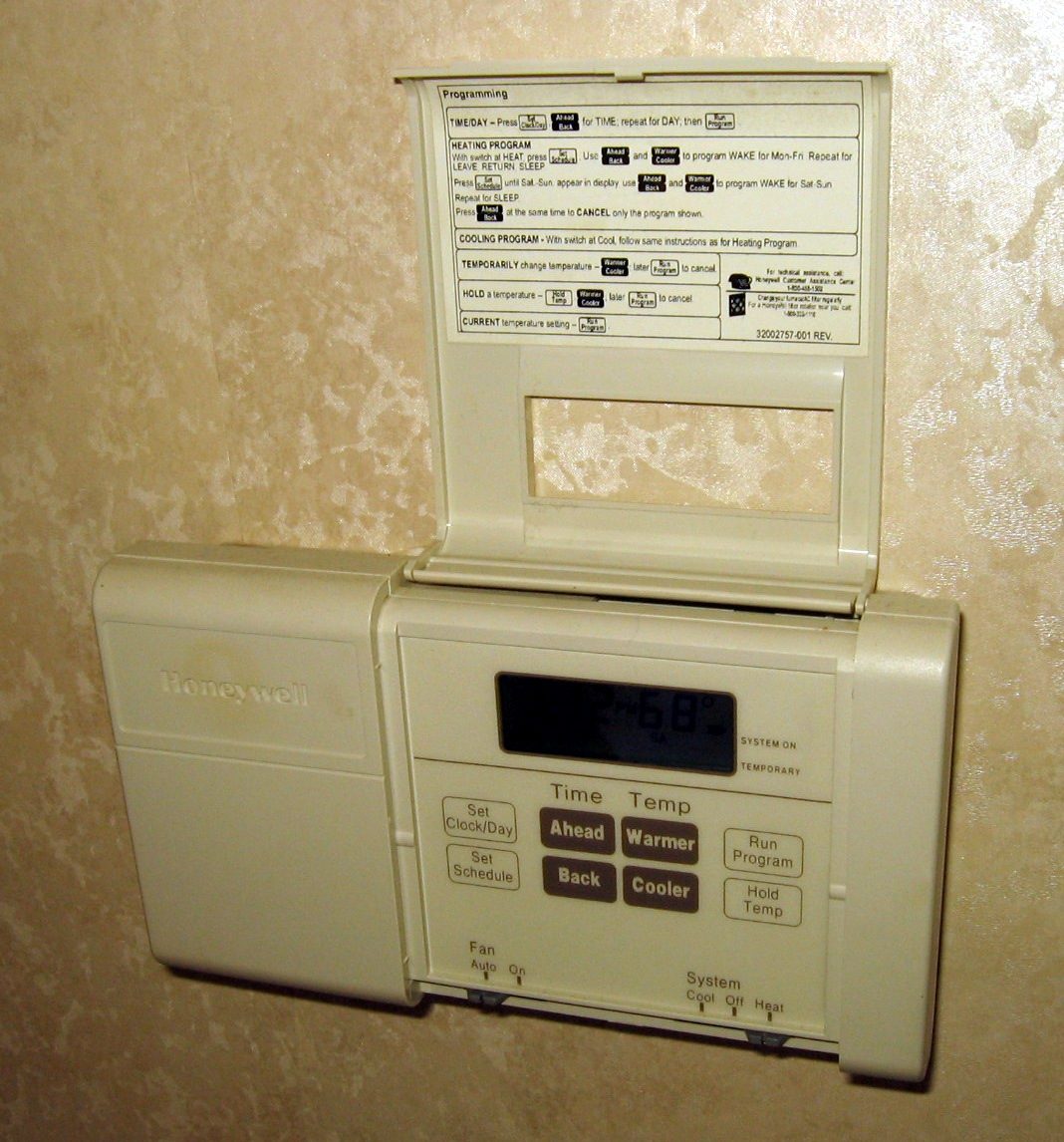
The thermostat is the control center for your system, and small changes in how you use it can make a noticeable difference. A steady setting usually works better than large swings. Setting the heat very high on a cold morning and then turning it down sharply does not warm the house faster. It makes the system run hard and can waste energy. The same is true in summer. Setting the air conditioner very low does not cool the house faster, and it can cause the coil to freeze or the system to run without removing humidity well.
A programmable thermostat can help by lowering the heat slightly at night or when you are away, and raising it before you wake or return. A smart thermostat can learn your schedule and adjust automatically, but only if it is installed correctly and set up for your system type. Ask a contractor to show you how to use the thermostat and to explain settings that matter, such as fan mode, heating and cooling setpoints, and any backup heat setting for a heat pump.
Thermostat location matters as well. A thermostat in direct sunlight, near a drafty door, above a heat source, or in a hallway that is warmer or cooler than the rest of the house will misread the temperature. If your thermostat is in a poor spot, ask a contractor whether moving it or adding a remote sensor would help. That small change can improve comfort in every room.
Filters, Airflow, and Ducts
Airflow is the link between energy use and comfort. When airflow is good, heated or cooled air reaches each room efficiently. When airflow is poor, the system runs longer and still leaves rooms uncomfortable. The filter is the most common cause of poor airflow. A dirty filter blocks air, strains the blower, and can cause a furnace to overheat or an air conditioner coil to freeze.
Change or clean the filter on the schedule your system needs, often every one to three months during heavy use. Check it monthly at first until you learn how quickly it gets dirty in your house. Use the filter type recommended for your system. A filter that is too restrictive for your system can reduce airflow just as a dirty filter does. Ask a contractor which filter type is right for your equipment.
Ducts deserve attention too. Leaky joints, disconnected sections, crushed runs, and thin insulation waste energy and create uneven temperatures. A contractor can inspect accessible ducts and suggest sealing and insulation where it will help most. Keep supply vents and return grilles open and unblocked by furniture, rugs, or curtains. Closing vents in unused rooms may seem like a way to save energy, but it can raise pressure in the ducts and reduce overall efficiency.
Insulation and Air Leaks: The House Around the System
Even a good system will waste energy if the house loses heat quickly in winter or gains heat quickly in summer. Air leaks around windows, doors, attic hatches, and pipes let conditioned air out and outside air in. Thin or settled attic insulation lets heat escape through the roof in winter and lets summer heat in from above. Sealing obvious gaps, adding weatherstripping, and making sure attic insulation covers the floor evenly can help the system run less.
You do not need to fix everything at once. Start with the most obvious leaks and the attic, where heat loss is often largest. A contractor is not an insulation specialist, but a good technician will notice signs that the house is working against the system, such as a furnace that runs constantly on a cold day or an air conditioner that cannot keep up on a humid afternoon. Ask whether airflow, ducts, or the building itself may be part of the cause before you assume the equipment is at fault.
Window coverings help as well. Closing curtains on a hot summer afternoon can reduce heat gain, and opening them on a sunny winter day can let warmth in. Those small habits do not replace a well-maintained system, but they reduce the load the system has to handle.
Seasonal Habits That Save Energy in Benton
A few habits, repeated each season, keep energy use down. In fall, test the heat before the first cold snap. Change the filter, check that vents are open, and have a technician check the furnace, including the burner, safety controls, and heat exchanger. In spring, test the cooling before hot weather. Change the filter, clear leaves and debris from around the outdoor unit, and have a technician check the air conditioner, including coils, drains, refrigerant, and airflow.
In winter, keep the thermostat at a steady, comfortable setting and lower it slightly at night or when you are away if that suits your household. Keep interior doors open to let warm air circulate, and make sure radiators or vents are not blocked. In summer, keep the thermostat at a steady, moderate setting, use fans to move air, and keep blinds closed during the hottest part of the day. Avoid large temperature swings, which force the system to work hard to catch up.
Keep a simple record of filter changes, service visits, and energy bills. Over time, that record shows whether a repair or maintenance visit improved efficiency, whether energy use is climbing, and whether an older system is costing more to run than it should. That information helps you decide when replacement makes sense.
When Replacement Is the Energy-Smart Choice
Repair is usually the right choice for a younger system with a single failed part. Replacement makes more sense when the system is old, when repairs have become frequent, when a major part has failed, or when the system can no longer heat or cool the house efficiently. A new system with a higher efficiency rating can use less energy, but only if it is sized correctly and installed well.
Ask a contractor to explain the efficiency rating of any new equipment in plain terms, and to explain how sizing was done for your house. A system that is too large will cycle on and off too often, waste energy, and do a poor job of removing humidity in summer. A system that is too small will run constantly and still leave you uncomfortable. Ask whether ductwork changes, thermostat upgrades, or sealing work are included in the proposal, because those changes often matter as much as the equipment itself.
Get more than one written quote for a replacement, and compare the scope of work, not just the total price. Check the equipment model, efficiency rating, warranty terms, permit costs, and removal of the old unit. Ask who will test the system after installation and what happens if comfort or energy use does not improve. A contractor who plans to test the work and return if needed is offering real value.
Working With a Contractor on Energy
When you call a contractor about high energy use, describe what you have noticed: the bill pattern, the system age and type, uneven temperatures, short cycling, or new noises. Ask the technician to check the filter, airflow, ducts, thermostat, and the main unit, and to explain what was found in plain language. Ask for a written summary of the visit and any recommendations, with costs for each option.
Useful questions include:
- What is causing my system to use more energy than it should?
- Is my system the right size for this house?
- Are my ducts leaking, and would sealing help?
- Is my thermostat in a good location?
- What filter should I use, and how often should I change it?
- Would a repair, maintenance, or replacement save the most energy over time?
- What maintenance should I do between visits to keep energy use down?
A good contractor will answer those questions clearly and will not push you toward a replacement without explaining why repair or maintenance is not enough. Energy savings come from a system that is sized right, installed well, and maintained regularly, in a house that does not leak conditioned air. Focus on those basics, and the bills usually follow.
Map of Benton, Pennsylvania
Related Guides