Find A Contractor
Filter nearby cities:
Or search by ZIP code:
Does the air in your Bern home feel stale by evening, even though the furnace or air conditioner is running? Do windows fog up, does a musty smell linger in one room, or does dust seem to settle faster than you can clean it? Those are not just housekeeping problems. They are signs that the air inside your home is not moving and changing the way it should. Heating and cooling systems do more than control temperature. They move air, filter it, and, when they work well, bring in fresh air without wasting heat or cooling. When that part of the system is neglected, comfort and indoor air both suffer.
This guide looks at HVAC work in Bern through the lens of indoor air: ventilation, filtration, humidity, and the ductless options that help rooms the main system does not reach well. It explains how Pennsylvania homes are heated and cooled, how to improve the air you breathe indoors, and how to work with a contractor to fix airflow and ventilation problems. There is no list of companies here. The focus is on your home, your system, and practical steps you can take.
Ventilation: Why Fresh Air Matters Indoors
A home that is sealed tight for a Pennsylvania winter keeps heat in, but it can also trap stale air, cooking odors, cleaning product fumes, and moisture from showers and cooking. Without enough fresh air, the indoor air can feel stuffy, and moisture can build up on windows and in corners. That moisture can lead to musty smells and, over time, to mold growth in damp places.
Ventilation is the process of bringing fresh air in and moving stale air out, without losing too much heated or cooled air. Bathroom fans that vent outside, a kitchen range hood that vents outside, and a heating and cooling system that circulates air all play a part. A contractor can check whether bathroom fans actually move air outside, whether vents are blocked, and whether the system brings in enough fresh air for the size of the house.
You can help by using bathroom fans during and after showers, using the range hood when cooking, and opening windows briefly on mild days when the weather allows. Do not block vents or returns with furniture or curtains, and keep the area around the furnace and air handler clear so air can move freely. If a room always feels stuffy, note when it happens and tell a technician. The pattern helps narrow down the cause.
Filters and Indoor Air Quality
The filter in your heating and cooling system catches dust, pollen, and other particles as air passes through. A clean filter helps the system run efficiently and keeps the air cleaner. A clogged filter does the opposite: it reduces airflow, strains the blower, and can cause the system to overheat in winter or freeze up in summer. It also lets more dust circulate through the house.
Change or clean the filter on the schedule your system needs, often every one to three months during heavy use. Check it monthly at first until you learn how quickly it gets dirty in your home. Use the filter type recommended for your system. A filter that is too restrictive can reduce airflow just as a dirty filter does, while a filter that is too loose may let dust pass through. Ask a contractor which type is right for your equipment and whether a higher-efficiency filter would help or hurt airflow in your system.
Duct cleaning is sometimes suggested, but it is not needed in every home. If ducts are visibly dirty, if there is a musty smell that does not go away, or if the system has had a moisture problem, a contractor can advise whether duct cleaning or duct sealing would help. Sealing leaky ducts often matters more than cleaning them, because leaks waste conditioned air and can pull dust and humid air into the system from attics or crawl spaces.
Humidity and Comfort Through the Year
Humidity shapes comfort in both seasons. In summer, high humidity makes a house feel clammy even at a comfortable temperature. An air conditioner removes moisture as it cools, but only if airflow, refrigerant, and drain function are all working well. A system that is too large cools quickly and shuts off before it removes much moisture. A clogged filter or a blocked drain can also hurt dehumidification.
In winter, very dry air can make a house feel colder, dry out skin, and cause static. A furnace does not add moisture, and a tightly sealed house can still feel dry in January. Some homeowners use a humidifier with the heating system, but that should be set up and maintained carefully to avoid excess moisture, which can lead to condensation on windows and in walls. Ask a contractor whether humidity control would help your home, and what type of control suits your system.
Watch for signs of a humidity problem: fogged windows, musty smells, damp spots, peeling paint near vents, or a clammy feeling in summer. Note when the problem happens and which rooms are affected. That information helps a technician decide whether the cause is the equipment, the ducts, ventilation, or the house itself.
Ductless Mini-Splits for Hard-to-Reach Rooms
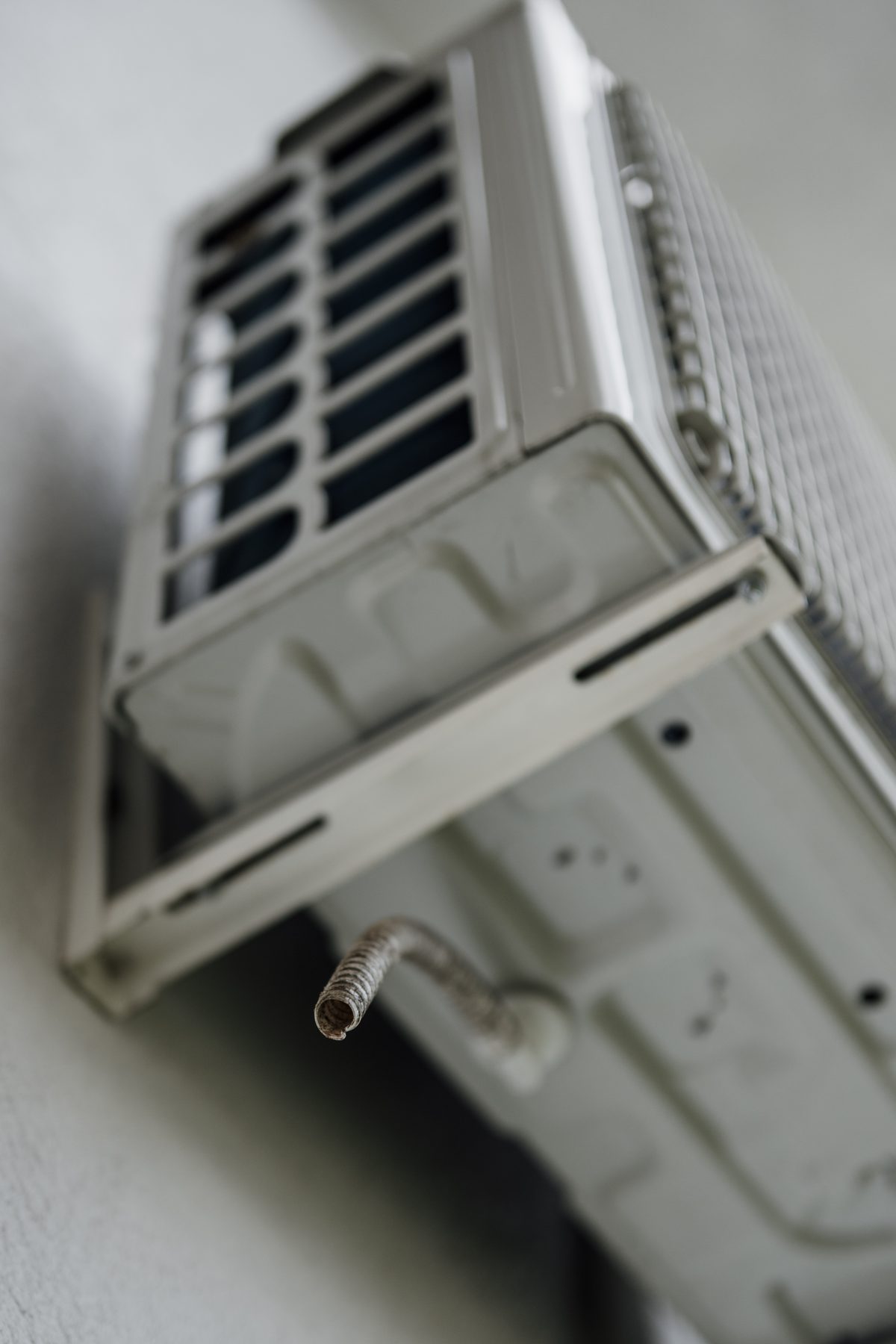
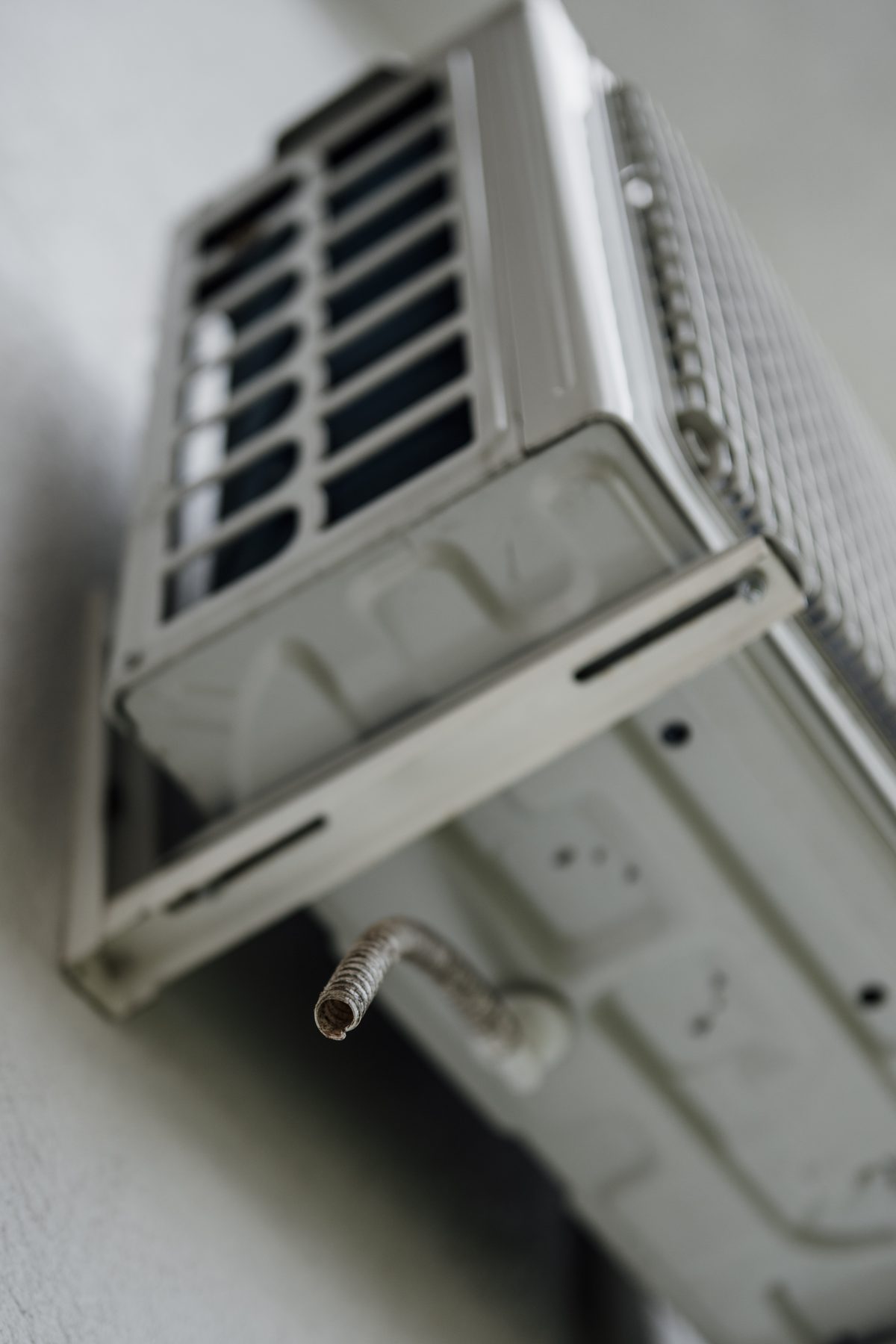
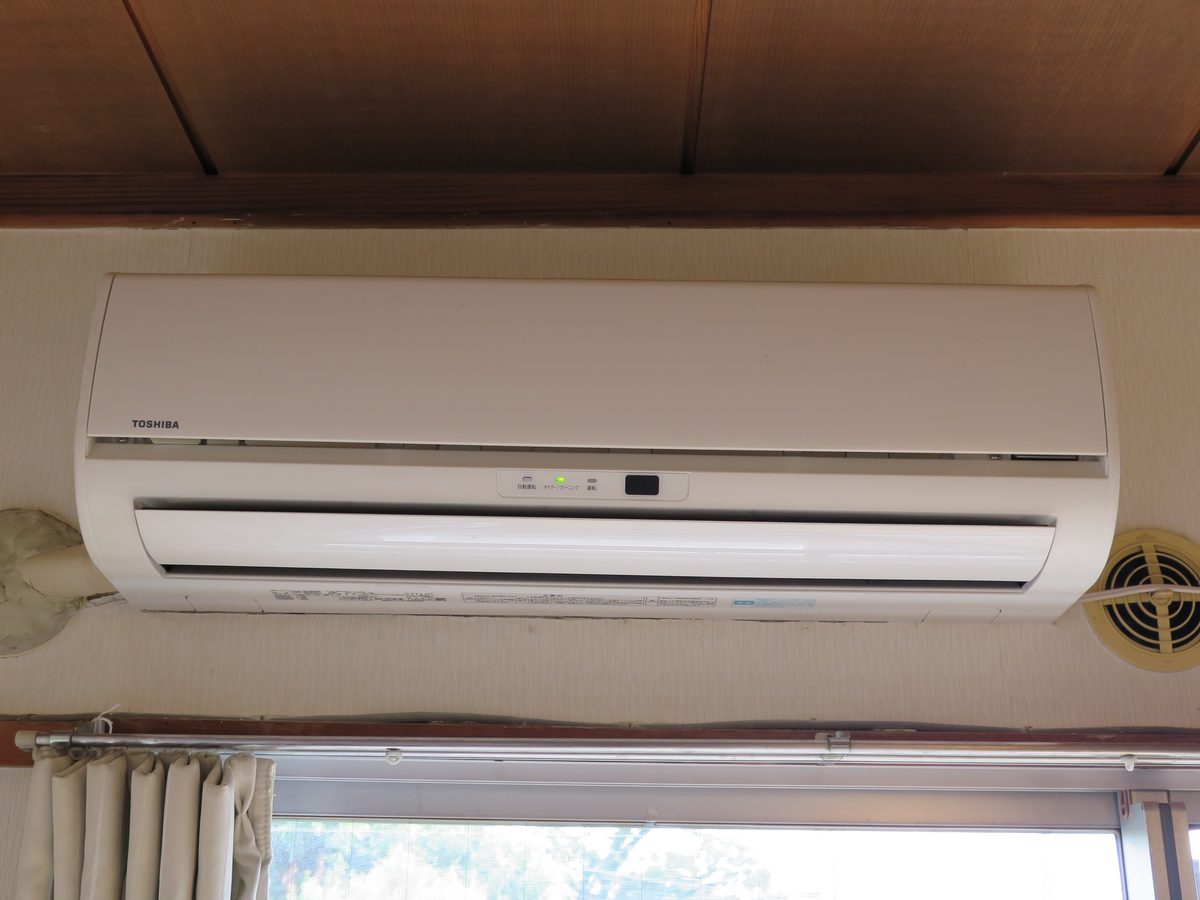
Some rooms in a Pennsylvania home are hard to heat and cool with ducts alone. An addition, a finished attic, a room above a garage, or a space that was never given a duct run may stay too hot in summer and too cold in winter. A ductless mini-split can help in those cases. It uses an outdoor unit connected to one or more indoor units, each controlling a room or zone, without needing ducts.
Mini-splits can both heat and cool, and they allow you to control each zone separately. That can be useful when one room is used as an office during the day and another is a bedroom at night. They also avoid duct losses, because there are no ducts to leak. Like any system, they need to be sized correctly and installed by a contractor who is trained on that type of equipment. An oversized mini-split will cycle too often, and an undersized one will run constantly without keeping the room comfortable.
Ask a contractor whether a mini-split suits your home, how many indoor units you would need, where the outdoor unit would go, and what maintenance the system requires. Filters in indoor units need regular cleaning, and the outdoor unit needs clear space around it. Get the proposal in writing, with the equipment model, warranty terms, and scope of work, and compare it with other options before you decide.
Heating and Cooling Systems in Bern Homes
Most Bern homes use a furnace for winter heat, often paired with central air conditioning for summer cooling. The two share ducts and a blower, and a thermostat controls both. Some homes use a heat pump, which moves heat into the house in winter and out of the house in summer, using one outdoor unit. Heat pumps can work well in Pennsylvania when sized and installed correctly, and they can be paired with a furnace for the coldest days.
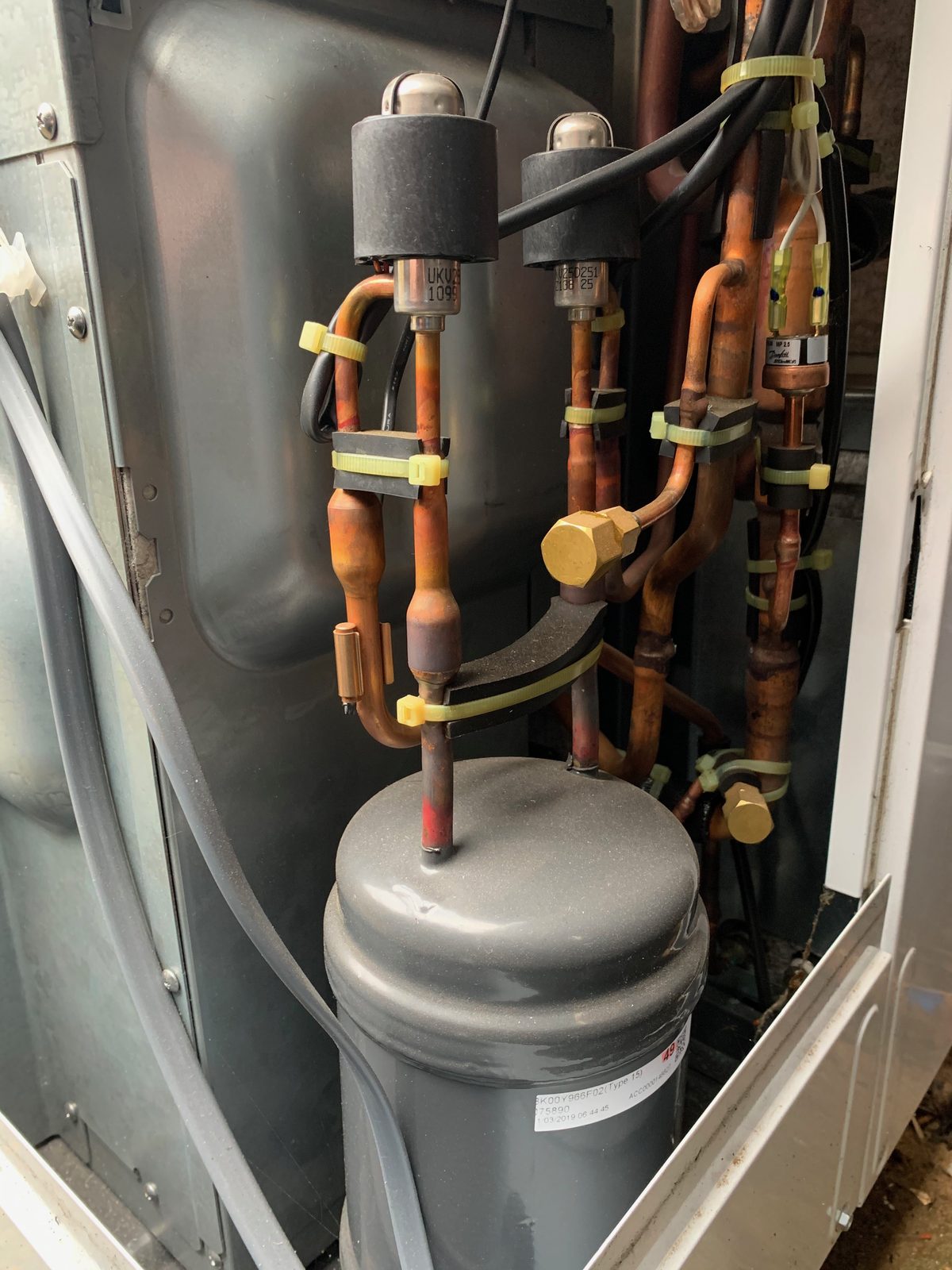
Each system needs regular care. Furnaces need filter changes, burner and safety checks, and inspection of the heat exchanger and flue. Air conditioners need coil cleaning, drain checks, and checks on refrigerant and airflow. Heat pumps need filter care, outdoor coil cleaning, and checks on defrost and backup heat. A contractor who maintains your type of system regularly will catch small problems early, before they become a breakdown or an air quality issue.
Thermostats also affect indoor air. A thermostat in a sunny spot, near a draft, or in a room that is warmer or cooler than the rest of the house can cause the system to run too long or shut off too early. That leads to uneven temperatures and poor air circulation in some rooms. Ask a contractor whether the thermostat location is good, or whether a remote sensor would help.
Working With a Contractor on Air Quality
When you call a contractor about stuffy air, dust, or humidity, describe what you have noticed and when it happens. Note which rooms are affected, whether the problem is worse in summer or winter, and whether you have noticed smells, fogged windows, or water near the indoor unit. The more specific you are, the better the contractor can prepare for the visit.
During the visit, ask the technician to check the filter, airflow, ducts, drain line, coils, and ventilation. Ask for a written summary of what was found and what was recommended, with costs for each option. Useful questions include:
- Is my filter the right type for my system, and how often should I change it?
- Are my ducts leaking, and would sealing help?
- Is my ventilation adequate, and are bathroom and kitchen fans venting outside?
- Is my system the right size for this house?
- Would a mini-split help the rooms that are always uncomfortable?
- Do I need humidity control, and what type suits my system?
- What maintenance should I do between visits to keep the air cleaner?
A good contractor will answer those questions in plain language and will not push a product you do not need. If a contractor recommends a large purchase, ask for the reasoning in writing and get a second quote. Indoor air improvements should be based on what was found in your home, not on a generic sales pitch.
Simple Steps for Cleaner Air Between Visits
You can do a lot for indoor air without special equipment. Change filters on schedule. Keep vents and returns open and clear. Vacuum around vents and returns regularly. Use bathroom fans during and after showers. Use the range hood when cooking. Keep the outdoor unit clear of leaves and debris. Keep the area around the furnace clear and dry.
Schedule professional maintenance twice a year if you can: a cooling check in late spring and a heating check in early fall. Ask the technician to look at the filter, coils, drain, ducts, and safety controls, not just the main unit. Between visits, pay attention to how the air feels in each room, whether smells linger, and whether windows fog up. Small changes are often the earliest sign of a developing problem, and catching them early can mean a simple fix instead of a larger repair.
Finally, make sure carbon monoxide detectors are installed and working, and test them regularly. Heating systems need safety attention, especially older ones. If a detector alarms, get fresh air and call for help. If you smell gas, leave the house and call for emergency help from outside. Clean air and safe heat go together, and both deserve regular attention.
Map of Bern, Pennsylvania
Related Guides