Find A Contractor
Filter nearby cities:
Or search by ZIP code:
Are you buying a home in Berlin, Pennsylvania, and wondering whether the heating and cooling system is a sound investment or a costly surprise waiting for winter? The furnace in the basement and the air conditioner outside rarely get the same attention as the kitchen or the roof, yet they can cost as much to replace as either one. A system that looks fine on a mild spring day can struggle in January or fail in August. Knowing what to check before you buy, what questions to ask the seller and a contractor, and what to plan for after you move in can save you from an unpleasant first season in a new home.
This guide is for home buyers, new owners, and anyone in Berlin who wants to understand the HVAC system in a house they are considering or have just bought. It explains how Pennsylvania systems work, how to read the age and condition of equipment, what a pre-purchase HVAC check should cover, and how to plan for repair or replacement. There is no list of companies here. The focus is on giving you the information to make a clear decision about a house and its heating and cooling.
Why HVAC Matters When You Buy a Home
Heating and cooling systems are among the most expensive parts of a house to replace. A furnace, a heat pump, or a central air conditioner can last many years when maintained well, but each has a limited service life. A system that is near the end of that life may still work, but it is more likely to need repairs, to use more energy, and to fail at an inconvenient time. Knowing the age and condition of the system before you buy helps you plan for that cost, negotiate fairly, and avoid a surprise in your first winter.
Comfort matters too. A system that is too small, too large, or connected to leaky ducts can leave rooms unevenly heated or cooled, no matter how new the equipment is. A house that feels comfortable on a tour may feel very different on a cold night or a humid afternoon. Asking about the system, its history, and its performance in both seasons gives you a fuller picture than a walk-through alone.
Safety is the third reason to pay attention. A furnace with a cracked heat exchanger, a blocked flue, or a faulty gas connection can be dangerous. A home inspection should flag safety concerns, but a dedicated HVAC check can look more closely at the heating system, the venting, and the safety controls. Do not skip that step if the system is old or if the inspection raises any concern.
What to Look For During a Showing
You do not need to be a technician to notice useful clues during a showing. Find the furnace or air handler and look at the label for the brand, model, and serial number. The serial number often includes the manufacture date, and a contractor can help you read it if you are unsure. Note the general condition: rust, soot, water stains, or scorch marks near the furnace are worth asking about. Check that the area around the furnace is clear and dry, and that the filter looks reasonably clean.
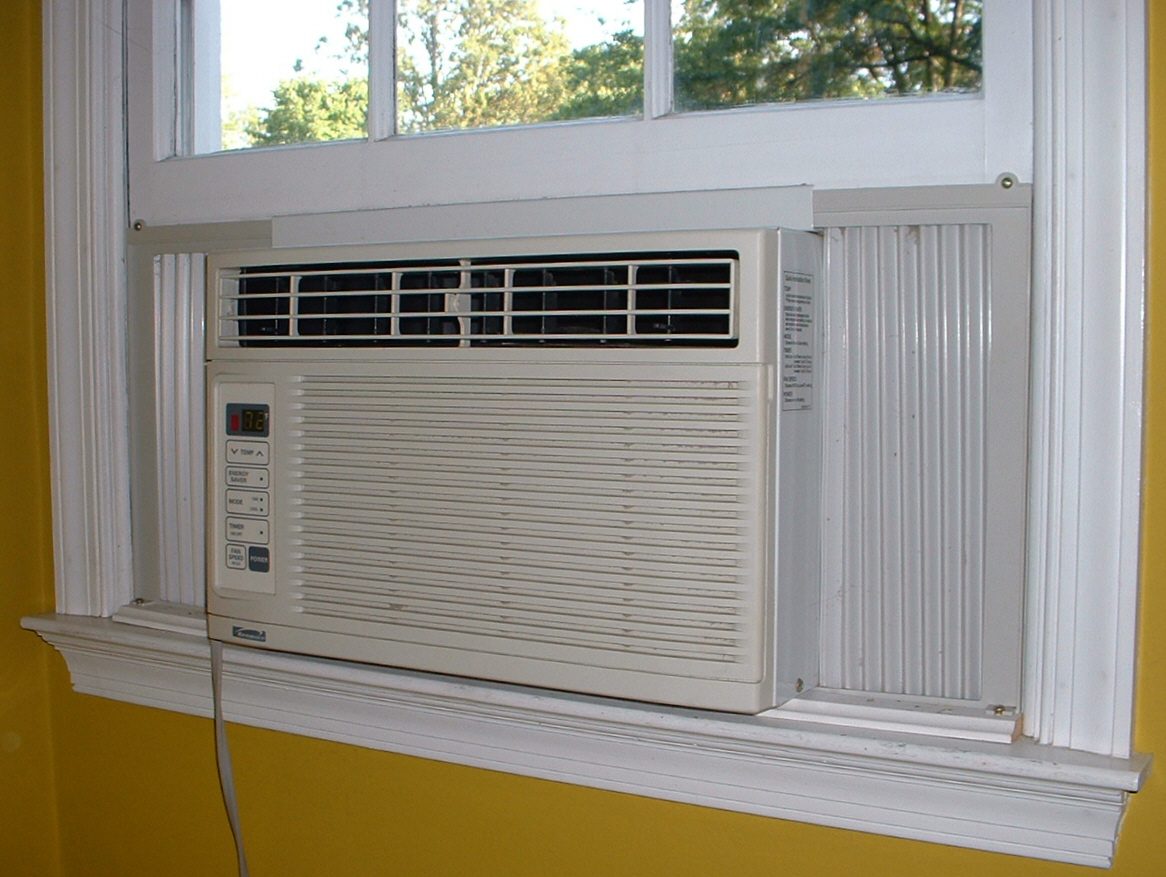
Outside, look at the air conditioner or heat pump unit. Is it level, clear of debris, and free of visible damage? Are the refrigerant lines insulated where they enter the house? Inside, check the thermostat. Is it a modern programmable model, or an older manual one? Does it respond when you adjust it? Walk through the rooms and note whether any vents are blocked, missing, or barely blowing air.
Ask the seller or agent for the service history. When was the system last serviced? Have any major parts been replaced? How old is the furnace, the air conditioner, and the water heater? Has the house had any ductwork changes, additions, or insulation work? A seller who can answer those questions, or provide service records, is giving you useful information. A seller who cannot answer them is not necessarily hiding something, but you will need to rely more on your own inspection.
A Pre-Purchase HVAC Check: What It Should Cover
A general home inspection covers many things, but a dedicated HVAC visit can go deeper. If the system is old, if the inspection notes a concern, or if you simply want a clearer picture, consider hiring a contractor to inspect the heating and cooling system before you close. Ask the contractor to check the furnace or heat pump, the air conditioner, the thermostat, the ducts that are accessible, the filter, the drain line, and the safety controls.
Ask the contractor to test the system in both modes if the weather allows. Run the heat and check that warm air reaches every room and that the system does not make unusual noises or smells. Run the cooling and check that air from the vents feels cool and that the system removes humidity. If the weather is too cold to test cooling safely, or too warm to test heating, ask the contractor to explain what could not be tested and what that means for your decision.
Ask for a written summary of the visit, including the age and condition of each major part, any safety concerns, any repairs that are needed soon, and an estimate of how much service life the system may have left. That summary helps you negotiate, plan for future costs, and decide whether to ask the seller to repair something before closing or to adjust the price.
Reading the Age and Condition of a System
Age alone does not tell you everything, but it is a useful starting point. A furnace or air conditioner that is well maintained can last longer than one that was neglected. A system that has had regular service, clean filters, and prompt repairs is in better shape than one of the same age that was ignored. Ask for service records and look for signs of regular care.
Watch for signs of trouble: frequent repairs in recent years, a system that short cycles, uneven temperatures, new noises, a sudden rise in energy use, or a thermostat that does not hold a steady temperature. Any of those can point to a system that is wearing out or that was not sized or installed correctly. A contractor can help you interpret those signs and estimate the cost of the most likely repairs.
If the system is old and replacement is likely within a few years, plan for it. Get a sense of what a replacement would involve for that house: the type of system, the size needed, ductwork changes, and permit requirements. You do not need a firm quote before you buy, but you do need a realistic sense of the cost so you can budget for it.
After You Move In: First Steps for a New Owner
Once you own the house, take a few simple steps to get to know the system. Change the filter right away if you do not know when it was last changed. Learn where the furnace switch, breaker, and fuel shutoff are, and label them if they are not labeled. Learn how to use the thermostat, and test both heating and cooling before the season changes. Make sure carbon monoxide detectors are installed and working, and test them.
Schedule a maintenance visit in the first months after moving in, even if the system seems fine. A technician can check the furnace in the fall or the air conditioner in the spring, clean parts that need cleaning, check safety controls, and explain what maintenance the system needs. That visit also gives you a chance to ask questions about the system and to build a relationship with a contractor you can call later.
Keep a folder for the house, with the system brand, model, and serial numbers, service records, warranty papers, and the inspection summary. Note the date of each service visit, what was done, and what the technician advised. That record helps you track the system over time and helps any future technician understand its history quickly.
Choosing a Contractor as a New Homeowner
As a new homeowner in Berlin, you may not have a contractor yet. Start by asking neighbors who they use and whether the work held up through a winter. Look for a contractor who is licensed and insured, who gives written estimates, who explains work in plain language, and who serves the area regularly. Ask whether the business offers maintenance visits, emergency service, and a clear warranty on parts and labor.
When you call, describe the system and any concerns clearly. Note the type of equipment, its age if you know it, and the symptoms you have noticed. During a visit, ask the technician to show you what was found and to explain your options. Useful questions include:
- How old is this system, and how much service life might it have left?
- Are there any safety concerns I should know about?
- Is the system the right size for this house?
- Are the ducts in good shape, or are they leaking?
- What filter should I use, and how often should I change it?
- What maintenance should I schedule, and when?
- If I need to replace the system, what should I plan for?
A contractor who answers those questions clearly, in writing where it matters, is a good partner for a new homeowner. Avoid anyone who pressures you to replace a working system immediately, who will not give a written estimate, or who cannot explain a diagnosis.
Planning for Replacement Without Panic
If the system in your new home is old, you do not need to replace it the day you move in, unless safety requires it. You can plan. Get a written proposal when you have time, compare quotes from more than one contractor, and schedule the work in a milder season if the system still works. A planned replacement lets you compare equipment, warranties, and scope of work without the pressure of a breakdown.
When you compare quotes, make sure each one covers the same work: equipment model, size, efficiency rating, ductwork changes, thermostat, permit costs, removal of the old unit, and warranty terms. Ask how the contractor sized the new system and whether airflow will be tested after installation. A system that is too large will cycle too often and do a poor job of removing humidity. One that is too small will run constantly and still leave rooms uncomfortable.
Buying a home is a large decision, and the heating and cooling system is a large part of it. A careful check before you buy, a maintenance visit after you move in, and a contractor you trust give you comfort in both seasons and a clear plan for the years ahead.
Map of Berlin, Pennsylvania
Related Guides