How do you pick a portable air conditioner that actually cools your room, instead of one that runs all day and leaves you sweating? The answer starts with capacity, and it ends with the window. A portable unit is only as good as its size match and its venting, and a 14,000 BTU portable air conditioner sits at the larger end of what portable machines offer. This guide explains how to size one, how the venting works, and what else to check so the unit you bring home does the job you bought it for.
A portable air conditioner is a cooling machine that stands on the floor and rolls on casters. It draws warm air from the room, passes it over a cold coil, and blows the cooled air back out. The heat it removes has to go somewhere, so a flexible hose carries it to a window, where a panel kit seals the opening. Everything is contained in one box: compressor, fan, coils, and controls. That self-contained design is the whole point. There is no outdoor unit to mount, no refrigerant line to run, and no permanent change to the house.
What 14,000 BTU means in a real room
BTU stands for British thermal unit, a unit of heat energy. The cooling capacity of an air conditioner, stated in BTU, tells you how much heat it can remove in an hour. A 14,000 BTU portable unit is a large portable machine, meant for a big bedroom, a living room, a studio, or an open-plan space that a smaller unit would struggle with.
Capacity is not just about floor area. Two rooms with the same square footage can need very different amounts of cooling. A room with tall ceilings holds more air to cool. A room with big windows facing the afternoon sun gains heat all day. A kitchen gives off heat from cooking, and a room full of people and running electronics adds heat too. Insulation matters as well: a well-insulated room holds its cool air, while a drafty room leaks it away as fast as the unit makes it. When you size a unit, think about all of these, not just the length and width of the floor.
It is tempting to buy the biggest unit you can afford and be done with it, but oversizing has its own costs. A unit that is far too large for the room will cool the air quickly, shut off, and start again a few minutes later. That short cycling is noisy, wears the compressor, and does a poor job of removing humidity, because the coils never run long enough to wring much moisture from the air. The room ends up cool but clammy. A unit matched to the room runs in longer, steadier cycles, cools evenly, and dries the air as it goes.
How portable units are rated
Portable air conditioners are sold with a BTU rating, but you may see more than one number on the box or the listing. Some regions and some makers state a rated capacity measured under laboratory conditions, and others state an adjusted capacity that accounts for the heat the unit itself adds back into the room through the hose and the cabinet. The adjusted figure is usually lower, and it is the more honest guide to what the unit will do in your room.
When you compare two portable units, compare like with like. If one maker states the laboratory figure and the other states the adjusted figure, the numbers will not line up. Look for the capacity measured under the same standard, and if the listing is unclear, ask the seller which figure it is. A 14,000 BTU rating on one box may not mean the same thing as a 14,000 BTU rating on another if the two were measured differently.
Also check whether the rating covers cooling only. Some portable units also heat, dehumidify, or run as a fan. The BTU figure on the listing is usually the cooling capacity. If the unit heats as well, the heating capacity may be a different number, listed separately. Do not assume the two are the same.
Venting: the part that decides whether it works
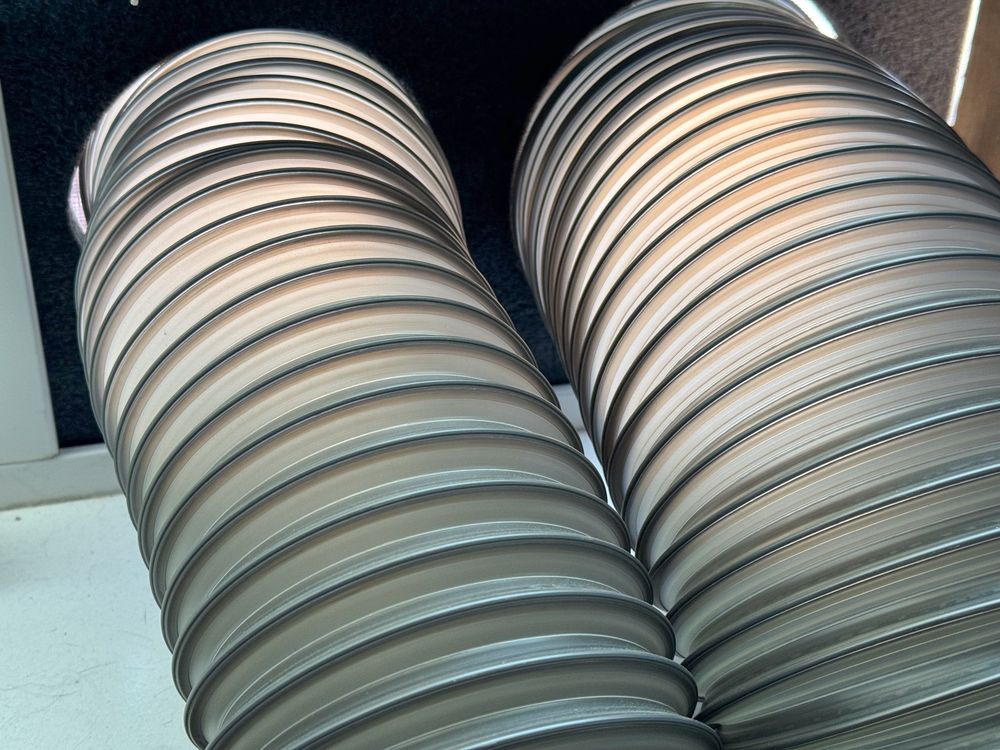
The exhaust hose is the most important part of a portable air conditioner, and the most often neglected. In cooling mode, the unit takes heat out of the room air and must send it outside. If the hose is long, kinked, or poorly sealed at the window, a good share of that heat leaks back into the room, and the unit works harder for less result.
Keep the hose short and straight. Run it from the back of the unit to the nearest suitable window, with gentle curves rather than sharp bends. Do not stretch the hose across the room to a far window when a nearer one will do. Check that the hose fits tightly where it connects to the unit and to the window panel, and that the window panel fills the opening with no gaps. Foam strips or tape can seal small gaps around the panel, and a well-sealed panel is worth the few minutes it takes to fit it properly.
Some portable units have one hose, and some have two. A single-hose unit draws its cooling air from the room, which means it pulls a slight vacuum and draws warm air in from the rest of the house through gaps under doors and around windows. A dual-hose unit draws its cooling air from outside through one hose and sends the hot air out through the other, which avoids that problem and cools more efficiently. If you are choosing between the two, a dual-hose design generally performs better in a hot room, though it costs more and the window kit is more complex. Read the listing to see which type a given model is.
Windows and window kits
The window kit is a flat panel, usually adjustable in length, that sits in the window opening and holds the end of the hose. It works well with a standard double-hung window that slides up and down, where the panel can sit in the open sash. Sliding windows and casement windows need a different kit or an adapter, and some kits do not fit them at all.
Before you buy, measure your window and check the kit against it. Measure the width of the opening the panel must fill, and note the window type. If the kit is too short, it will leave a gap; if it is too long, it will not fit. A kit that fits badly is not a minor flaw. Every gap around the panel is a gap where hot air comes back in and cool air escapes, and a unit fighting a leaky window will never cool the room properly.
If the window is far from where you want the unit to sit, think about the hose run before you commit. The unit needs to be close enough to the window that the hose stays short and straight. Rearranging the furniture to put the unit near the window is a better plan than running a long hose across the room.
Condensate and drainage
Cooling air removes moisture from it, and that water has to go somewhere. Many portable units evaporate most of the condensate out through the exhaust hose, and collect the rest in an internal tank. In a humid climate, the tank can fill up, and the unit will stop and signal that it needs emptying. Check whether the model you are considering has a drain hose connection. A drain hose that runs to a sink or a floor drain turns a daily chore into a one-time setup.
Keep the unit level so the tank and the drain work as designed. A tilted unit can leak onto the floor or shut off before the tank is full. During the first week, check the tank often until you know how fast it fills in your weather. A unit that fills its tank overnight will need a drain hose if you want it to run while you sleep.
Noise, power, and running costs
A portable air conditioner is louder than a split system, because the compressor sits in the room with you. The fan and the compressor hum and cycle while the unit works, and the sound level changes with the fan speed. If the unit will run in a bedroom, a quiet mode or a low fan setting helps, but no portable unit is silent. Think about where you will sit or sleep relative to the unit, and whether the noise will bother you.
On power, a 14,000 BTU unit is a large portable machine and draws a serious load when the compressor starts. It needs a grounded outlet, and it should not share a circuit with other heavy appliances. If the room has old wiring or the breaker trips when the unit starts, ask an electrician to check the circuit before you keep running it. Do not use a long extension cord, and never run the cord under a rug.
Running costs depend on how much the unit runs, which depends on the size of the room, the heat load, and the temperature you set. A unit that is well matched to the room and properly vented will run less than an undersized unit fighting a leaky window. Setting the thermostat a few degrees higher than the coldest you can stand, and using the fan to move air around the room, keeps the running cost down without giving up much comfort.
Maintenance and storage
Clean the filter often. The air filter sits over the intake and catches dust before it reaches the coils. In a dusty room, check it every couple of weeks. Most portable filters slide out and rinse under a tap. Let the filter dry completely before putting it back, since a damp filter can grow mold inside the machine.
At the end of the cooling season, drain the tank, clean the filter, and run the unit in fan-only mode for a while so the inside dries out. Store it upright in a dry place, with the hose detached and coiled loosely. Storing a unit on its side can let oil move inside the compressor, so keep it upright in storage and in transport when you can. Check the hose for cracks and kinks before the next season, and replace it if it is damaged.
Questions to ask before you buy
Ask the seller which capacity figure the BTU rating uses, so you can compare models fairly. Ask whether the unit has one hose or two, and whether the window kit fits your window type. Ask how the condensate is handled, and whether a drain hose connection is included. Ask about the noise level at the fan speed you will actually use, and about the electrical requirements for your circuit.
Then measure your room and your window, and be honest about the sun, the ceiling height, and the insulation. A 14,000 BTU portable air conditioner is a strong machine, but it is not magic. Sized to the room, vented through a well-sealed window kit with a short, straight hose, and kept clean, it can cool a large space that has no other cooling. Sized wrong or vented badly, it will run all day and leave you wondering why the room is still warm. The difference is in the setup, and the setup is in your hands.