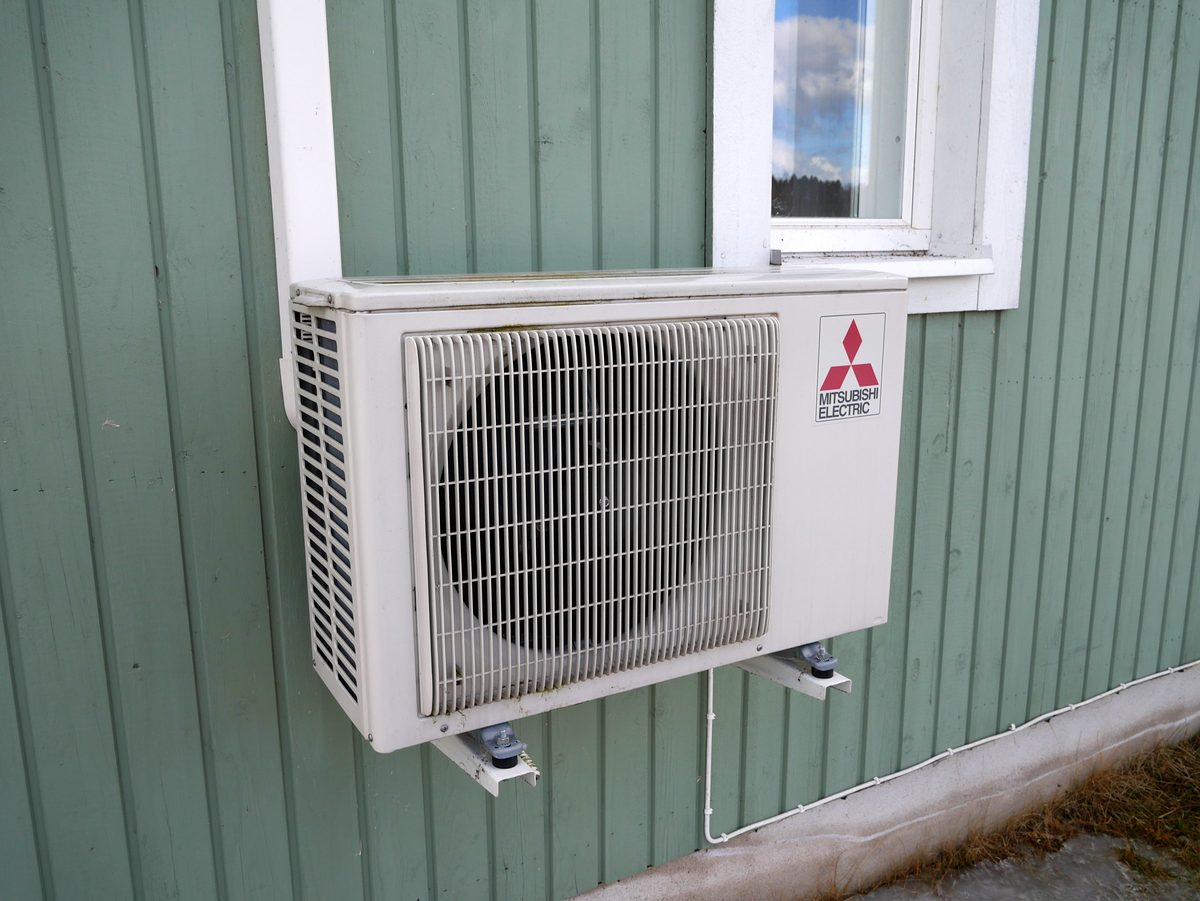
How does one machine cool every room in a house? That is the job of a central air conditioner, and if your home has ducts and a single thermostat, it is probably the system you already live with. A central air conditioner moves heat out of the house through a loop of refrigerant, a coil, and a blower, then sends cool air through ducts to each room. This guide explains how the system works, how to size it, what to compare when you shop, and how to look after it once it is installed.
How a Central Air Conditioner Works
A central system has two main parts: an indoor unit and an outdoor unit. The indoor unit holds the evaporator coil and the blower. Warm air from the house passes over the cold coil, the refrigerant inside the coil absorbs the heat, and the blower pushes the cooled air back through the ducts. The refrigerant then travels outside to the condenser, where a fan blows the heat away and the refrigerant cools down so the cycle can start again.
The thermostat is the brain of the operation. When the room warms past your set temperature, the thermostat calls for cooling, and the outdoor unit and blower start. When the room cools to the set point, they stop. A system that starts and stops in short bursts is called short cycling, and it usually means the system is too large for the house or something is wrong with the controls. Short cycling wastes energy and leaves humidity behind, so it is worth fixing rather than ignoring.
Cooling is only half the story. A central air conditioner also removes moisture from the air as warm air passes over the cold coil. That is why a house with working central air feels comfortable even on a sticky day. If the air feels clammy while the temperature looks right, the system may be oversized, the airflow may be off, or the drain may be blocked.
What Size Do You Need
Size is the single most important choice, and it is measured in cooling capacity. A system that is too small will run all day and never catch up on the hottest afternoons. A system that is too large will cool the air fast, shut off, and leave the house humid. Neither mistake is cheap to fix after the equipment is in place.
As a rough guide, many contractors start with a general rule of thumb that links cooling capacity to floor area, then adjust for the real house. Ceiling height, insulation, window size and direction, shade, and the local climate all shift the answer. A house with big west-facing windows needs more cooling than the same floor plan with small shaded windows. A proper sizing calculation, often called a load calculation, measures these factors room by room and is the right way to size a system. Ask any contractor bidding on your job whether they will do one.
Do not size a new system by copying the old one. The old unit may have been the wrong size from the start, and the house may have changed since it was installed, with new insulation, new windows, or an addition. A fresh calculation protects you from repeating an old mistake.
Single-Stage, Two-Stage, and Variable-Speed Systems
Central air conditioners come in three broad types. A single-stage system runs at one speed: full on or full off. It is the simplest design and the lowest cost up front, and it cools well when it is sized right. A two-stage system can run at a lower speed on mild days and a higher speed when it is hot, which gives steadier temperatures and better humidity control. A variable-speed system adjusts in small steps across a wide range, running long and quiet at low speed, which usually gives the most even comfort.
More stages generally mean better comfort and quieter operation, but they also mean more complex controls and a higher price. The right choice depends on your climate and your budget. In a hot, humid climate, the extra humidity control of a two-stage or variable-speed system is worth more than in a mild, dry one. Talk through the trade-off with your contractor rather than buying on features alone.
Efficiency Ratings Explained
Efficiency ratings let you compare systems on a level field. The main cooling rating measures how much cooling a system delivers for each unit of electricity it uses over a season. A higher rating means the system uses less electricity to deliver the same cooling. Ratings are set by standard test procedures, so two systems with the same rating should perform in a similar way under test conditions.
A higher rating usually costs more up front and saves more on running costs. Whether the extra cost pays off depends on how much you run the system and what electricity costs where you live. A home in a hot climate that runs cooling for many months a year will recover the extra cost faster than a home that runs it for a few weeks. Ask the contractor to estimate yearly running costs for each option so you can compare the full picture, not just the price on the quote.
The Duct System Matters as Much as the Unit
A central air conditioner is only as good as its ducts. Leaky ducts in a hot attic can lose a large share of the cooled air before it reaches a room. Crushed, sagging, or poorly connected ducts cut airflow and make some rooms hot while others are cold. Before you replace the outdoor unit, ask the contractor to check the ducts for leaks, damage, and insulation.
Sealing duct joints with mastic and insulating ducts that run through unconditioned spaces are among the cheapest comfort upgrades available. Balancing dampers can also help: a contractor can adjust them so each room gets the airflow it needs. If one room is always warm, the fix is often in the ducts, not in a bigger air conditioner.
Installation: What Good Work Looks Like
Installation quality decides how well a central system performs and how long it lasts. Good work starts with a load calculation and a look at the ducts. The outdoor unit needs clear space around it for airflow, a level pad, and a location where its sound will not bother bedrooms. The refrigerant lines should be insulated, the drain should slope to a proper outlet, and the electrical disconnect should be within reach.
After the install, the technician should test the system: measure airflow, check the refrigerant charge, and confirm the temperature drop across the coil. Ask for these readings and keep them with the manual. They are the baseline you can compare against later if the system starts to struggle. A contractor who will not share test readings is a warning sign.
Maintenance That Keeps It Running
Regular care is simple and it pays. Change the filter on schedule, and check it monthly during heavy use. Keep plants, leaves, and clutter at least a couple of feet away from the outdoor unit, and hose the coil fins gently from the inside out if they collect dirt. Keep the condensate drain clear so water does not back up into the house.
Book a professional service visit once a year, ideally before the cooling season starts. A technician will clean the coils, check the refrigerant charge, test the controls, and spot worn parts before they fail on the hottest day of the year. Between visits, listen for new noises and watch for ice on the lines, water near the indoor unit, or a sudden rise in the electricity bill. Any of these is a reason to call before a small problem becomes a big one.
What to Ask Before You Buy
Get more than one quote, and make sure each quote covers the same work: the equipment, the duct changes, the thermostat, the drain, the electrical work, and the removal of the old unit. Ask about the warranty on parts and on labor, and who handles warranty calls. Ask how the contractor sized the system and whether they checked the ducts. A low quote that skips the duct work and the load calculation is not a bargain.
Ask about the noise level of the outdoor unit and where it will sit. Ask what happens if the system does not cool evenly after install, and whether the contractor will come back to balance it. The answers tell you as much about the contractor as the price does. A central air conditioner should last many years, so the company behind it matters as much as the box itself.