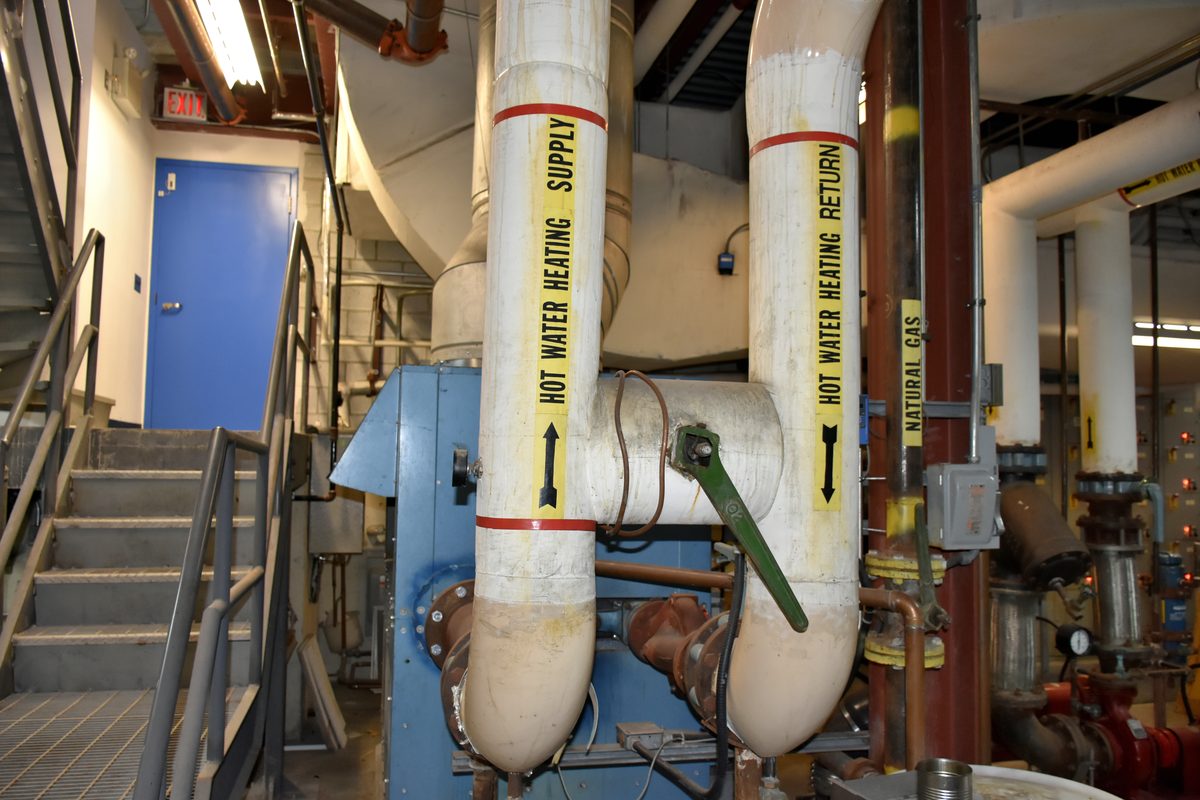
What warms a home with water instead of air? That is the job of hot water heating products, and they have warmed homes for more than a century. A boiler or water heater warms water, pipes carry it to radiators or radiant floors, and the heat spreads gently through each room. If your home has radiators, baseboards, or warm floors, you already live with this kind of heat. This guide explains the main products, how they work together, and how to choose and care for them.
Boilers: The Heart of the System
A boiler is a heater that warms water for the whole heating system. It burns gas or oil, or uses electricity, to heat water in a tank or a coil, and a pump circulates the hot water through pipes to the rooms. The water gives up its heat at each radiator or radiant loop, cools slightly, and returns to the boiler to be heated again. The cycle repeats all winter, quietly and steadily.
Boilers come in two broad types. A standard boiler keeps a tank of hot water ready and fires up when the thermostat calls for heat. A condensing boiler captures extra heat from its own exhaust, which makes it more efficient, and it runs well with lower water temperatures such as those used by radiant floors. A condensing boiler needs a drain for the water it condenses and a vent that can handle its cooler exhaust, so the installation is different from a standard boiler swap.
Boiler size is set by a heat load calculation for the house, not by the size of the old boiler. A boiler that is too large will fire in short bursts, which wastes fuel and wears parts. A boiler that is too small will run all day and never warm the house on the coldest nights. Ask the contractor how the new boiler was sized and whether the radiators and pipes were checked as part of the job.
Water Heaters and Combination Units
A water heater warms water for taps, showers, and laundry. In a home with hot water heating, the water heater and the heating system are often separate, but combination units can do both jobs. A combi boiler heats water for the radiators and, on demand, for the taps as well, which saves the space and cost of a separate tank. A tankless water heater warms water only when a tap opens, so there is no tank of hot water waiting and no standby loss.
Tank water heaters store a set volume of hot water and reheat it as it is used. They are simple and well understood, but a household that uses a lot of hot water at once can run the tank down. Tankless units heat water as it flows, so they do not run out, but they have a limit on how much hot water they can deliver at one time. A home with several showers running at once needs a unit sized for that peak demand, and in cold regions the incoming water is colder, so the unit must work harder.
When you compare water heating products, look at the recovery rate of a tank unit or the flow rate of a tankless unit, and match it to how your household uses hot water. Check the fuel type, the venting, and the space the unit needs. A unit that fits the house and the household is the one that will still feel right on a cold morning with everyone showering at once.
Radiators, Baseboards, and Radiant Floors
Radiators and baseboards are the room-side end of a hot water system. A radiator is a panel or a set of columns that gives off heat to the room as hot water flows through it. A baseboard unit runs along the bottom of the wall and warms the air as it rises past it. Both are simple, with no fan and no filter, and both warm a room gently and evenly.
Radiant floors take the idea further by running warm water through pipes under the floor. The whole floor becomes a low, even heat source, which feels comfortable underfoot and avoids the hot and cold spots of other systems. Radiant floors run well with lower water temperatures, which suits a condensing boiler or a heat pump. They are easiest to install during construction or a major renovation, since the pipes go under the finished floor.
Each room needs the right amount of radiator or floor area for its heat loss. A room with big windows or poor insulation needs more heating surface than a small interior room. Bleed the air from radiators when they heat unevenly, since trapped air blocks hot water from filling the panel. Keep furniture and curtains clear of radiators and baseboards so heat can reach the room.
Pipes, Pumps, and Controls
Pipes carry hot water from the boiler to the rooms and back. Copper, PEX, and steel are all used, and the choice depends on the system, the water quality, and local code. Insulate pipes that run through cold spaces so heat arrives in the rooms instead of warming the basement or the crawl space. A pump circulates the water, and many modern systems use a variable-speed pump that adjusts to demand rather than running at one speed all the time.
Controls decide when heat goes where. A thermostat calls for heat, a zone valve or a separate pump opens the path to that zone, and the boiler fires. Zoning lets different parts of the house hold different temperatures, which saves fuel in rooms that are used less. Outdoor reset controls adjust the water temperature to the weather, sending cooler water on mild days and hotter water on cold days, which improves comfort and saves fuel.
An expansion tank absorbs the change in water volume as the system heats and cools. If the tank fails, pressure in the system swings and the relief valve may drip. A pressure gauge on the boiler tells you the system pressure at a glance, and a reading that climbs or falls steadily is a sign to call a technician.
Safety and Water Quality
Hot water systems run under pressure and at temperatures that can scald, so safety parts matter. A pressure relief valve protects the boiler if pressure rises too high, and it should be tested and replaced as the maker directs. A backflow preventer keeps heating water from flowing back into the drinking water supply. Never plug, cap, or bypass a relief valve, and never ignore a valve that drips or a pipe that leaks.
Water quality affects the life of the system. Hard water leaves scale in boilers and water heaters, and oxygen in the water can corrode steel parts. A system that is filled and left alone stays stable, while a system that is drained and refilled often brings in fresh oxygen and minerals each time. Ask your technician whether your water needs treatment and whether the system has an air separator to remove trapped air.
Maintenance and Common Problems
Regular care keeps a hot water system quiet and reliable. Have a technician service the boiler once a year, before the heating season, to clean the burner, check the controls, test the safety parts, and check the pressure and the expansion tank. Bleed radiators that heat unevenly, and listen for gurgling, which usually means air in the system. Check pipes in cold spaces for insulation before winter, and fix any drip at a valve or a joint before it grows.
Common problems have simple causes. A boiler that short cycles may be oversized or have a control fault. A radiator that stays cold at the top usually has trapped air. A system that loses pressure may have a leak or a failed expansion tank. A water heater that runs out of hot water may be undersized, have a worn heating element, or need its temperature setting checked. Write down what you notice and when it happens, since the pattern helps the technician find the cause fast.
Choosing Hot Water Heating Products
Start with the house and the household. A home with radiators already in place is a natural fit for a new boiler. A home with no heating pipes may suit a different system entirely. Match the boiler to the heat load, the water heater to the household demand, and the radiators to each room. Ask for quotes that cover the full job, including venting, piping changes, controls, and removal of the old unit, and compare them on the same scope.
Ask about efficiency, venting, and the warranty on parts and labor. Ask what the system will sound like, where the new equipment will sit, and what happens if a room does not heat evenly after the install. Hot water heat is gentle, steady, and long-lived when the products are chosen well and cared for, and it rewards the owner who pays attention to the small parts as much as to the boiler itself.